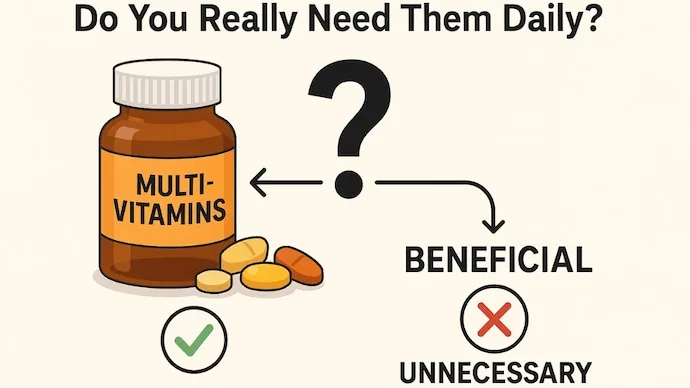
Walking down the supplement aisle can feel like navigating a minefield of bold claims, from miracle cures to guaranteed energy boosts. It is easy to assume that popping a pill is the simplest path to better health, but the reality is often far more nuanced. For many healthy adults, the question of whether vitamin supplements are effective or overrated is not just marketing noise—it is a legitimate inquiry into whether these products deliver on their promises or simply create expensive urine.
This overview cuts through the hype by examining two of the most discussed nutrients: Vitamin D and Vitamin B12. Rather than relying on anecdotal success stories, we look at what current clinical guidance suggests about their actual impact on fatigue, weight management, and disease prevention. You will learn why broad supplementation may not be necessary for everyone, how to prioritize natural sources like diet and sunlight, and when it makes sense to consult a healthcare professional for personalized testing instead of guessing.
Understanding Vitamins and How They Work in the Body
Determining whether vitamin supplements are effective or overrated requires understanding how your body processes these nutrients. Vitamins are essential substances found in everyday foods that allow your body to function properly. They fall into two distinct categories based on how they are stored and used.
Difference between fat-soluble (A, D, E, K) and water-soluble vitamins
The primary distinction lies in storage. Fat-soluble vitamins, including A, D, E, and K, dissolve in body fat and can accumulate in tissues over time. This storage capability means they carry a higher risk of toxicity if taken in excess, as the body does not easily flush them out. Conversely, water-soluble vitamins, such as the B-complex group and vitamin C, dissolve in water. Your body uses what it needs immediately and excretes the remainder through urine. Because they are not stored long-term, you need consistent dietary intake, but the risk of dangerous buildup is significantly lower. Understanding this mechanism helps explain why indiscriminate supplementation can sometimes do more harm than good, particularly with fat-soluble options.
Why most people get enough nutrients from food alone
For the average healthy individual, a balanced diet typically provides sufficient nutrients without additional pills. Research suggests that widespread claims about vitamins curing fatigue or preventing chronic disease often lack robust evidence. For instance, while vitamin B12 is frequently marketed for energy, true deficiency is rare, affecting only a small minority of the population. Similarly, vitamin D is often touted as a miracle solution, yet high-quality studies show limited benefit for general health in those who are not deficient. Instead of relying on supplements, focus on natural sources like salmon, dairy, and moderate sun exposure. If you suspect a deficiency, consult a healthcare provider for testing rather than self-prescribing. This cautious approach ensures you address actual needs rather than falling for marketing hype.

The Truth About Vitamin B12 Supplementation
When evaluating whether vitamin supplements are effective or overrated, it is crucial to separate marketing hype from clinical reality. Many individuals turn to B12 shots or pills hoping for a quick energy boost or accelerated weight loss. However, research suggests there is no solid evidence supporting these claims for the general population. If you are experiencing persistent tiredness, simply adding a supplement is rarely the solution. A thorough medical evaluation is necessary to identify the root cause, which could range from sleep issues to other underlying conditions. Relying on unproven fixes can delay proper care.
Lack of evidence for B12 in treating general fatigue or weight loss
Despite popular belief, B12 is not a magic bullet for shedding pounds or curing everyday exhaustion. Clinical guidance indicates that supplementation does not improve fatigue or aid weight loss in people with normal levels. Think of it like adding fuel to a car that already has a full tank; it simply does not change performance. Before considering supplements, focus on foundational daily habits like consistent sleep hygiene and balanced nutrition.
Why only 1% of the population truly needs B12 supplements
True deficiency is uncommon, affecting a small minority of people. Most adults absorb enough B12 from their diet. You likely need supplementation only if you have:
- A diagnosed absorption disorder
- Specific dietary restrictions like strict veganism
- A confirmed deficiency via lab testing
This nuance is central to understanding whether vitamin supplements are effective or overrated for your specific situation. Always consult a qualified healthcare professional before starting any new regimen to ensure safety and appropriateness for your individual health needs.
Is Vitamin D a Miracle Pill or Just Marketing?
When evaluating this nutrient, it is crucial to separate hype from high-quality evidence. Many headlines claim this nutrient prevents cancer or heart disease, but rigorous studies do not support these bold assertions for the average healthy person. While smaller trials hinted at benefits for respiratory health or mood, larger, more reliable research has failed to replicate those promising results. Consequently, health authorities generally advise against relying on pills for chronic disease prevention in individuals without a diagnosed deficiency. Instead of seeking a miracle cure, focus on foundational habits. For more on building sustainable routines, see our guide to healthy daily habits.
Debunking claims that Vitamin D prevents cancer or heart disease
- Large-scale clinical trials show no significant benefit for preventing major chronic diseases in general populations.
- Smaller, less robust studies often drive marketing claims, creating confusion about actual efficacy.
- Health professionals prioritize thorough physical exams and history over immediate supplementation for vague symptoms.
The chicken-and-egg problem regarding illness and low Vitamin D levels
Observational data frequently shows that sick individuals have lower levels, but this creates a classic causality dilemma. It remains unclear if low levels cause illness or if being ill depletes stores. Since mild deficiency presents no symptoms and severe cases offer only vague signs like muscle weakness, self-diagnosis is unreliable. Rather than guessing, consider natural sources like fatty fish or moderate sun exposure. If concerns persist, consult a licensed provider to determine if testing is appropriate, as excessive intake of fat-soluble vitamins can lead to toxicity.
Recognizing Symptoms of Deficiency and Toxicity
When evaluating this dish, understanding physical signals is crucial. Severe deficiencies often present with vague, non-specific indicators that are easily mistaken for general fatigue or aging. For instance, significant vitamin D deficiency may manifest as:
- Persistent bone pain
- Noticeable muscle weakness
- Unexplained physical tiredness
These symptoms are not diagnostic on their own. Many health issues share these traits, so assuming a nutrient gap without professional evaluation can delay proper care. Mild deficiencies frequently show no visible signs at all, making self-assessment unreliable. Instead of guessing, focus on consistent dietary habits like consuming fatty fish or safe sun exposure. If concerns persist, a qualified healthcare provider can determine if testing is necessary rather than relying on subjective feelings.
Risks of vitamin toxicity from fat-soluble buildup in tissues
More is not always better. Fat-soluble vitamins (A, D, E, and K) dissolve in body fat and can accumulate to dangerous levels if taken excessively. Unlike water-soluble nutrients that exit through urine, these store in tissues, leading to potential toxicity. Warning signs of overload include:
- Nausea and digestive distress
- Unexpected headaches or dizziness
- General feelings of illness
This reality challenges the notion that supplementation debates should ignore safety. Most healthy individuals do not need high-dose supplementation and risk adverse effects by self-prescribing. Always consult a licensed clinician before starting any new regimen, especially if you have existing health conditions. They can assess individual needs based on medical history rather than trends, ensuring safety while avoiding unnecessary chemical buildup in the body.
Natural Ways to Optimize Your Vitamin Levels
Before purchasing pills, consider if this is necessary for your specific needs. Most healthy individuals can meet requirements through lifestyle adjustments rather than relying on unproven remedies.
Dietary sources such as tuna, salmon, and fortified dairy
Food remains the most reliable source of essential nutrients. Fatty fish like tuna and salmon provide high levels of Vitamin D naturally. For those who do not consume seafood, fortified dairy products and certain cereals offer viable alternatives. These options help maintain balance without the risk of toxicity associated with excessive supplementation. Since fat-soluble vitamins can accumulate in body tissues, obtaining them through whole foods is generally safer. Focus on incorporating these items into regular meals instead of seeking quick fixes. This approach supports overall health while avoiding the confusion surrounding marketing claims. Always prioritize a varied diet to ensure you receive a broad spectrum of necessary compounds.
Getting safe sun exposure for natural Vitamin D synthesis
- Spend roughly 30 minutes outside twice weekly
- Allow sunlight to hit exposed skin directly
- Balance exposure with skin safety practices
Sunlight triggers natural Vitamin D production. Many people overlook this simple method, preferring pills despite limited evidence supporting their use for general wellness. If you suspect a deficiency, note that mild cases often show no symptoms. Severe issues may cause vague bone pain or weakness. Rather than self-prescribing, consult a healthcare provider for appropriate testing. They can determine if a true deficiency exists before recommending any intervention. Remember, the question of whether supplementation is needed often depends on individual medical history. For most, sensible sun exposure and diet suffice. Avoid assuming supplements prevent chronic illnesses without professional guidance. Prioritize speaking with a qualified specialist if concerns persist.
When to See a Doctor Instead of Self-Supplementing
Determining whether vitamin supplementation is appropriate requires objective data, not guesswork. Many individuals assume fatigue signals a deficiency, but research suggests true deficiencies are uncommon in the general population. Before starting any regimen, a qualified healthcare professional should conduct a thorough physical exam and order appropriate lab tests. This process identifies the root cause of symptoms rather than masking them with unnecessary pills. For instance, while vitamin B12 is often marketed for energy, clinical guidance indicates it only benefits those with a confirmed deficit. Skipping this diagnostic step risks overlooking serious underlying conditions. Always prioritize evidence-based evaluation over marketing claims to ensure your health strategy is safe and truly necessary for your specific biological needs.
Red flags that require professional medical evaluation
Certain symptoms demand immediate medical attention rather than self-treatment. Be wary of vague signs like persistent bone pain, muscle weakness, or unexplained weight changes. These could indicate severe deficiencies or other health issues requiring prescription intervention. Additionally, remember that fat-soluble vitamins can accumulate in body tissues, potentially leading to toxicity if taken without supervision. If you experience adverse reactions or no improvement after lifestyle adjustments, consult a provider. Do not attempt to interpret complex lab results or diagnose yourself based on online information. A licensed clinician can determine if testing is warranted and set safe parameters. Understanding when supplementation applies to your situation helps prevent harm and ensures you receive appropriate, personalized care from a qualified specialist.
Key Takeaways
Navigating the crowded market of nutritional aids requires a clear distinction between genuine necessity and marketing noise. For most healthy adults eating a balanced diet, adding extra pills often provides little measurable benefit, suggesting that many popular products are more hype than help. However, specific life stages or dietary restrictions can create legitimate gaps that food alone may not fill. Determining whether this is necessary depends entirely on individual biological needs rather than broad generalizations. This nuance matters because relying on pills as a shortcut can distract from foundational habits like sleep, movement, and whole-food nutrition that drive long-term vitality.
The bigger picture involves shifting focus from quick fixes to sustainable lifestyle patterns. Health authorities generally advise prioritizing nutrient-dense meals before considering additional inputs. If you suspect a deficiency, consult a qualified healthcare professional for personalized guidance rather than self-prescribing. This approach ensures safety and avoids unnecessary expense. Ultimately, informed decisions stem from understanding your unique context, not following trends. Consider speaking with a registered dietitian or primary care provider if you have specific concerns about your nutritional intake.
References
- Overrated or Underrated? (Rating 37 Nootropics That I've...) - YouTube (youtube.com)
- Vitamins and minerals - NHS (nhs.uk)
- verywellfit.com/vitamin-e-supplements-what-you-need-to-know-90042 (verywellfit.com)