That warm, comforting sensation triggered by a familiar song or scent is more than just a fleeting daydream; it is a psychological anchor during times of uncertainty. While the term originally described a painful longing for home among soldiers centuries ago, modern understanding recognizes this emotion as a stabilizing force rather than a disorder. By intentionally connecting with positive memories, individuals can find meaning and motivation to navigate current life transitions, turning what was once viewed as a weakness into a resource for resilience.
However, there is a delicate balance between drawing strength from history and becoming trapped in it. Memory is not a perfect recording device, and the brain often edits out stressful details, creating a phenomenon known as rosy retrospection where the past appears superior to the present. This article explores practical strategies for using nostalgia for emotional wellness, helping you harness these feelings to foster wellbeing without losing sight of the realities and opportunities of today.
From Neurologic Disorder to Emotional Anchor
Tracing the etymology of nostalgia from 'homecoming pain' to a stabilizing force
In the 1600s, nostalgia was classified as a neurologic disorder affecting soldiers stationed far from home. The term combines the Greek words for homecoming and pain, literally describing a condition of intense longing. By the nineteenth century, this perception shifted to a psychological concern, where experts worried that dwelling on the past prevented people from living fully in the present. However, modern understanding has evolved significantly. Today, we recognize this emotion not as a disease, but as a positive, stabilizing force during times of transition. It serves as a reminder of personal meaning and continuity. Rather than signaling an inability to cope, it often provides comfort and motivation when facing new challenges. This historical shift highlights how our interpretation of internal experiences can change from pathological to beneficial, allowing us to view memories as resources rather than symptoms of disorder.
Why experiencing nostalgia regularly is linked to better mental health outcomes
Research suggests that individuals who experience nostalgia regularly tend to have better mental health outcomes compared to those who do not. This emotional state helps create meaning and fosters resilience. Common triggers include sensory inputs like:
- Hearing a familiar song from your youth
- Smelling a specific perfume or cologne
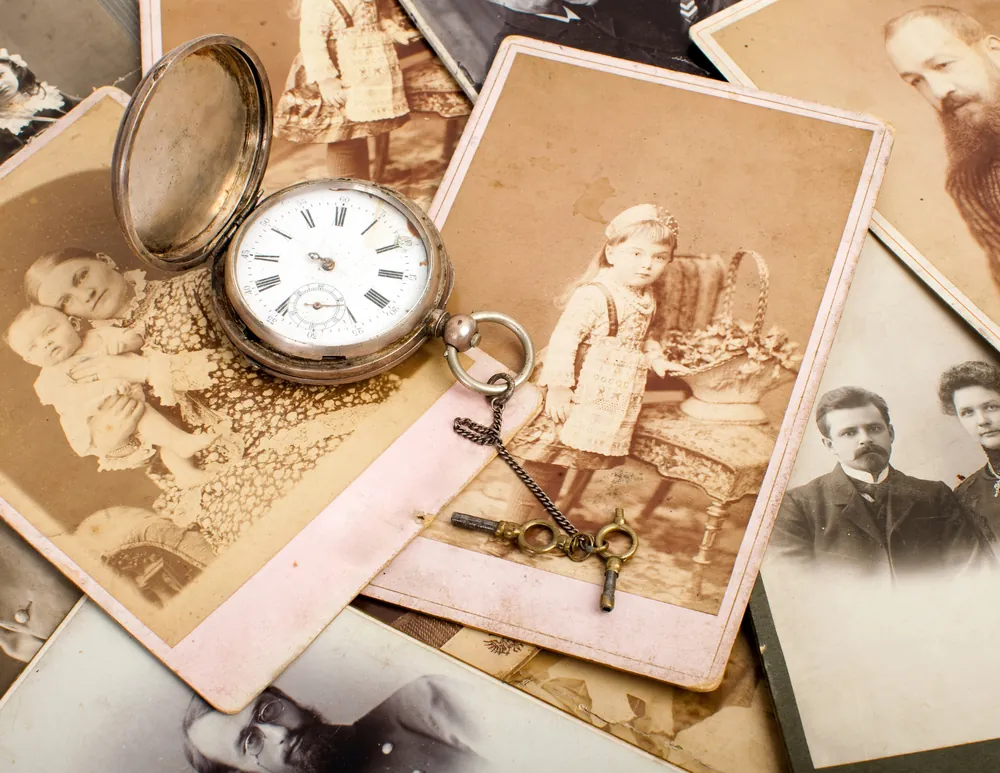
- Viewing photographs from significant life events
These cues activate warm, comforting feelings that can counteract stress and worry about the future. While memory is imperfect and subject to rosy retrospection, this cognitive bias can serve as a survival tool by highlighting positive aspects of past experiences. Using nostalgia for emotional wellness involves leveraging these memories to find motivation and stability. However, balance is essential. Excessive fixation on the past to the detriment of present engagement can become problematic. For most people, though, occasional reminiscence supports psychological well-being by reinforcing identity and connection. If you find these feelings overwhelming or interfering with daily life, consider speaking with a mental health specialist.
How Nostalgia Presents Itself in Daily Life
Using nostalgia for emotional wellness in your routine often begins with recognizing how sensory inputs unlock specific memories. Our brains tightly link senses to the limbic system, which processes emotion and memory. Common triggers include:
- Scent: A familiar perfume or the smell of rain can instantly transport you to a childhood home.
- Sound: Hearing a song from high school may evoke the excitement or anxiety of that era.
- Visuals: Old photographs or vintage decor can spark warm reflections on personal growth.
These cues are not mere distractions; they serve as anchors during life transitions. By intentionally engaging with these triggers, you can stabilize your mood and find meaning in past accomplishments. For more on building resilient daily habits, read our guide on mindful routines.
The Role of Rosy Retrospection and Cognitive Bias
Memory is an imperfect tool, often subject to rosy retrospection. This cognitive bias leads us to view the past more positively than it actually was, filtering out stress while retaining joy. When we reminisce, we are not recalling exact data but a curated narrative. This mental editing serves a protective function, allowing us to derive motivation from previous successes without being weighed down by past struggles. However, balance is key. While this bias can foster resilience, relying too heavily on an idealized past may disconnect you from present realities. Understanding this mechanism helps you leverage positive emotions without escaping current responsibilities. If feelings of longing become overwhelming or interfere with daily functioning, consider speaking with a mental health provider for personalized support.

The Fine Line Between Healthy Reflection and Pathologic Avoidance
Using nostalgia for emotional wellness involves leveraging positive memories to stabilize feelings during life transitions. This practice differs significantly from rejecting the present reality. When individuals distinguish between motivation and avoidance, they use past achievements to fuel future goals rather than escaping current challenges. Consider how a familiar scent or song triggers a warm recollection of a past success. This sensory connection can provide comfort without demanding that the present moment change to match the past. The key lies in intention: are you drawing strength from history, or are you hiding from today? Healthy reflection acknowledges that memory is imperfect, often highlighting positive aspects while filtering out stress. By focusing on meaning rather than perfection, people can maintain balance. This approach ensures that reminiscing serves as a bridge to the future, not a barrier against it.
Distinguishing between using the past for motivation versus rejecting the present
Historical nostalgia becomes problematic when it acts as a barrier to current functioning. Warning signs include a persistent dissatisfaction with modern life and an intense desire to recreate specific past conditions. Individuals may find themselves:
- Idealizing previous eras while ignoring their inherent difficulties
- Withdrawing from current social connections due to unfavorable comparisons
- Experiencing distress when unable to replicate past experiences exactly
This cognitive bias, often called rosy retrospection, can distort reality by omitting stressful details from memory. While this process is beneficial, excessive fixation suggests a need for professional support. If these patterns disrupt daily responsibilities or relationships, consulting a mental health specialist is advisable. They can help navigate these feelings without judgment, ensuring that reflection remains a tool for growth rather than a source of stagnation.
Practical Strategies to Harness Nostalgic Feelings
Transition periods often trigger nostalgia as a stabilizing force. Rather than viewing the past as superior, leverage prior successes to bolster current confidence.
- Recall specific moments where you overcame uncertainty to remind yourself of your resilience.
- Identify skills mastered during previous life changes that apply to your current situation.
- Use these memories to reduce anxiety about future outcomes, focusing on proven capability.
This approach transforms reminiscence into a practical tool for navigating change without getting stuck in rosy retrospection.
Creating Meaning by Connecting Past Joys to Present Goals
Nostalgia helps construct meaning, but avoid idealizing history through cognitive bias. Memory is imperfect and often edits out stress, creating a skewed positive view. Instead of disconnecting from the present, integrate valuable aspects of past joys into current objectives.
- Recognize that sensory triggers, like music or scents, can evoke comforting feelings.
- Distinguish between healthy motivation and pathological dissatisfaction with the now.
- Apply the core values from cherished memories to enhance present-day activities.
This balanced perspective supports emotional wellness by fostering gratitude rather than regret. Always consult a mental health professional if nostalgic thoughts become overwhelming or interfere with daily functioning.

When to Seek Professional Support for Memory and Mood
While nostalgia can provide comfort during transitions, it becomes problematic when reminiscing replaces active problem-solving. If you find yourself constantly retreating into the past to avoid current challenges, this may signal a need for support. Watch for these red flags:
- Avoidance behaviors: You consistently choose memories over engaging with present-day responsibilities or relationships.
- Stagnation: Reflection does not lead to motivation or new goals, but rather keeps you stuck in a loop of comparison.
- Distorted reality: You begin to hate the present moment, viewing it as inferior solely because it lacks the filtered positivity of memory.
These patterns suggest that rumination is hindering your ability to cope with life’s natural changes effectively.
Identifying when persistent longing for the past signals underlying anxiety or depression
Persistent longing can sometimes mask deeper mental health concerns. When nostalgia shifts from a stabilizing force to a source of distress, it may indicate underlying anxiety or depression. Consider seeking guidance if you notice:
- Intense sadness: Reminiscing triggers grief or hopelessness rather than warmth or connection.
- Withdrawal: You isolate yourself from current social supports to dwell exclusively on past interactions.
- Inability to function: Preoccupation with "the good old days" interferes with sleep, work, or daily habits.
Memory is an imperfect tool, often editing out stress through rosy retrospection. If this bias prevents you from addressing current worries, consult a qualified healthcare professional. A therapist can help balance reflection with present-moment engagement, ensuring this practice remains a healthy practice.
The Bottom Line
Reflecting on positive memories can be a gentle, accessible tool for grounding yourself during stressful times. By intentionally selecting moments that evoke comfort or joy, you create a mental sanctuary without ignoring present realities. This approach is not about escaping current challenges but rather drawing strength from your personal history to navigate them with greater resilience. When practiced mindfully, nostalgia helps bridge the gap between who you were and who you are becoming, fostering a sense of continuity and self-compassion.
Remember that this practice is most effective when it complements other healthy daily habits, such as regular movement and adequate sleep. If you find that looking backward consistently triggers sadness or interferes with your daily functioning, it may be helpful to speak with a licensed mental health professional. For now, try viewing your past as a resource for inspiration rather than a place to reside. Be patient with yourself as you explore these memories, allowing them to inform your present moment with warmth and clarity.
References
- Why Is Nostalgia Important | TikTok (tiktok.com)
- The Nostalgia Trip: Are You Drinking for Comfort or Connection? (brandersmagazine.com)