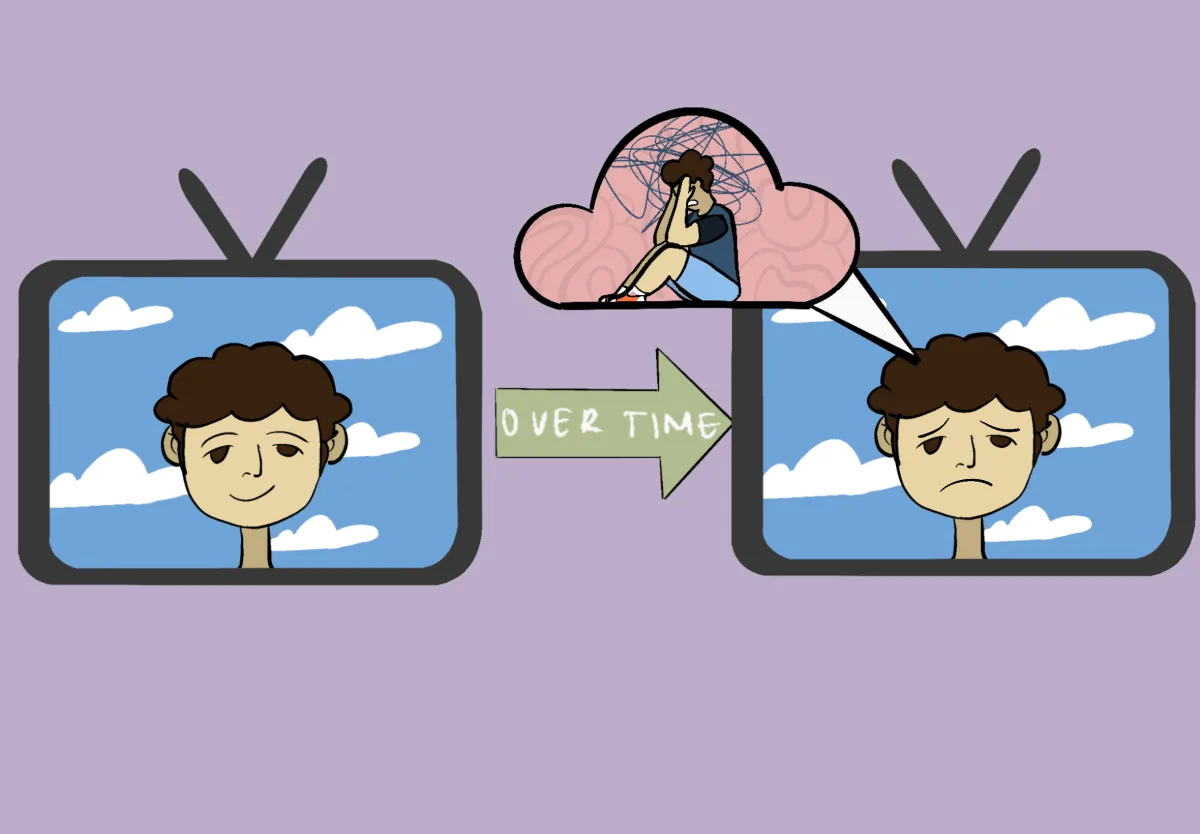
The glare of studio lights and the pressure of public scrutiny can trigger physical reactions that extend far beyond emotional discomfort. As seen in candid discussions with former reality television participants, the intense environment of competitive dating and pageantry can manifest in tangible health challenges, from respiratory distress to chronic inflammation. Understanding the link between media dating shows and stress is essential for recognizing how high-pressure entertainment formats may impact physiological well-being, turning what appears to be mere drama into a genuine health consideration.
This analysis explores the intersection of reality TV production and personal health, drawing on real-world accounts to illustrate how sustained criticism and performance anxiety can exacerbate underlying conditions. By examining these experiences through an informational lens, readers can better understand the potential bodily responses to extreme social pressure. The following sections break down these dynamics without offering medical diagnoses, providing a clear perspective on why monitoring one’s health during periods of high visibility or stress is a prudent part of maintaining overall wellness.
The Hidden Physical Toll of Public Scrutiny
Public exposure often triggers tangible physiological responses that extend far beyond temporary nervousness. When discussing media dating shows and stress, it is crucial to recognize how intense scrutiny can manifest as chronic physical symptoms. For instance, prolonged periods of high anxiety may exacerbate underlying conditions like asthma or trigger persistent coughing fits, even in individuals who have not experienced flare-ups for years. The body’s reaction to public judgment is not merely psychological; it involves complex airway and pressure regulation systems.
- Airway sensitivity: Stress can tighten chest muscles, making breathing feel restricted or triggering cough reflexes during high-pressure moments.
- Eustachian tube dysfunction: Anxiety and inflammation may affect the tubes connecting sinuses to ears, causing pressure imbalances and discomfort.
- Sleep disruption: Constant evaluation often leads to poor rest, which weakens immune response and worsens existing health issues.
How criticism from pageants and dating shows impacts mental health
Criticism in competitive environments like pageants or reality television creates a unique form of emotional strain. Contestants frequently report that harsh feedback regarding their appearance or behavior lingers long after filming ends. This type of scrutiny differs from everyday social critique because it is broadcast to millions, amplifying feelings of vulnerability. Many individuals describe experiencing heightened self-consciousness, leading to behaviors such as excessive throat clearing or seeking constant reassurance about their physical state.
The mental load of managing public perception can also interfere with daily habits. People under this spotlight may neglect basic self-care, such as hydration or skincare, due to exhaustion or distraction. Over time, this neglect compounds physical stress, creating a cycle where mental fatigue worsens physical symptoms. Understanding this connection helps viewers appreciate why participants might appear visibly drained or anxious during broadcasts.
Why reality TV stress feels different from everyday anxiety
Reality television stress is distinct because it combines performance pressure with a lack of control. Unlike typical workplace stress, contestants cannot step away from the camera or choose their audience. This relentless exposure keeps the nervous system in a state of hyperarousal. For example, a simple action like drinking water becomes a monitored event, adding layers of tension to mundane activities.
This environment often triggers specific physical reactions, such as ear pressure or difficulty swallowing, linked to the body’s attempt to equalize internal stress. These symptoms are not imaginary but reflect real physiological adjustments to sustained alertness. If you experience persistent physical symptoms related to stress, consider speaking with a primary care provider or a mental health specialist. This content is for reference only and does not replace professional medical advice.

Recognizing the Symptoms of Stress-Induced Physical Reactions
Physical responses to psychological pressure are often misunderstood as purely respiratory issues. When discussing media dating shows and stress, it is crucial to recognize how emotional scrutiny manifests physically. Many individuals report persistent coughing, breathing difficulties, and a sensation of throat pressure that mimics asthma but may stem from tension. This tightness in the throat, sometimes called globus sensation, can create a feeling of obstruction without an actual blockage.
- Persistent dry cough: A tickle or irritation that does not resolve with typical remedies.
- Shallow breathing: Difficulty taking deep breaths due to chest or throat tightness.
- Throat constriction: A feeling of pressure or a lump in the throat during high-anxiety moments.
These symptoms often worsen in environments requiring constant self-monitoring or public performance. While some may reach for inhalers, health authorities generally advise evaluating whether the trigger is inflammatory or tension-based. If breathing becomes severely compromised, seeking immediate professional care is essential. However, for many, recognizing the link between emotional state and physical reaction is the first step toward management.
Identifying Non-Obvious Signs Like Ear Popping and Swallowing Delays
Beyond obvious respiratory signs, stress can affect the Eustachian tubes, which regulate ear pressure. Individuals may experience frequent ear popping or a sensation of fullness, similar to changes experienced during air travel. This occurs because inflammation or muscle tension can disrupt the normal equalization process. Additionally, some people notice a delay in swallowing, where the coordination required to move liquid or food feels slightly out of sync.
- Ear pressure fluctuations: Popping sounds or discomfort unrelated to altitude changes.
- Swallowing hesitation: A brief pause or need to clear the throat before swallowing.
- Throat clearing habits: Repetitive actions to relieve perceived irritation or vibration.
These subtle signs indicate a unified airway response to tension. Just as viewers analyzing media dating shows and stress might notice contestants’ visible anxiety, internal physiological shifts are equally significant. These symptoms do not necessarily indicate infection but rather a heightened state of alertness affecting muscular control. Consulting a qualified healthcare professional can help distinguish between structural issues and stress-induced reactions, ensuring appropriate support.

The Connection Between Emotional Stress and Respiratory Issues
Public scrutiny, such as the intense pressure often seen in stress-inducing reality TV environments, can manifest physically. Many individuals report that high-anxiety situations trigger respiratory sensations that feel remarkably similar to asthma. While true asthma involves airway inflammation, anxiety can cause chest tightness, rapid breathing, and persistent coughing. This overlap often leads to confusion about the root cause of breathlessness.
Consider the experience of public figures who describe prolonged coughing fits during periods of intense emotional strain. They may carry inhalers for historical asthma but find that recent episodes are driven by different mechanisms. When the body is in a state of hyperarousal, muscle tension in the chest and throat can mimic wheezing. It is crucial to distinguish between these responses because treatment approaches differ significantly. Key indicators that anxiety may be playing a role include:
- Symptoms worsening during emotionally charged events rather than physical exertion.
- A sensation of throat tightness or inability to swallow smoothly.
- Persistent coughing without typical allergic triggers like pollen or dust.
Understanding this distinction helps prevent unnecessary medication use. If you suspect your breathing issues are linked to emotional states, consulting a healthcare provider is essential to rule out underlying physiological conditions before attributing symptoms solely to stress.
Understanding how anxiety can mimic or trigger asthma-like symptoms
Anxiety does not just affect the mind; it creates tangible physical responses in the respiratory system. When stressed, the body’s fight-or-flight response activates, leading to shallow, rapid breathing. This pattern can irritate the airways, causing a chronic cough that persists for weeks. Unlike classic asthma attacks characterized by severe wheezing and acute distress, stress-induced coughing may present as a dry, tickling sensation that feels impossible to suppress.
For example, some individuals notice their symptoms flare up during high-pressure social interactions or public appearances. The embarrassment of coughing in quiet spaces can create a feedback loop, increasing anxiety and worsening the symptom. This cycle highlights why holistic management is necessary. Addressing only the lungs without considering mental health may leave the core issue unresolved. Practical steps include practicing diaphragmatic breathing exercises and staying hydrated to soothe irritated throat tissues.
The role of the Eustachian tube in stress-related ear and sinus pressure
The Eustachian tube connects the middle ear to the back of the throat, acting as a pressure release valve. During flights or altitude changes, this tube pops to equalize pressure. However, stress and inflammation can cause this tube to malfunction, leading to a feeling of fullness or water in the ears. When this tube fails to open properly, it can trigger reflexive coughing as the body attempts to clear the perceived blockage.
This connection explains why some people experience ear popping followed immediately by uncontrollable coughing. The unified airway concept suggests that irritation in one area, such as the sinuses or ears, can impact the throat and lungs. If you frequently feel pressure in your ears accompanied by throat clearing or coughing, it may indicate Eustachian tube dysfunction rather than primary lung disease. Managing this requires addressing potential causes like allergies or silent reflux. Always seek professional evaluation to determine the appropriate specialist, such as an ENT or pulmonologist, for persistent symptoms.

When to See a Doctor: Red Flags You Should Not Ignore
Navigating the emotional turbulence of this situation can blur the line between normal anxiety and health issues requiring attention. It is vital to differentiate between temporary stress responses and chronic conditions. A transient reaction, such as nervousness before a televised event, typically resolves once the situation passes. In contrast, chronic conditions persist regardless of external triggers, indicating an underlying physiological issue rather than just situational anxiety.
Consider the experience of public figures who face intense scrutiny. While stress might exacerbate existing conditions, it does not always cause new ones. For instance, persistent coughing or breathing difficulties lasting weeks may signal asthma or reflux, not just panic. If symptoms interfere with daily sleep, work, or relationships for more than a few weeks, it is time to consult a professional. Research suggests that ignoring these prolonged signs can lead to complications. Use this guide to understanding chronic stress to evaluate your baseline health habits before assuming every symptom is psychological.
Differentiating between temporary stress responses and chronic conditions
Temporary stress often presents with clear onset and offset times linked to specific events. Chronic conditions, however, operate independently of immediate stressors. Key indicators include:
- Duration: Symptoms lasting longer than a month without relief.
- Intensity: Reactions disproportionate to the triggering event.
- Physical Impact: Unexplained weight changes, persistent fatigue, or pain.
Warning signs that require immediate medical evaluation rather than self-care
Certain red flags demand prompt clinical assessment rather than home remedies. Do not attempt to self-diagnose complex respiratory or cardiac issues. Seek immediate care if you experience:
- Breathing Difficulties: Wheezing, chest tightness, or inability to catch breath.
- Persistent Cough: A cough lasting weeks, especially if accompanied by other symptoms.
- Swallowing Issues: Difficulty swallowing or frequent throat clearing without illness.
Remember, only a licensed provider can determine the root cause. If you have concerns about respiratory health or persistent symptoms, consider speaking with a primary care physician or pulmonologist.
Navigating the Aftermath of High-Pressure Media Exposure
Public scrutiny can trigger tangible physiological responses, as seen when high-profile individuals experience sudden health episodes during travel or public appearances. The link between the method often extends beyond emotional fatigue, manifesting in physical symptoms like persistent coughing or breathing difficulties that may be misattributed to common conditions. When facing intense criticism, establishing firm personal boundaries is essential for maintaining mental equilibrium.
- Limit digital consumption: Reduce time spent reading comments or news articles to prevent cognitive overload.
- Define communication channels: Designate specific times for media engagement rather than remaining constantly accessible.
- Prioritize private recovery: Schedule uninterrupted periods for rest, away from public observation or performance expectations.
Strategies for managing public criticism and personal boundaries
Managing the influx of public opinion requires a structured approach to information intake. Many individuals report that separating their self-worth from external validation helps mitigate the impact of negative feedback. It is crucial to recognize that online commentary often reflects the commenter’s perspective rather than objective truth. By curating one’s digital environment, a person can reduce exposure to harmful narratives while maintaining necessary professional connections.
Practical boundary-setting involves delegating media monitoring to trusted associates who can filter content. This strategy allows the individual to focus on personal well-being without being overwhelmed by the volume of public discourse. Additionally, engaging in offline hobbies and spending time with supportive friends reinforces a sense of normalcy. These actions help create a psychological buffer, ensuring that public persona does not completely overshadow private identity.
Building resilience against the unique pressures of televised dating
The environment of televised romance introduces unique stressors, including constant surveillance and edited narratives. Resilience in this context involves developing coping mechanisms for unexpected physiological reactions, such as anxiety-induced breathing patterns or throat tension. Understanding that these physical responses are common under pressure can reduce secondary embarrassment. Individuals often benefit from learning techniques to regulate their nervous system during high-stakes moments.
Building long-term resilience also requires post-exposure decompression. After filming concludes, taking time to process experiences without immediate public judgment is vital. This period allows for the integration of events into one’s life story on personal terms. Consulting with mental health professionals can provide tailored strategies for handling lingering effects. Ultimately, recognizing that this version is interconnected helps individuals prepare for both the emotional and physical demands of public visibility.
Final Thoughts
The intersection of entertainment and well-being requires careful scrutiny, particularly when examining how these programs interact to influence viewer health. While these programs offer escapism, the physiological responses they trigger—such as elevated cortisol or disrupted sleep patterns—highlight a broader need for mindful consumption. Understanding that emotional engagement with scripted reality can have tangible physical effects allows individuals to make more informed choices about their daily media habits. This awareness is not about eliminating enjoyment but rather about recognizing the cumulative impact of high-intensity viewing on long-term health stability.
Ultimately, prioritizing mental and physical resilience means balancing leisure activities with restorative practices like proper sleep hygiene and movement. If you notice persistent anxiety or sleep disturbances linked to media consumption, consider speaking with a healthcare provider who specializes in behavioral health or stress management. This content is for reference only and does not replace professional medical advice. Making small, consistent adjustments to your routine can help mitigate potential negative effects while preserving the social aspects of shared viewing experiences.
References
- tandfonline.com/doi/full/10.1080/17437199.2021.1923406 (tandfonline.com)
- Your Stress is Telling You Something About Your Happiness - YouTube (youtube.com)