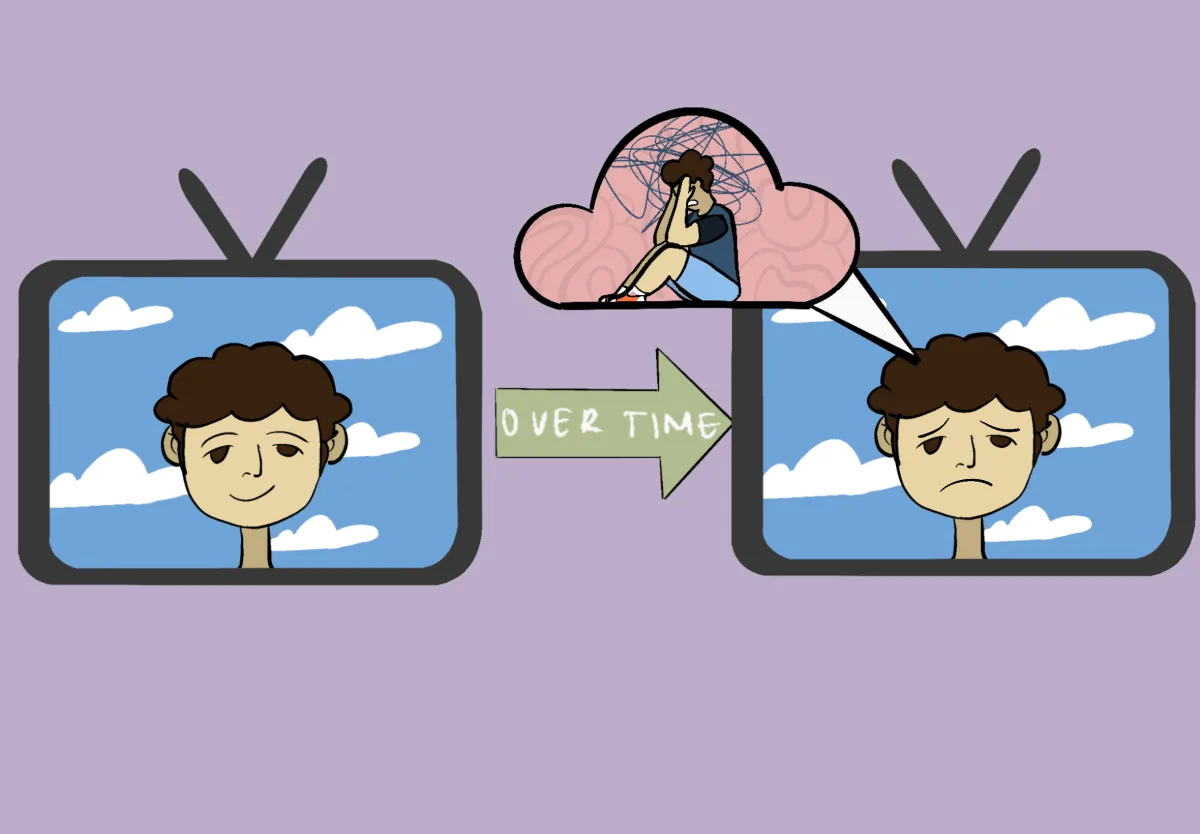
Disagreements today rarely stay disagreements. They escalate quickly into personal attacks, fractured friendships, and a constant sense of friction that follows us from political debates to everyday conversations. After spending time researching why polarization feels so intense right now, one pattern stood out: the sheer volume of information we process daily is quietly exhausting our mental stamina. Decades ago, awareness was mostly limited to local communities or major national events. Now, global updates reach our phones in minutes, new technologies demand constant relearning, and work obligations follow us home through texts and emails. This relentless cognitive load drains the willpower needed for thoughtful reflection.
When mental fatigue sets in, people tend to rely on reflexive, gut-level reactions rather than careful consideration. Research suggests this depletion makes individuals more susceptible to tribalistic thinking—an “us versus them” mentality that shuts down learning and makes finding common ground nearly impossible. Understanding where social division and well-being collide starts with recognizing how an overwhelmed mind defaults to these primitive responses. It is not a character flaw; it is a predictable reaction to processing far more stimuli than previous generations ever faced.
This article breaks down practical ways to interrupt that cycle. You will find straightforward strategies for giving yourself enough time to digest complex issues, practicing charitable thinking instead of villainizing opposing views, and knowing when to step away before emotions take over. I am an individual who researches and summarizes health topics, not a doctor or licensed clinician, so please treat this as general educational information rather than personalized advice. If navigating persistent stress or emotional exhaustion becomes difficult, consider speaking with a mental health professional, such as a licensed therapist or psychologist, who can offer tailored support. Fact-checked. This content is for reference only and does not replace professional medical advice.
Why Polarization Is Reaching Unprecedented Levels
The role of technology, social media echo chambers, and divisive leadership in widening gaps
Research suggests that constant information overload drains mental stamina. Unlike previous decades when news stayed mostly local, instant notifications now deliver global events directly to our phones. This relentless pace fatigues the mind, making it harder to process complex topics thoughtfully.
Several factors push people further apart:
- Social media echo chambers that only show ideas we already agree with
- Divisive leadership that encourages fervent, tribalistic thinking
- Constant work connectivity through email and texts, leaving little time for mental recovery
When willpower is depleted, people tend to rely on gut instincts rather than careful reasoning. This reflexive thinking fuels an "us versus them" mentality, which directly impacts social division and well-being.
How disagreements now escalate into personal attacks and fractured relationships
Many people report that everyday disagreements increasingly devolve into name-calling or even lost friendships. When mental energy runs low, conversations shift from productive debate to defensive reactions based on preconceived notions.
A practical tip: if you notice yourself reacting emotionally, pause before responding. Bigger issues require more time to digest properly. Try practicing charitable thinking—avoid villainizing the other person, as hostility only builds walls. If a discussion heats up, stepping away to revisit it later demonstrates emotional maturity. Recognizing these reflexive patterns is essential because unmanaged conflict takes a real toll on social division and well-being. For persistent stress affecting your daily habits or sleep hygiene, consider speaking with a licensed mental health professional.
The Cognitive Overload Driving Us Apart
Research suggests that constant information exposure shapes how we relate to others. Understanding this link between social division and well-being starts with recognizing how our minds handle modern demands.
Processing a constant stream of global events and rapid scientific advancements
Decades ago, people mainly tracked local news. Today, notifications about distant events or complex topics—like stem cell research, vaping risks, or CBD—arrive instantly. This relentless flow drains mental stamina and depletes willpower. When mentally fatigued, people tend to rely on reflexive, tribalistic thinking rather than carefully evaluating new ideas, which can deepen polarization.
A practical tip is to give yourself adequate time to digest significant information before forming an opinion. Larger issues require more processing time, so resisting the urge to react immediately supports healthier decision-making.
The mental fatigue from ever-changing technology and the inability to disconnect from work obligations
Frequent device updates and shifting software interfaces demand continuous learning. Simultaneously, email and text messages mean work obligations rarely end when you leave the office. Together, these pressures exhaust cognitive reserves.
When your mind is drained, conversations often devolve into "us versus them" arguments. To protect this dynamic, consider three habits:
- Pause before reacting: Allow time to process information instead of responding instinctively.
- Practice charitable thinking: Avoid villainizing those who disagree; assuming good intent keeps dialogue open.
- Step away when emotional: If frustration builds, pause the discussion and revisit it later with a clearer mind.
If persistent stress affects your daily life, consider speaking with a licensed mental health professional for personalized guidance.
Recognizing the Symptoms of Division-Related Stress on Your Body and Mind
Understanding how these divisions connect starts with noticing how constant polarization affects daily life. Research suggests that a relentless influx of information can fatigue the mind, making it harder to process disagreements calmly.
Emotional signs like irritability, loneliness, and reflexive tribalistic thinking
When mental stamina runs low, people often default to gut reactions rather than thoughtful responses. This reflexive approach can lead to an "us versus them" mindset, which blocks genuine understanding and fuels interpersonal conflict.
- Irritability during routine conversations or when reading news updates
- Loneliness after friendships fracture over heated disagreements
- Tribalistic thinking, where complex issues are reduced to rigid sides
A practical tip: if you notice these patterns, step away from the discussion until emotions settle. Giving yourself time to digest information is a foundational habit for navigating conflict constructively. You can also explore more about healthy daily habits for stress management.
Physical manifestations including chronic fatigue, sleep disruption, and drained willpower
The relationship between stress and health extends beyond emotions. Constantly adapting to new technology, keeping up with rapid scientific updates, and remaining reachable around the clock drains cognitive reserves.
- Chronic fatigue from processing nonstop notifications
- Sleep disruption caused by work obligations bleeding into personal hours
- Drained willpower, leaving little energy for healthy routines
Think of your mental capacity like a phone battery; background apps constantly pinging for attention deplete it quickly. If persistent exhaustion interferes with daily life, consider speaking with a primary care provider or a licensed mental health professional. This content is for informational reference only and does not replace professional medical advice. Fact-checked.
Red Flags That Indicate You Should Seek Professional Support
When polarization triggers persistent anxiety, depression, or an inability to function daily
The constant stream of global news and technology can drain mental stamina. When this exhaustion fuels tribalistic thinking—an "us versus them" mindset—the link between polarization and mental health becomes clear. If disagreements start causing persistent worry, low mood, or difficulty completing basic daily tasks like sleeping or working, it may be time to consult a licensed provider.
Think of mental energy like a phone battery: constant notifications and information overload drain it faster than it can recharge. When your reserves are empty, you might react reflexively rather than thoughtfully. A practical tip is to step away from heated discussions before emotions escalate, giving yourself time to properly digest complex information.
Warning signs that your coping mechanisms are failing and a doctor or therapist is needed
Even healthy habits—like good sleep hygiene or regular movement—sometimes aren't enough when stress from deep disagreements overwhelms you. Watch for these warning signs:
- Withdrawing completely from friends or family over differing opinions
- Relying on impulsive reactions instead of charitable thinking, which means trying to understand the other person's perspective without villainizing them
- Feeling unable to disconnect from work or news cycles, leaving no time for mental recovery
If self-management strategies stop working, a qualified healthcare professional can help build more resilient approaches. Understanding how these factors intersect is a helpful first step, but personalized support matters. If you have a specific concern about chronic stress or emotional fatigue, consider speaking with a mental health specialty provider.

Three Practical Steps to Break Free From Reflexive Thinking
Research suggests that constant notifications, rapid technological changes, and endless information can drain mental stamina. When willpower is low, people often rely on gut reactions, which can fuel these challenges by encouraging an "us versus them" mindset.
Allowing adequate time to digest complex information before forming judgments
Just as your body needs time to digest a heavy meal, your mind needs space to process complicated news or scientific updates. Bigger issues require more time. Instead of reacting instantly to a headline on your phone, try these steps:
- Pause before sharing or commenting online.
- Sleep on it if the topic feels overwhelming.
- Seek context rather than relying solely on initial impressions.
Giving yourself this buffer reduces reflexive thinking and supports clearer daily decision-making.
Practicing charitable interpretation and knowing when to step away from heated conversations
Charitable interpretation means assuming the other person has reasonable intentions, even during disagreements. Villainizing someone only builds walls. This approach directly protects the dialogue by keeping communication open. Consider these practical habits:
- Listen fully before preparing your response.
- Acknowledge valid points in the opposing view.
- Step away immediately if emotions start escalating.
Walking away is not losing; it is emotional maturity. You can always revisit the discussion later with a calmer perspective. If chronic stress from polarization affects your daily life, consider speaking with a licensed mental health professional for personalized support.
Rebuilding Connection in a Fragmented World
The link between this version is clear: constant notifications, new technology, and endless obligations drain mental stamina. When exhausted, people often default to reflexive, tribalistic thinking.
Moving beyond an us-versus-them mentality to preserve friendships and community bonds
Information overload fatigues the mind. Without willpower, disagreements can devolve into name-calling or lost friendships. Research suggests that overcoming this requires deliberate habits:
- Allow adequate time to digest complex issues before reacting.
- Practice charitable thinking by avoiding villainizing those who disagree with you.
- Recognize when you are relying on preconceived notions rather than facts.
Think of it like reading nutrition labels: rushing leads to poor choices, while slowing down supports better decisions. For more on managing daily stressors, explore healthy sleep hygiene habits.
Strengthening emotional maturity through consistent practice and intentional disconnection
Emotional maturity is not automatic; it requires practice. When a conversation becomes heated, stepping away prevents permanent damage to relationships. Returning later with a clearer mind makes finding common ground far easier.
Intentional disconnection from devices helps restore the mental fortitude needed to process scientific updates, work emails, and global news without feeling overwhelmed. If navigating polarization significantly impacts your daily functioning or causes persistent distress, consider speaking with a licensed mental health professional for personalized support.
Fact-checked. This content is for reference only and does not replace professional medical advice.
The Bottom Line
Navigating the overlap between these domains requires intentional daily habits rather than constant engagement with polarizing content. Research suggests that setting firm boundaries around news consumption and prioritizing restorative routines—like consistent sleep hygiene, regular movement, and balanced nutrition—helps buffer the nervous system against chronic stress.
The single most practical step you can take today is to schedule a specific, non-negotiable window each day where all screens and divisive media are turned off, replacing that time with an offline activity that grounds you physically. If navigating persistent stress or anxiety feels unmanageable through lifestyle adjustments alone, consider speaking with a licensed mental health professional for personalized support. This content is fact-checked and provided for general reference only; it does not replace professional medical advice.
References
- Societal Division Causing Stress Among US Adults - Neurology Advisor (neurologyadvisor.com)
- 5 Different Types of Wellbeing in the Workplace Explained (workhuman.com)