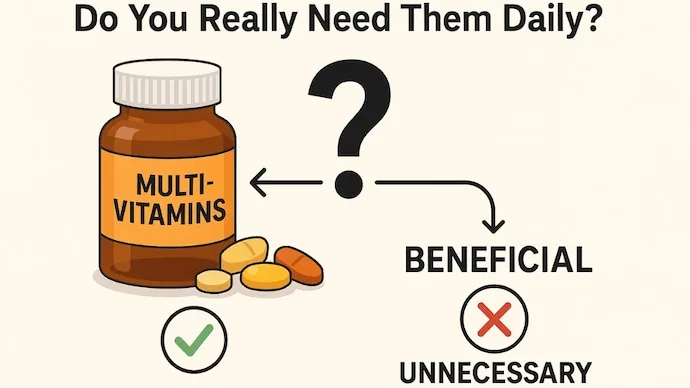
Walking down the supplement aisle can feel like navigating a maze of bold promises, from claims of boundless energy to miracle cures for chronic diseases. It is easy to assume that popping a daily pill is the safest shortcut to optimal health, but this common habit often stems more from marketing hype than medical necessity. For most people, the question isn't whether vitamins are important—they absolutely are—but rather whether healthy adults need daily vitamins in supplement form when a balanced diet and lifestyle might already provide what the body needs.
This guide cuts through the noise by examining the science behind two of the most discussed supplements: vitamin D and vitamin B12. You will learn why high-quality evidence suggests that routine supplementation offers little benefit for the average healthy person, how fat-soluble vitamins can potentially build up to toxic levels, and why symptoms like fatigue or bone pain require a thorough medical evaluation rather than a quick fix. By focusing on whole food sources and sensible sun exposure first, you can make informed decisions about your health without falling prey to unproven trends.
Understanding how vitamins function in the body
When asking do healthy adults need daily vitamins, it is essential to understand how these nutrients behave. Vitamins are substances found in everyday foods that allow your body to function properly and grow. They are not magic pills but fundamental building blocks for health. To make informed choices, one must distinguish between the two primary categories based on how the body processes them.
Differentiating between fat-soluble (A, D, E, K) and water-soluble (B-complex, C) nutrients
Fat-soluble vitamins include A, D, E, and K. Because they dissolve in fat, they can accumulate in the body’s tissues. This storage capability means that while they are vital, excessive intake can lead to toxicity. In contrast, water-soluble vitamins comprise the B-complex group and vitamin C. These do not store easily and are typically excreted if consumed in excess. The video highlights that fat-soluble vitamins require caution because they build up in the system, potentially causing harm if over-supplemented without medical necessity.
Why most healthy bodies thrive on dietary sources rather than pills
For the average person, research suggests that supplementation offers little benefit over a balanced diet. For instance, while vitamin D is often touted as a miracle cure, good-quality evidence shows no clear advantage for healthy individuals taking supplements. Instead, focus on natural sources like tuna, salmon, and dairy, or spend time outdoors allowing sunlight to hit exposed skin. Similarly, despite claims about vitamin B12 boosting energy or aiding weight loss, true deficiency is rare. Most people do not need pills; they need a thorough medical evaluation if symptoms arise. If you have specific concerns, consider speaking with a registered dietitian or primary care provider.
Disclaimer: This content is for reference only and does not replace professional medical advice.
The truth about Vitamin B12 supplementation
Debunking myths linking B12 supplements to weight loss and fatigue relief in non-deficient adults
Many marketing campaigns suggest that Vitamin B12 injections or pills are miracle solutions for shedding pounds or banishing tiredness. However, current medical understanding indicates these claims lack robust scientific backing for the general population. If you are wondering, do healthy adults need daily vitamins like B12 for energy, the answer is generally no, provided your diet is balanced.
B12 is a water-soluble vitamin essential for nerve function and red blood cell formation. Yet, supplementing when levels are already normal does not provide an extra energy boost. Think of it like fueling a car that already has a full tank; adding more gas does not make it drive faster. Fatigue is often multifactorial, stemming from sleep hygiene issues, stress, or other underlying health conditions rather than a simple vitamin gap. Relying on supplements without addressing lifestyle factors can delay finding the true cause of your exhaustion.
Identifying the small percentage of the population with true clinical deficiency
True clinical deficiency is relatively uncommon in the general public. It typically affects specific groups, such as older adults with absorption issues, individuals following strict vegan diets, or those with certain gastrointestinal disorders. For the vast majority of people, dietary sources like meat, dairy, and fortified cereals provide adequate amounts. Health authorities generally advise that routine supplementation is unnecessary unless a healthcare provider identifies a specific risk factor or confirmed low level through testing.
- Strict vegans who avoid all animal products may lack natural dietary sources.
- Older adults may experience reduced stomach acid, impairing nutrient absorption.
- Individuals with digestive disorders like Crohn’s disease might struggle to absorb nutrients effectively.
If you suspect a deficiency, consult a qualified healthcare professional. They can evaluate your history and order appropriate tests. Self-diagnosing based on vague symptoms like occasional tiredness is unreliable. Always prioritize evidence-based guidance over trending wellness advice to ensure your health decisions are safe and effective.

Vitamin D: Miracle cure or marketing myth?
When asking whether healthy adults need daily vitamins, it is crucial to separate hype from clinical reality. While Vitamin D is often marketed as a miracle pill for preventing heart disease or curing depression, high-quality evidence suggests that average, healthy individuals see no significant benefit from routine supplementation. The confusion often stems from observational data showing that people who are frequently ill tend to have lower Vitamin D levels. However, this correlation does not prove causation. It remains unclear whether low levels cause the illness or if the illness itself depletes Vitamin D stores, creating a classic chicken-and-egg scenario.
Mild deficiencies typically present no symptoms, while severe cases may involve vague issues like muscle weakness or bone pain. Because fat-soluble vitamins can accumulate in body tissues, excessive intake carries a risk of toxicity. Therefore, blindly supplementing without a confirmed deficiency is generally not recommended by clinical guidance. Instead of relying on pills to fix undefined problems, focus on understanding your baseline health through professional evaluation rather than self-diagnosis.
Reviewing evidence on disease prevention versus correlation with illness
Many headlines claim Vitamin D prevents strokes or cures cancer, but large-scale studies have not replicated these promises. Smaller trials showed potential for reducing respiratory infections or aiding mood, yet robust data for the general population is lacking. Health authorities emphasize that supplementation should not replace a thorough medical history and physical exam when addressing fatigue or weight concerns. For most people, the perceived benefits are likely placebo effects or coincidental improvements rather than direct results of the vitamin.
Natural acquisition strategies including specific foods and safe sun exposure
Rather than popping pills, consider natural sources to maintain adequate levels. Dietary options include:
- Fatty fish like tuna and salmon
- Fortified dairy products
- Certain breakfast cereals

Recognizing symptoms of vitamin deficiencies
When considering this recipe, it is crucial to understand that mild deficiencies often present with no visible symptoms. This silent nature makes self-diagnosis nearly impossible and potentially misleading. Many individuals assume they are deficient because they feel tired, but research suggests that true deficiencies affecting the general population are uncommon. For instance, while vitamin B12 is frequently discussed regarding fatigue, clinical guidance indicates that only a small minority of people have a genuine deficiency requiring supplementation. Instead of immediately turning to pills, health authorities generally advise a thorough physical exam and appropriate lab tests to identify the root cause of lingering exhaustion.
Relying on vague feelings of unwellness can lead to unnecessary supplementation. A practical approach involves focusing on nutrient-dense foods first. If you are curious about how specific nutrients support bodily functions, explore our guide on understanding nutrition labels to make informed dietary choices. Remember, fat-soluble vitamins like D, E, K, and A can accumulate in body tissues, meaning excessive intake without medical supervision may lead to toxicity rather than improved health. Always consult a qualified healthcare professional before starting any new regimen, especially if you suspect an underlying issue.
Identifying vague signs of severe deficiency such as bone pain and muscle weakness
Severe deficiencies, particularly involving vitamin D, manifest through non-specific indicators that are easily mistaken for other conditions. Common signs include persistent bone pain and noticeable muscle weakness. These symptoms are vague enough that they do not definitively point to a single cause, creating a "chicken and egg" scenario where it is unclear whether low vitamin levels caused the illness or resulted from it. High-quality evidence currently shows no clear benefit to supplementing vitamin D for average healthy people to prevent chronic diseases like heart attacks or cancer, despite popular claims. Therefore, experiencing these symptoms does not automatically confirm a deficiency.
- Bone pain: Often described as a deep ache, distinct from joint inflammation.
- Muscle weakness: A general lack of strength not explained by exercise or injury.
- Fatigue: Persistent tiredness that rest does not resolve.
Rather than guessing, prioritize natural sources. Spending time outdoors allows your skin to produce vitamin D, while foods like tuna, salmon, and fortified cereals provide dietary support. If lifestyle adjustments do not alleviate concerns, speak with a primary care provider. They can determine if testing is necessary based on your individual history. This cautious, evidence-based approach ensures you address actual health needs without falling prey to marketing hype surrounding miracle cures.
The hidden risks of over-supplementation
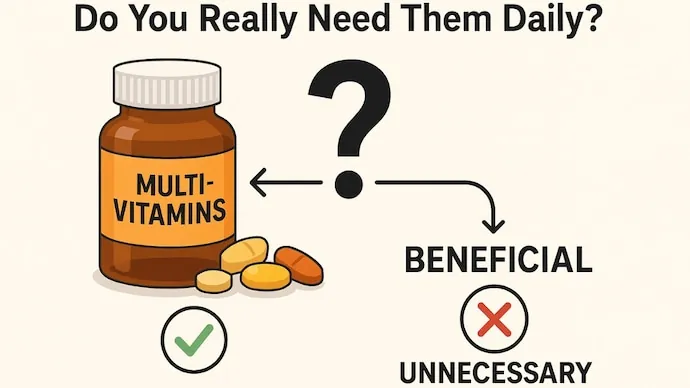
When considering this topic, it is crucial to understand that more is not always safer. Unlike water-soluble nutrients that exit the body through urine, fat-soluble vitamins such as A, D, E, and K behave differently. Because they dissolve in fat, they accumulate in bodily tissues rather than being flushed out quickly. This storage mechanism means that excessive intake can lead to a gradual buildup, eventually reaching levels that cause toxicity.
Think of your body like a sponge. If you keep pouring water on a saturated sponge, it simply drips away. But if you pour oil, it soaks in and stays there. Over time, this retention can strain your system. Health authorities generally advise that individuals with specific, diagnosed deficiencies should supplement under guidance, but for the average person, this accumulation poses a silent risk. Always consult a qualified healthcare professional before starting any new regimen to ensure it aligns with your personal health profile.
Why more is not always better when it comes to micronutrient intake
Marketing often portrays supplements as miracle pills for fatigue or weight loss, yet clinical guidance usually says otherwise. For most people, high-quality evidence does not support broad supplementation for general wellness. Instead of relying on pills, focus on obtaining nutrients from whole foods like salmon, tuna, and dairy, or through safe sun exposure for vitamin D synthesis. This approach minimizes the risk of imbalance while providing complex nutritional benefits that isolated pills cannot replicate.
- Prioritize food first: Whole foods offer synergistic nutrients that work together effectively.
- Avoid self-diagnosis: Vague symptoms like tiredness rarely stem from simple vitamin gaps alone.
- Seek professional testing: Let a provider determine if a true deficiency exists before adding supplements.
Remember, the question of supplementation usually has a negative answer for those eating a balanced diet. Unnecessary supplementation adds cost and potential health risks without proven benefit. If you have specific concerns about your nutrient levels, consider speaking with a registered dietitian or primary care provider to discuss evidence-based strategies tailored to your lifestyle.
When to see a doctor for vitamin concerns
Many people wonder how best to maintain optimal wellness. While marketing often suggests otherwise, most individuals obtain sufficient nutrients through a balanced diet. Before starting any new supplement regimen, it is crucial to recognize specific warning signs that warrant professional evaluation rather than self-treatment.
Red flags requiring professional evaluation before starting any regimen
Certain symptoms should never be ignored or masked with over-the-counter supplements. If you experience persistent fatigue, unexplained weight changes, or chronic bone pain, these could indicate an underlying health issue rather than a simple nutritional gap. Relying on vitamins without a proper assessment may delay necessary medical care for conditions that require specific treatment protocols.
- Persistent exhaustion that does not improve with rest or sleep hygiene adjustments
- Unintended weight loss or gain that cannot be explained by dietary changes
- Recurrent infections or slow-healing wounds that suggest immune system involvement
Additionally, fat-soluble vitamins like A, D, E, and K can accumulate in body tissues, potentially leading to toxicity if taken unnecessarily. Understanding vitamin toxicity risks helps prevent accidental overdose. Always consult a healthcare provider if you suspect a deficiency, as they can determine if supplementation is truly necessary for your unique physiological needs.
The importance of lab testing and physical exams over self-diagnosis
Self-diagnosis based on internet searches or anecdotal evidence is rarely accurate. Clinical guidance usually says that a thorough physical exam and targeted laboratory tests are essential to identify true deficiencies. For instance, while vitamin B12 deficiency is often cited as a cause of tiredness, it affects a small minority of the population. Most cases of fatigue stem from other lifestyle or medical factors.
Similarly, vitamin D levels can be misleading. Research suggests that low levels might be a result of illness rather than the cause, creating a chicken-and-egg scenario. Without blood work, it is impossible to know your baseline. A licensed provider can interpret these results in context, ensuring you do not take supplements that offer no benefit or could interact with other medications. This evidence-based approach ensures safety and efficacy, moving beyond hype to address actual health needs effectively.
Conclusion
Navigating the supplement aisle can feel overwhelming, but the core question remains straightforward: do you need this supplement? For most individuals eating a balanced diet, the answer is often no, as whole foods provide complex nutrients that pills cannot fully replicate. Relying on marketing hype rather than nutritional reality may lead to unnecessary expenses without offering significant health benefits. Instead of seeking a quick fix in a bottle, focusing on diverse, nutrient-dense meals and consistent lifestyle habits offers a more sustainable foundation for long-term wellness.
This perspective matters because it shifts the focus from passive consumption to active, informed choices about what fuels the body. While specific medical conditions or dietary restrictions may warrant professional guidance, general population advice prioritizes food first. If you have concerns about potential deficiencies or unique nutritional needs, consider speaking with a registered dietitian or primary care provider to determine if supplementation is appropriate for your individual situation.
References
- Vitamins and minerals - NHS (nhs.uk)
- B-Complex Vitamins: Benefits, Side Effects, and Dosage (healthline.com)
- Healthy Eating: Choosing Healthy Foods for a Balanced Diet (helpguide.org)