It is easy to dismiss reality television as harmless background noise, yet the emotional toll it takes on viewers and participants alike is becoming impossible to ignore. From the intense scrutiny faced by public figures like Hannah Brown, who described pageant criticism as more damaging than military-style training, to the subtle ways edited narratives shape our self-perception, these programs often prioritize drama over well-being. Understanding why reality shows harm mental health is not about banning entertainment, but about recognizing how constant exposure to conflict, unrealistic beauty standards, and manufactured stress can quietly erode our own sense of stability and self-worth.
This article breaks down five specific mechanisms through which these shows impact psychological health, drawing on general patterns observed in media consumption and personal accounts from those in the spotlight. You will learn what warning signs to watch for in your own viewing habits and how to cultivate a healthier relationship with screen time. By approaching this topic with honesty and care, we aim to provide practical insights that help you protect your peace of mind while navigating a media landscape designed to keep you emotionally engaged.
The Psychological Toll of Public Scrutiny and Criticism
Understanding why reality shows harm mental health requires looking at the intense pressure contestants face. In competitive environments like pageants, participants often endure harsh, personal criticism that can linger long after the cameras stop rolling. For instance, public figures have shared stories of being criticized for natural physical traits or animated expressions, with directors suggesting these inherent qualities needed "fixing." This type of feedback attacks a person’s identity rather than their performance, creating a foundation for lasting anxiety. When individuals are constantly judged on their appearance and demeanor, they may develop hyper-awareness of their body language and speech, leading to chronic stress. This scrutiny is not just about winning or losing; it is about being evaluated as a human being in real time, which can erode self-esteem and create deep-seated insecurities that persist into daily life.
How intense judgment in competitions like pageants creates lasting anxiety
The stress experienced in reality television often surpasses other high-pressure situations because it combines public exposure with personal vulnerability. Unlike traditional competitive fields where feedback is typically professional and private, reality TV broadcasts personal struggles to millions. Contestants may face scenarios that trigger genuine physiological stress responses, such as difficulty breathing or panic, without the immediate privacy to recover. The constant surveillance means there is no safe space to decompress, amplifying the feeling of being trapped. This relentless observation can lead to:
- Heightened self-consciousness in everyday social interactions
- Chronic anxiety about being judged by strangers
- Difficulty trusting interpersonal relationships due to past betrayal or editing
Recognizing these patterns helps explain why the aftermath of such shows can be so challenging. If you find yourself struggling with anxiety or stress related to public perception or past experiences, consider speaking with a mental health specialist who can provide personalized support and coping strategies.
Physical Manifestations of Stress and Anxiety
It is unsettling when emotional tension translates into tangible bodily discomfort. Many people exploring why reality shows harm mental health discover that constant scrutiny triggers a fight-or-flight response, leading to physical symptoms. Emotional distress often manifests as respiratory issues, such as chronic coughing or shallow breathing. This occurs because stress hormones tighten chest muscles and inflame airways, mimicking illness even without infection. For instance, public figures have shared how intense pressure led to persistent coughing fits during travel, highlighting how anxiety disrupts normal breathing patterns. To manage these reactions, consider these grounding techniques:
- Practice diaphragmatic breathing to calm the nervous system.
- Stay hydrated to keep mucous membranes moist and resilient.
- Identify early stress signals before they escalate physically.
Understanding this mind-body link helps you respond with compassion rather than panic. If symptoms persist, consult a healthcare provider to rule out other causes.
The Connection Between Unresolved Stress and Conditions Such as Asthma Flare-Ups
Unresolved stress can exacerbate existing respiratory conditions, including asthma. While stress alone may not cause asthma, it frequently triggers flare-ups in those predisposed to the condition. The inflammation caused by chronic anxiety makes airways more sensitive to environmental triggers like dry cabin air or allergens. A person might experience a sudden onset of coughing or wheezing during high-pressure moments, as seen in accounts of individuals struggling with public scrutiny. This illustrates why reality shows harm mental health, as the relentless exposure can worsen physical vulnerabilities. Practical steps include:
- Keep prescribed rescue inhalers accessible at all times.
- Monitor ear pressure changes during flights to prevent triggering coughs.
- Learn more about managing stress-induced breathing issues for daily relief.
Always follow your clinician’s guidance for medication doses. If you notice new or worsening symptoms, seek professional medical advice promptly.
Distorted Self-Image and Unrealistic Expectations
Understanding this issue requires looking at how production shapes identity. Contestants often face intense scrutiny over their appearance and behavior, as seen when public figures describe directors criticizing natural traits like animated expressions or physical features. This external pressure can distort self-perception, making individuals feel their authentic selves are inadequate. When producers craft specific narratives, participants may internalize these fictionalized versions of themselves, leading to confusion about their true identity. Many report feeling pressured to alter their natural demeanor to fit a cast role, which can erode confidence long after filming ends.
- Producers may request changes to natural behaviors or appearances to fit a storyline.
- Constant criticism of personal traits can lead to lasting insecurity.
- The gap between on-screen persona and real life creates internal conflict.
The impact of producer-driven narratives on personal identity
Narratives are often constructed to maximize drama, not accuracy. Participants might find their complex personalities reduced to single, exaggerated traits. This simplification can make it difficult for them to reconcile their public image with their private reality. If you notice feelings of disconnect after consuming such media, remember that these portrayals are edited products, not reflections of human complexity.
How constant surveillance affects natural behavior and self-perception
Living under 24/7 cameras creates a state of hyper-awareness that disrupts natural behavior. Knowing every gesture is recorded causes many to suppress genuine reactions, leading to a performative existence. This constant monitoring can trigger anxiety and self-doubt, as individuals worry about how every action will be perceived by millions. The stress of being watched can even manifest physically, exacerbating existing health concerns or creating new stress responses. Recognizing this reality involves acknowledging that this level of surveillance is unnatural and psychologically taxing. It is not a sustainable way to live, and the resulting stress can have real-world consequences on well-being.
- Surveillance leads to self-censorship and loss of spontaneity.
- Fear of judgment can cause chronic stress and anxiety.
- Performing for cameras prevents authentic emotional processing.
This content is for reference only and does not replace professional medical advice. If you have concerns about media consumption affecting your mental well-being, consider speaking with a mental health provider.

Recognizing the Symptoms of Reality TV-Induced Distress
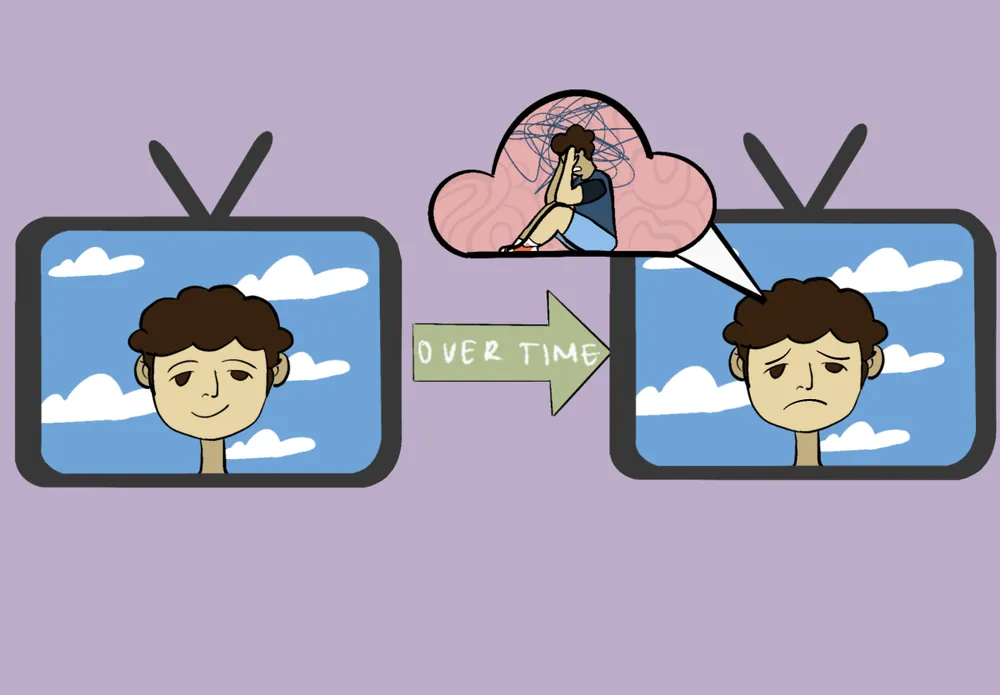
Understanding this process often begins with observing subtle behavioral shifts. The intense scrutiny faced by participants, similar to the public criticism described by former pageant contestants, can trigger deep-seated emotional responses. When individuals feel constantly judged, they may develop heightened anxiety and embarrassment, leading to social withdrawal as a protective mechanism.
- Social avoidance: Skipping gatherings due to fear of judgment or ridicule.
- Heightened self-consciousness: Constant worry about appearance or behavior in public.
- Emotional volatility: Increased irritability or sadness after consuming competitive media.
These signs are not diagnostic but serve as indicators that media consumption is impacting well-being. If you notice these patterns, consider reducing exposure to high-drama content. For more on managing stress, read our guide on sleep hygiene tips.
Physical indicators such as persistent respiratory issues linked to stress
Stress manifests physically, sometimes in surprising ways. As noted in personal accounts, prolonged tension can exacerbate existing conditions like asthma or trigger persistent coughing. One individual described a frightening episode where stress and pressure changes led to breathing difficulties, requiring immediate attention. This illustrates how emotional distress can tighten airways, mimicking or worsening respiratory issues.
- Persistent coughing: A dry, nagging cough that does not resolve with typical remedies.
- Shortness of breath: Feeling unable to take a deep breath during stressful moments.
- Chest tightness: A sensation of pressure or constriction in the chest area.
While these symptoms can stem from various causes, including allergies or infections, chronic stress is a known contributor. It is crucial to consult a healthcare professional for proper evaluation rather than self-diagnosing. Understanding this condition includes recognizing these physical tolls, ensuring you prioritize both emotional and physical safety.
When to Seek Professional Help
Understanding this issue often begins with recognizing when media consumption shifts from entertainment to a genuine stressor. If you find yourself feeling unusually anxious, inadequate, or emotionally drained after watching competitive programs, it is vital to identify specific warning signs. These indicators suggest that exposure may be triggering a deeper crisis rather than just temporary disappointment.
- Persistent mood changes: Feeling sad, irritable, or hopeless for days after viewing content.
- Social withdrawal: Avoiding friends or family because of negative self-comparisons fueled by edited narratives.
- Physical tension: Experiencing headaches, stomach issues, or sleep disturbances linked to viewing habits.
Recognizing these red flags early allows you to step back and prioritize your well-being before symptoms intensify. It is not about blaming yourself for reacting to intense programming, but rather acknowledging that your emotional response is valid and deserves attention.
Why consulting a healthcare provider is crucial for persistent physical and emotional symptoms
When emotional distress manifests physically, such as the respiratory issues or chronic coughing described in personal accounts of high-stress environments, professional guidance becomes essential. While stress can exacerbate conditions like asthma, only a licensed clinician can determine if symptoms stem from anxiety, underlying medical issues, or a combination of factors. Ignoring persistent signs can lead to worsening health outcomes.
Health authorities generally advise seeking care when symptoms interfere with daily life. A provider can offer tailored strategies, ensuring that treatment addresses the root cause rather than just surface-level discomfort. This approach is particularly important because this condition is often tied to how our bodies process prolonged scrutiny and pressure. Do not attempt to self-diagnose complex interactions between stress and physical health. Instead, use these insights to start an informed conversation with a qualified specialist who can provide safe, personalized support.
The Bottom Line
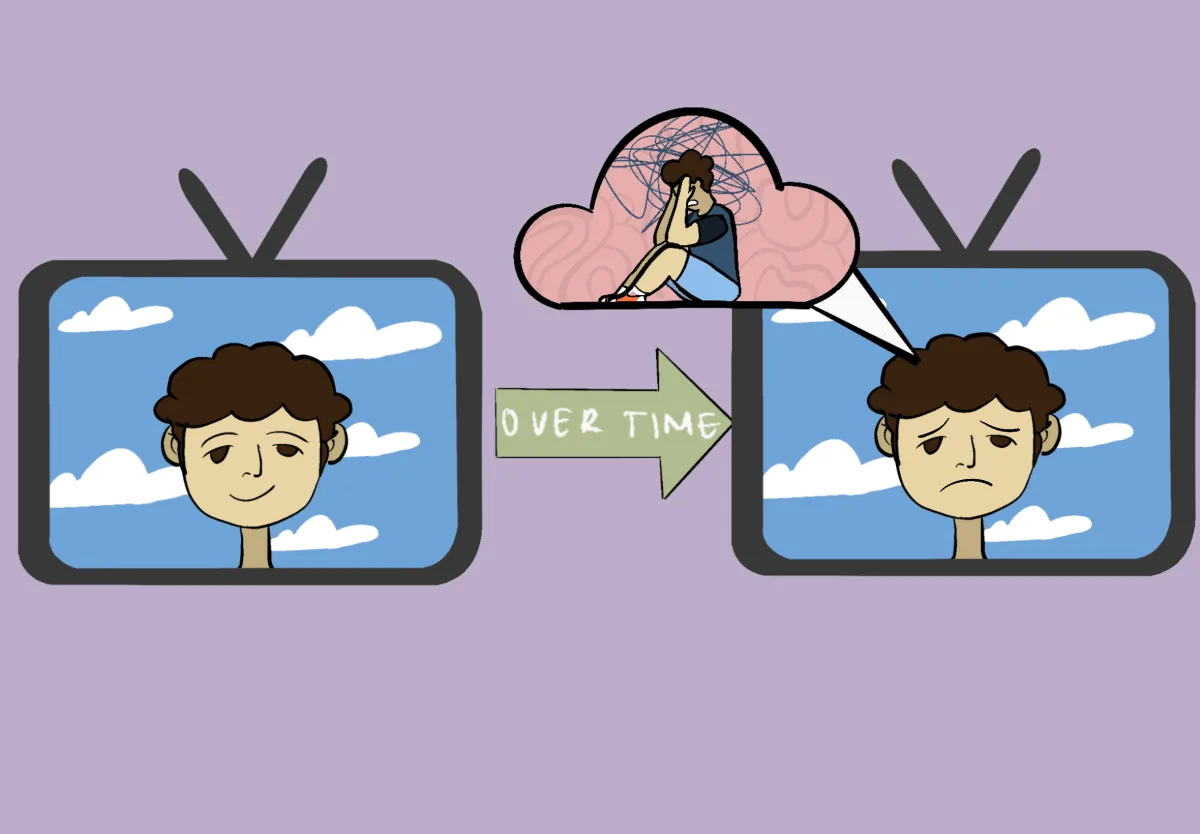
It is completely understandable to feel unsettled after binge-watching high-drama television. Recognizing the method is not about blaming yourself for enjoying entertainment, but rather about understanding how curated conflict and unrealistic standards can subtly influence your self-perception and mood. By staying aware of these production tactics, you can create healthier boundaries around your media consumption without giving up leisure time entirely.
Consider balancing screen time with activities that ground you in real-life connections, such as reading, walking, or spending quality moments with friends. If you notice that certain programs consistently leave you feeling anxious or inadequate, it may be helpful to swap them for content that inspires or relaxes you. Remember, this information is for reference only and does not replace professional medical advice. If these feelings persist or interfere with daily life, consider speaking with a mental health provider who can offer personalized support.
References
- The Benefits of Mental Health and Wellbeing (positivepsychology.com)
- Toxic Workplace Behaviors That Harm Mental Health | LinkedIn (linkedin.com)