Public life often demands a level of physical and emotional resilience that can strain even the healthiest routines. When constant scrutiny meets irregular schedules, basic self-care habits like hydration, sleep consistency, and stress management frequently take a backseat to professional obligations. Understanding the bachelor impact on well-being reveals how high-pressure environments can trigger or exacerbate underlying health issues, from respiratory challenges to persistent anxiety, reminding us that visibility does not equal invincibility.
This discussion explores the intersection of mental fortitude and physical health through real-world examples of navigating public criticism and medical emergencies under the spotlight. By examining how stress manifests in the body—such as through prolonged coughing fits or heightened sensitivity to environmental changes—we can better recognize the signs that our own daily habits may need adjustment. The goal is to provide practical, lifestyle-focused insights that help readers prioritize their health without needing a medical degree to interpret the signals their bodies send.
Readers will learn to identify common stress-related physical responses and discover actionable strategies for maintaining balance in demanding situations. While this content summarizes general observations and shared experiences, it is not a substitute for professional medical advice. If you experience persistent symptoms or have concerns about your health, consider speaking with a primary care provider or a relevant specialist to ensure you receive personalized guidance appropriate for your specific needs.
The Psychological Toll of Reality TV Scrutiny
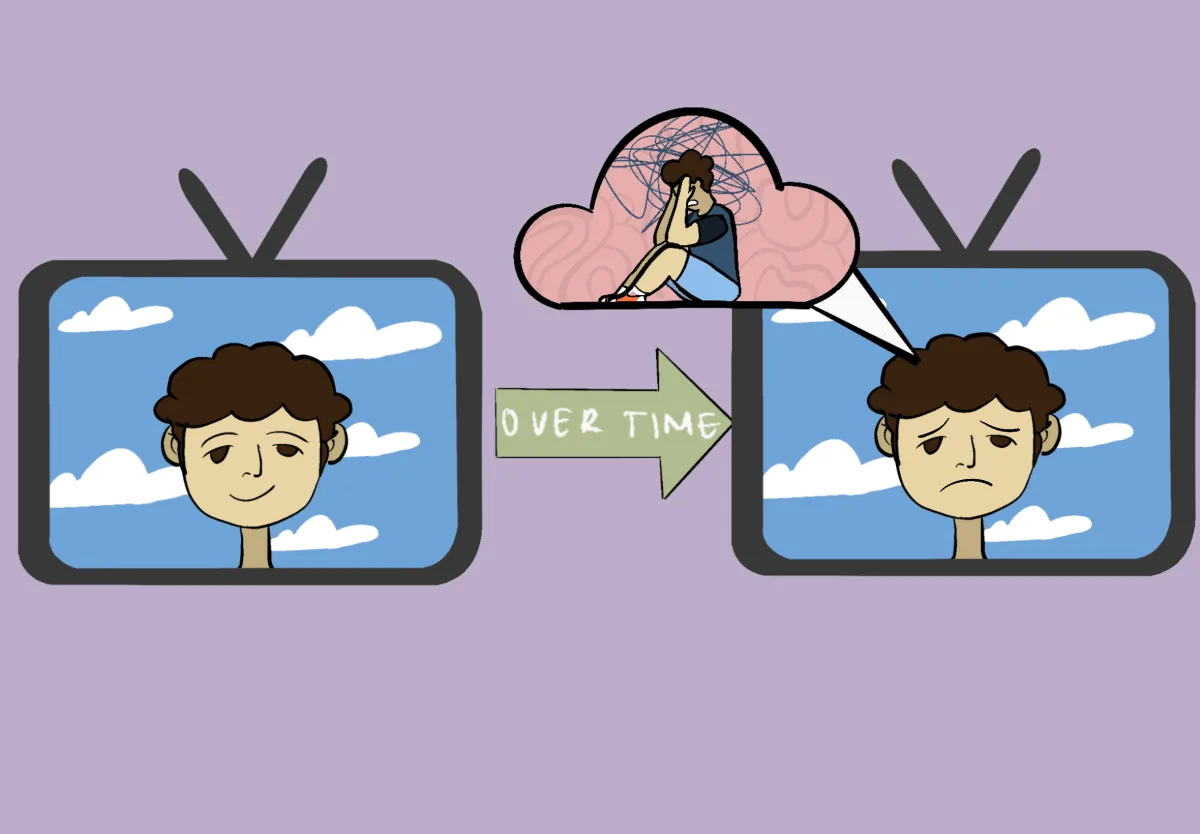
Public exposure often triggers intense self-image struggles. Participants face relentless commentary on their appearance, which can distort personal identity and confidence. This dynamic highlights a significant bachelor impact on well-being, as constant evaluation creates lasting mental strain.
- Unrealistic beauty standards set by producers create unattainable goals.
- Social media amplifies negative feedback, extending scrutiny beyond filming.
- Physical changes are often criticized harshly, affecting body perception.
How public criticism and unrealistic beauty standards affect self-image
Criticism frequently targets physical traits, leading individuals to internalize negative views. When editors highlight specific flaws, viewers adopt these judgments, causing participants to question their worth. This pressure mimics clinical anxiety patterns, though it stems from external validation rather than internal pathology. Many report feeling unable to escape the gaze of millions, which disrupts daily functioning and sleep hygiene.
Comparing the intensity of pageant pressure versus reality television exposure
Pageants involve structured judgment, but reality TV offers unpredictable, raw exposure. Former contestants note that pageant critique felt controlled, whereas television edits can manipulate narratives without consent. The lack of control over one’s story intensifies stress. Unlike pageants, where rules are clear, reality shows thrive on drama, leaving participants vulnerable to misrepresentation. This unpredictability exacerbates the bachelor impact on well-being, making recovery challenging. If you experience persistent distress from public attention, consider speaking with a mental health specialist.
Physical Manifestations of Chronic Stress
Chronic anxiety does more than affect mood; it can trigger tangible physical responses. Research suggests that stress hormones may tighten airways, potentially exacerbating conditions like asthma. This connection highlights the significant impact on well-being, where prolonged public scrutiny and lifestyle changes create sustained tension. When the body remains in a heightened state of alert, respiratory muscles may constrict, making breathing feel labored even without an allergic trigger. Understanding this link helps individuals recognize that breathlessness is not always purely physiological but can be a somatic expression of mental strain.
Understanding how anxiety can trigger or exacerbate respiratory issues like asthma
Stress acts as a potent catalyst for respiratory distress. For those with pre-existing conditions, anxiety can lower the threshold for an attack. Common signs include:
- Tightness in the chest during high-pressure situations
- Increased reliance on rescue inhalers without environmental triggers
- Shallow, rapid breathing patterns that fail to satisfy oxygen needs
Managing these episodes often requires addressing the underlying emotional drivers alongside medical care.
Recognizing persistent coughing and breathing difficulties as potential stress responses
A lingering cough may signal more than a cold. As seen in high-stress careers, persistent throat clearing or coughing can stem from nervous system dysregulation rather than infection. If standard treatments fail, consider:
- Evaluating recent life stressors or major transitions
- Noticing if symptoms worsen during anxious moments
- Consulting a provider to rule out other causes like reflux
Always seek professional guidance for persistent symptoms. This overview illustrates the complex relationship, reminding us that mental health deeply influences physical resilience.
Symptoms and Warning Signs to Monitor
Understanding this dish requires vigilance regarding respiratory changes. While stress can trigger physical responses, persistent symptoms demand attention. Watch for these critical indicators:
- Prolonged coughing fits that persist for weeks without clear resolution.
- Inability to manage breathlessness, especially during routine activities or travel.
- Recurring need for rescue inhalers after long periods of non-use.
As seen in public accounts, a cough triggered by pressure changes may signal deeper issues than simple asthma. If breathing becomes difficult, do not ignore it. Consult a healthcare professional to rule out infections or other underlying causes rather than assuming it is merely stress-related.
Noticing physical habits like ear pressure manipulation that may indicate underlying inflammation
Physical habits often reveal hidden discomfort. Some individuals manipulate ear pressure to relieve sensations of fullness or itching. This behavior may point to Eustachian tube dysfunction, where inflammation prevents proper pressure equalization. Consider these signs:
- Frequent throat clearing or unique swallowing delays.
- Sensation of fluid or pressure in the ears.
- Vibrating or scratching motions near the ear canal to relieve itch.
These actions suggest the airway is reacting to inflammation, possibly from allergies or infection. For more on managing daily health habits, see healthy daily habits. Remember, the method highlights how public scrutiny can mask personal health struggles. Always seek guidance from a qualified provider for persistent symptoms instead of self-diagnosing based on online content.
When to Seek Professional Medical Help
Recognizing this involves distinguishing between manageable stress and serious health issues. Home remedies often suffice for minor discomforts, but persistent symptoms require clinical evaluation. If a simple cough evolves into breathing difficulties lasting months, or if over-the-counter solutions fail to resolve chronic inflammation, it is time to consult a provider. Do not ignore signs like sudden ear pressure changes triggering uncontrollable reactions, as these may indicate underlying anatomical or inflammatory issues rather than temporary irritation.
- Symptoms persisting beyond two weeks despite home care
- Sudden onset of breathing difficulty or chest tightness
- Recurring issues that disrupt daily sleep or work
Differentiating between temporary environmental triggers and chronic conditions is vital. A single stressful event might cause short-term sleeplessness, but ongoing anxiety affecting physical health suggests a deeper problem. Understanding this helps identify when lifestyle adjustments are insufficient. For instance, if throat clearing becomes a habitual response to sinus pressure, it may signal Eustachian tube dysfunction rather than a simple cold. Always seek guidance from a qualified healthcare professional to determine if symptoms stem from transient factors or require long-term management strategies.
The Role of the Eustachian Tube in Stress-Related Symptoms
Understanding this often involves looking at how public scrutiny triggers physical responses. The eustachian tube connects the middle ear to the back of the throat, acting as a pressure valve. When stress or inflammation affects this area, symptoms can escalate quickly.
Explaining the connection between sinus pressure, allergies, and ear discomfort
Many people report that high-stress environments exacerbate existing conditions like asthma or allergies. If the eustachian tube becomes inflamed due to viral infections or anatomical issues, it fails to equalize pressure effectively. This dysfunction leads to:
- Persistent coughing triggered by pressure changes
- A sensation of fluid or fullness in the ears
- Difficulty swallowing or throat tightness
These physical reactions are not just mental; they are mechanical responses within a unified airway system that requires careful management.
How inflamed airways can mimic other conditions and require proper diagnosis
Symptoms such as chronic coughing or ear popping are frequently misinterpreted. What appears to be an asthma attack might actually stem from eustachian tube dysfunction or acid reflux. Because these conditions overlap, self-diagnosis is risky. Clinical guidance usually suggests evaluating the entire respiratory pathway rather than treating isolated symptoms. To address the method accurately, individuals should consult a qualified healthcare professional. They can determine if the issue is allergic, infectious, or structural, ensuring the prescribing clinician sets the appropriate treatment plan based on specific physiological needs.
Strategies for Maintaining Health in High-Pressure Environments
Public scrutiny and demanding schedules can significantly affect physical health, as seen in discussions around this version. Even when you feel fine, carrying essential medications is critical. For instance, individuals with asthma should keep their inhalers accessible, even if they have not used them in years. Sudden environmental changes, like air pressure shifts during travel, can trigger unexpected symptoms such as persistent coughing or breathing difficulties. Being prepared prevents minor issues from escalating into emergencies.
- Keep rescue medications in your daily bag, not just at home.
- Check expiration dates regularly to ensure efficacy.
- Recognize early warning signs like throat tightness or unusual coughing.
Building a robust support system is equally vital. This includes honest medical consultations and professional therapy to manage stress. Many people report that having a trusted healthcare provider helps distinguish between anxiety-induced symptoms and physical conditions. For more on managing stress, read our guide on sleep hygiene tips. Always consult a qualified professional for personalized advice rather than self-diagnosing based on online information.
The Importance of Carrying Essential Medications Like Inhalers Even When Asymptomatic
Health authorities generally advise that individuals with chronic conditions remain prepared for flare-ups. Symptoms can emerge without warning, especially under high stress or during travel. Carrying prescribed devices ensures immediate response capability, reducing panic and potential complications.
Building a Support System That Includes Therapy and Honest Medical Consultations
A strong network includes mental health professionals who can help navigate the pressures of public life or high-stress jobs. Open communication with doctors allows for accurate assessment of symptoms, ensuring that treatment aligns with actual needs rather than assumptions. If you have specific concerns, consider speaking with a primary care provider or specialist.
Key Takeaways
Understanding this topic requires looking beyond stereotypes to examine daily habits and social structures. Research suggests that single individuals often have more flexibility to prioritize sleep hygiene, nutrition, and physical activity without the compromises inherent in shared living. However, this autonomy can sometimes lead to isolation if intentional efforts to maintain social connections are not made. The key is recognizing that relationship status is just one variable among many, including income, community support, and personal resilience, that shape overall health outcomes.
Ultimately, there is no universal rule that marriage guarantees happiness or that single life ensures freedom from stress. Your experience will depend heavily on your specific circumstances, values, and support networks. If you are concerned about how your lifestyle affects your mental or physical health, consider speaking with a primary care provider or a mental health specialist. This content is for informational purposes only and does not replace professional medical advice, diagnosis, or treatment.
References
- How Does The Bachelor Impact Your Mental Health? | Glasp (glasp.co)
- The Bachelor: Impact of Joey Graziadei and... - UMA Technology (umatechnology.org)