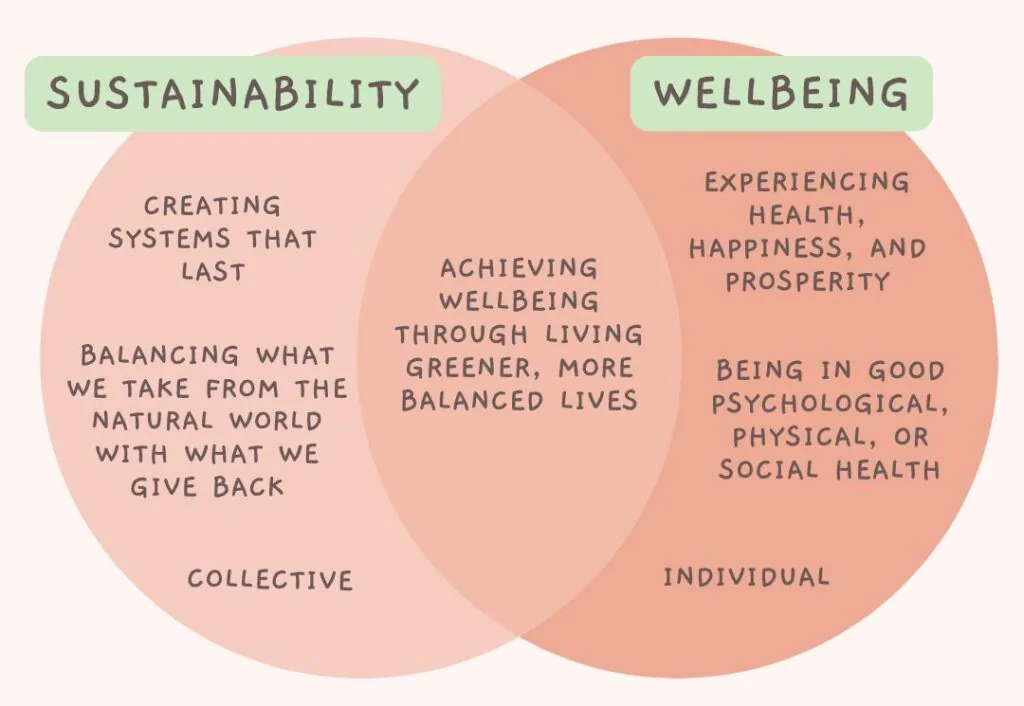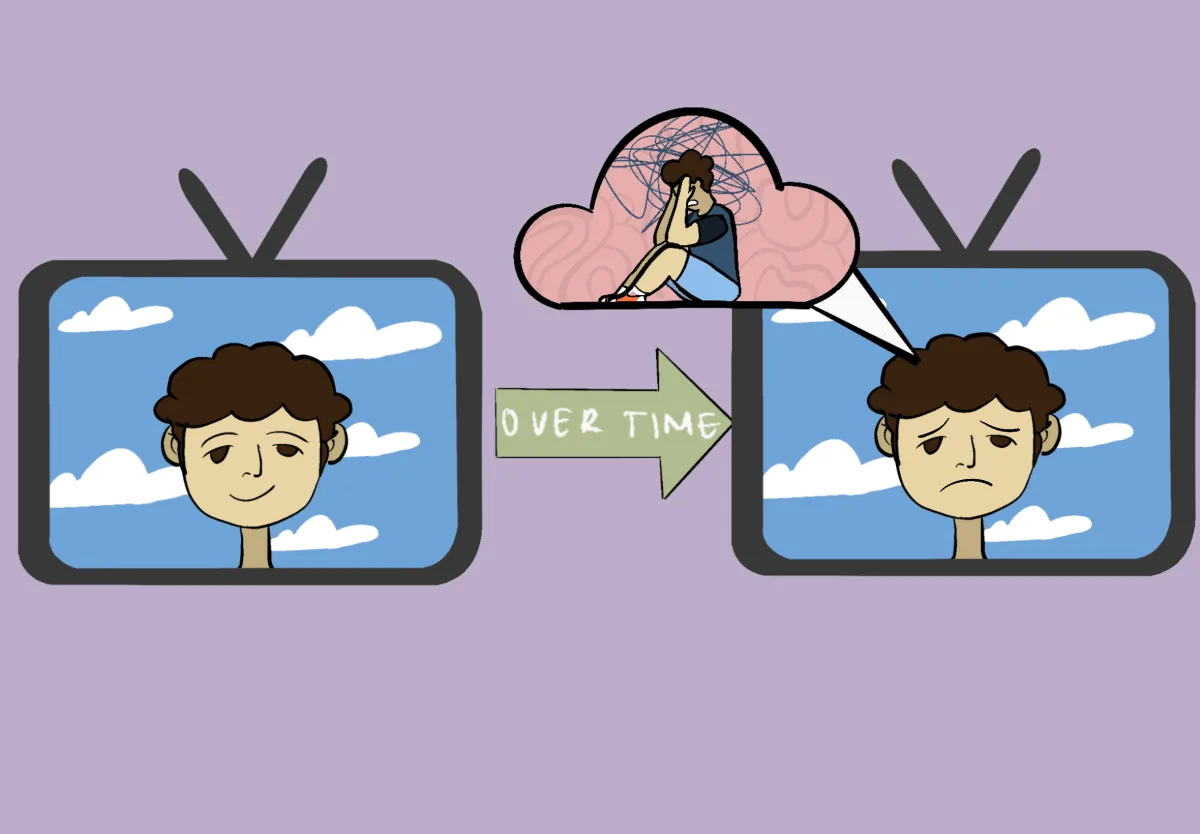
That sudden, warm comfort triggered by a familiar scent or an old song is more than just a pleasant distraction; it is a psychological anchor. While the term originally described a painful longing for home among soldiers in the 1600s, modern understanding has shifted away from viewing nostalgia as a disorder. Instead, research suggests it serves as a stabilizing force during times of transition, helping individuals find meaning in past accomplishments to fuel motivation for future challenges.
Understanding how nostalgia boosts well-being requires recognizing the role of memory’s imperfections. Our brains often engage in "rosy retrospection, " filtering out stressful details to highlight positive emotions, which can make the past seem superior to a worry-filled present. This cognitive bias is not a flaw but potentially a survival tool, allowing people to construct a coherent narrative of their lives and maintain emotional balance when facing uncertainty.
This article explores the dual nature of nostalgic reflection, weighing its benefits for mental resilience against the risks of excessive disconnection from the present. By examining how sensory triggers influence these memories and distinguishing between healthy reminiscence and pathological avoidance, readers can learn to harness this emotion effectively. Please note that this content is for informational purposes only and does not replace professional medical advice; if emotional distress persists, consider speaking with a mental health provider.
From Neurologic Disorder to Emotional Strength
The historical shift from viewing nostalgia as a disease to a stabilizing force
Historically, nostalgia was misclassified as a neurologic disorder affecting soldiers abroad, derived from Greek terms for homecoming and pain. By the 19th century, it shifted to a psychological concern, with experts fearing excessive past focus hindered present living. Modern understanding rejects this pathologizing view. Research suggests nostalgia is now recognized as a stabilizing force that provides meaning. While memory is imperfect and subject to rosy retrospection, this cognitive bias can serve as a survival tool. It filters stressful details, allowing individuals to extract positive motivation. Understanding how nostalgia boosts well-being involves recognizing this evolution from perceived illness to a valuable emotional resource that helps humans create meaning in a confusing world.
How nostalgic feelings provide comfort during times of change and transition
During significant life transitions, nostalgic feelings often emerge to offer calm and motivation. This is not about rejecting the present but leveraging past accomplishments to face future challenges. Sensory triggers, particularly music and scents, frequently activate these memories. However, balance is crucial. Healthy nostalgia differs from pathological historical nostalgia, where one disconnects from reality to recreate the past. Consider these practical approaches:
- Use sensory cues like songs to spark positive reflection without dwelling.
- Recognize memory’s imperfection to avoid idealizing the past unfairly.
- Focus on extracting meaning rather than escaping current responsibilities.
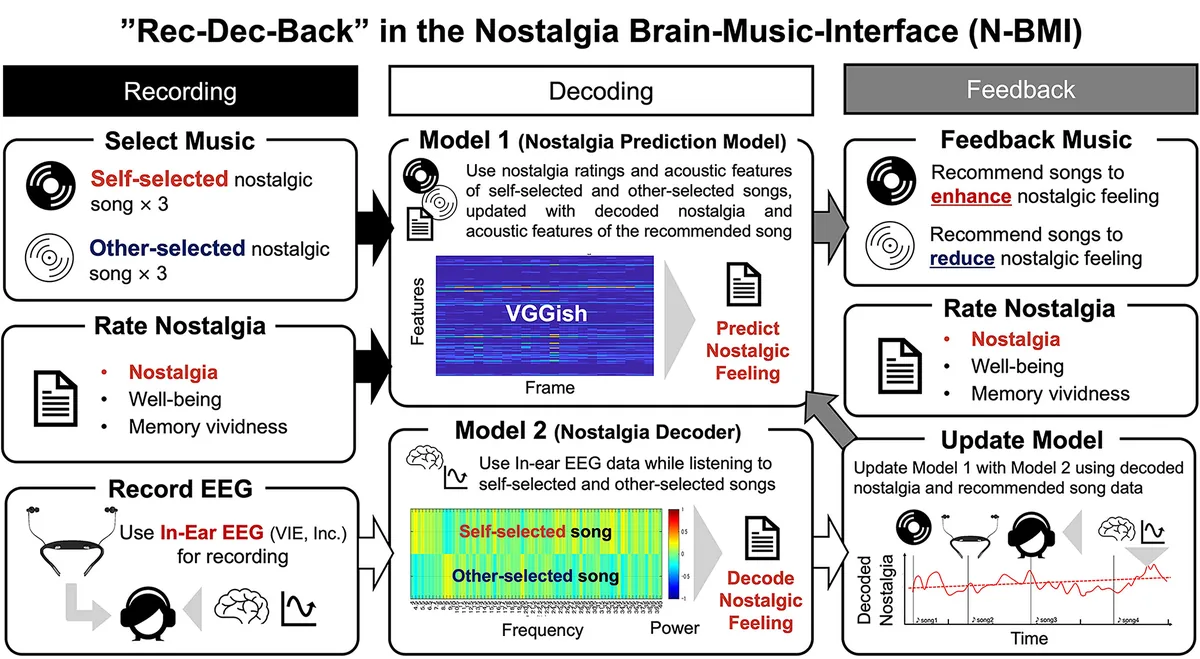
The Science Behind Nostalgic Triggers
Understanding how nostalgia boosts well-being requires examining sensory inputs. Music and scent act as potent connectors because they link directly to emotional memory centers. Unlike visual cues, these triggers often bypass logical processing, creating immediate, visceral responses.
- Olfactory links: Smells like perfume or home cooking can instantly transport you to specific past moments.
- Auditory cues: Hearing a song from your youth often recalls the exact context of when you first heard it.
- Emotional resonance: These senses stabilize feelings during life transitions, offering comfort rather than just escapism.
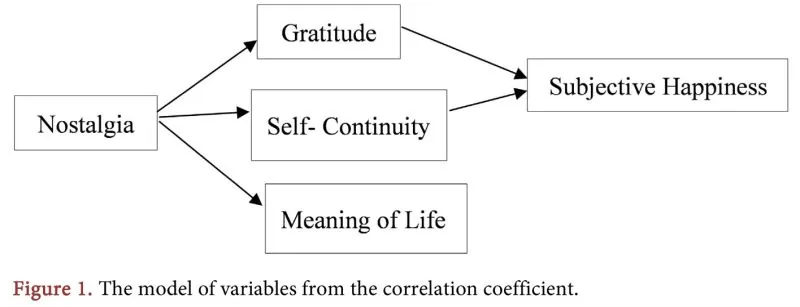
This sensory bridge helps individuals find meaning in past accomplishments, providing motivation for current challenges. It is not about rejecting the present but using positive memories to anchor oneself.
Why music and scent are powerful connectors to past memories
The role of rosy retrospection in filtering out stress for motivation
Rosy retrospection describes the cognitive bias where people recall past events more positively than they experienced them. Memory is imperfect; over time, the brain filters out stressful details, leaving a polished, motivating narrative. This mechanism serves as a survival tool, fostering resilience by emphasizing meaning over hardship.
- Stress reduction: By omitting anxiety-inducing details, the mind creates a safer mental space.
- Future focus: Positive reminiscence reduces worry about the unknown, allowing better engagement with current goals.
- Motivational boost: Viewing past successes as seamless encourages confidence in handling new obstacles.
While excessive dwelling can be counterproductive, balanced reflection supports mental health. If nostalgic feelings become overwhelming or interfere with daily functioning, consider speaking with a mental health specialist. This content is for reference only and does not replace professional medical advice.
Signs That Nostalgia Is Supporting Your Mental Health
Understanding how nostalgia boosts well-being involves recognizing specific emotional cues. It is not merely dwelling on the past, but using it as a stabilizing force during life transitions.
Experiencing a warm, comforting feeling when reminiscing about meaningful events
This sensation often arises from sensory triggers, such as hearing a familiar song or smelling a specific scent. These inputs activate brain regions linked to memory, creating a sense of safety. Unlike pathological fixation, this response is calming and grounding. It helps individuals navigate uncertainty by connecting them to positive personal history. The key distinction lies in the emotion’s quality: it feels uplifting rather than painful. Many people report that these moments provide temporary relief from current stressors, allowing them to reset emotionally. This process highlights understanding emotional triggers as a vital part of mental resilience. It is a natural mechanism for finding comfort without escaping reality entirely.
Using past accomplishments to find meaning and drive for future goals
Rather than viewing the past as superior, healthy nostalgia extracts motivation from previous successes. It reminds individuals of their capacity to overcome challenges, fostering confidence for upcoming tasks. This approach transforms memory into a practical tool for goal setting. Key indicators include:
- Feeling inspired to tackle new projects after recalling past achievements
- Using previous learning experiences to inform current decisions
- Maintaining a sense of continuity and identity during major life changes
When Nostalgia Becomes Pathological or Harmful
While understanding this emotion is valuable, it is crucial to recognize when it shifts from a comforting anchor to a harmful escape. Historical nostalgia occurs when an individual idealizes a specific era, often disconnecting from the realities of the present. This mindset can lead to persistent dissatisfaction with current life, driven by the belief that the past was inherently superior.
- Idealizing past decades while rejecting modern conveniences
- Feeling chronic resentment toward current societal norms
- Attempting to recreate outdated lifestyles without adaptation
This desire to disconnect often stems from rosy retrospection, a cognitive bias where negative details fade, leaving only positive memories. If you find yourself consistently unhappy because today does not match your memory of yesterday, it may be time to reevaluate your perspective.
Recognizing When Dwelling on the Past Prevents Engagement With Current Life
Dwelling on the past becomes problematic when it inhibits your ability to engage with the present moment. Instead of using memories for motivation, some individuals use them to avoid current stressors or future uncertainties. This avoidance can stall personal growth and prevent meaningful connections in the here and now.
- Avoiding new opportunities due to fear of change
- Comparing current relationships unfavorably to idealized past ones
- Spending excessive time reminiscing rather than acting
Memory is an imperfect tool, often editing out stress to create a smoother narrative. Recognizing this bias helps maintain balance. If nostalgia feels like a burden rather than a boost, consider speaking with a mental health professional to explore healthy coping strategies.
Red Flags and When to See a Doctor
While understanding this topic is valuable, it is crucial to recognize when reminiscing shifts from comforting to harmful. Nostalgia becomes problematic if thoughts are dominated by regret or loss rather than warmth. Healthy reflection motivates future goals, whereas unhealthy fixation often involves rejecting the present entirely.
- Rosy retrospection: Acknowledge that memory is imperfect. Your brain may filter out past stress, making previous eras seem superior to reality. This cognitive bias can distort your perception of current challenges.
- Present disconnection: Be wary if you actively hate current circumstances solely because they differ from the past. Using history to escape rather than find meaning indicates an imbalance.
- Emotional tone: Notice if memories trigger sadness or longing for what is gone, rather than gratitude for what was experienced. The goal is stabilization, not mourning.
Seeking Professional Help
If nostalgic patterns lead to persistent depression or an inability to function in daily life, professional support is advisable. While nostalgia generally serves as a stabilizing force during transitions, excessive rumination can hinder progress. If you find yourself unable to engage with the present due to constant comparison with an idealized past, consider speaking with a mental health provider. They can help distinguish between healthy meaning-making and pathological avoidance. Remember, this content is for reference only and does not replace professional medical advice. For personalized concerns, consult a licensed psychologist or counselor who specializes in cognitive behavioral strategies.
Practical Ways to Harness Nostalgia for Well-Being
Understanding this method involves recognizing its roots as a stabilizing force during life transitions. Rather than viewing the past through a distorted lens of perfection, individuals can curate specific sensory inputs to access positive emotions without ignoring current realities. Practical methods include:
- Creating themed playlists that recall moments of personal achievement or joy.
- Organizing physical photo collections to visualize growth rather than loss.
- Identifying scents, such as familiar perfumes, that trigger comforting associations.
These triggers act as anchors, providing motivation by reminding us of meaning derived from past experiences. For more on building emotional resilience, see building daily habits.
Balancing reflection on the past with active participation in the present
While reminiscing offers comfort, excessive focus on the past can lead to disconnection from current life. This imbalance often stems from cognitive biases where the brain filters out past stressors, making previous eras seem superior to the challenging present. To maintain mental health, one must distinguish between healthy reflection and pathological avoidance. Key strategies include:
- Acknowledging that memory is imperfect and often omits difficult details.
- Using past successes as fuel for future goals rather than escape routes.
- Limiting time spent comparing current struggles to idealized historical narratives.
This approach ensures nostalgia serves as a tool for meaning-making rather than a barrier to progress. If feelings of distress persist, consider speaking with a mental health provider.
Conclusion
Understanding this version reveals that this emotional state is less about escaping the present and more about reinforcing social bonds and personal continuity. Research suggests that reflecting on positive past experiences can counteract feelings of isolation, providing a psychological buffer during stressful periods. However, it is important to distinguish between adaptive reminiscence and rumination, as the latter may hinder progress. The key lies in using these memories to fuel current connections rather than dwelling exclusively on what has passed.
To apply this insight, start by scheduling a brief weekly call with an old friend or family member to share specific, positive memories. Alternatively, keep a small journal where you note one meaningful past event and link it to a current value or relationship. These concrete steps help transform passive reflection into active engagement. If feelings of sadness persist or interfere with daily functioning, consider speaking with a mental health professional for personalized guidance.
References
- How Nostalgia Boosts Your Health And Wellbeing | Rittenhouse... (rittenhousevillages.com)
- The Stranger Things effect: why nostalgia builds connection and... (patient.info)
- How Nostalgia Can Be Good for Your Health and Well-Being. (jivatmayogacenter.com)