
Strange times tend to leave strange marks. A crisis that forces everyone to keep their distance, to read a room for danger, to stay on guard — those habits don't simply switch off when the emergency fades. Many people learned new ways of coping that were genuinely useful at the time, and then found that the same reflexes kept running long after the situation changed. That gap between how we adapted and how we're living now is often where the harder questions about mental health begin.
What makes this complicated is that the same experience lands differently on different people. Some had space, steady work, reliable internet, and room to step outside; others were on the front lines, lost people close to them, or are still dealing with lingering effects that no one fully understands yet. A student who struggled in a crowded classroom may have thrived at home, while another who relied on that structure fell apart without it.
Understanding adult mental health challenges starts with accepting that there is no single pattern — and that struggling and growing can genuinely happen at the same time.
This article looks at how prolonged stress can shake a person's core beliefs about the world and themselves, why recovery and resilience don't mean the same thing, and what post-traumatic growth actually describes. You'll also find one practical, low-pressure place to start: putting the experience into words, whether in a notebook or through some other form of reflection. Most people do recover with time and support, though the path varies. This is general information rather than a diagnosis or a plan tailored to you — if something you're feeling is persistent or getting in the way of daily life, a licensed mental health professional is the right person to talk it through with.
Why Adult Mental Health Challenges Can Feel Harder in Uncertain Times
How collective stress, disrupted routines, and ongoing uncertainty affect emotional well-being
Shared crises can act like a collective trauma, challenging core beliefs about safety and the future. When routines break down, the nervous system stays on high alert — a state called hypervigilance. Many people feel tense, scan for danger, or struggle to relax. Understanding adult mental health challenges means seeing these as common stress reactions, not personal weakness.
Ongoing uncertainty prevents full recovery. This can show up as:
- Sleep problems
- Difficulty focusing or deciding
- Irritability or worry
These responses are normal, but when they persist, they wear a person down.
Why the pandemic led even some people who had never sought therapy before to look for professional help
The pandemic was a prolonged, unpredictable stressor that disrupted life at once. Usual coping — friends, gym, family hugs — became unavailable. Even people who had never considered therapy found their support systems stretched thin. As one person in the video shares, it was the first time he sought professional help. That experience is not unusual.
Importantly, the psychological impact did not vanish with vaccines. There is no vaccine for grief, anxiety, or exhaustion. People were affected differently: some had space, remote work, and reliable internet; others were essential workers facing ongoing exposure. For many, a therapist offered a structured way to process events. A practical tip from the video: write about your experience for a short, set time — like 20 minutes for a few days — to build a narrative. If you have a specific concern, consider speaking with a licensed mental health provider, such as a psychologist, psychiatrist, or therapist. This information is for reference only and does not replace professional medical advice. Fact-checked.
How Trauma, Hypervigilance, and Changed Beliefs Show Up in Adults
What it means when core beliefs about safety, other people, and yourself are challenged
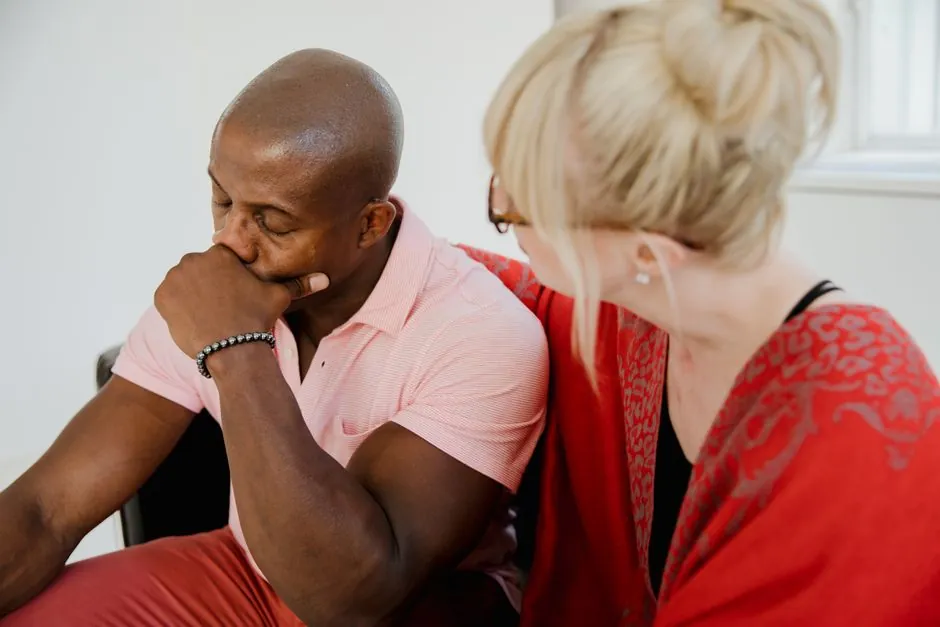
In psychology, trauma can be understood as an experience that shakes your core beliefs—about the world being safe, other people being reliable, and yourself being capable. This is central to understanding adult mental health challenges. When those assumptions crack, everyday situations can feel unpredictable. A person might start scanning for threat, doubting their own judgment, or expecting harm from others. This isn't a sign of weakness; it's a common stress response. Many people report that even after an immediate danger passes, their body and mind stay on high alert. Clinical guidance usually says these reactions can persist because the nervous system learned to protect you.
Why habits like being on guard, distancing, and relying on masks for safety can linger after the immediate threat eases
Hypervigilance—being constantly on guard—and social distancing can become automatic habits. Wearing a mask, for example, may have created a sense of safety during the pandemic. Once the threat eases, those behaviors don't simply switch off. Research suggests that the brain keeps using strategies that once worked. Common lingering patterns include:
- Scanning crowds for potential danger
- Avoiding close contact or emotional vulnerability
- Using literal or social "masks" to hide distress
- Feeling uneasy when relaxing your guard
An analogy: a smoke alarm that keeps chirping after the fire is out. Some people move toward post-traumatic growth—clarifying values and building new strengths—while others struggle longer. Writing a narrative of what you went through, even briefly over several days, can help. Both struggle and growth can coexist. This information is for reference only and does not replace professional medical advice. If you have a specific concern, consider speaking with a psychiatrist or licensed therapist.
How Adult Mental Health Challenges Present: Symptoms to Recognize
Emotional, cognitive, physical, and behavioral signs such as anxiety, low mood, sleep problems, trouble focusing, and avoidance
Understanding adult mental health challenges starts with noticing patterns. Signs often fall into four overlapping areas:
- Emotional: persistent anxiety, low mood, irritability, or feeling overwhelmed.
- Cognitive: trouble focusing, racing thoughts, or difficulty making decisions.
- Physical: sleep problems (too much or too little), fatigue, headaches, or appetite changes.
- Behavioral: avoiding people or situations, withdrawing from hobbies, or increased substance use.
These signs can be subtle and may come and go. The pandemic, for instance, led many to develop hypervigilance — a heightened state of alertness — that can linger even as restrictions lift. Not everyone reacts the same; some people thrive in isolation while others struggle. Clinical guidance usually says that if symptoms persist or disrupt daily life, a professional evaluation can help clarify what’s going on.
How the same symptoms can affect work, relationships, parenting, and daily responsibilities in different ways
The same symptoms can ripple across every role. At work, trouble focusing or anxiety may cause missed deadlines or friction with coworkers. In relationships, avoidance or irritability can create distance or misunderstandings. For parents, low mood or sleep problems can make patience and consistency harder, which may affect a child’s sense of security. Daily tasks like cooking, cleaning, or paying bills may feel overwhelming. This is part of the picture: context shapes impact.
Research suggests most people recover from trauma, and some experience post-traumatic growth — a deeper sense of purpose or new priorities. A practical tip from experts: writing about your experience for short, repeated periods can help you form a narrative and get unstuck. If you have a specific concern, consider speaking with a licensed mental health provider. This information is for reference only and does not replace professional medical advice.
When to See a Doctor or Mental Health Professional for Adult Mental Health Challenges
This starts with knowing that ups and downs are normal, but patterns matter. As the video above notes, hard seasons — a pandemic, a loss, a big life change — can shake our sense of safety and connection, and there is no vaccine for that psychological toll. Most people do recover; the timing just differs from person to person.
Red flags include symptoms that persist, worsen, or interrupt sleep, work, relationships, or basic daily functioning
A rough week is not the same as a rough month. Clinical guidance usually suggests an evaluation when changes last longer than expected, get worse over time, or spill into daily life. Practical signs:
- Sleep that stays disrupted — trouble falling or staying asleep, or sleeping far more than usual.
- Work or study slipping: missed deadlines, poor focus, avoiding tasks you used to handle.
- Withdrawing from people, or irritability that strains relationships.
- Losing interest in things that once felt meaningful.
A useful tip: jot down dates and patterns for about two weeks. That record helps a clinician see the arc, not just one bad day.
Seek urgent help for thoughts of self-harm, substance misuse, severe panic, or an inability to care for yourself or dependents
Some situations should not wait for a scheduled appointment. Reach out right away — emergency services or a crisis line — if you notice thoughts of harming yourself or others, growing reliance on alcohol or drugs, panic that feels unmanageable, or being unable to eat, wash, or care for children or others who depend on you.
Acting early is one of the most practical parts of the method. If you have a specific concern, consider speaking with a licensed mental health provider, such as a psychiatrist, psychologist, or licensed counselor. This is reference information only and does not replace professional medical advice.
Fact-checked. General information only.
Why the Same Challenge Affects Adults Differently
When a shared crisis hits, this perspective means recognizing that the same event can feel completely different from one person to the next. The pandemic challenged core beliefs about safety and other people, and taught many people hypervigilance. There is no vaccine for that psychological impact.
How access to space, the outdoors, reliable internet, remote work, and other resources changes the mental health impact
Resources act like a buffer.
- Quiet space to work or rest
- Easy access to the outdoors
- Reliable internet and remote work options
For example, a student who finds classroom settings overwhelming might thrive with recorded lectures they can pause and replay. Yet another student with similar attention difficulties may struggle at home surrounded by distractions. The same problem creates opportunities for some and obstacles for others.
How essential work, higher exposure, loss, and long COVID symptoms such as sleep, breathing, anxiety, and focus problems can add strain
On the other hand, essential workers face higher exposure and often live in communities with more loss. Long COVID can bring sleep problems, breathing difficulties, anxiety, and trouble focusing, which add daily strain. Research suggests most people recover over time, but post-traumatic growth can coexist with struggle. A practical tip: writing about your experience for a few days can help build a narrative and reduce the feeling of being stuck.
If you have specific concerns, consider speaking with a licensed mental health provider. This content is for reference only and does not replace professional medical advice.
ADHD, Anxiety, and Other Overlapping Patterns in Adult Mental Health
Why attention, organization, and executive function challenges can look different at home versus in structured settings
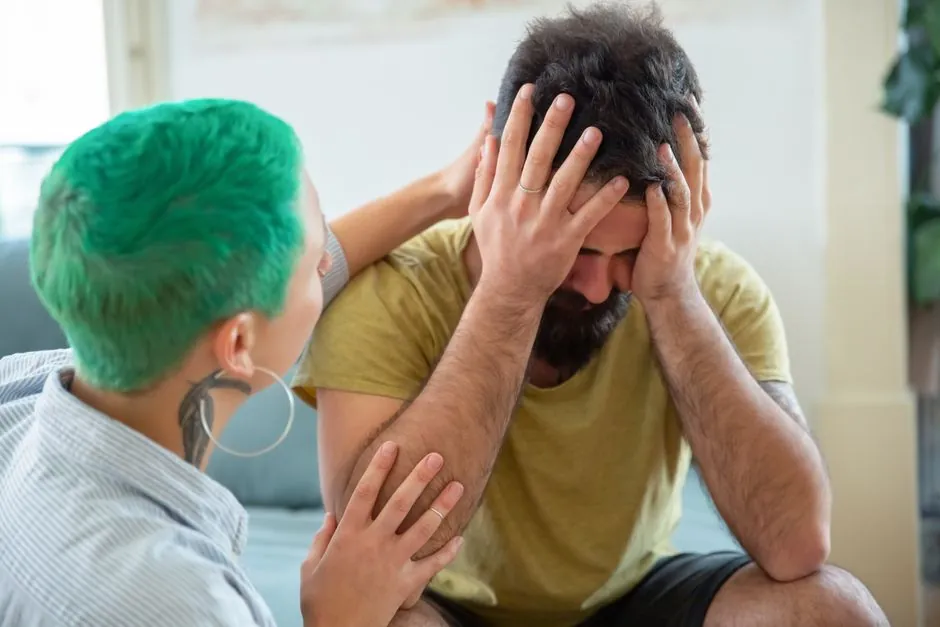
This article notes that ADHD and anxiety often overlap. Executive function means the brain's management skills: planning, organizing, starting tasks, and regulating focus. In structured settings, external cues—deadlines, quiet spaces, a supervisor—can temporarily mask difficulties. At home, those cues disappear, so the same person may seem more scattered. The reverse happens too: some adults focus better at home because they control noise and pace. Think of a student who finishes homework in a quiet library but cannot concentrate in a noisy kitchen. This variability is a pattern, not laziness or a character flaw.
- External structure can compensate for internal gaps.
- Home environments remove those compensations.
- Anxiety can mimic or worsen attention problems.
How flexible pacing and recorded material helped some adults while distracting environments made things harder for others
During the pandemic, many people discovered that flexible pacing and recorded material eased executive function struggles. Recorded lectures or meetings let someone pause, rewind, or speed up—reducing time pressure. But for others with the same challenges, working from a bedroom full of games, notifications, and family noise was a disaster. Same condition, opposite outcomes. That is why support must be individualized. A practical tip: try a "distraction audit." List what breaks your focus, then add one barrier, like headphones or a website blocker. Or request recorded versions of meetings when possible. This is general information; consult a qualified professional for personal advice.
- Recorded material allows rewinding.
- Flexible pacing reduces time pressure.
- Distracting environments increase mental load.
For reference only; not a substitute for professional medical advice. If you have a specific concern, consider speaking with a psychiatrist or psychologist.
Post-Traumatic Growth, Resilience, and Building a Narrative That Helps
This includes knowing most people recover with resilience. Post-traumatic growth goes further, adding new values, strengths, and connections. You can struggle and grow at once.
How most people recover with resilience, while post-traumatic growth can add new values, strengths, and connections
Resilience means bouncing back after hard times—sleep, mood, and social ties dip, then return. Growth pushes above the old baseline. It can look like:
- Clarifying what matters and dropping old priorities
- Recognizing strengths you didn't know you had
- Deepening relationships you can truly rely on
This isn't guaranteed or a race. Many recover; a smaller group reports growth. Think of a rubber band: resilience stretches back, growth stretches into a new shape. Both are valid.
Why journaling or another narrative practice, such as writing for 20 minutes for four days, may help you make sense of what you went through
Building a narrative—turning fragmented events into a meaningful story—is a key predictor of growth. One method from the video: write for about 20 minutes a day for four days. That short burst may help you get unstuck.
You can also make a diorama, record a voice memo, or draw a timeline. The goal isn't perfect prose—it's exploring how the experience changed you and what you value now. If writing feels intense, shorten or pause. This is general information, not personalized care. A licensed mental health provider can help if distress persists.
Fact-checked. This content is for reference only and does not replace professional medical advice. If you have a specific concern, consider speaking with a licensed mental health provider such as a psychologist, psychiatrist, or counselor.
Finding Support That Matches Your Needs
The method means recognizing that support is not one-size-fits-all. The pandemic was traumatic for many, challenging core beliefs about safety and connection. Some people had more resources; others faced constant exposure or loss. As one mental health expert noted, there is no vaccine for the psychological impact. Recovery often involves rebuilding sleep, social connections, and daily functioning.
Therapy, medical evaluation, peer support, and practical changes can all play a role in managing adult mental health challenges
Different types of support work together. A medical evaluation can rule out physical causes, while therapy offers structured ways to process experiences. Peer support groups remind people they are not alone. Practical changes—like a consistent sleep schedule or gentle movement—can steady daily life. Consider this list of options to discuss with a clinician:
- Talk therapy (individual, group, or family)
- Medication evaluation by a prescribing clinician
- Peer-led support groups or community programs
- Lifestyle adjustments: sleep hygiene, routine, light exercise
Think of it like a toolkit: therapy might be a wrench, peer support a screwdriver, and daily habits the oil that keeps things moving. Many people report that combining approaches helps more than any single one. For a related read, see building healthy daily habits.
Tracking what improves and asking for help early can make it easier to adjust support over time without expecting a quick cure
Progress is rarely linear. Keep a simple journal of mood, sleep, and energy. If something helps, note it; if not, share that with your provider. Asking for help early prevents small struggles from becoming overwhelming. Research on post-traumatic growth suggests that writing a narrative—for example, a short daily reflection for several days—can help people get unstuck. Both struggling and growing can happen at once. Expect adjustment, not a quick cure.
If you have specific concerns, consider speaking with a licensed therapist or psychiatrist. This content is for reference only and does not replace professional medical advice.
Key Takeaways
This version begins with recognizing that mental well-being exists on a spectrum, and many people experience periods of difficulty without having a diagnosable condition. It is not about self-labeling but about noticing patterns in sleep, energy, mood, and daily functioning. Health authorities generally advise that consistent routines, movement, and social connection can support overall mental health, though they are not substitutes for professional care. This article is for reference only and does not replace professional medical advice.
If you want to take the next step, start by keeping a simple written record of what you notice over two or three weeks—when you feel off, what helps, what makes it worse. Then, if concerns persist, consider speaking with a licensed mental health professional, such as a psychologist or psychiatrist, who can help you make sense of your experience. If you have a specific concern, consider speaking with a specialty provider rather than trying to interpret symptoms on your own.
References
- Adult and Older People's Mental Health — Magna House (enbridge.co.uk)
- Supporting Adults With Mental Health Challenges at Tracy Manor (tracymanorhome.com)