Imagine gaining more than a decade of life not through expensive treatments, but by adjusting daily routines. Research from a major university suggests that adhering to five specific lifestyle factors can significantly extend lifespan, with data indicating a potential increase of up to 14 years for women and 12 years for men compared to those who follow none of these practices. This finding shifts the focus from quick fixes to sustainable, long-term changes that genuinely impact health outcomes.
Understanding which behaviors drive this difference is crucial for anyone looking to optimize their well-being. The evidence points to a combination of dietary choices, physical activity levels, and other consistent practices rather than isolated actions. By exploring these habits to live longer naturally, readers can weigh the practical pros and cons of integrating them into modern life, recognizing that while consistency requires effort, the reward is both longevity and improved quality of life.
This overview breaks down the core components identified in large-scale observational studies, comparing them with broader concepts like Blue Zones where populations routinely reach advanced ages. The goal is to provide clear, actionable information without promising miracles, helping individuals make informed decisions about their health journey. As always, personal health strategies should be discussed with a qualified healthcare professional to ensure they align with individual medical needs.
The Five Pillars of Longevity According to Harvard Research
Research from a major public health institution suggests that adopting specific habits to live longer naturally can significantly extend life expectancy. The study highlights that lifestyle choices, rather than genetics alone, play a pivotal role in long-term health outcomes. By focusing on evidence-based behaviors, individuals can improve their quality of life and potentially add years to their lifespan.
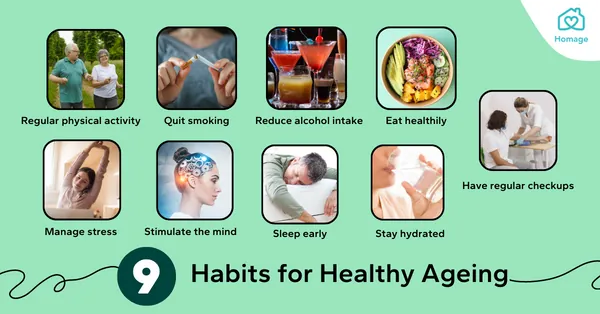
Don’t smoke and avoid excessive alcohol consumption
Health authorities generally advise that avoiding tobacco is one of the most impactful steps for longevity. Smoking introduces harmful chemicals that damage nearly every organ, increasing the risk of chronic diseases. Quitting at any age yields benefits, though earlier cessation provides greater protection against long-term complications.
Regarding alcohol, moderation is key. While some cultures in Blue Zones consume alcohol moderately, excessive intake is linked to liver disease and other health issues. It is not necessary for everyone to abstain completely, but limiting consumption helps maintain overall health. Think of alcohol as an occasional treat rather than a daily staple. This balance supports the body’s natural detoxification processes without imposing undue stress on vital organs.
Maintain a healthy weight through diet and regular exercise
Achieving a healthy weight involves a combination of nutritious eating and consistent physical activity. Health guidance usually emphasizes a plant-based diet rich in vegetables, fruits, and whole grains. This approach provides essential nutrients while helping to manage calorie intake effectively.
- Regular movement: Engage in moderate physical activity daily, such as walking or gardening.
- Mindful eating: Avoid overeating by listening to hunger cues and stopping when satisfied.
- Consistency: Make exercise a routine part of life rather than a temporary fix.
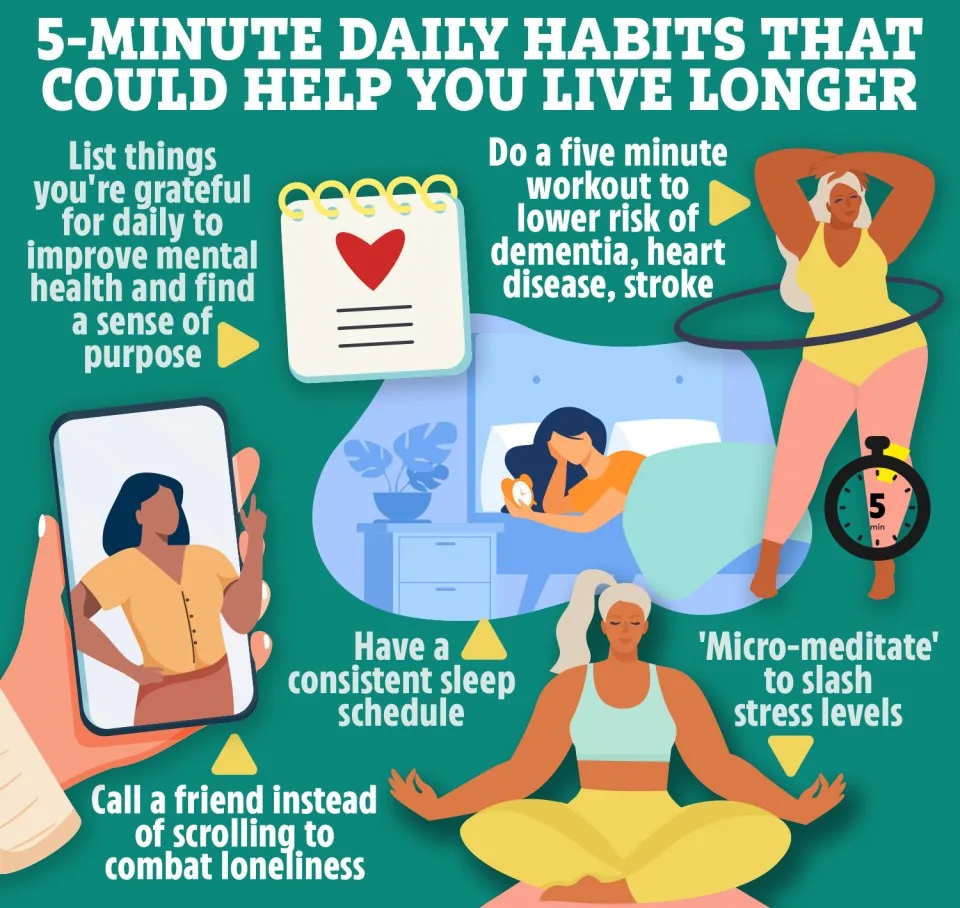
These habits to live longer naturally work synergistically. For instance, regular exercise improves cardiovascular health, while a balanced diet supports metabolic function. Maintaining a healthy weight reduces strain on joints and lowers the risk of conditions like diabetes. Always consult a qualified healthcare professional before making significant changes to your diet or exercise routine. If you have specific concerns about weight management or lifestyle adjustments, consider speaking with a primary care provider or a registered dietitian.
Real-World Impact: How These Habits Add Years to Your Life
The 14-year lifespan difference for women who follow all five habits
Research analyzing decades of health data from tens of thousands of participants reveals a striking correlation between lifestyle choices and longevity. For a woman aged 50, adhering to zero healthy habits predicted an average life expectancy of 79 years. However, those who consistently practiced all five key behaviors lived to an average age of 93. This represents a 14-year difference, a substantial gain that underscores the power of daily choices. Men showed similar trends, with a potential increase of up to 12 years.
The five specific habits identified include not smoking, maintaining a healthy weight, engaging in regular exercise, limiting alcohol intake, and following a high-quality diet. It is important to note that these factors work synergistically. While individual changes help, the cumulative effect of adopting balanced nutrition basics alongside movement creates the most significant impact. Health authorities generally advise focusing on these foundational pillars rather than seeking unproven supplements or quick fixes.
Why consistency matters more than perfection in daily routines
Adopting habits to live longer naturally does not require flawless execution every single day. Real life involves vacations, stress, and occasional indulgences like chocolate or bagels. The goal is long-term consistency, not short-term perfection. Many people find it challenging to maintain strict dietary rules or exercise schedules amidst busy lives. Recognizing that slip-ups are normal helps prevent the all-or-nothing mindset that often leads to quitting entirely.
- Moderate physical activity: Regular movement matters more than intense, sporadic workouts.
- Stress management: Finding healthy ways to cope with daily pressures supports overall well-being.
- Social engagement: Maintaining strong family and community ties contributes to mental and physical health.
Rather than aiming for an idealized version of health, focus on sustainable practices. If you have specific concerns about your current routine or health metrics, consider speaking with a primary care provider or a registered dietitian. They can offer personalized guidance that aligns with your unique needs and medical history, ensuring your approach to longevity is both safe and effective.
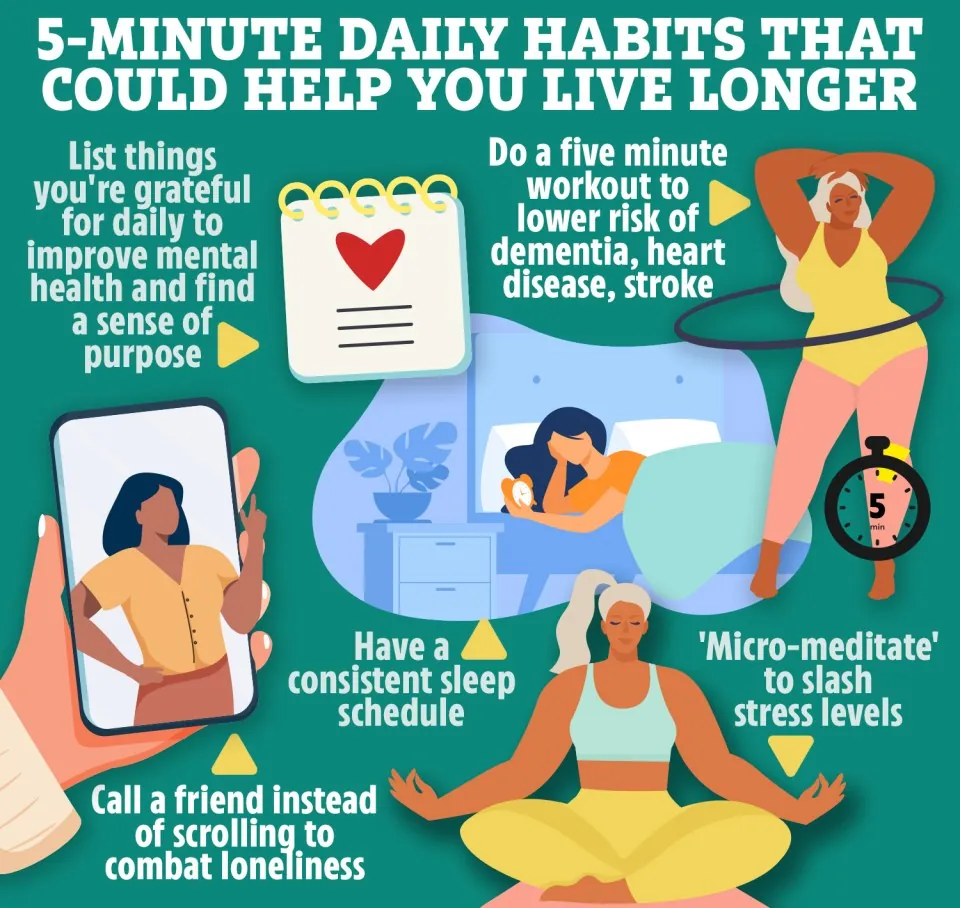
Lessons from the Blue Zones: Nine Factors for Natural Longevity
Research into regions known as Blue Zones reveals specific patterns that support extended lifespans. These areas, including Okinawa and parts of Costa Rica, highlight this recipe without relying on medical interventions alone. The core findings suggest that longevity is less about genetics and more about daily lifestyle choices.
Moderate physical activity and plant-based dietary patterns
Residents in these zones do not typically engage in intense gym routines. Instead, they incorporate moderate physical activity into their daily lives through gardening, walking, and manual chores. This consistent, low-intensity movement keeps the body active without causing excessive stress. It is a sustainable approach that contrasts with sporadic high-intensity workouts.
Dietary habits also play a crucial role. The typical diet is largely plant-based, focusing on vegetables, legumes, and whole grains. Meat is consumed rarely and in small portions. A key principle is avoiding overeating; many practice stopping before they feel completely full. This caloric moderation helps maintain a healthy weight naturally. While some populations include moderate alcohol intake, it is never excessive. These dietary choices provide essential nutrients while minimizing processed foods and added sugars.
The role of purpose, stress management, and social engagement
Beyond diet and movement, psychological and social factors are vital. Having a clear sense of life’s purpose contributes to mental resilience and motivation. Stress management techniques, such as prayer, meditation, or napping, help lower chronic inflammation and cortisol levels. These practices allow the body to recover from daily pressures effectively.
References
- 4 habits to live longer - Natural Medicine - Daniel Lumera - Wake Up (wakeupplatform.com)
- 5 Morning Habits to Help You Live Longer and Better | GQ Middle East (gqmiddleeast.com)