More than half of American workers leave their earned time off completely unused every year, treating vacation as a luxury rather than a physiological necessity. After spending months researching the proven health benefits of taking vacation—prompted by the realization that even healthcare professionals often go a full year or more without a single break—the evidence consistently points in one direction: stepping away from work is deeply tied to how well the body functions. The research suggests that regular time off correlates with better cardiovascular outcomes, reduced depressive symptoms, and lower overall stress levels, making it a foundational habit alongside sleep hygiene, daily movement, and balanced nutrition.
The mechanisms behind these effects are worth weighing carefully. For instance, long-running heart disease research indicates that people who take frequent annual vacations face a notably lower risk of fatal cardiac events compared to those who rarely travel, a pattern observed across both men and women. Beyond the heart, studies examining mood suggest that time away does not merely reduce negative emotions like depression; it actively builds positive ones, increasing overall life satisfaction. There are trade-offs to consider, however. A meaningful minority of travelers report feeling anxiety or guilt about being away from their responsibilities, which can blunt the restorative effects unless they intentionally disconnect from devices and work emails during the trip.
This article breaks down what the current literature says about how vacations influence physical markers like blood pressure and sleep quality, mental resilience, and even professional productivity once you return. As someone who regularly researches and summarizes health topics for everyday application, I aim to present this information neutrally so you can weigh the pros and cons for your own routine. Please remember that this content is fact-checked for general reference only and does not replace professional medical advice; if you have specific concerns about chronic stress, sleep disturbances, or cardiovascular health, consider speaking with a primary care physician or a relevant specialty provider before making significant lifestyle changes.
The Vacation Deficit and Why It Matters for Your Health
After reviewing the available research, I found that the proven health benefits of taking a vacation extend well beyond simple relaxation. This page is for informational reference only and does not replace professional medical advice.
How leaving paid time off unused creates a chronic stress burden
Research suggests many workers leave earned days off unused, which can quietly build a chronic stress burden. Think of it like carrying a heavy backpack all day without ever setting it down; eventually, the strain accumulates. General clinical guidance usually states that unmanaged stress contributes to tension headaches, backaches, and disrupted sleep hygiene.
When people actually disconnect—especially by logging off work devices—they often experience improvements in:
- Sleep quality, sometimes gaining more restful hours after just a few days away
- Mood regulation, with reports of fewer depressive symptoms and more positive emotions
- Relationship satisfaction, since uninterrupted time together tends to strengthen family bonds
Some individuals feel anxiety or guilt about stepping away from work. However, committing fully to time off appears necessary to experience the proven health benefits of taking a vacation.
The economic ripple effect when workers actually take their days off
Taking time off is not just a personal health habit; it influences the broader economy. Research indicates that if American workers used all their available paid time off, it could support over a million jobs and generate billions in tax revenue. When travelers spend money on local experiences—like kayaking or visiting new towns—that spending circulates through communities.
Beyond macroeconomics, employers also see practical advantages. Internal workplace reviews suggest employees who take additional vacation hours often perform better upon returning. A common misconception is that resting means doing nothing, but engaging in meaningful activities helps recharge focus. If you have concerns about how stress or daily habits affect your well-being, consider speaking with a primary care provider.
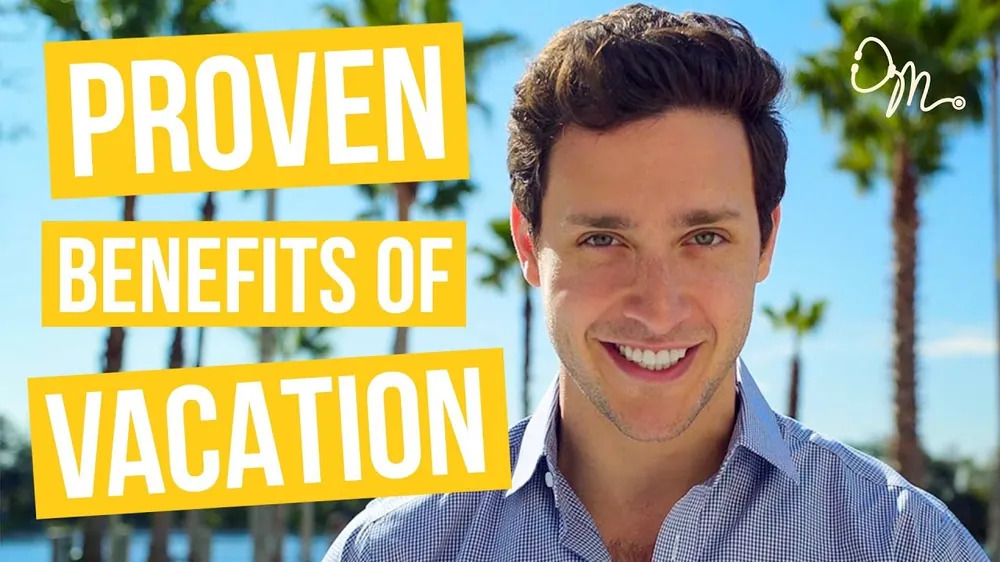
Signs Your Body Is Begging for Time Off
Recognizing physical symptoms like persistent headaches, backaches, and poor sleep quality
When evaluating the proven health benefits of taking vacation, it helps to compare how the body responds to continuous work versus structured rest. Research suggests that stepping away reduces stress-related complaints, including:
- Persistent headaches
- Backaches
- Poor sleep quality
Think of your nervous system like a phone battery that never fully charges; eventually, performance drops. Small tracking studies indicate that even two or three days off can add roughly an extra hour of quality sleep per night and noticeably improve reaction times. While many people leave earned time off unused, prioritizing rest supports daily movement, posture recovery, and basic sleep hygiene. If these physical signals linger despite lifestyle adjustments, consider speaking with a primary care provider.
Emotional warning signs including diminished life satisfaction and rising depressive symptoms
Beyond physical strain, emotional shifts often signal a need for downtime. Research indicates vacations are associated with greater life satisfaction and a reduction in depressive symptoms. Society frequently focuses solely on removing negative emotions, yet time off appears to actively build positive ones too. Practical comparisons highlight several emotional benefits:
- Lower overall stress levels upon returning
- Improved relationship satisfaction when devices are set aside
- A stronger sense of personal meaning
However, some individuals experience guilt about stepping away. To actually reap these benefits, committing fully to the break is essential. A practical tip: treat time off as a scheduled maintenance habit rather than an emergency measure. This informational overview does not replace professional medical advice. If you have a specific concern regarding mood changes, consider speaking with a mental health specialist.
Cardiovascular Protection Backed by Decades of Research
After reviewing the research, I found that one of the most compelling aspects of this practice involves heart health. Please remember this is general information I have gathered, not personalized medical advice.
Findings from long-running heart studies showing dramatically lower attack risks for frequent vacationers
Long-running cardiovascular research suggests that people who take regular time off face a notably lower risk of fatal heart events compared to those who rarely travel. Think of it like routine maintenance on a car engine; consistent rest helps prevent unexpected breakdowns. These findings highlight why stepping away from daily stressors matters for physical well-being over time.
Why consistent breaks matter more than one long trip
Research suggests that spreading time off throughout the year offers more sustained relief than saving everything for a single extended getaway. Consistent pauses help maintain healthier daily stress management habits, which supports cardiovascular function. Key reasons frequent short breaks are often more practical include:
- Regular recovery periods prevent chronic tension from building up between trips.
- Sustained mood improvements tend to last longer when breaks happen routinely rather than rarely.
- Better sleep patterns often stabilize faster with predictable downtime.
While these observations about the method are encouraging, individual needs vary. If you have specific concerns about your heart health or stress levels, consider speaking with a cardiology provider. Always consult a licensed healthcare professional before making changes to your wellness routine.

Mental Health Shifts That Go Beyond Symptom Reduction
Fact-checked. This content is for reference only and does not replace professional medical advice.
How stepping away builds positive emotions rather than just masking depression
When evaluating this version, research suggests time off does more than temporarily relieve stress. Rather than simply reducing negative feelings like sadness, stepping away from daily routines appears to actively cultivate positive emotions and a stronger sense of life satisfaction. Think of it like sleep hygiene: you do not just rest to stop feeling tired; you rest so your body can repair itself. Similarly, unplugging allows the mind to rebuild its emotional reserves.
- Increases overall life satisfaction and personal meaning
- Fosters genuine positive emotions instead of merely dulling low moods
- Supports long-term emotional resilience after returning home
Overcoming the guilt and anxiety that prevent people from unplugging
A notable portion of adults report feeling guilt or anxiety about using their earned time off. This hesitation often undermines the very benefits they are trying to achieve. To actually experience these benefits, committing fully to the time away matters. Practical steps can help ease this transition:
- Set clear out-of-office boundaries before leaving
- Log off work devices completely rather than checking emails frequently
- Plan engaging activities—like exploring nature or trying something new—instead of assuming rest means doing nothing
If persistent anxiety makes unplugging feel overwhelming, consider speaking with a mental health provider for personalized guidance.
Relationship Repair Through True Disconnection
When exploring this topic, relationship repair stands out. I researched how time away affects partnerships, and clinical guidance usually says that stepping back from routine helps couples reconnect.
The link between vacation frequency and marital satisfaction
Research suggests that the odds of marital satisfaction tend to increase as people take more vacations together. Think of it like maintaining a vehicle: regular tune-ups prevent breakdowns. Shared experiences build positive emotions rather than just removing stress. Practical ways to strengthen a bond while away include:
- Planning activities both partners genuinely enjoy
- Setting aside unstructured time for conversation
- Treating the trip as a shared reset rather than a checklist
Why checking work emails undermines the benefits of travel
A meaningful portion of travelers frequently check work emails during trips, which can erode the benefits. Constant digital interruptions keep the nervous system in a heightened state, making it harder to experience restorative rest or connect with a partner. Health authorities generally advise establishing clear boundaries before leaving. Helpful strategies include:
- Turning off push notifications for work applications
- Setting an automatic out-of-office reply
- Designating one brief window for urgent matters if completely disconnecting feels impossible
Fact-checked. This content is for reference only and does not replace professional medical advice. If you have a specific concern about chronic stress or relationship strain affecting your well-being, consider speaking with a licensed mental health provider or a family therapist.

Productivity, Sleep, and Longevity Gains
When exploring this version, workplace performance is a practical starting point. Internal corporate surveys suggest that employees who use more paid time off tend to receive stronger year-end evaluations. Similar patterns emerged when consulting firms required staff to disconnect completely; overall output improved afterward. Think of it like improving sleep hygiene: deliberate rest fuels sharper focus.
Internal corporate data showing measurable performance boosts after time off
Research suggests several consistent professional advantages:
- Higher evaluation scores among those using additional leave hours
- Better sustained output when teams are required to fully unplug
- Improved on-the-job performance reported by many small business owners after returning from trips
A minority of people feel guilt about stepping away, which can blunt these gains. Committing to actual rest is essential.
How even short getaways improve sleep duration, reaction times, and overall mortality risk
Brief trips appear to support physical resilience. A small tracking project found that spending just two or three days away added roughly one extra hour of quality sleep per night and noticeably sharpened reaction times. Longer-term observations in geriatric research link skipping vacations to worse self-rated health and higher all-cause mortality (the general likelihood of dying from any cause). While no getaway guarantees a longer life, this recipe consistently points toward meaningful physiological recovery.
Fact-checked. This content is for reference only and does not replace professional medical advice. If you have a specific concern about stress, fatigue, or heart health, consider speaking with a primary care physician or cardiologist.
When to See a Doctor Instead of Booking a Flight
While research highlights the benefits of this dish—including improved sleep quality, lower stress, and better heart health—a trip cannot replace medical care. Think of it like this: a vacation is maintenance for a healthy engine, but you still need a mechanic if the check-engine light stays on.
Red flags indicating your exhaustion requires medical evaluation rather than rest alone
If fatigue does not improve after adequate time off, clinical guidance usually suggests a professional evaluation. Warning signs that rest alone may be insufficient include:
- Persistent exhaustion that continues well after returning from a break
- Unexplained physical changes, such as sudden weight shifts or chronic headaches
- Sleep disruptions that do not resolve with better sleep hygiene during your time away
A licensed provider can help determine whether these patterns point to something requiring treatment.
Distinguishing normal burnout from underlying conditions that need professional treatment
Burnout often responds to lifestyle adjustments, like logging off work devices during time away and prioritizing new experiences. However, when low mood or deep fatigue persists despite meaningful rest, it may reflect an underlying condition rather than standard overwork. The methods apply best when you are fundamentally healthy enough to enjoy them. If you notice ongoing struggles, consider speaking with a primary care physician or a mental health specialist to explore appropriate next steps.
Fact-checked. This content is for reference only and does not replace professional medical advice.
Designing a Vacation That Actually Delivers Health Benefits
Understanding this concept helps you plan trips that genuinely support your well-being. Not all time off works the same way, so comparing your options matters.
Why active experiences and new goals outperform passive lounging
Many people assume recovery means doing nothing, but research suggests that setting new goals and trying unfamiliar activities often yields stronger mental refreshment than simply sitting on a beach. Engaging in novel experiences—like kayaking or exploring a new town—builds positive emotions alongside stress relief. Think of it like physical training: varied movement builds broader fitness than repeating one exercise. When planning, weigh these approaches:
- Active exploration, such as hiking or local tours, which supports cardiovascular health and engagement.
- Skill-building activities, like cooking classes, offering a sense of accomplishment.
- Passive rest, useful for short-term exhaustion but sometimes less effective for long-lasting mood improvements.
Balancing downtime with purposeful activity tends to produce more durable results.
Practical steps to log off completely and protect your recovery time
To fully reap these benefits, disconnecting from work is essential. Frequently checking emails interrupts the stress-reduction process. Clinical guidance usually indicates that uninterrupted rest allows the nervous system to downregulate effectively. Practical steps include:
- Set an out-of-office auto-reply before leaving.
- Remove work apps from your phone’s home screen.
- Communicate clear boundaries to colleagues beforehand.
Protecting this time supports better sleep hygiene and relationship satisfaction. Because individual health needs vary, consider speaking with a primary care provider if you have specific concerns about managing chronic stress.
The Bottom Line
When weighing the trade-offs between continuous work and intentional rest, this practice consistently tips the scale toward stepping away. Research suggests that regular time off supports better sleep hygiene, lowers chronic stress markers, and encourages healthier daily habits like consistent movement and balanced nutrition. While unplugging can feel difficult in a productivity-focused culture, the long-term physiological toll of skipping breaks often outweighs short-term output.
Zooming out, how we structure recovery shapes our overall health trajectory across decades. Viewing time off as a foundational wellness practice—rather than an occasional luxury—helps sustain the daily routines that protect cardiovascular and metabolic function over a lifetime. If you have specific concerns about managing stress or improving your rest patterns, consider speaking with a primary care provider or a behavioral health specialist.
References
- 7 Shocking, PROVEN Health Benefits of Vacation - YouTube (youtube.com)
- The Importance of Taking Vacation Time to De-stress and Recharge (bbrfoundation.org)
- Health Benefits of Travel: Heart, Brain and Relationships (happitravel.com)