
Many adults treat time off as a luxury they cannot afford, yet research suggests that stepping away from daily routines is one of the most practical ways to support long-term physical and mental well-being. A substantial portion of workers in the United States leave their earned time off unused every year, often assuming that pushing through without a break leads to better performance. The evidence points in the opposite direction: taking a deliberate pause can lower stress-related complaints, improve sleep quality, and even support cardiovascular health over time.
I am not a doctor or part of a medical team—just someone who spends a lot of time reading through health literature and breaking it down into usable takeaways. After reviewing the available research on how time away affects everything from heart function to workplace productivity, I put together this guide on using a vacation for better daily habits. You will find a comparison of the physical benefits, such as reduced strain on the heart and improved rest, alongside the psychological advantages, including higher life satisfaction and sharper focus upon returning to work. We will also weigh the pros and cons of different approaches to time off, because simply sitting on a beach while checking work emails does not yield the same results as fully disconnecting.
The details below are based on general clinical guidance and published observations rather than personalized medical advice, and individual results will naturally vary depending on your baseline health and lifestyle. If you have specific concerns about stress management, sleep disruptions, or cardiovascular risk, consider speaking with a licensed healthcare provider before making significant changes to your routine. What follows is an analytical look at why structured time away matters and how to approach it so the benefits extend well beyond the trip itself.
Why most people skip time off and what it costs them
The reality that more than half of Americans leave earned vacation days unused
Research suggests a majority of American workers do not use all their earned paid time off each year. Many professionals hesitate to step away because they worry about falling behind or feel guilty leaving responsibilities unattended. Yet, avoiding rest carries real trade-offs.
- Cardiovascular strain: Extended periods without breaks are generally linked to increased stress on the heart over time.
- Mood shifts: Skipping downtime can reduce overall life satisfaction and limit positive emotions.
- Sleep quality: Brief getaways often support deeper, more restorative rest compared to continuous work schedules.
Treating a vacation for better daily habits as an investment rather than a luxury helps reframe this choice. Think of it like charging a battery: running it completely flat repeatedly shortens its useful lifespan.
How avoiding rest undermines your ability to build sustainable routines
Consistent routines around nutrition, movement, and sleep hygiene rely on adequate recovery. When someone never unplugs, chronic stress accumulates, making it harder to maintain healthy choices. Elevated tension frequently shows up as headaches or backaches, which disrupt regular exercise or meal preparation.
Stepping away allows the nervous system to reset. People who take intentional breaks tend to return with sharper focus and steadier energy levels. Using a vacation for better daily habits means setting boundaries—like logging out of work email entirely—so the mind actually recovers. If persistent fatigue or stress makes maintaining basic wellness routines difficult, consider speaking with a primary care provider for general guidance.

Physical signs that you need a vacation for better daily habits
Recognizing stress-related complaints like frequent headaches and backaches
When evaluating whether a vacation for better daily habits is necessary, physical tension often provides the clearest signal. Research suggests that taking time away from work can meaningfully reduce stress-related complaints, including:
- Frequent headaches, which often stem from prolonged mental strain or poor desk posture
- Backaches, commonly linked to extended sitting without adequate movement breaks
- Muscle tightness in the neck and shoulders
Observational findings indicate these benefits can persist for several weeks after returning home. Think of chronic tension like an engine running constantly at high RPMs; eventually, components wear down. Stepping away allows the body to reset. However, because persistent pain has many potential causes, it is wise to consult a licensed healthcare provider rather than assuming rest alone will resolve it.
Noticing poor sleep quality, elevated resting heart rate, and sluggish reaction times
Beyond aches, cardiovascular and neurological markers also shift under sustained stress. Small-scale tracking research using wrist devices found that spending even two to three days away added roughly one more hour of quality sleep per night. Alongside improved rest, participants demonstrated notably faster reaction times.
When comparing options for recovery, consider these interconnected signs:
- Poor sleep quality, such as difficulty falling or staying asleep despite fatigue
- An elevated resting heart rate, suggesting the nervous system remains on high alert
- Sluggish cognitive processing during routine tasks
Scheduling a vacation addresses these patterns by removing constant work triggers. If unusual heart rate changes or severe insomnia continue, speaking with a qualified medical professional is important for proper evaluation.
Fact-checked. This content is for reference only and does not replace professional medical advice. If you have a specific concern about stress, sleep, or heart health, consider speaking with a primary care physician or a sleep medicine specialist.
How stepping away protects your cardiovascular system
Treating this trip as essential maintenance, rather than a luxury, supports long-term heart health. Think of it like letting an overheated engine cool down before driving again.
Research showing men who take annual trips face significantly lower fatal heart attack risks
After reviewing the literature discussed in the embedded video, I found that published medical research suggests men who take frequent annual vacations face a notably reduced likelihood of dying from a heart attack. The pattern is consistent: regular time away appears linked to fewer fatal cardiac events compared to skipping breaks entirely.
This does not guarantee immunity from heart disease, but the trend is clear. Practical steps include:
- Scheduling at least one dedicated trip yearly
- Using all available paid time off
- Disconnecting fully from work communications while away
Findings from long-running heart studies on women who vacation regularly versus rarely
The video references one of the longest-running cardiovascular investigations, which observed that women taking vacations twice a year had a substantially lower chance of experiencing a heart attack compared to those traveling only once every six years. Regular rest periods appear to offer meaningful cardiovascular protection.
While I am just one person summarizing this research and not a doctor, the evidence consistently favors routine breaks. Planning a vacation helps reset stress responses that otherwise burden the heart over time. If you have specific concerns about cardiovascular risk or travel safety, consider speaking with a cardiologist or primary care provider.
Fact-checked. This content is for reference only and does not replace professional medical advice.
Mental health shifts that make new routines stick
Using this approach works because stepping away changes your mental baseline. Research suggests time off can simultaneously ease low moods and build positive emotions, giving you the psychological bandwidth to maintain healthier choices at home.
Decreasing depressive symptoms while actively increasing positive emotions and life satisfaction
Clinical guidance usually says removing negative feelings alone is not enough; building positive ones matters just as much. Research suggests people who take time away report higher life satisfaction and more meaning in their days. Think of it like sleep hygiene basics: fixing one issue often improves everything else.
- Lower stress-related complaints, such as headaches or backaches, which research suggests can persist for weeks after returning
- Improved sleep quality, with some small studies noting an extra hour of restful sleep after a short trip
- Increased daily motivation to prepare balanced meals or move regularly
Overcoming the guilt and anxiety that up to a quarter of people feel when taking time off
A meaningful minority of workers—roughly one in four—report feeling guilt or anxiety about being away. This tension undermines the purpose of using this strategy. To counter it, treat time off as a scheduled maintenance window rather than a reward you must earn.
- Log off work devices completely; frequently checking emails dilutes recovery benefits
- Plan active experiences instead of only resting passively, which helps shift focus toward enjoyment
- Remind yourself that productivity generally improves after genuine rest
This content is for reference only and does not replace professional medical advice. If you have a specific concern about mood or chronic stress, consider speaking with a licensed mental health provider.
Strengthening relationships by disconnecting from work devices
Taking a digital detox means stepping away from screens. Research suggests that many people leave earned time off unused, often because they feel tied to their jobs even while traveling.
Avoiding the trap of constantly checking work emails during your time away
Checking work messages while traveling undermines rest. A noticeable portion of adults frequently review professional emails during time off, which can interrupt sleep and increase stress-related complaints like headaches. Think of it like leaving a faucet running: the small drip of notifications slowly drains your recovery. Practical boundaries help preserve downtime:
- Turn off work notifications before departing
- Designate one brief window daily for urgent messages only
- Inform colleagues about your unavailability in advance
Setting these limits supports healthier routines and allows you to return feeling genuinely rested.
Evidence linking more frequent vacations with higher marital satisfaction
Published research indicates that the likelihood of marital satisfaction rises as couples take more trips together. Shared experiences build connection, but this benefit diminishes if attention stays divided by screens. Using this method involves prioritizing face-to-face interaction over digital distractions. Couples who fully log off tend to report greater life satisfaction and more positive emotions compared to those who remain partially tethered to work. While general wellness information is helpful here, anyone experiencing persistent relationship strain or anxiety around taking time off should consider speaking with a licensed therapist or counselor.
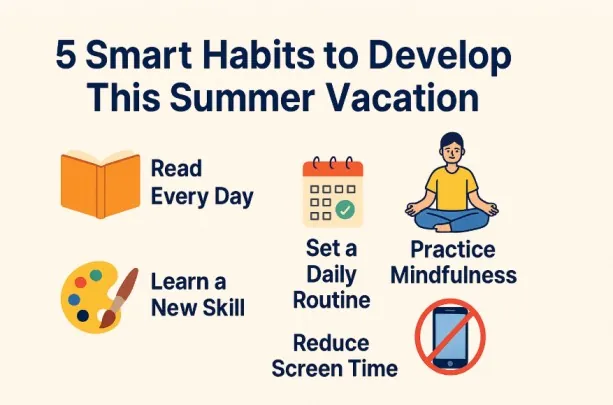
Building better daily habits through active travel experiences
Moving beyond lounging on the beach to setting goals and trying new activities
Many people assume this version means resting passively. However, research suggests that actively engaging with your surroundings often yields stronger mental benefits. Instead of only sitting by the water, consider structuring your time around intentional movement:
- Setting daily intentions, like exploring a new trail each morning.
- Trying unfamiliar activities, such as kayaking or cycling, which challenge both coordination and confidence.
- Connecting with others through group excursions rather than isolating yourself.
Think of it like cross-training for your routine: varied physical challenges build adaptability. While passive rest has its place, purposeful activity helps translate travel energy into lasting momentum at home. If you have mobility concerns or underlying health conditions, consult a licensed provider before starting new physical activities while traveling.
How adding just two or three days away can improve sleep duration and sharpen reaction times
You do not need weeks off to notice changes. A small study using wrist trackers found that spending just two to three days away added roughly one extra hour of quality sleep per night. The same observation noted that participants’ reaction times improved significantly after this short break.
This matters because chronic stress disrupts sleep hygiene—the everyday behaviors and environmental factors that support consistent, restorative rest. Even a brief pause allows the nervous system to downshift. Practical steps include:
- Leaving work devices behind or silencing notifications entirely.
- Maintaining a consistent wake time, even while traveling.
- Choosing accommodations that prioritize quiet and darkness.
Treating this recipe as a strategic reset, rather than an indulgence, makes these short trips remarkably efficient. Details around sleep needs vary individually, so discuss persistent sleep difficulties with a qualified healthcare professional.
Productivity and longevity benefits after you return home
Treating this dish as an investment rather than a luxury often pays off long after you unpack. Think of rest like charging a battery: skipping it drains your reserves.
Internal corporate data showing extra time off correlates with better performance reviews
Research suggests that employees who use their allotted time off tend to receive stronger evaluations. Internal surveys at major consulting firms have shown that workers taking additional vacation hours earned noticeably higher scores on year-end reviews. A separate analysis found that most small business owners reported improved job performance upon returning from a break. The pattern is consistent across different roles:
- Restored focus, making complex problem-solving easier
- Lower stress levels, which can persist for several weeks after returning
- Better sleep quality, with some tracking data suggesting even short trips add meaningful rest
When people feel happier and less fatigued, they naturally excel at what they do.
The connection between skipping short vacations and worse overall mortality risk
On the health side, research links unused time off to concerning outcomes. Findings published in geriatric medicine literature suggest that individuals who skip short vacations may experience higher body mass index (BMI—a measure comparing weight to height), poorer self-rated health, and elevated all-cause mortality (the general risk of dying from any cause over time). While taking time away will not make anyone immortal, using the method supports cardiovascular and emotional well-being. Long-running heart research consistently shows that frequent breaks are associated with fewer cardiac events. If you have specific concerns about stress or heart health, consider speaking with a primary care provider or cardiologist.
Fact-checked. This content is for reference only and does not replace professional medical advice.
When to see a doctor about burnout and chronic stress symptoms
Red flags like persistent chest pain, severe insomnia, or worsening mood that require medical evaluation
Research suggests time away from work supports heart health and sleep quality, yet certain signals mean a person should seek professional evaluation before relying on this version. Think of it like checking a car’s engine light: ignoring warning signs risks bigger problems down the road. Clinical guidance usually says a licensed provider should assess:
- Persistent chest pain, which may reflect cardiovascular strain rather than simple tension
- Severe insomnia that continues despite improved sleep hygiene routines
- Worsening mood or depressive symptoms that interfere with basic functioning
I am not a doctor, just someone summarizing available information. These patterns do not confirm a diagnosis, but they generally warrant timely medical attention.
Discussing your stress levels and lifestyle patterns with a healthcare provider before planning major changes
Evidence indicates that returning from time off can lower stress-related complaints like headaches and backaches for several weeks. Still, health authorities generally advise discussing baseline stress levels with a clinician before overhauling your schedule. A provider can help weigh options—comparing whether structured rest, adjusted movement, or other interventions fit best. Up to a quarter of people reportedly feel anxiety around taking time off, so planning matters. Preparing for this recipe works more smoothly when a professional helps map out realistic expectations. This content is for reference only and does not replace professional medical advice. Details can change as research evolves. If you have a specific concern, consider speaking with a primary care physician or a mental health specialty provider.
Before You Decide
Treating this dish is not a universal fix, and weighing the trade-offs matters. A structured trip focused on sleep hygiene or mindful movement offers a clear reset, while an unstructured break might simply delay returning to demanding routines. Research suggests that intentional rest supports long-term well-being, yet the benefits often depend on how smoothly those small changes integrate back into everyday life once travel ends.
As someone who spends time researching these patterns rather than practicing medicine, I find that comparing options carefully helps set realistic expectations. Details around nutrition and recovery can shift as guidance updates, so consider what genuinely fits your schedule. If you have a specific concern about building sustainable routines, consider speaking with a preventive medicine specialist or a registered dietitian. Be gentle with yourself—small, steady adjustments tend to hold up far better than sweeping overhauls.
References
- 3 Daily Habits That are Better for Your Marriage Than an Exotic... (gottman.com)
- Keep Habits During Vacation | TikTok (tiktok.com)
- Find and save ideas about daily motivation for living on Pinterest. (pinterest.com)

