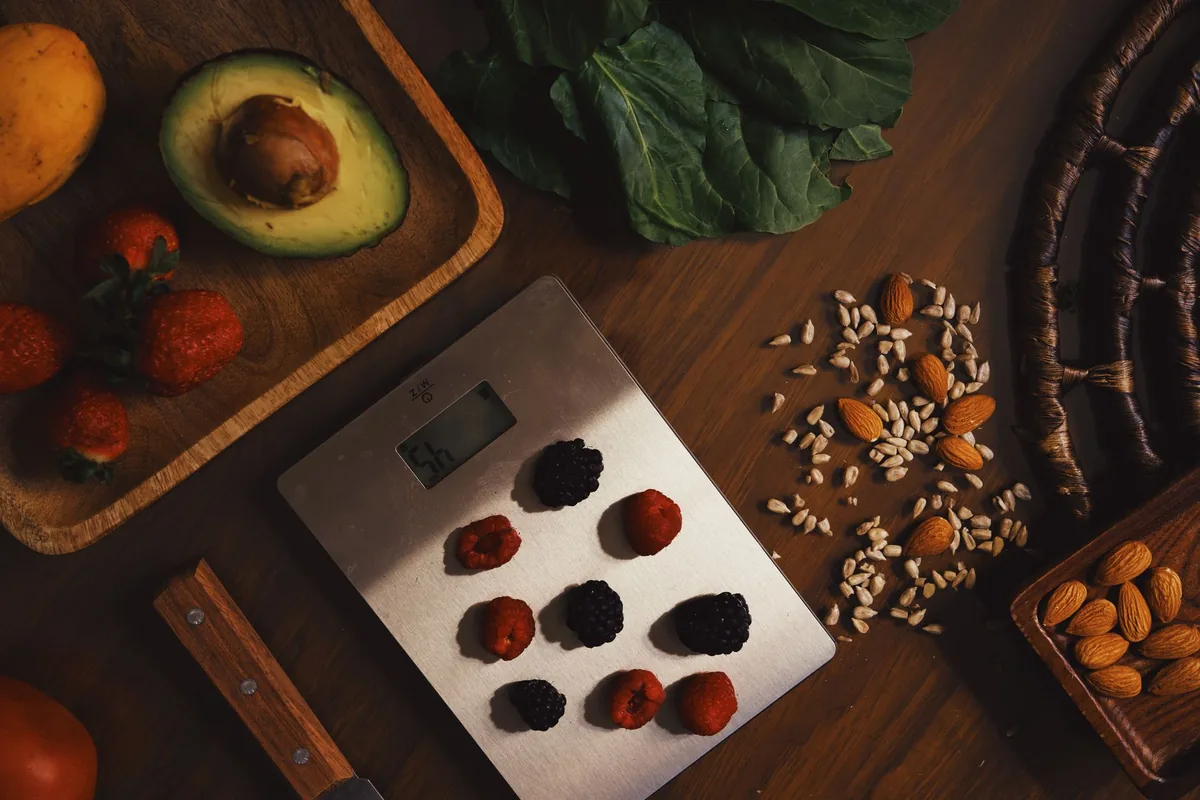
Walking through a grocery store without a plan is the easiest way to end up with a cart full of food that doesn’t actually support your daily habits. I’ve spent time researching how medical professionals approach their own shopping trips, and one consistent takeaway stands out: building meals around whole, plant-focused ingredients makes a noticeable difference in both nutrition and simplicity. Knowing which healthy grocery items to prioritize—from antioxidant-rich berries to fibrous vegetables—removes the guesswork from meal prep and helps you avoid impulse buys.
This breakdown covers exactly what to look for in the produce aisle, why frozen options often hold their nutritional value just as well as fresh ones, and how to choose condiments that add flavor without unnecessary calories or sodium. I’m not a doctor or a dietitian; I’m someone who digs into clinical guidance and practical nutrition research to summarize it clearly. Because individual needs vary based on existing health conditions and personal goals, general information like this works best as a starting point before consulting a licensed provider about your specific diet.
You’ll find practical comparisons of everyday staples like leafy greens, sweet potatoes, and olive oil, along with straightforward tips for reading labels and keeping portions realistic so food doesn’t spoil before you eat it. Details around nutrition science can shift over time, but the foundational steps here focus on actionable choices you can make during your next shopping trip. If you have specific dietary concerns, consider speaking with a registered dietitian or a primary care provider to tailor these concepts to your needs.
Why a Plant-Focused Approach Drives Your Shopping List
Starting your cart in the produce aisle sets the foundation for optimal nutrition
Research consistently suggests that filling your cart with plants first is one of the simplest ways to identify the healthiest grocery items. The produce section naturally steers you toward foods rich in vitamins, minerals, and fiber without unnecessary additives.
Berries are a practical starting point. Strawberries, raspberries, and blueberries deliver antioxidants with less sugar than many other fruits. If fresh berries spoil quickly in your kitchen, frozen options retain comparable nutritional value and work well in smoothies without needing ice. Leafy greens like spinach, kale, and arugula generally offer more nutrients than iceberg lettuce, though all provide hydration and vitamins.
Other smart produce picks include:
- Sweet potatoes for complex carbohydrates and vitamin A
- Green beans for soluble fiber, which supports healthy cholesterol levels
- Tomatoes, which provide potassium and vitamin C with minimal sugar
A helpful tip: wash kiwis thoroughly and eat them with the skin on to significantly increase your fiber intake. As always, if you have specific dietary needs or medical conditions, consider speaking with a registered dietitian or primary care provider before making major changes.
Prioritizing whole, minimally processed foods over hyper-processed alternatives
While general health guidance advises limiting heavily processed products, whether a food fits your routine depends entirely on your individual goals and current health status. Reading labels carefully helps you compare options side by side rather than relying on front-of-package marketing claims.
Condiments and dressings are where hidden ingredients often appear. Instead of buying pre-made dressings loaded with added sugars, try mixing extra-virgin olive oil with balsamic vinegar at home. For hot sauces, many varieties add robust flavor with virtually no calories, making it easier to season meals without relying on heavy creams or sugary glazes.
When shopping for pantry staples, look for these adjustments based on your needs:
- No-sugar-added ketchup for those monitoring carbohydrate intake
- Low-sodium sauces for individuals managing blood pressure or kidney concerns
- Natural sweeteners like small amounts of honey instead of syrups with refined sugars
The most reliable strategy is writing a detailed list before entering the store and sticking to it. Keeping ultra-processed snacks out of your home makes choosing the healthiest grocery items the default option rather than a daily test of willpower.

Top Produce Picks for Antioxidants and Daily Vitamins
Finding the healthiest grocery items starts in the produce aisle. Research suggests that a plant-focused approach to shopping supports overall wellness, but not all fruits deliver the same nutritional balance.
Berries like strawberries, raspberries, and blueberries offer high antioxidant value with lower sugar than bananas or pears
Berries are widely considered some of the most nutrient-dense fruits available. Antioxidants are natural compounds that help protect cells from damage caused by unstable molecules called free radicals. Compared to sweeter fruits like bananas or pears, berries generally provide these protective compounds without as much sugar.
A practical way to add variety is mixing different types into plain yogurt or blending them into smoothies. Top choices include:
- Strawberries for vitamin C and everyday versatility
- Raspberries for a strong fiber profile
- Blueberries, often highlighted for their rich antioxidant content
Buying frozen berries is a smart strategy. Freezing does not significantly reduce their nutritional value, and using frozen fruit means you can skip adding ice to smoothies. If you spot one moldy berry in a fresh container, simply discard it; the rest are typically fine to eat after washing.
Sweet potatoes serve as nature's multivitamin, delivering complex carbohydrates alongside massive amounts of vitamin A, vitamin C, manganese, and potassium
When you need complex carbohydrates—starches that digest slowly for steadier energy—sweet potatoes stand out among the top choices. They act almost like a built-in supplement, offering large amounts of vitamin A (which supports vision and immune function), vitamin C, manganese, and potassium.
They also contain a modest amount of protein and dietary fiber. Because they are calorie-dense, portion awareness matters if you are actively monitoring your daily intake. Think of a baked sweet potato as a more nutrient-packed swap for standard white potatoes or refined grains at dinner.
To round out your meals, consider pairing them with fibrous vegetables like green beans, which research suggests may support healthy cholesterol levels. For more guidance on building balanced plates, explore our tips on reading nutrition labels effectively.
Fact-checked. This content is for general reference only and does not replace professional medical advice. If you have specific dietary concerns or health conditions, consider speaking with a registered dietitian or primary care provider.

Leafy Greens, Vegetables, and Fruits That Earn Their Place
When sorting through the produce section, the produce section is where a plant-focused diet begins. I spend time researching these choices because building meals around nutrient-dense plants is one of the most practical daily habits you can adopt.
Choosing spinach, kale, arugula, and romaine over iceberg lettuce maximizes nutrient density for salads and meals
Iceberg lettuce offers hydration along with some folate and vitamin A, but darker greens generally deliver more nutritional value per bite. Think of your salad base like a foundation: stronger materials support the whole structure better.
For everyday meals, prioritize these leafy options:
- Spinach for versatility in both raw salads and cooked dishes
- Kale as a hearty, nutrient-rich green
- Arugula to add a peppery flavor without extra calories
- Romaine for a satisfying crunch that still outpaces iceberg nutritionally
Pre-washed mixed bags containing baby spinach and arugula are practical if you want to simplify preparation. Buying loose greens works well when cooking for one, helping you avoid spoilage and waste.
Green beans provide soluble fiber that helps lower LDL cholesterol, while tomatoes deliver potassium and vitamin C with minimal sugar
Green beans are naturally low in sodium and rich in vitamin K. More importantly, they contain soluble fiber, a type of dietary fiber that research suggests can help manage LDL (low-density lipoprotein) cholesterol—the kind often called "bad" cholesterol because it can build up in blood vessels.
Tomatoes are another staple among the recommended choices. Despite tasting sweet, a standard serving contains very little sugar. They supply meaningful amounts of potassium, vitamin C, and folate. While some online claims suggest tomatoes irritate the gut, clinical guidance generally indicates this is uncommon for most people.
A simple, practical tip from my own reading: try tossing fresh tomatoes and steamed green beans together with a drizzle of olive oil and balsamic vinegar. It creates a flavorful side dish without relying on heavy sauces. If you have specific dietary concerns or underlying health conditions, consider speaking with a registered dietitian or primary care provider to tailor these choices to your needs.

Smart Pantry Staples: Oils, Sauces, and Natural Sweeteners
Stocking your kitchen with the right staples means choosing versatile basics that add flavor without unnecessary additives. As someone who researches nutrition topics closely, I have found that a few smart staples simplify meal prep significantly.
Extra virgin olive oil and balsamic vinegar create simple, nutrient-rich homemade dressings without hidden additives
Store-bought salad dressings often contain added sugars and preservatives. Mixing extra virgin olive oil with balsamic vinegar gives you full control over what goes into your food. This straightforward combination delivers healthy fats and tangy flavor, much like tossing fresh berries and plain yogurt together for breakfast.
When you need sweetness, consider these practical swaps:
- Manuka honey: A small drizzle adds natural sweetness to plain yogurt or tea. Research suggests it has unique properties, though it still contains carbohydrates and should be used mindfully.
- Fresh tomatoes: These add natural sweetness to salads with very little sugar, alongside vitamin C and potassium.
- Sweet potatoes: A great source of complex carbohydrates and fiber when baked simply.
Always read labels carefully. If a sweetener contains carbohydrates, it will affect your blood sugar similarly to other carb sources. For more guidance on reading nutrition facts, check out our tips on how to read food labels.
Selecting zero-calorie hot sauces or no-sugar-added ketchup allows you to tailor flavor to specific medical needs like diabetes or heart failure
Condiments are where hidden sodium and sugar frequently sneak into meals. Choosing the right sauce depends entirely on your individual health goals. For instance, adding a zero-calorie hot sauce to morning eggs provides bold flavor without increasing caloric intake.
Many brands now offer specialized versions of common condiments:
- No-sugar-added ketchup: Helpful for a person managing diabetes who wants to limit carbohydrate spikes.
- No-salt-added varieties: Often recommended for people navigating kidney concerns or congestive heart failure, where limiting sodium is a daily priority.
- Plain mustard: Typically low in both calories and sugar, making it a reliable everyday choice.
There is no universal rule declaring a specific food completely healthy or unhealthy; context matters based on your current medical conditions. Because dietary needs vary so widely, if you have a specific concern about how certain ingredients interact with your health, consider speaking with a registered dietitian or your primary care provider.
Fact-checked. This content is for general reference only and does not replace professional medical advice.

How Nutritional Deficiencies Present When Your Diet Lacks Whole Foods
Persistent fatigue, brain fog, and poor sleep quality often signal inadequate intake of essential vitamins and minerals
When a diet relies heavily on processed foods instead of whole foods, the body frequently misses out on key nutrients. Research suggests that inadequate intake of vitamins and minerals can contribute to persistent fatigue, difficulty concentrating (often called brain fog), and restless nights.
Think of your body like a car running on low-grade fuel; it might move, but it will not perform efficiently. Choosing nutrient-dense produce helps fill those gaps. For example, berries like blueberries and raspberries are rich in antioxidants and contain less sugar than many other fruits. Sweet potatoes provide complex carbohydrates alongside substantial amounts of vitamin A, while kiwis offer various vitamins and minerals. Some people even find that eating kiwi before bed supports better rest, though the scientific evidence for this specific benefit remains limited.
This information is general and does not replace professional medical advice. If you experience ongoing fatigue or sleep issues, consult a qualified healthcare provider rather than adjusting your diet alone.
Digestive irregularities, including constipation, frequently point to a lack of dietary fiber from sources like fresh fruits and legumes
A common sign that a diet lacks whole foods is digestive trouble, particularly constipation. Dietary fiber adds bulk to stool and helps food move smoothly through the digestive tract. Without enough fiber from plants, irregularity becomes much more likely.
Including the right foods makes a practical difference. Many clinicians highlight that a plant-focused approach supports gut health. Consider adding these fiber-rich options:
- Green beans, which provide fiber that may support healthy cholesterol levels
- Dark leafy greens like spinach, kale, and arugula as a salad base
- Kiwi fruit, eaten with the washed skin to significantly boost fiber intake
Frozen vegetables and berries are just as nutritious as fresh ones and make it easier to maintain consistent habits without worrying about spoilage. Before shopping, making a list focused on whole foods helps avoid impulse purchases. Always remember that nutrition needs vary by individual, so if you have a specific concern, consider speaking with a gastroenterologist or a registered dietitian.
When to Consult a Doctor About Your Diet and Symptoms
Even when you fill your cart with these items, like fresh berries, leafy greens, or sweet potatoes, food choices alone do not resolve every health concern. General clinical guidance suggests that nutrition needs to be tailored to your individual conditions and goals.
Seek medical guidance if you experience unexplained weight changes, chronic digestive distress, or persistent lethargy despite eating well
Loading up on nutrient-dense produce—such as spinach, kale, or arugula—is a practical daily habit. Yet, some people notice ongoing fatigue or stomach discomfort even after overhauling their meals. Think of your body like an engine: putting in premium fuel helps, but it will not fix a mechanical issue. Research suggests that persistent symptoms warrant evaluation by a licensed provider rather than further dietary tweaks alone.
Watch for these patterns:
- Unexplained weight shifts without intentional calorie changes
- Chronic digestive distress that lingers despite adding soluble fiber from foods like beans
- Persistent lethargy that does not improve with better healthy sleep hygiene habits
If these signs continue, scheduling a visit is a sensible next step.
Red flags such as severe allergic reactions to new healthy foods or sudden spikes in blood sugar require immediate professional evaluation
Introducing wholesome foods is generally beneficial, but unexpected reactions can occur. For example, someone monitoring blood sugar might choose no-sugar-added condiments, yet still experience sudden glucose fluctuations. Similarly, trying a new fruit or nut could trigger hives or breathing difficulty. These are uncommon but serious signals that require prompt attention from a qualified healthcare professional.
Be alert to these warning signs:
- Severe allergic responses like swelling or breathing issues after eating
- Sudden blood sugar spikes despite careful ingredient selection
- Unexpected rashes following the introduction of new whole foods
Stocking these items supports daily wellness, but safety comes first. This information is for reference only and does not replace professional medical advice. If you have a specific concern about diet-related symptoms, consider speaking with a specialty provider such as a registered dietitian or primary care physician.
Practical Strategies to Avoid Food Waste and Impulse Buys
Fact-checked | This content is for reference only and does not replace professional medical advice.
Writing a strict list before entering the store prevents bringing home junk food, especially when shopping for families
Research suggests that walking into a grocery store without a plan makes it far easier to fill your cart with items you do not need. Writing a strict list beforehand helps you focus on the essentials rather than grabbing whatever looks appealing at eye level. Think of a shopping list as a set of guardrails; it keeps your budget and nutrition goals intact even when marketing displays are designed to distract you.
This approach matters even more when shopping for families. Health authorities generally advise that if highly processed snacks never make it into the pantry, they cannot become a default choice after school or late at night. A practical tip is to organize your list by store aisle so you move through efficiently:
- Fresh produce like spinach, kale, tomatoes, and sweet potatoes
- Frozen fruits and vegetables for smoothies and quick sides
- Pantry staples such as extra virgin olive oil and balsamic vinegar
Sticking to these categories reduces the chance of impulse buys. If you have specific dietary needs or conditions, a registered dietitian can help tailor a personalized grocery strategy.
Buying loose greens instead of prepackaged bags controls portions for individuals, though frozen berries remain excellent for smoothies without losing nutritional value
When cooking for one or two people, buying loose greens instead of large prepackaged bags helps prevent spoilage. You purchase exactly what you need, reducing the amount of fresh produce that ends up discarded. However, if you are preparing meals for a larger group or event, pre-washed mixed greens—like a blend of baby spinach and arugula—offer convenience and save preparation time.
For fruit, many shoppers assume freezing destroys nutrients, but general nutritional guidance indicates that frozen berries retain their vitamins and antioxidants effectively. They are an excellent addition to smoothies because they chill the drink without requiring ice, which can water down the flavor. Options like blueberries, raspberries, and blackberries provide variety while keeping sugar intake lower compared to some other fruits.
To build a balanced plate around these ingredients, consider pairing your greens and berries with reliable sources of fiber and protein. If you have questions about how certain foods fit into your overall health routine, consider speaking with a specialty provider, such as a registered dietitian or a primary care physician.
The Bottom Line
Stocking this recipe doesn’t require overhauling your entire pantry overnight. Research suggests that keeping versatile staples—like frozen vegetables, canned beans with no added salt, and whole grains—on hand makes it easier to build balanced meals when time is short. Nutritional guidance generally emphasizes variety and minimally processed foods as a reliable foundation for daily eating habits.
Here is what to do next: pick just two or three items from this list and add them to your shopping cart this week. Then, practice reading the nutrition facts panel to compare sodium and added sugar before buying. If you have specific dietary concerns or chronic health conditions, consider speaking with a registered dietitian or your primary care provider for personalized guidance.
Fact-checked. This content is for reference only and does not replace professional medical advice.
References
- Ultimate Healthy Grocery List: Tips for Optimal Nutrition (greatist.com)
- Healthy Grocery List Plus Diet Tips, According to DietitiansMost Healthy Grocery List Ever, According to Dietitians - ParadeClean Eating Grocery Shopping List (Printable Free PDF ...20 Healthy Items to Buy at the Grocery Store - PooshThe Definitive Guide to Healthy Grocery Shopping10 Dietitian-Appro (shape.com)
- Most Healthy Grocery List Ever, According to Dietitians - ParadeClean Eating Grocery Shopping List (Printable Free PDF ...20 Healthy Items to Buy at the Grocery Store - PooshThe Definitive Guide to Healthy Grocery Shopping10 Dietitian-Approved Grocery Staples To Buy Every Week - Delish (parade.com)