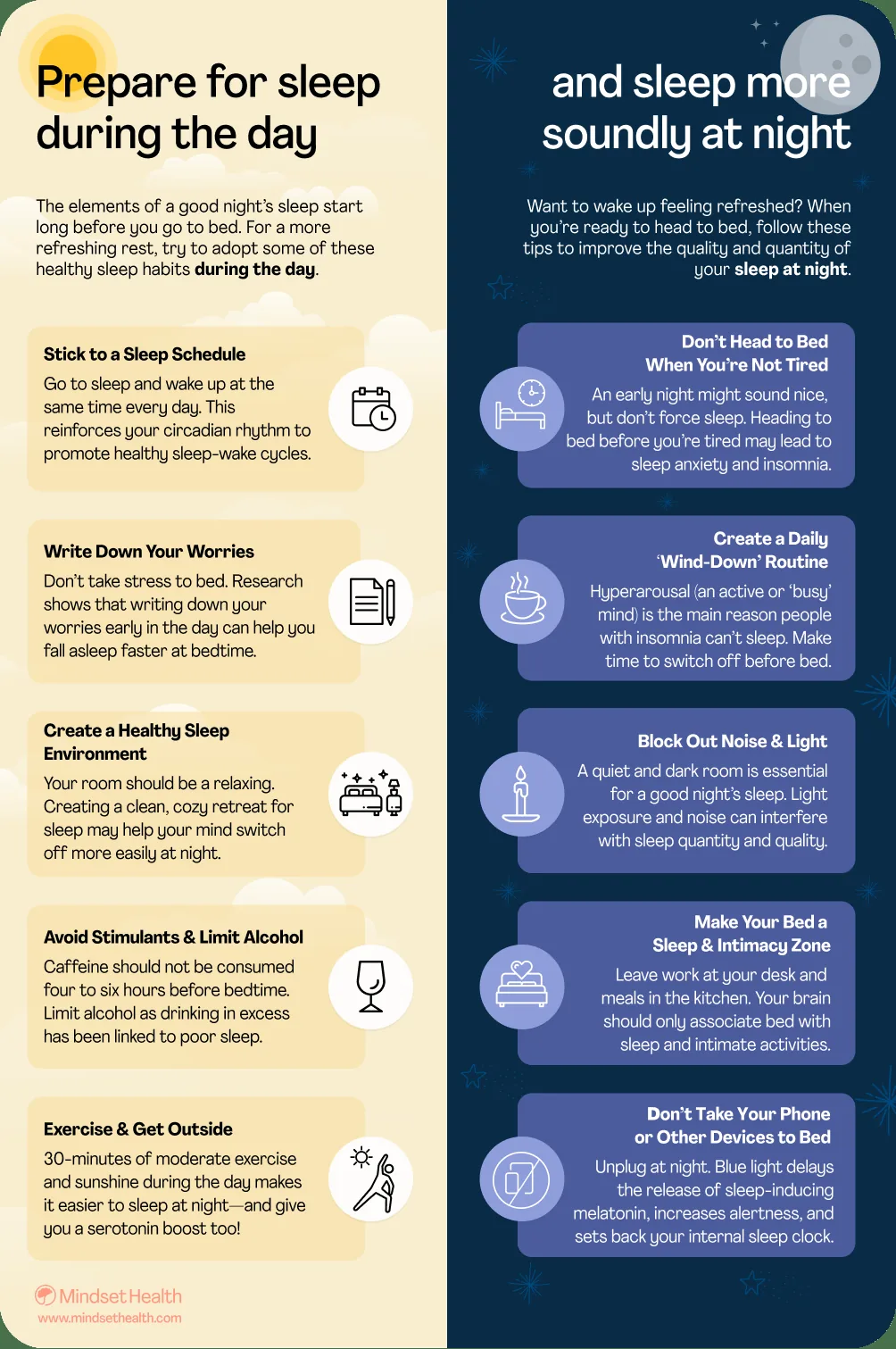
More than half of Americans leave their earned vacation days completely unused, often out of fear that stepping away will derail their momentum. Yet research suggests the opposite is true: people who actually take time off frequently return with sharper focus and better performance reviews. I’m not a doctor or a sleep specialist—just someone who spent considerable time digging into the evidence around rest, recovery, and daily habits—and what I found makes a strong case for rethinking how we use our paid time off.
Beyond simply feeling more relaxed, understanding how vacation improves sleep hygiene reveals a practical path to deeper rest without losing ground at work. Small observational studies using wrist trackers have noted that even a few days away can add meaningful, quality hours to a person’s nightly sleep and noticeably improve daytime reaction times. When you pair that extra rest with the well-documented drops in stress-related complaints like headaches and backaches, taking time off starts to look less like an indulgence and more like a foundational health habit.
This guide breaks down the physical and mental benefits of stepping away—from cardiovascular support and improved mood to stronger family connections—and pairs them with actionable ways to protect your productivity while you recharge. Because individual health needs vary, consider discussing any persistent sleep difficulties with a qualified healthcare professional before making significant changes to your routine. The information here is intended as general reference material and does not replace personalized medical advice.
Recognizing the Signs of Poor Sleep Hygiene Before You Book a Trip
Before planning time off, it helps to understand what poor sleep hygiene—the daily habits and routines that support restful sleep—actually looks like. Exploring how vacation improves sleep hygiene starts with noticing when your current routine falls short.
Common symptoms: daytime fatigue, difficulty falling asleep, and frequent nighttime awakenings
General health information suggests several common signs that nightly rest may be disrupted. While occasional restless nights happen to everyone, a recurring pattern often points to lifestyle factors rather than a specific medical condition.
- Daytime fatigue: Feeling unusually tired or sluggish during normal waking hours, even after spending enough time in bed.
- Difficulty falling asleep: Tossing and turning for extended periods before finally drifting off.
- Frequent nighttime awakenings: Waking up multiple times and struggling to return to sleep.
Think of your sleep routine like charging a phone with a frayed cable—the connection is inconsistent, so the battery never fully recovers. If you notice these patterns regularly, consider speaking with a healthcare professional to rule out underlying issues. This content is for reference only and does not replace professional medical advice.
How chronic stress and skipping time off contribute to disrupted sleep cycles
Skipping vacations can take a real toll on rest. Research suggests that people who rarely take time off often report higher levels of ongoing tension. Interestingly, small tracking studies have observed that individuals gained roughly one extra hour of quality sleep after just two to three days away from their usual environment.
Understanding how vacation improves sleep hygiene means recognizing that stepping away allows the nervous system to settle. Constant work pressure keeps the body in an alert state, making it much harder to wind down at night. Chronic stress is also linked to physical complaints like headaches and backaches, which further interfere with comfort in bed.
Taking earned time off—even a brief trip focused on enjoyable activities rather than simply doing nothing—can help lower overall stress. A practical tip: try logging off work devices completely while away, as constantly checking emails tends to undermine the mental break you need.
Fact-checked. If you have a specific concern about persistent sleep difficulties, consider speaking with a sleep medicine specialist or a primary care provider.

Why 54 Percent of Americans Are Leaving Health Benefits on the Table
The widespread habit of forfeiting earned vacation days and its toll on well-being
Research suggests that more than half of American workers do not use all their paid time off. As a person researching daily health habits, I find this pattern concerning because unused leave represents a missed opportunity for physical recovery. When people skip breaks, they often experience higher stress levels and reduced overall satisfaction.
Taking time away supports cardiovascular health and emotional balance. Exploring how vacation improves sleep hygiene reveals that stepping away from routines allows the body to reset its natural rest cycles. Think of it like charging a phone: running it down constantly eventually damages the battery.
Common consequences of skipping earned time off include:
- Persistent tension and elevated stress markers
- Reduced focus and lower work performance
- Fewer positive emotions and diminished life satisfaction
Health authorities generally advise building regular rest into your schedule to support long-term wellness.
Understanding vacation-related guilt and anxiety that keeps people from logging off
A meaningful portion of workers report feeling anxious or guilty about taking time off. This hesitation often stems from workplace culture or fear of falling behind. However, avoiding rest undermines the very benefits time off is meant to provide.
To actually gain from a break, fully disconnecting is essential. Frequently checking work emails during a trip limits recovery. Understanding this dynamic means recognizing that mental detachment from work tasks is just as important as physical rest. Without unplugging, the nervous system rarely shifts out of its alert state.
Practical ways to reduce vacation guilt include:
- Setting clear out-of-office messages before leaving
- Delegating tasks to trusted colleagues in advance
- Reminding yourself that rest supports better productivity upon return
Fact-checked. This content is for reference only and does not replace professional medical advice. If you have a specific concern about chronic stress or sleep difficulties, consider speaking with a primary care provider or a sleep medicine specialist.
How Taking Time Off Directly Improves Sleep Quality and Reaction Times
Understanding this concept starts with looking at what happens when we step away from daily routines. As someone who researches healthy habits, I find the connection between time off and better rest especially compelling.
Evidence from wrist-tracker studies showing an extra hour of quality rest after just two to three days away
A small study using wrist-worn activity trackers found that people who spent just two to three days on vacation added roughly one more hour of quality rest to their nightly routine. Their reaction times also improved significantly. Think of it like letting a constantly running computer reboot—suddenly, everything responds faster.
This matters because reaction time affects everyday safety, from driving to catching yourself if you trip. You do not need weeks away to notice a difference. Even a short break can help reset your body’s internal clock. To support this process, consider these practical steps:
- Keep wake-up times relatively consistent, even while traveling.
- Limit screen use in the hour before bed.
- Make your sleeping space dark, quiet, and cool.
The connection between reduced stress complaints and deeper, more restorative sleep stages
Research suggests that taking time off lowers stress-related complaints, such as headaches and backaches. Importantly, those benefits can last for several weeks after returning home. When the body is under less tension, it transitions more easily into deeper, more restorative sleep stages—the phases where physical repair and memory consolidation happen.
Learning the method means recognizing that chronic stress keeps the nervous system on high alert, making it harder to reach those deep cycles. A practical tip: try to fully log off work emails during your time away. Constantly checking messages keeps stress signals active, which undermines the very rest you are trying to get.
Fact-checked. This content is for general reference only and does not replace professional medical advice. If you have ongoing concerns about your sleep or stress levels, consider speaking with a sleep medicine specialist or your primary care provider.
The Cascading Health Benefits of Vacation That Support Better Rest
Understanding this concept involves looking beyond the bedroom. Time away from daily demands creates a ripple effect across physical and mental health, which ultimately shapes how well you rest at night.
Cardiovascular protection backed by long-running research like the Framingham Heart Study
Taking time off appears to support heart health. Long-running cardiovascular research, including the Framingham Heart Study, suggests that people who take regular vacations may face a lower risk of serious cardiac events compared to those who rarely take breaks.
Think of your cardiovascular system like an engine running constantly without an oil change. A break allows it to cool down. Practical ways to protect your heart during time off include:
- Leaving work devices behind so your body can genuinely shift out of stress mode
- Choosing activities you enjoy rather than forcing yourself to simply lie on a beach
- Using earned paid time off instead of letting it expire unused
A calmer cardiovascular system often translates to fewer nighttime awakenings. If you have specific concerns about heart health or sleep disruptions, consider speaking with a cardiology or sleep medicine provider.
Reductions in depressive symptoms and increases in positive emotions that calm the nervous system at bedtime
Vacations do more than just remove negative feelings; they actively build positive ones. Research suggests that taking time away is associated with greater life satisfaction and a meaningful decrease in depressive symptoms.
This emotional shift matters for understanding this approach. When your nervous system is less burdened by stress, falling asleep becomes easier. To maximize these calming benefits, try to:
- Engage in novel experiences, like exploring nature or trying a new hobby
- Commit fully to the trip, as lingering guilt about being away can undermine relaxation
- Focus on building daily habits for better rest even while traveling
It is worth noting that some people feel anxious about stepping away from responsibilities. Acknowledging that feeling is normal can help you move past it and actually enjoy your time off.
Fact-checked. This content is for reference only and does not replace professional medical advice. Details regarding health guidelines can change over time.
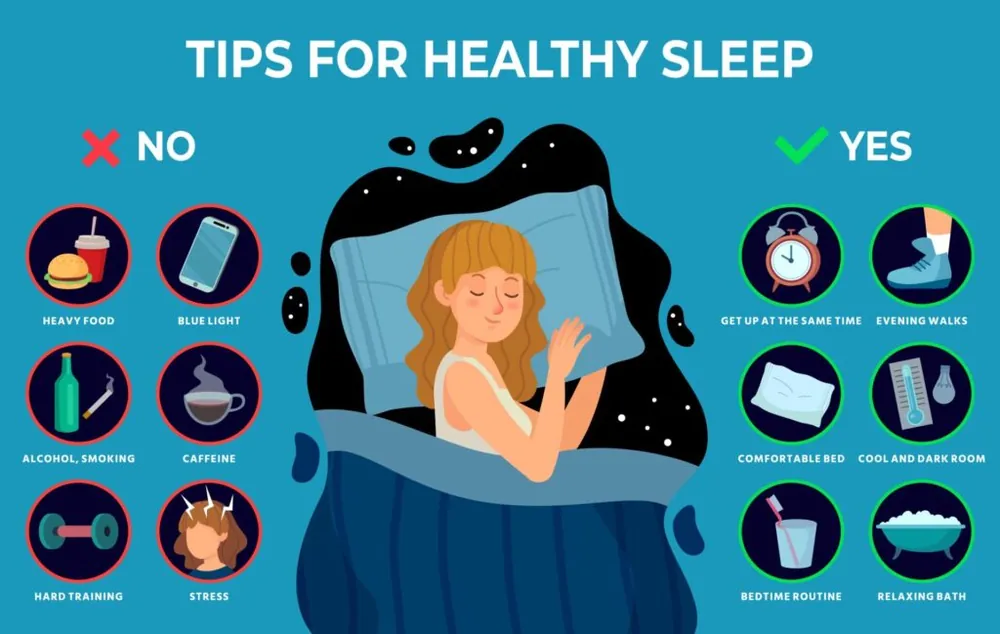
How to Vacation the Right Way to Maximize Sleep Hygiene Gains
Understanding this concept means looking beyond simply booking time off. The way you spend those days directly shapes your rest. Research suggests that even a short getaway can add meaningful quality hours to your nightly sleep routine, but only if you approach it intentionally.
Disconnecting from work emails and devices to fully engage with family and experiences
A significant portion of travelers frequently check work emails during their time off, which undermines the very purpose of a break. Constant notifications keep your nervous system in a state of alertness, making it much harder to wind down at night. To truly benefit, health authorities generally advise setting firm boundaries with technology so your brain can shift out of work mode.
Practical steps to disconnect include:
- Turning off push notifications for email and messaging apps before you leave
- Leaving work laptops at home rather than packing them "just in case"
- Scheduling specific, brief windows to check urgent messages instead of browsing constantly
When you put the phone away, you are more present with family and new surroundings. This presence builds positive emotions and lowers stress, both of which are foundational to healthy sleep patterns. Think of it like closing every browser tab on a sluggish computer; shutting down digital noise allows your mind to finally process and rest.
Choosing active, fulfilling itineraries over passive lounging to promote physical tiredness and mental satisfaction
Many people assume that maximizing rest means doing absolutely nothing. However, spending entire days sitting passively often leaves you feeling restless rather than refreshed. Engaging in activities you genuinely enjoy—whether kayaking, exploring nature trails, or trying something completely new—creates a satisfying type of physical tiredness that naturally supports deeper sleep.
Fulfilling vacations tend to share a few traits:
- They involve gentle movement that tires the body without causing exhaustion
- They introduce novel experiences that stimulate the mind positively
- They focus on personal joy rather than checking off generic tourist obligations
This combination of physical engagement and mental satisfaction is central to the method. When you return home having actively enjoyed yourself, your body recognizes the difference between productive fatigue and stagnant lethargy. If persistent sleep difficulties continue after your trip, consider speaking with a sleep medicine specialist for personalized guidance.
Fact-checked. This content is for general reference only and does not replace professional medical advice.
Translating Vacation Sleep Habits Into Long-Term Productivity and Longevity
Understanding this connection helps explain why time off often leads to better professional outcomes. When you step away from daily demands, your body can reset its natural rest patterns.
Internal corporate data linking additional time off to higher performance reviews
Internal surveys at major consulting firms suggest that employees who take more paid time off often receive stronger end-of-year evaluations. One large professional services firm found that workers using extra vacation hours tended to perform noticeably better during annual reviews. A separate global consulting group reported similar results when staff were required to fully disconnect.
This pattern extends beyond large corporations. Research involving small business owners indicates that many experience improved on-the-job performance after returning from a break. The connection between rest and output makes sense: stepping away reduces mental fatigue, allowing sharper focus later.
A practical example of this is treating your days off like a non-negotiable appointment rather than an optional luxury:
- Schedule time away well in advance
- Fully log off work devices while traveling
- Plan activities that genuinely recharge you
Small tracking studies have observed that spending just a few days away can add meaningful rest to a nightly routine, which may also sharpen reaction times upon returning.
Research connecting skipped vacations to worse self-rated health and increased all-cause mortality
Skipping time off appears to carry real health consequences. Research published in geriatric medicine suggests that individuals who take shorter or fewer vacations tend to report worse overall health and face a higher risk of all-cause mortality—a term meaning death from any underlying reason.
Cardiovascular research supports this link. Long-running heart studies indicate that people who take regular annual vacations may have a lower likelihood of fatal cardiac events compared to those who rarely travel. Beyond physical risks, taking breaks is also tied to greater life satisfaction and fewer depressive symptoms, helping build positive emotions rather than merely reducing negative ones.
To protect your long-term well-being, consider these habits:
- Use your available paid time off each year
- Resist the urge to frequently check work emails while away
- Engage in enjoyable experiences instead of only resting passively
Seeing this pattern translate into broader longevity highlights why rest matters. If you have concerns about chronic stress or persistent sleep issues, consider speaking with a primary care provider or a sleep medicine specialist.
Fact-checked. This content is for reference only and does not replace professional medical advice.
When to See a Doctor About Persistent Sleep Issues Despite Taking Time Off
Understanding this topic is valuable. Research summarized in health media suggests that even short trips can add meaningful rest, sometimes giving people an extra hour of quality sleep. However, if you return from time off still exhausted, it may be time to look deeper.
Red Flags Such as Loud Snoring, Gasping for Air, or Severe Insomnia That Vacations Cannot Resolve
A relaxing trip can ease stress-related tension, but it cannot fix structural or neurological issues. Think of it like taking your car on a smooth road: the ride feels better, but a mechanical problem under the hood remains. Clinical guidance generally highlights several warning signs that lifestyle changes alone are unlikely to resolve:
- Loud, disruptive snoring that others notice regularly
- Gasping or choking sounds during sleep, which can signal interrupted breathing
- Severe insomnia that persists even after days away from work demands
While learning these methods helps build better daily habits, these specific red flags often point to underlying conditions requiring professional attention rather than just more time off.
Seeking Professional Evaluation for Underlying Sleep Disorders Before Relying Solely on Lifestyle Changes
If restful nights remain out of reach despite genuine downtime, scheduling an appointment with a licensed healthcare provider is a practical next step. A clinician can review sleep patterns and determine whether further testing, such as a sleep study, is appropriate. Attempting to manage potential sleep disorders using only relaxation techniques or schedule adjustments might delay helpful care.
I am not a doctor, and this information is based on my own research into healthy daily habits. Details around sleep science evolve, so always consult a qualified professional for personal concerns. This content is for reference only and does not replace professional medical advice. Fact-checked.
If you have a specific concern about persistent fatigue or disrupted rest, consider speaking with a specialty provider, such as a sleep medicine physician.
The Bottom Line
After researching this topic, it is clear that understanding this version comes down to intentional planning rather than simply taking days off. Time away from work offers a practical window to reset daily routines—like consistent wake times and reduced evening screen exposure—without the pressure of an immediate early alarm. General health guidance suggests these small adjustments can support more restful nights while keeping you engaged when you return to your responsibilities.
To put this into practice, pick one specific habit to focus on during your next time off, such as setting a fixed bedtime or dimming lights an hour before sleep. Keep a brief note of how you feel each morning to see what works best for your routine. If you have a specific concern about ongoing sleep difficulties, consider speaking with a sleep medicine specialist. Fact-checked. This content is for reference only and does not replace professional medical advice.
References
- Sleep hygiene - Wikipedia (en.wikipedia.org)
- How Taking a Vacation Improves Your Well-Being (hbr.org)