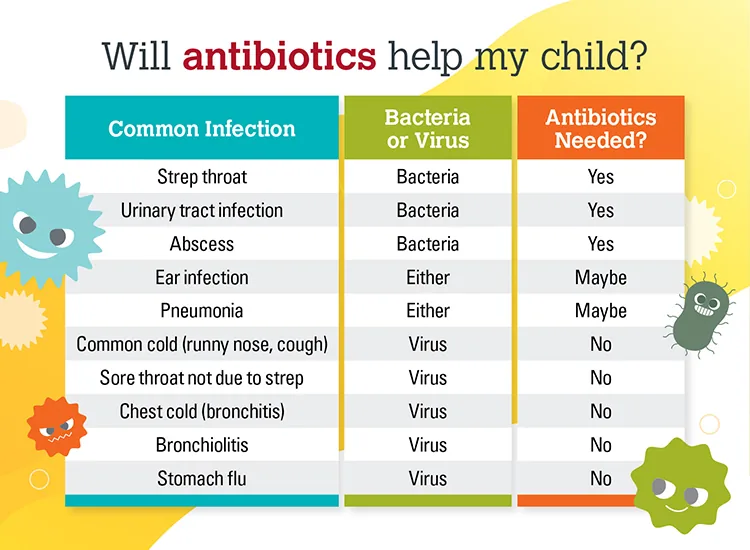
Most respiratory infections, like the common cold, are caused by viruses—meaning antibiotics, which only target bacteria, won’t help you recover faster. Yet research suggests that remote telemedicine consultations often result in higher antibiotic prescribing rates compared to traditional in-person visits. Without an established doctor-patient relationship or a hands-on physical exam, clinicians may lean toward prescribing medication simply to be safe, even when it isn’t medically necessary.
Taking antibiotics when they aren’t needed carries real downsides: unnecessary costs, potential side effects like digestive upset, rashes, or allergic reactions, and the long-term risk of creating resistant bacteria that standard medications can no longer treat. I’m not a doctor—I’m just someone who spends time researching health topics and breaking them down clearly—but understanding these patterns is essential for protecting your well-being.
This article walks through practical, responsible antibiotic use tips so you know what questions to ask during any medical visit, whether virtual or in person. You’ll learn why shorter appointments don’t always mean better care, how convenience can sometimes compromise treatment quality, and what steps you can take to advocate for yourself. If you’re ever unsure about a prescription, consider speaking with an infectious disease specialist or your primary care provider before starting a new medication.
How to Tell If Your Symptoms Actually Need Antibiotics
Recognizing the difference between viral and bacterial respiratory infections
As someone who spends time researching healthy daily habits, I’ve learned that understanding responsible antibiotic use starts with knowing what these medicines actually target. Antibiotics only work against bacteria, not viruses. Clinical guidance generally states that the vast majority of common respiratory tract infections are viral, meaning antibiotics will not help.
Without a proper physical exam—such as having a provider look inside an ear—it is difficult to distinguish between the two. Remote consultations can sometimes lead to unnecessary prescriptions because the clinician lacks that hands-on context. A licensed healthcare professional can evaluate symptoms safely rather than guessing.
Why most colds resolve without antibiotic treatment
Taking antibiotics for a viral cold carries real downsides. Health authorities generally advise against it because:
- Unnecessary cost: Paying for medicine you do not need adds up.
- Side effects: Antibiotics are not benign; they can cause digestive upset, such as diarrhea, rashes, or allergic reactions.
- Bacterial resistance: Overuse encourages stronger bacteria that future medicines may struggle to treat.
Think of it like using a heavy-duty stain remover on plain water—it simply does nothing useful and might damage the fabric. Colds usually clear on their own with rest and basic self-care. Practicing responsible antibiotic use means saving these medications for when a provider confirms they are truly needed.
Fact-checked. This content is for reference only and does not replace professional medical advice. Details can change as guidelines update. If you have a specific concern about recurring infections or medication side effects, consider speaking with an infectious disease specialist or your primary care provider.

Core Responsible Antibiotic Use Tips for Every Patient
I researched these responsible antibiotic use tips because understanding when medication helps—and when it doesn’t—is a basic health habit. This information is for reference only and does not replace professional medical advice.
Never self-diagnose or demand a prescription you don't need
Most common respiratory infections, like colds, are caused by viruses. Antibiotics only work against bacteria, so taking them for a viral illness won’t speed up recovery. Research suggests that requesting antibiotics just to feel like something is being done can lead to unnecessary prescriptions, especially during remote consultations where a physical exam isn't possible.
Unneeded medications carry real downsides:
- Side effects such as digestive upset, rashes, or allergic reactions
- Extra costs for treatments that provide no benefit
- Bacterial resistance, which can create harder-to-treat infections later
A licensed provider can determine if an antibiotic is actually appropriate for your situation.
Always complete the full prescribed course even if symptoms improve
When a clinician prescribes an antibiotic, they set the duration based on the specific infection. Stopping early because you feel better is a common mistake. Health authorities generally advise finishing the entire course to ensure the targeted bacteria are fully cleared.
Think of it like baking: pulling bread out of the oven early leaves the center raw. Similarly, stopping treatment prematurely may leave some bacteria behind. These surviving organisms can adapt, potentially making future infections much more difficult to manage. Following through with this recipe helps protect both your own health and the broader community.
If you have concerns about whether an antibiotic is right for you, consider speaking with an infectious disease specialist or your primary care provider.
The Hidden Risks of Taking Antibiotics When You Don't Need Them
Antibiotics only work against bacteria, not viruses like the common cold. Health authorities generally advise that taking them when they are unnecessary can cause real harm. Keeping these risks in mind helps protect your overall health.
Common adverse effects include diarrhea, rashes, and severe allergic reactions
Antibiotics are not benign medications. Research suggests they can trigger unwanted side effects even when prescribed correctly. Common issues include:
- Diarrhea, which happens because the medication disrupts the natural balance of helpful bacteria in your gut
- Skin rashes that may appear unexpectedly during treatment
- Rare but serious allergic reactions, such as throat swelling that requires immediate emergency care
Think of antibiotics like a strong cleaning solvent: useful for a specific stain, but damaging if applied to the whole floor unnecessarily. If you notice unusual symptoms after starting a prescription, contact a licensed provider promptly rather than waiting.
Unnecessary financial costs from medications that won't help you recover
Paying for a medicine your body does not need is a waste of money. Since most respiratory infections are viral, an antibiotic will not speed up recovery. Yet, convenience-driven visits—like some telemedicine consultations without a physical exam—can sometimes lead to overprescribing simply to satisfy patient expectations quickly. This means you spend money on a drug that offers no benefit while exposing yourself to potential side effects.
A practical part of this approach is asking your clinician whether your illness is actually bacterial before filling any prescription. A thorough evaluation matters more than a fast one.
Understanding Antimicrobial Resistance and Superbugs
How inappropriate use creates bacteria that no medication can defeat
I am not a doctor—just someone who researches health topics carefully. Health authorities generally advise that antibiotics only work against bacteria, not viruses like the common cold. When these medicines are prescribed unnecessarily, surviving germs can adapt into superbugs: strains that standard treatments cannot stop.
Research suggests remote consultations sometimes lead to more antibiotic prescriptions than in-person visits. Without a physical exam or an established patient relationship, a provider might prescribe antibiotics defensively rather than explaining why rest is the better path. Unnecessary prescriptions also bring real downsides:
- Unwanted costs for medicine you do not need
- Potential side effects like diarrhea, rashes, or allergic reactions
- Increased risk of creating resistant bacteria
Following basic guidance means asking your clinician whether your illness is actually bacterial before expecting a prescription.
Why protecting your own health also protects your community
Resistant bacteria do not stay isolated inside one person; they spread through households, workplaces, and neighborhoods. Practicing responsible antibiotic use is ultimately a shared responsibility.
Think of it like washing your hands during flu season: a small personal habit that shields others. If you develop a resistant infection, you could pass those tougher germs to someone with a weaker immune system. Always consult a qualified healthcare professional before starting or stopping any medication. Details around treatment guidelines can change, so verify current advice directly with your provider.
Fact-checked. This content is for reference only and does not replace professional medical advice. If you have a specific concern about infections or antibiotic safety, consider speaking with an infectious disease specialist or your primary care provider.

Why Telemedicine Consultations Can Lead to Overprescribing
How shorter visit times and patient satisfaction scores drive unnecessary prescriptions
Remote consultations are convenient, but research suggests they can lead to higher antibiotic prescribing compared to in-person primary care. When platforms reward clinicians for shorter visit times and high satisfaction scores, it creates a problematic incentive. Explaining why a viral cold does not need antibiotics takes time and may disappoint a person expecting a quick fix. Instead of practicing what some call "cover your butt" medicine—prescribing just to avoid complaints or liability—a longer conversation about rest and hydration is often more appropriate. Basic principles include understanding that these medications only target bacteria, not viruses.
The dangers of missing a physical exam and an established doctor-patient relationship
Without an ongoing relationship, a clinician cannot gauge how a specific person typically handles illness. A provider who knows you well understands whether you tend to worry early or push through significant discomfort. Furthermore, remote visits lack a physical exam. For instance, evaluating a fussy child with a fever usually requires looking inside their ears to distinguish between a viral and bacterial cause. Skipping this step increases the chance of receiving unneeded medication, which carries real downsides:
- Unnecessary financial cost for medicines you do not need
- Adverse effects like diarrhea, rashes, or allergic reactions
- Contribution to antibiotic-resistant bacteria
Applying this method means asking questions during virtual visits rather than assuming a prescription is necessary. This information is for reference only and does not replace professional medical advice. If you have a specific concern, consider speaking with a primary care provider or infectious disease specialist.
When to See a Doctor Instead of Relying on Remote Care
Remote consultations offer convenience, but research suggests they can lead to unnecessary antibiotic prescriptions, especially for viral colds. Understanding this distinction means recognizing when an in-person visit is safer.
Red flag symptoms in infants and children that require an in-person physical exam
A remote doctor cannot look inside a baby’s ear or listen to their lungs. Without a physical exam, it is nearly impossible to tell if a child's fussiness and fever stem from a virus or a bacterial infection. Health authorities generally advise seeking hands-on care when a child shows:
- Persistent high fever without a clear cause
- Severe ear pain or unusual drainage
- Difficulty breathing or rapid breathing
Prescribing antibiotics just to be safe can cause adverse effects like diarrhea or allergic reactions, and contributes to drug-resistant bacteria. A provider who knows your child’s typical behavior is better equipped to make the right call.
Situations where a remote consultation simply isn't safe enough
Telemedicine works well for minor follow-ups, but shorter visits focused on patient satisfaction sometimes result in prescribing medications a person doesn't actually need. In-person evaluation is generally recommended for:
- Symptoms requiring at-home health monitoring devices verification alongside a clinical exam
- New, unexplained rashes or swelling
- Conditions needing imaging or lab work
Practicing this approach includes asking why a prescription is necessary rather than expecting one for quick relief. This content is for reference only and does not replace professional medical advice. Fact-checked. If you have a specific concern, consider speaking with a primary care or pediatric specialty provider.
Key Takeaways
Putting this dish into practice comes down to a few straightforward habits: only take antibiotics when a licensed provider prescribes them, finish the full course exactly as directed, and never share leftover medication with someone else. As someone who spends time researching health topics for this site, I have found that clinical guidance consistently emphasizes these basics because they directly affect how well treatments work over time.
Zooming out, the reason these small daily choices matter is much larger than any single illness. When bacteria repeatedly encounter antibiotics used incorrectly, they can adapt and survive, making future infections harder to treat for everyone in the community. Protecting the effectiveness of these medicines is a shared responsibility that preserves options for people who will genuinely need them years from now. If you have a specific concern about an infection or medication management, consider speaking with an infectious disease specialist or your primary care provider.
