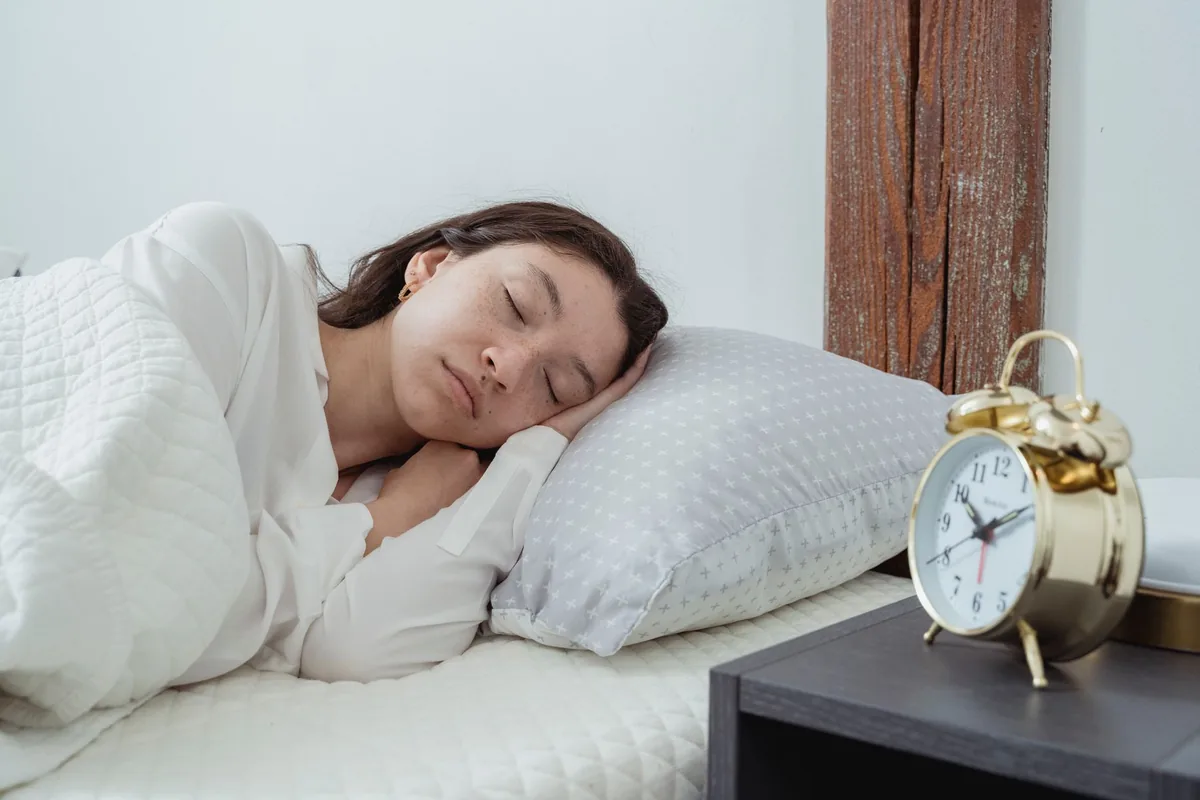
Most people don't struggle to fall asleep because they forgot to try harder. They struggle because the hour before bed was spent in bright light, a warm room, and a head full of unfinished tasks — and by the time their head hit the pillow, their body had no idea it was supposed to wind down. Good rest rarely starts at bedtime. It starts two or three hours earlier, with a handful of small, repeatable choices that tell your brain the day is over.
That's really what sleep hygiene means: not a rigid ritual or a magic routine, but a set of practical conditions and habits that make sleep easier to come by. Research suggests that things like a cool, dark, quiet bedroom, a consistent wind-down period, and careful timing of caffeine can all support the natural rhythm your body already runs on — the internal clock that releases melatonin, a hormone that helps you feel sleepy, when it gets dark. None of this is a cure for a sleep disorder, and it won't fix a schedule that's genuinely impossible, but for a lot of people it's the difference between lying awake and drifting off.
What follows is a careful, plain-language walkthrough of how to build a sleep hygiene routine — prepping your bedroom in advance so it's ready before you are, keeping lights low and screens dim as bedtime approaches, choosing a caffeine-free evening drink, and clearing tomorrow's to-dos onto paper so your mind isn't holding onto them at midnight. It's written from a research-summarizing standpoint, not a clinical one, so treat it as general information to discuss with a qualified healthcare professional if you have ongoing sleep concerns.
What Sleep Hygiene Means and Why Consistency Matters
Sleep hygiene is the daily set of habits and environment choices that set up better sleep.
Sleep hygiene is not a single trick; it is the daily set of habits and environment choices that make sleep easier. To learn how to build a sleep hygiene routine, start by preparing your bedroom two to three hours before bed: cooler temperature, comfortable humidity, and as much darkness as possible. Research suggests even small light sources can make it harder to fall asleep and stay asleep, so blackout shades or a sleep mask can help.
- Keep the room cool and well ventilated.
- Use a humidifier if dry air irritates your nose or throat.
- Dim lights in the evening to support natural melatonin release.
A practical wind-down might include a caffeine-free herbal tea, light stretching, and writing a short to-do list for tomorrow. If sleep problems persist, a qualified healthcare professional can help.
A consistent wake time and bedtime, including weekends, helps anchor your circadian rhythm.
Your circadian rhythm is the body’s internal 24-hour clock. It uses light, darkness, and timing of sleep to regulate alertness and sleepiness. A fixed wake time is often the strongest anchor; keeping it within about an hour on weekends can reduce “social jet lag.” Bedtime consistency matters too, but waking at the same time helps set the rhythm. Research suggests irregular schedules can make it harder to fall asleep and wake up feeling refreshed.
In the evening, dim lights and choose caffeine-free tea rather than caffeinated green tea, since caffeine can disrupt sleep stages. Keep a notepad for tomorrow’s tasks so your mind isn’t rehearsing them in bed. If you have a specific concern about sleep, consider speaking with a sleep medicine specialist or your primary care provider.
Fact-checked. General information only; not a substitute for professional medical advice.

Prep Your Bedroom Environment Before Bedtime
Set temperature, humidity, and blackout shades two to three hours before bed so the room is ready when you are.
A key step in how to build a sleep hygiene routine is to prep your bedroom early. Instead of adjusting things right before you lie down, set them two to three hours ahead. That way, when you are ready for sleep, the room already supports rest, and you are not lying awake fiddling with controls. Think of it like preheating an oven: you want the environment ready before you need it.
Focus on three adjustments:
- Temperature: Cool the room to a comfortable, slightly cool level. Many people aim for around 65°F, but the right setting is whatever feels cool without being cold to you.
- Humidity: If the air is dry from heating or air conditioning, run a humidifier to add moisture.
- Light: Close blackout shades or curtains to block outside light, including streetlamps and early dawn.
A cooler room supports the natural drop in core body temperature, moist air helps with dry nasal passages, and darkness protects melatonin release.
Your body follows a daily rhythm called the circadian rhythm. As bedtime approaches, your core body temperature naturally falls, which helps trigger sleepiness. A cooler room assists that drop, so you fall asleep more easily. If the room is too warm, your body may try to cool itself by sweating, leading to restless, sweaty sleep.
Dry air irritates the nasal passages, throat, and lips, making it harder to breathe comfortably. A humidifier keeps mucous membranes moist, which can reduce that scratchy feeling. Finally, darkness matters because melatonin—a hormone that promotes sleepiness—is released when your eyes detect low light. Even small light sources can interfere. So make your room as dark as a cave. If you cannot block all light, a comfortable sleep mask can help. For persistent sleep issues, talk with a qualified healthcare professional.
Make Grooming and Oral Care Part of Your Nightly Routine
When learning how to build a sleep hygiene routine, the bathroom often gets overlooked. Yet the right grooming and oral care habits can calm your mind and body before bed instead of revving them up.
Brush your teeth at least twice a day and address sensitivity or gum concerns with the right dental products.
Health authorities generally advise brushing at least twice daily, with one session right before bed. This removes plaque and bacteria that build up during the day. If you have sensitive teeth—pain from cold or hot foods—or gum concerns like bleeding or tenderness, a soft-bristled brush and a toothpaste formulated for sensitivity or gum health can make a difference. Research suggests a link between oral health and overall health, including cardiovascular outcomes, so this step matters beyond your mouth.
A simple nighttime oral care list:
- Brush gently for two minutes, covering all surfaces.
- Floss once daily to clean between teeth.
- Use a sensitivity or gum-specific toothpaste if needed.
Practical tip: keep your toothbrush and paste visible on the counter. If you're exhausted, that visual cue helps you avoid skipping. Persistent sensitivity or bleeding gums warrant a dental visit.
Keep skincare and grooming simple so they help you transition to sleep instead of stimulating you.
Elaborate routines with many steps, bright lights, and active ingredients can wake you up. The video’s approach is a good model: trim facial hair with a beard trimmer or shaver, then use a basic cleanser and moisturizer. That’s it. The goal is to signal “wind-down,” not “project.”
To keep things sleep-friendly:
- Dim the bathroom lights if possible.
- Use lukewarm water, not hot.
- Limit your routine to three steps or fewer.
Lay out products beforehand so you’re not rummaging. Many people find that a short, predictable grooming ritual becomes a mental cue for sleep. This is general information, not medical advice; for persistent skin or dental issues, consult a dentist or dermatologist.
Use a Quiet Wind-Down Sequence Before Bed
Fact-checked. A wind-down sequence is a repeated set of low-stimulation steps that tells your brain the day is ending. It is a core part of this recipe, and health authorities generally advise keeping the bedroom cool, dark, and quiet. The goal is not perfect sleep; it is a gentle transition.
Take a calm, dark walk or do another low-stimulation activity to help your body shift into sleep mode.
A calm, dark walk is a simple way to shift gears. When streets are quiet and light is low, gentle movement can help release leftover tension without revving you up. Leave your phone behind or keep it pocketed, and choose a familiar route so you are not problem-solving.
If going outside is not safe or practical, pick another low-stimulation activity: gentle stretching, reading a paper book under a dim lamp, or listening to quiet audio. Skip exciting shows, arguments, work email, and bright screens. The pattern matters more than the specific activity.
- Keep the pace easy and the route familiar.
- Avoid intense exercise, news, or stressful conversations.
- Repeat the same sequence most nights.
Dim the lights and choose caffeine-free herbal tea instead of caffeinated drinks that can fragment sleep stages.
Dimming the lights in the last hour or two before bed supports melatonin, a sleepiness hormone that rises in darkness. Use one lamp instead of overhead lights, and lower brightness on any screen you truly need.
For a drink, choose caffeine-free herbal tea such as chamomile. Green tea, black tea, coffee, cola, and some energy drinks contain caffeine, which can fragment sleep stages even if you fall asleep. A warm mug can also become a cue that bedtime is near.
This is general information, not medical advice. If sleep problems continue, consider speaking with a sleep medicine specialist or your primary care clinician through a provider directory.
Write Tomorrow's To-Do List to Clear Bedtime Anxiety
Bedtime anxiety often shows up as a mental loop: tasks, errands, and half-finished conversations replay while you lie still. A small habit can interrupt that loop: Write tomorrow's to-do list before bed. This is one simple piece of sleep hygiene—the daily habits and bedroom conditions that support sleep.
Write down the next day's tasks before bed so you are not trying to remember them while lying awake.
Keep a pad or notes app nearby during wind-down, not in bed. Spend a few minutes listing what needs attention tomorrow: calls, errands, work items, personal reminders. Then add one small priority and one thing you can defer. Many people find that writing signals to the brain that the information is stored, so it does not need to keep rehearsing it. The goal is not a perfect plan; it is a reliable parking spot for unfinished business.
- Write specific actions, not vague worries.
- Include tomorrow's first step, such as packing a bag or reviewing a schedule.
- Note anything you are waiting on from someone else.
Keep the list outside the bed or bedroom so your mind can let go of unfinished business.
Place the list on a desk, kitchen counter, or hallway table—anywhere outside the sleep space. The bedroom should stay associated with rest, not planning. If the list stays on the nightstand, you may be tempted to reread it, add items, or mentally solve problems at 2 a.m. Keeping it outside the room creates a physical boundary that supports the mental one.
This also fits the broader sleep hygiene idea: cool, dark, quiet bedroom; dim lights before bed; no caffeine late in the day; and a consistent wind-down. The list is one small tool, not a cure. If you have a specific concern, consider speaking with a sleep medicine specialist or your primary care provider.
Fact-checked. This is general information for reference only and does not replace professional medical advice.

Common Adjustments That Make Sleep Hygiene Work
Limit caffeine, alcohol, nicotine, heavy meals, and long naps close to bedtime.
One of the most effective adjustments for the method is to watch what you consume before bed. These substances and habits can interfere with falling asleep or staying asleep:
- Caffeine — a stimulant that can linger for hours; avoid it in the late afternoon and evening.
- Alcohol — may feel relaxing but often disrupts deeper sleep stages later in the night.
- Nicotine — another stimulant that makes it harder to drift off.
- Heavy meals — digestion can cause discomfort or reflux when you lie down.
- Long naps — napping too long or too late reduces your sleep drive at night.
Many people find that a simple rule helps: finish eating a few hours before bed, and set a caffeine cut-off in the early afternoon. If you take prescription medications, ask a clinician about timing and interactions rather than adjusting on your own.
Get regular daytime exercise and manage evening light exposure, especially from screens, to support your sleep-wake cycle.
Your body's internal clock, or circadian rhythm, responds to two main cues: movement and light. Regular daytime exercise—even a brisk walk—helps deepen sleep at night. But intense workouts too close to bedtime can be stimulating for some people, so aim to finish a few hours before bed if you notice it keeps you awake.
Evening light is equally important. Bright light, especially the blue light from phones, tablets, and laptops, can suppress melatonin—the hormone that signals sleepiness. As one nighttime routine video notes, keeping lights dim and using blackout shades can make a real difference. Try dimming overhead lights in the evening, switching screens to night mode, or simply putting devices away an hour before bed. Think of light as a "daytime" signal; when you flood your eyes with it at night, your brain thinks it's still daytime.
This content is for reference only and does not replace professional medical advice. If you have a specific concern about sleep problems, consider speaking with a sleep medicine specialist or your primary care provider.
Signs Your Sleep Hygiene Routine Isn't Working
A sleep hygiene routine is the set of daily habits and bedroom conditions that support rest. If you're learning this routine, these signs can show whether your current approach needs adjustment or whether something else may be going on.
Trouble falling asleep, frequent awakenings, unrefreshing sleep, or daytime fatigue may mean your routine needs adjustment.
Lying awake for a long time, waking repeatedly, sleeping enough hours but still feeling drained, or fighting daytime sleepiness are common clues that your routine isn’t matching your needs. Before assuming a disorder, check the basics.
- Timing: Going to bed and waking at very different times, even on weekends, can confuse your body clock.
- Environment: A cool, dark, quiet room helps. The video suggests prepping temperature, humidity, and blackout shades a few hours before bed so you’re not tossing and turning.
- Wind-down: Late caffeine, bright lights, and a racing mind can keep you alert. Try dim lights, caffeine-free tea, and writing tomorrow’s to-do list on paper before bed.
Keep the bedroom cool and dark. Small changes often help; if they don’t, consider talking with a clinician.
Snoring, gasping, or restless legs can point to a sleep disorder rather than poor sleep hygiene alone.
Loud snoring, gasping or choking sounds, pauses in breathing, or an irresistible urge to move your legs at night are not typical sleep-hygiene problems. They can be signs of conditions such as sleep apnea—repeated breathing interruptions during sleep—or restless legs syndrome, which causes uncomfortable leg sensations that disrupt rest.
Snoring alone isn’t always serious, but gasping and breathing pauses deserve attention. Restless legs may feel like crawling, tingling, or an urge to move that worsens at rest. If these occur often, don’t try to fix them with sleep hygiene alone. This is general information, not a diagnosis. A qualified healthcare professional can evaluate symptoms and decide whether testing is appropriate.
For routine sleep concerns, a primary care provider or sleep specialist is often the right starting point. Fact-checked. This is for reference only and does not replace professional medical advice.
When to See a Doctor About Sleep Problems
Most sleep struggles improve with consistent habits. Following this routine—like keeping a cool, dark room and limiting caffeine—can help. But some warning signs mean it's time to involve a clinician.
Seek medical care for breathing pauses, choking or gasping during sleep, loud snoring, falling asleep while driving, or insomnia lasting more than a few weeks.
These signs can point to a sleep disorder rather than simple poor sleep. Health authorities generally advise talking to a doctor if you notice any of them. A bed partner's observation is often key—many people don't realize they stop breathing. For example, if someone gasps awake repeatedly, that's different from occasional snoring.
- Breathing pauses during sleep
- Choking or gasping that wakes you
- Loud, frequent snoring that disturbs others
- Falling asleep while driving—this is urgent
- Insomnia lasting more than a few weeks
Keep a simple sleep diary for a week or two: note bedtimes, wake times, and symptoms. This helps a clinician understand the pattern. Don't try to diagnose yourself; these signs overlap with several conditions.
Get urgent help for chest pain, severe shortness of breath, or other emergency symptoms.
Sleep problems rarely cause emergencies, but some symptoms need immediate attention. Chest pain, severe shortness of breath, or fainting are not sleep hygiene issues—call emergency services. Do not wait to see if a nap helps.
If you have a known heart or lung condition, discuss any new sleep-related symptoms with your clinician promptly. For non-emergency concerns, a primary care provider or a sleep specialist can guide next steps. A board-certified sleep medicine physician is the usual specialist for ongoing sleep problems.
Fact-checked. This content is for reference only and does not replace professional medical advice.
If you have a specific concern, consider speaking with a sleep medicine specialist.
Wrapping Up
Learning this is less about perfect rules and more about steady, realistic choices. Keep wake time consistent, dim lights in the evening, limit late caffeine and alcohol, and make the bedroom cool, quiet, and dark. These are commonly recommended lifestyle steps, not medical treatment. If something is not working, adjust one thing at a time rather than overhauling everything.
What to do next: pick one small change for tonight—set a fixed wake time for the next week or move your phone charger outside the bedroom—and track how you feel in a simple note. If sleep problems persist or affect daily safety, consider speaking with a sleep medicine specialist or a primary care clinician. This article is for reference only and does not replace professional medical advice. Fact-checked.
References
- Rest Easy: 8 Ways To Improve Your Sleep Hygiene (health.clevelandclinic.org)
- How to Build a Better Bedtime Routine for Adults | Sleep Foundation (sleepfoundation.org)