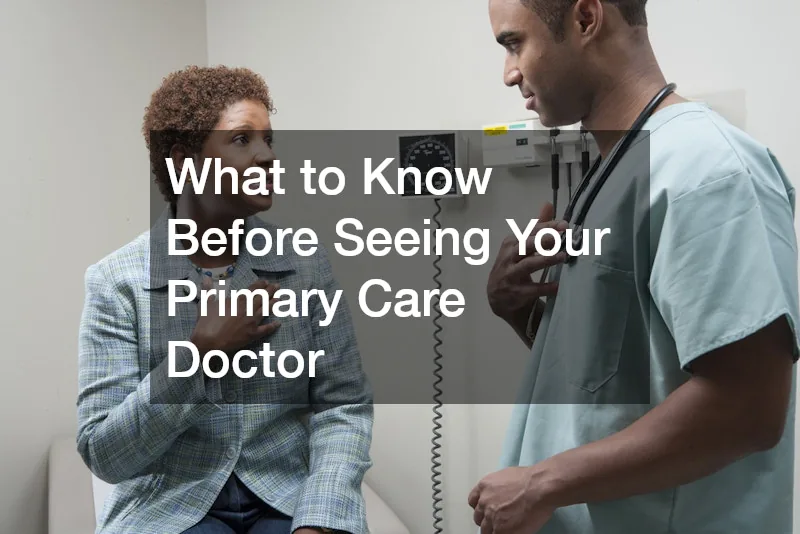
Skipping the general doctor to book directly with a specialist might feel like a shortcut, but it often leads to extra appointments, higher costs, and treatments that miss the bigger picture of your overall health. I am not a doctor or part of a medical team—I am an individual who researches health topics carefully to share practical, straightforward information. After reviewing how different parts of the healthcare system interact, one pattern stands out clearly: establishing a relationship with a general physician first tends to streamline everything that follows.
Health authorities generally advise that starting with primary care before seeing specialists helps coordinate your health journey more effectively. A general practitioner looks at you as a whole person rather than focusing narrowly on a single symptom. This broader perspective often means unnecessary tests are avoided, preventive habits like better sleep hygiene or daily movement are prioritized early, and referrals are directed only to the most appropriate providers when truly needed.
In the sections below, we will explore why this approach saves both time and money, how urgent care centers differ from ongoing general care, and what steps you can take to build a solid health foundation. Please remember that this content is for reference only and does not replace professional medical advice; always consult a qualified healthcare professional for decisions about your specific situation. Details in healthcare can change, so verifying current guidance with a licensed provider is essential.
Why Nearly Half of Young Adults Are Skipping Their Primary Care Doctor
The appeal of convenience through telemedicine and urgent care centers
Many younger adults prioritize ease of scheduling, pricing transparency, and online visits over establishing a relationship with a primary care provider before seeing specialists. Telemedicine platforms and walk-in clinics fill genuine gaps when someone needs prompt attention for a minor issue without an emergency room wait.
However, relying on these shortcuts as a permanent replacement carries trade-offs. For example, clinical guidance generally notes that antibiotics are sometimes prescribed more frequently at walk-in clinics for viral illnesses, where they offer no benefit, potentially contributing to antibiotic resistance or digestive side effects. Think of it like using a rideshare app: convenient for a single trip, but not a substitute for regular vehicle maintenance. A dedicated clinician reviews your whole health picture rather than treating one isolated complaint.
How feeling generally healthy leads people to underestimate the value of an ongoing medical relationship
When daily life feels fine, scheduling routine checkups often drops to the bottom of the to-do list. Yet health authorities generally advise that prevention works best before problems arise—much like building a firehouse before a fire starts. An established doctor focuses on:
- Holistic care, connecting physical symptoms with lifestyle factors, sleep habits, and mental well-being.
- Preventive screenings tailored to individual risk factors.
- Navigating referrals, helping patients access appropriate specialists while managing costs.
This content is for reference only and does not replace professional medical advice. If you have a specific concern about preventive health or navigating primary care before seeing specialists, consider speaking with a family medicine or internal medicine provider.
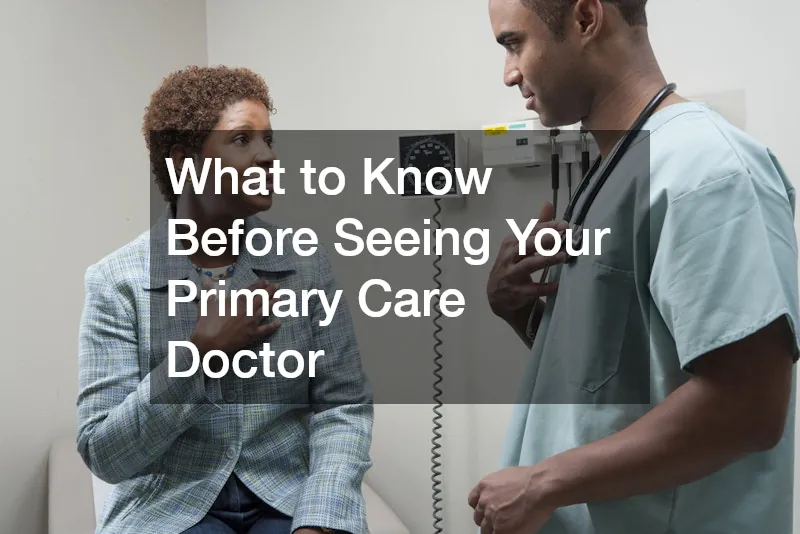
Recognizing Symptoms That Belong in a Primary Care Office First
Common everyday complaints that often stem from overlapping physical or mental health factors
Many daily symptoms overlap between physical and emotional well-being. Choosing primary care before seeing specialists helps ensure these connections are not overlooked. Common examples include:
- Persistent fatigue that may relate to poor sleep hygiene, nutrition gaps, or stress
- Frequent headaches tied to desk posture, dehydration, or tension
- Digestive discomfort influenced by diet changes or anxiety
A primary care provider evaluates the whole person rather than a single complaint. Think of it like building a firehouse before a fire starts—preventive visits support long-term wellness. For practical daily steps, explore our guide on healthy sleep hygiene habits.
Why treating isolated symptoms without reviewing your full medical history can lead to missed diagnoses
When someone visits an urgent care clinic for a quick fix, the clinician typically focuses only on the immediate issue. Research suggests this narrow approach can result in unnecessary treatments, such as antibiotics prescribed for viral illnesses, which carry their own risks.
A primary care doctor reviews your complete background, including family dynamics, current medications, and lifestyle habits. This holistic view is essential because conditions rarely exist in isolation. Skipping this comprehensive review means subtle patterns might go unnoticed until they become more complex. If you have a specific concern, consider speaking with a specialty provider after establishing a foundation with a primary care clinician.
Fact-checked. This content is for reference only and does not replace professional medical advice.

The Whole Person Approach Your Primary Care Physician Provides
Choosing this approach means working with a clinician who views your health as an interconnected system rather than isolated problems. This holistic perspective is especially valuable for everyday wellness habits like movement, sleep hygiene, and nutrition.
Connecting physical conditions like high blood pressure or heart disease to mental and emotional well-being
Physical concerns such as elevated blood pressure or cardiovascular issues often share roots with stress, poor sleep, or emotional strain. A primary care physician explores these links because treating the body without acknowledging daily life context rarely produces lasting results. Research suggests that mental and physical health continuously influence each other. Think of it like maintaining a car: you would not fix the engine while ignoring warning lights on the dashboard. Similarly, managing diet, basic skincare routines, and daily movement works best when a single provider understands how these habits affect your overall well-being. Always consult a licensed healthcare professional to discuss how your lifestyle choices interact with your health.
Avoiding the narrow focus of subspecialists who may only address one specific issue at a time
Subspecialists are highly trained for targeted problems, but they typically concentrate solely on their area of expertise. Relying on a primary care physician helps prevent fragmented treatment plans. A primary doctor coordinates your care by considering several overlapping factors:
- Current medications and potential interactions
- Family dynamics and daily stressors
- Preventive needs like appropriate screenings and vaccinations
This coordination ensures that solving one issue does not inadvertently create another. For general information only; this content does not replace professional medical advice. If you have a specific concern, consider speaking with a family medicine or internal medicine provider.

Building Prevention Into Your Routine Before a Health Crisis Hits
Establishing a method is like building a firehouse before a fire starts. A primary provider takes a whole-person approach, considering your overall life rather than just one isolated issue. This relationship helps coordinate appropriate referrals and can reduce unnecessary emergency visits.
Targeted lifestyle adjustments including diet, exercise, sleep, and reducing alcohol or tobacco use
Health authorities generally advise that prevention begins with daily habits. Research suggests meaningful changes in routine can improve both the length and quality of life. Practical steps often include:
- Improving your overall diet with balanced nutrition
- Starting a consistent exercise routine suited to your ability
- Prioritizing restful sleep hygiene basics each night
- Quitting smoking and moderating alcohol intake
These shifts address physical health alongside mental well-being, which are deeply connected. A licensed provider can help you identify which adjustments offer the most benefit for your specific situation.
Personalized cancer screenings and vaccination plans based on your individual risk factors
Not every screening fits every person. Because no test is perfect, establishing this plan ensures someone understands your full history and family risks. A primary clinician can recommend tailored cancer screenings designed to catch potential issues early when they are most treatable. They also keep your vaccination plan current, which remains a cornerstone of preventive medicine. Rather than guessing what you need, work with a qualified healthcare professional to map out a schedule based on your unique profile.

Red Flags That Require Immediate Emergency or Specialist Attention
Warning signs that should never wait for a routine primary care appointment
While establishing a primary care relationship is usually the best approach for everyday health, certain situations demand immediate action. Think of it like a house fire: you call emergency services first, not your regular contractor. Clinical guidance generally advises seeking urgent help for symptoms such as:
- Sudden chest pain or difficulty breathing
- Signs of stroke, including facial drooping or sudden weakness on one side of the body
- Uncontrolled bleeding or severe head injuries
These are time-sensitive emergencies where waiting for a scheduled visit could cause serious harm.
Understanding when bypassing your regular doctor is medically necessary
A consistent primary care relationship offers holistic oversight and helps coordinate referrals to quality providers. However, research suggests that urgent care centers serve a practical role when an issue requires prompt attention but is not life-threatening—like a minor sprain or a mild infection. The key distinction is severity. Bypassing your regular doctor becomes medically necessary when symptoms escalate rapidly beyond what a standard office visit can manage safely. Even so, telemedicine or walk-in clinics should not permanently replace a dedicated physician who understands your full medical history, lifestyle, and preventive needs. Always consult a qualified healthcare professional if you are unsure about symptom severity.
Fact-checked. This content is for reference only and does not replace professional medical advice. If you have a specific concern, consider speaking with an emergency medicine specialist or your primary care provider.
How Your Primary Care Doctor Navigates the Healthcare System for You
I researched this topic because navigating healthcare alone can feel overwhelming. Establishing a relationship with your primary care doctor acts like hiring a guide who already knows the terrain.
Getting Directed to Reputable, Accessible Specialists Rather Than Guessing Who to See
A primary care clinician understands your full health picture, not just one isolated symptom. This holistic view helps them determine exactly which specialist you need, avoiding unnecessary appointments. Think of it like asking a general contractor which tradesperson to hire rather than guessing yourself.
Clinical guidance usually suggests that these doctors help patients by:
- Identifying reputable specialists located near your home or workplace
- Connecting you with providers known for transparent, reasonable pricing
- Ensuring referrals align with your broader medical history and daily habits
This coordination prevents fragmented care. As I learned while researching healthy daily habits, consistent preventive routines often start with a doctor who sees you as a whole person.
Reducing Unnecessary Hospital Visits and Uncovering Financial Assistance Programs to Lower Your Costs
Beyond referrals, establishing this relationship helps manage overall expenses. A regular doctor focuses on prevention—like improving sleep hygiene or nutrition—which research suggests reduces emergency room visits and hospital stays over time.
If costs are a barrier, primary care offices frequently connect patients with resources such as:
- Hospital social work departments that assist with complex billing questions
- Financial assistance programs designed to lower out-of-pocket charges
- Community services offering low-cost or no-cost preventive screenings
Health authorities generally advise discussing financial concerns openly during routine visits so your provider can point you toward available support.
Fact-checked. This content is for reference only and does not replace professional medical advice. If you have a specific concern, consider speaking with a family medicine or internal medicine provider.
The Hidden Risks of Using Urgent Care as Your Default Provider
Urgent care clinics fill a useful gap for minor, time-sensitive issues. However, relying on them instead of establishing a primary care relationship can quietly shift your long-term health outcomes.
Higher rates of unnecessary antibiotic prescriptions leading to resistance and digestive side effects
Research suggests urgent care settings prescribe antibiotics more frequently for viral illnesses—where these medications offer no benefit—compared to continuous primary care. Unnecessary exposure carries real risks:
- Antibiotic resistance, making future bacterial infections harder to treat
- Digestive upset, including antibiotic-associated diarrhea
- Disruption of the natural gut bacteria that support daily wellness
A provider who knows your full history is generally better positioned to determine if an antibiotic is truly needed or if rest and hydration are enough.
How fragmented short-term care changes your overall health outcomes compared to continuous primary management
Think of urgent care like calling a repair person only when a pipe bursts. A primary care doctor acts more like a building inspector, helping prevent leaks before they start. Short-term visits tend to focus narrowly on the immediate complaint, often missing how factors like sleep hygiene, nutrition, and stress interact with physical symptoms.
Establishing this relationship also helps you navigate the healthcare system more efficiently. A primary provider can direct you toward appropriate specialists, suggest preventive screenings, and recommend practical lifestyle adjustments. Because medical guidance evolves, always consult a licensed healthcare professional for decisions about your personal care.
The Bottom Line
Navigating healthcare can feel overwhelming, but choosing to start with a primary care provider often simplifies the process. A general practitioner helps coordinate your care, reducing the chance of duplicate tests or treatments that may not be necessary. While I am not a doctor—just someone who has spent time researching how everyday health systems work—the consensus in clinical guidance consistently points toward this coordinated approach as a practical way to protect both your well-being and your wallet.
Taking charge of your daily habits, from sleep hygiene to mindful movement, builds a strong foundation for long-term health. When questions arise beyond those basics, having a trusted first point of contact makes all the difference. Be gentle with yourself as you learn what works best for your body, and remember that a qualified healthcare professional is always there to help guide your next steps.
Fact-checked. This content is for reference only and does not replace professional medical advice. If you have a specific concern, consider speaking with a specialty provider such as an internal medicine physician or family medicine doctor.
References
- When to See a Specialist vs. a Primary Care DoctorPrimary Care Doctor vs. Specialist: When Do You Need a ...Primary Care vs. Specialist Care: When to See a SpecialistDo I Need to See a Primary Care Physician Before a Specialist?What Doctor Do I See? Primary Care vs. SpecialistsPrimary Care vs Specia (myfamilymd.org)
- Primary Care Doctor vs. Specialist: When Do You Need a ... (zocdoc.com)