Sugar is a master of disguise. It hides in pasta sauce, whole-grain bread, and salad dressing—foods that never taste like dessert. The front of the package can be misleading, but the Nutrition Facts panel and ingredient list tell a much clearer story if you know how to read sugar on food labels.
That skill matters because the total sugar line alone doesn’t show how much sweetener was added during processing. Ingredients like rice syrup, fruit juice concentrate, and several names ending in “-ose” can add sugar under different names. Once you can spot them, comparing two seemingly similar products becomes far easier.
In seven simple steps, you’ll learn to separate total sugar from added sugar, recognize common sweetener names, and make more confident choices without overthinking every aisle. This guide is for general information only and does not replace professional medical or nutrition advice. If you have a health condition or a specific dietary concern, consider speaking with a registered dietitian or primary care provider.
Check Serving Size First or the Sugar Number Means Nothing
Learning how to read sugar on food labels starts with the serving size, not the headline number. Health authorities generally advise checking the serving size and the number of servings per container before comparing grams of sugar.
Why a small serving can hide a high-sugar food
A label may show a modest sugar count because the serving size is very small. A frozen dessert, for example, might list 9 grams of sugar per half-cup serving, but the container could hold four servings. If you eat the whole container, that becomes a much larger amount. Manufacturers sometimes use a tiny serving to keep the printed sugar number looking low.
- Check servings per container.
- Compare the serving size to the amount you typically eat.
- Look for hidden added sugars in savory foods, not just desserts.
Recalculate sugar for the amount you actually eat
If you eat two servings, double the grams of sugar. A practical tip: measure or estimate your usual portion, then multiply the label's sugar grams by the number of servings you consume. This gives a more honest picture of your daily sugar intake. Clinical guidance generally suggests limiting added sugar, but the right target can vary.
Fact-checked. This content is for reference only and does not replace professional medical advice. If you have a specific concern, consider speaking with a registered dietitian or primary care provider.
Separate Total Sugar From Added Sugar
Learning how to read sugar on food labels starts with the line under “Total Sugars.” That number includes both naturally occurring sugars and added sweeteners; the separate “Added Sugars” line shows only what was added during processing.
Natural sugars in fruit and dairy vs. added sweeteners
Sugars naturally present in fruit and dairy usually come with fiber, water, protein, or micronutrients. Added sweeteners—such as cane sugar, syrups, and honey—contribute sweetness without that same package. A practical tip: compare plain yogurt with a flavored version; the difference in added sugar is often much larger than you’d expect from the front label.
- Total Sugars = natural sugars + added sugars.
- Fruit and dairy sugars are not listed separately, but they count toward total sugar.
- Check the ingredient list for added sweeteners, not just the front label.
What the % Daily Value for added sugar actually tells you
When you’re learning how to read sugar on food labels, the % Daily Value on the label shows how much a serving contributes to the daily reference amount for added sugar, making it easier to compare products without doing grams-to-calories math. If a serving has a high percentage, the food is likely a concentrated source; a lower percentage leaves more room for the rest of your day. Use it as a benchmark, not a strict prescription.
Fact-checked. This content is for reference only and does not replace professional medical advice. If you have a specific concern about sugar intake and metabolic health, consider speaking with a registered dietitian or primary care provider.
Scan the Ingredient List for Hidden Sugar Names
Learning how to read sugar on food labels starts with the ingredient list, not just the total grams on the Nutrition Facts panel. Ingredients appear by weight, so a sweetener near the top matters more.
Common code words: syrups, nectars, malts, and -ose endings
Manufacturers may use names that do not sound like sugar. Watch for these groups:
- Syrups: brown rice syrup, corn syrup, high-fructose corn syrup, maple syrup
- Nectars: agave nectar, fruit nectar
- Malts: barley malt, malt extract
- -ose endings: sucrose, dextrose, fructose, maltose, glucose
Lactose is also a sugar, but it naturally occurs in dairy.
Watch for multiple sugars listed separately in one product
Products often contain several sweeteners, each with a different name. Individually they may appear lower on the list, but together they can add up quickly. For example, a granola bar may list oats first, followed by brown rice syrup, cane sugar, honey, and dextrose. That mix can make the total added sugar higher than expected.
Tip: look for the first added sweetener and count how many separate sugar names appear in the first five or six ingredients.
Fact-checked. This content is for reference only and does not replace professional medical advice. If you have a specific concern about blood sugar or nutrition, consider speaking with a registered dietitian or primary care provider through the provider directory.
Compare Grams to a Daily Reference Point
When learning how to read sugar on food labels, grams alone can feel abstract. The US Nutrition Facts label uses a daily reference of 50 grams of added sugar for a 2,000-calorie diet. Treat that 50g as a full daily budget, not a target.
Using 25–50g added sugar ranges as a quick filter
A simple filter can help you scan labels without perfectionism. Treat 25–50g added sugar as a broad benchmark range:
- 0–5g per serving: generally lower added sugar; useful for everyday staples.
- 5–15g per serving: moderate; worth comparing with similar items.
- Above 15g per serving: may use much of the 50g daily reference; check portion size and frequency.
This is a quick screen, not a strict rule or medical advice. Individual needs vary, so a person with diabetes may benefit from different guidance.
How to compare similar products without doing math
You don’t need exact math. Use the label’s % Daily Value and serving size side by side:
- Check that serving sizes match — smaller servings can make sugar look lower.
- Look for the item with the lower Added Sugars grams per identical serving.
- If % Daily Value is listed, 5% or less is low and 20% or more is high for added sugar.
For example, two yogurts may both show “10g sugar,” but if one lists 0g added sugar and the other 9g, the first is mostly naturally occurring milk sugar — a key distinction when learning how to read sugar on food labels. This is general label-reading information, not medical advice.
Do Not Trust Front-of-Pack Claims Like 'No Added Sugar' or 'Natural'
Fact-checked
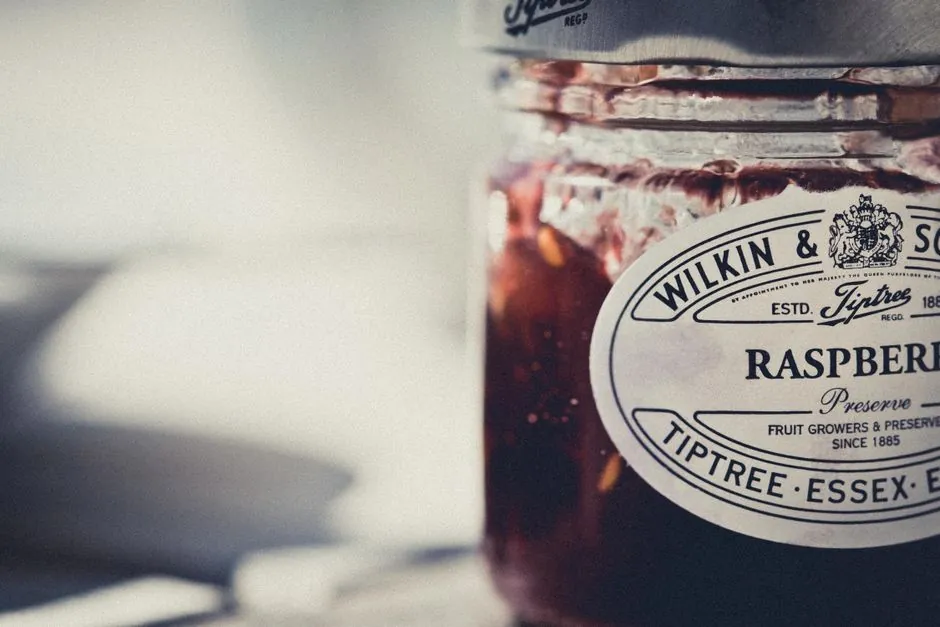
Learning how to read sugar on food labels starts with ignoring the front. Front-of-pack phrases are marketing, not a full nutrition picture.
What these claims can and cannot mean
"No added sugar" means no sugar or sweetener was added during processing, but the food may still contain naturally occurring sugars or concentrated fruit juice. "Natural" has a much weaker definition: it often refers to a product's origin, not its sugar content or healthfulness. A food can be labeled "natural" and still be highly processed or high in total sugar.
Why 'healthy-looking' packaged foods still need label checks
Packaging with green leaves, farm imagery, or words like "made with real fruit" does not change the actual ingredients. Many products use multiple sugar names—such as syrup, nectar, juice concentrate, and words ending in -ose—that appear separately on the ingredient list.
- Check the Nutrition Facts label for total and added sugars per serving.
- Review the serving size; it may be smaller than what you actually eat.
- Scan the ingredient list for multiple sugar terms near the top.
A practical tip: turn the package over before you buy. If a specific concern arises, consider speaking with a licensed dietitian or another qualified provider. This information is for reference only and does not replace professional medical advice.
How Excess Sugar May Show Up in Your Body
Energy crashes, cravings, and hunger soon after eating
Meals and snacks high in added sugar but low in protein, fiber, or fat can raise blood sugar quickly, followed by a drop that may feel like an energy crash. That pattern can also leave you craving more sweets or feeling hungry soon after eating.
- Feeling tired or foggy after a sugary meal
- Craving more sweets or refined carbohydrates
- Getting hungry again shortly after eating
Learning how to read sugar on food labels can help you spot added sugars in foods that do not taste very sweet.
Skin, dental, and weight changes that may track with high intake
Frequent sugar exposure can feed bacteria in the mouth, which may raise the risk of tooth decay and gum issues. Some people also notice more breakouts or dull-looking skin. Liquid sugar, such as sweetened drinks, adds calories without much fullness, which may contribute to gradual weight changes.
- New or more frequent dental issues
- Skin changes like breakouts or oiliness
- Clothes fitting differently over time
Reading labels can reveal hidden added sugar in savory items like sauces, breads, and dressings.
Fact-checked for general accuracy. This content is for reference only and does not replace professional medical advice. If you have a specific concern, consider speaking with a primary care provider or registered dietitian.
When to See a Doctor: Red Flags Not to Ignore
Fact-checked · This content is for reference only and does not replace professional medical advice.
Knowing how to read sugar on food labels helps you manage daily intake, but a few signs warrant a conversation with a clinician rather than self-monitoring alone.
Recurring high blood sugar readings or symptoms like extreme thirst
Occasional high readings can happen after a large meal or illness, but a pattern is different. If home monitoring repeatedly shows higher-than-expected numbers, or you notice symptoms such as extreme thirst, frequent urination, blurred vision, or unusual fatigue, seek medical advice.
- Waking several times at night to urinate
- Thirst that doesn't improve after drinking water
- Dry mouth or sticky-feeling saliva
A practical way to think about it: one high reading is like a dashboard light flickering once; a recurring pattern is the light staying on. A clinician can review the full picture and suggest next steps.
Unexplained weight changes, dark skin patches, or concerning lab results
Unexplained weight loss or weight gain, especially without changes in eating or activity, deserves attention. Dark, velvety patches of skin around the neck, armpits, or knuckles can be a general sign of insulin resistance, though they are not a diagnosis on their own.
If routine lab work returns results outside the reference range, use that as a prompt to ask questions rather than to self-diagnose. A qualified healthcare professional can interpret those values in context with your overall health.
If you have a specific concern, consider speaking with an endocrinology provider or your primary care clinician.
Wrapping Up
Learning how to read sugar on food labels takes a little practice, but it quickly becomes a useful habit. Checking the Nutrition Facts panel, comparing the added sugar line, and scanning the ingredients list can help you make choices that fit your own eating pattern without turning every grocery trip into a chore.
You do not need to get every label perfect. Small, consistent steps tend to matter more than occasional slip-ups. If you have a specific health concern, such as managing diabetes or another condition, consider speaking with a registered dietitian or another qualified healthcare professional who can offer guidance tailored to your situation.