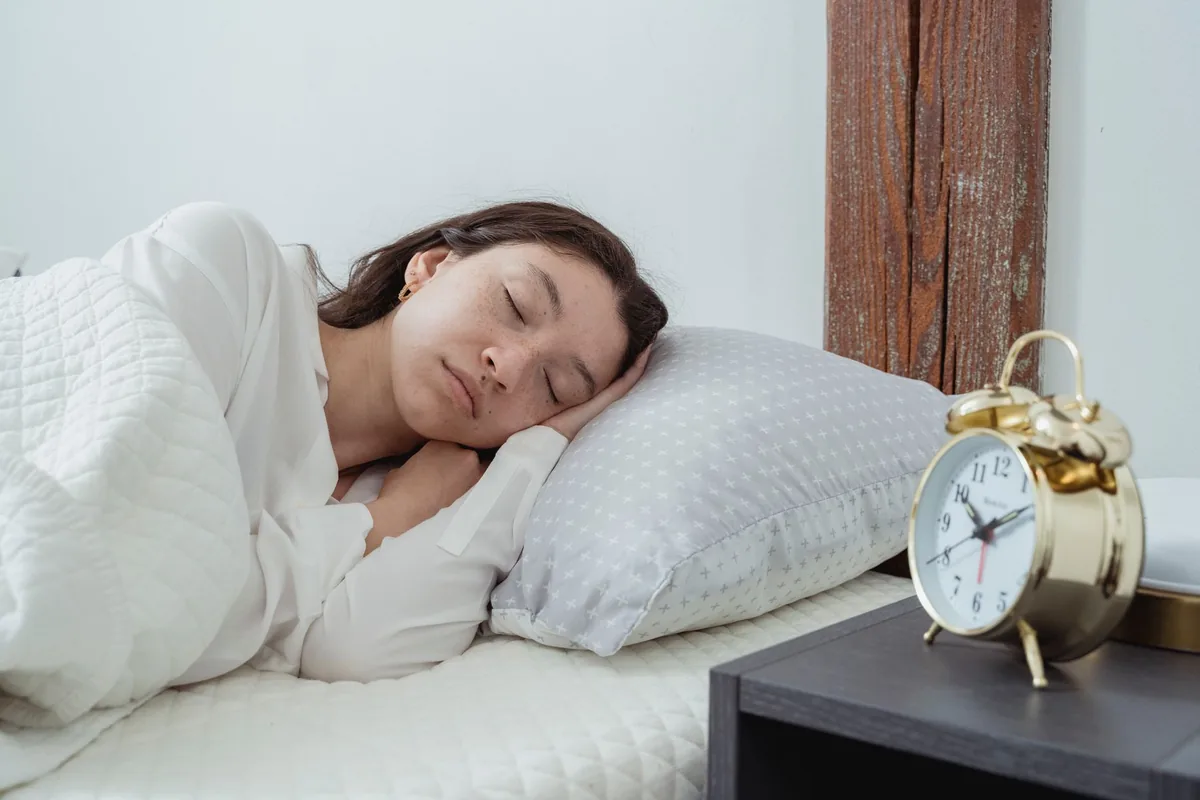
Somewhere between turning off the lamp and the first check of the clock, sleep becomes a negotiation—one you keep losing despite doing everything you were told to do. The problem is rarely a lack of effort. It’s that most sleep advice gets repeated without the context that makes it actually work, so you end up comparing a dozen natural ways to fall asleep quickly without knowing which ones matter most.
What surprised me while digging into the research is how much of the real answer comes down to timing and environment rather than willpower. Things like when you stop eating, how much light reaches your eyes in the morning and evening, whether your room is cool but not drafty, and whether your bed has stayed a place for sleep instead of screens all interact in ways that either reinforce or quietly sabotage your natural sleep drive.
The rest of this guide walks through the lifestyle-level habits that hold up to scrutiny, points out the trade-offs that rarely get mentioned in quick lists, and notes where a persistent problem deserves a conversation with a qualified healthcare professional rather than another home remedy. This is a researched summary, not medical advice, and it’s written for people who want to understand the why before changing their routine.
How Trouble Falling Asleep Shows Up
Racing mind and the anxiety loop of trying too hard
When sleep doesn't come, the mind often speeds up. Worrying about being awake—checking the clock, calculating hours left, replaying the day—creates an anxiety loop. The harder a person tries to force sleep, the more alert they feel. This is why natural ways to fall asleep quickly reduce pressure rather than add strict rules. A practical step is cognitive offloading: write down the thoughts before bed.
- Replaying conversations or planning tomorrow's tasks
- Checking the clock repeatedly, which increases frustration
- Feeling tense or alert even when physically tired
Lying awake for long stretches and waking up unrestored
Long wakeful stretches often lead to another issue: sleep inertia. A person may wake up groggy or need multiple alarms. Waking easily after a very short night does not signal quality sleep. After repaying some sleep debt, a person can feel groggier the next morning, which may mean more recovery sleep is still needed. If someone has been awake for a long stretch, a useful tip is to get up briefly in dim light and do something boring until sleepy, then return to bed. This keeps the bed associated with sleep rather than frustration. Natural ways to fall asleep quickly matter less than avoiding lying in bed angry or defeated.
- Feeling tired but unable to drift off for long periods
- Waking with grogginess that lingers
- Noticing mood dips or reduced focus the next day
If sleep trouble is frequent, consider speaking with a primary care provider or a sleep medicine specialist. For reference only, not medical advice.
Fast-Acting Techniques for When You're Already in Bed
Breathing exercises and progressive muscle relaxation
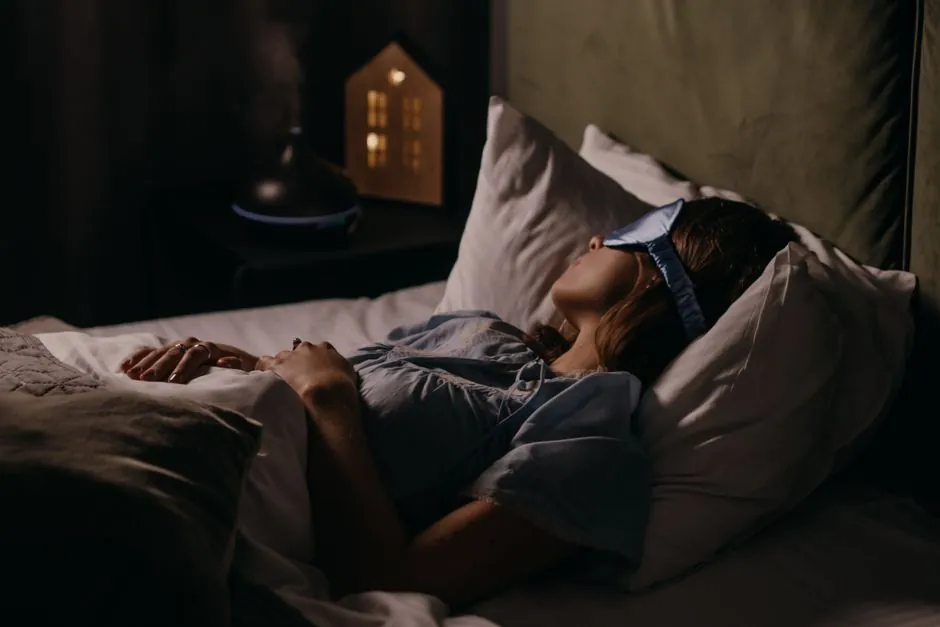
If your mind is still racing after lights out, slowing the breath is one of the most practical natural ways to fall asleep quickly. Techniques that emphasize a longer exhale help shift the body away from alertness, though results vary by individual. Progressive muscle relaxation takes a different route: you tighten and then release muscle groups from your feet upward, which can reveal hidden tension and make stillness feel more attainable. Both are free and equipment-free, but they reward patience — frustration tends to blunt their effect. Breathing is easier to start immediately, while the muscle method suits people who carry tension in their shoulders or jaw. Think of both as dimmer switches, not power buttons; the shift is gradual rather than instant.
Why leaving the bed after 20 minutes beats tossing and turning
Lying awake while frustration builds can train your brain to associate bed with alertness, not rest. The practical alternative is stimulus control: if you've been awake for roughly 20 minutes, get up and do something quiet in dim light until you feel sleepy again. This matches the idea that the bed should stay reserved for sleep and sex, not for replaying worries — a cornerstone of sleep hygiene.
- Move to a different room or a chair with soft lighting.
- Choose a low-stimulation activity, such as reading a few pages of a paper book.
- Return to bed only when heavy eyelids signal real sleepiness, not before.
The trade-off is that getting up feels counterintuitive in the moment, but it tends to break the cycle faster than staying put and clock-watching.
Fact-checked: This content is for reference only and does not replace professional medical advice. If you have a specific concern about persistent sleep difficulties, consider speaking with a sleep medicine specialist or your primary care provider.
What You Eat and Drink Before Bed Changes Everything
Many recipes start hours earlier at the dinner table. The core idea is simple: timing and food type shift core temperature, digestion, and alertness signals. A practical rule is to avoid eating too close to bedtime; if you do eat, choose carefully.
Complex carbs over high-fat protein, and why spicy food backfires
Complex carbohydrates tend to digest more smoothly and support evening relaxation better than high-fat protein meals. High-fat proteins take longer to break down and may affect alertness-related hormones such as orexin, leaving you mentally awake when you want to wind down. Spicy food works against sleep in two ways: it can trigger acid reflux discomfort and raise core body temperature, which is the opposite of the natural cooling your body needs before sleep.
- Complex carbs (e.g., whole grains): gentler digestion, less likely to disturb sleep.
- High-fat protein: slow digestion, can keep you alert.
- Spicy dishes: may cause reflux and warmth, delaying sleep onset.
Caffeine: timing, hidden sources, and deep sleep impact
Caffeine isn’t only coffee. Tea, sodas, energy drinks, and pre-workout supplements all count. Timing matters: consuming caffeine before lunch gives your body more time to clear it, while caffeine too close to bedtime can prompt middle-of-the-night urination and make it harder to enter deep, restorative sleep. You might sleep a full night but still wake up feeling unrested.
If sleep concerns continue, consider a primary care provider or sleep specialist. This content is for reference only and does not replace professional medical advice.
Reset Your Sleep Environment for Faster Sleep
Cooler room, pitch-black space, and consistent background noise
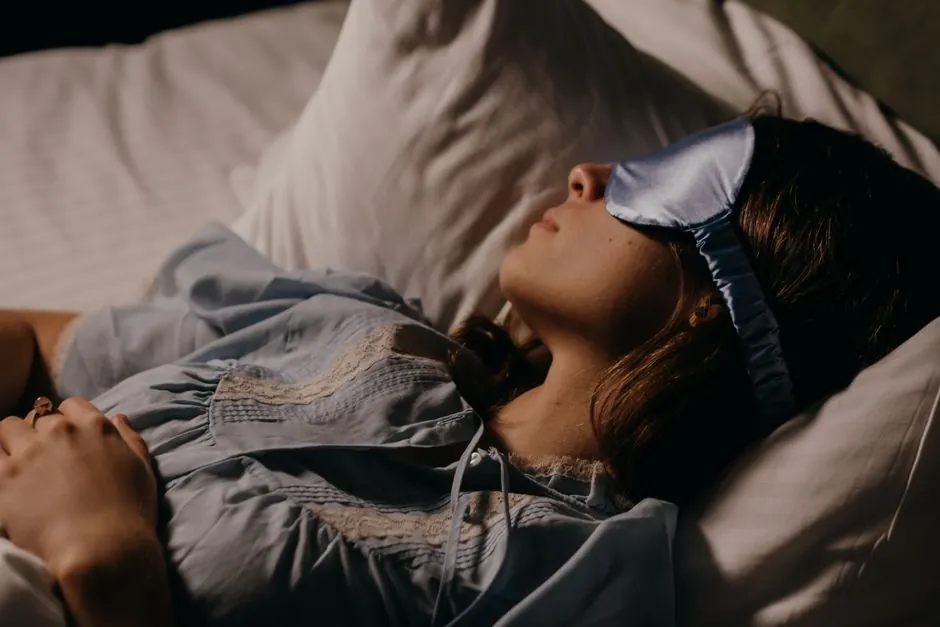
Your body naturally cools as you get sleepy, so a slightly cooler room supports that shift. Lowering the thermostat or using breathable bedding helps, but avoid direct cold airflow against your skin. Darkness matters too; even faint light can interfere with melatonin production and sleep quality.
- Lower the thermostat a few degrees to match your body's evening cool-down.
- Use blackout curtains or shades to remove all light sources.
- Keep a consistent background noise, such as a fan or white-noise recording, so your brain learns to tune it out.
These are practical because they work with your circadian rhythm rather than against it.
Blue light, direct cold air, and warm-but-not-sweaty feet
Screen light in the evening suppresses melatonin, so switching devices to night mode, using blue-light-blocking glasses, or removing screens from the bedroom can help. Cold air blown directly on skin may over-cool one area and reduce circulation, which can cause muscle tightness; angle fans or vents away. Feet respond differently — slightly warm feet can aid comfort, but thick sweaty socks may irritate skin or encourage fungal issues. Choose moisture-wicking socks instead.
Weighing these options shows that small sleep environment changes can support faster onset without medication. For a broader routine comparison, see sleep hygiene habits.
Fact-checked. This content is for reference only and does not replace professional medical advice. If you have persistent sleep concerns, consider speaking with a sleep medicine provider or your primary care clinician.
Work With Your Body Clock, Not Against It
Chronotype, sleep windows, and missing your tired window
Among the methods, respecting your chronotype matters most. Chronotype is the genetically influenced timing of when your body prefers sleep and alertness. Pushing past early sleepiness can trigger a second wind, so you miss the tired window and struggle to settle later. Practical checks:
- Begin a short wind-down at the first sign of heavy eyes or yawning.
- Keep the same wake time after a late night to protect the next sleep window.
- Keep naps early and short, because long or late naps blunt sleepiness.
Light exposure early in the day and what sleep inertia really means
Morning light helps set circadian rhythm. Open curtains soon after waking—even on cloudy days—to signal brain regions that regulate melatonin later. In the evening, reduce blue-heavy light; a very dark bedroom supports the natural temperature drop before sleep. Sleep inertia is grogginess after waking, not proof of poor sleep. A very short night may make waking feel easier because the body is stressed, yet the sleep is not restorative. Catching up on sleep debt can temporarily increase morning grogginess, signaling you still need more rest. Use the first minutes awake as a transition, not a verdict.
If sleep concerns persist, consider speaking with a sleep medicine provider. This content is for reference only and does not replace professional medical advice.
Retrain What Your Bed Means to Your Brain
Bed for sleep and sex only, and keeping pets out
When you work, scroll, or watch TV in bed, your brain learns that lying down signals alertness—which works against this purpose. Reserve the bed for sleep and sex only. For other activities, use a chair or another room. Pets may feel comforting, but many owners report that animals moving, licking, or shifting during the night fragments sleep. A practical compromise is to keep them in the bedroom but not on the mattress.
- Keep phones and laptops out of reach or in another room
- Give pets a dedicated bed nearby instead of sharing yours
- If you read before sleep, choose a dim, non-screen option outside the bed
Sleep modes, mattress fit, and avoiding self-blame
Phone sleep modes can block late-night notifications, but customize them so repeated calls from key contacts still ring in an emergency. A mattress is not one-size-fits-all: side sleepers, back sleepers, and people with different body shapes need different support, so testing in person is worth the time. Finally, avoid self-blame after a poor night—chronotype varies, and morning grogginess from sleep inertia does not prove you slept badly. If sleep concerns persist, consider speaking with a sleep specialist or your primary care provider. For more on sleep-friendly routines, see evening wind-down habits. This content is for reference only and does not replace professional medical advice.
When to See a Doctor About Falling Asleep
Most sleep problems respond well to behavioral shifts, and this recipe can help with occasional restlessness. But when the pattern persists, it is worth checking whether something else is going on.
Red flags: chronic insomnia, daytime impairment, snoring or gasping
Occasional bad nights are common. Consider speaking with a provider if you notice any of the following on most nights for several weeks:
- Chronic insomnia: trouble falling or staying asleep that does not improve with consistent sleep hygiene.
- Daytime impairment: drowsiness, trouble focusing, or nodding off during daily tasks.
- Snoring or gasping: loud snoring with pauses in breathing or choking sounds can point to a sleep-related breathing concern.
These signs do not mean you have a specific condition, but they are reasons to get a professional assessment.
What a healthcare provider can assess beyond lifestyle changes
Lifestyle adjustments are a useful first layer, but a clinician can look further. They may review your sleep-wake timing, screen for medical or mental health contributors, check medications, or order a sleep study if needed. Think of it as moving from surface habits to underlying causes. If you have a specific concern, consider speaking with a sleep medicine or primary care provider.
Final Thoughts
Comparing the lifestyle-based options makes the trade-offs fairly clear: a consistent wake time, dimmer evening lighting, and an earlier caffeine cutoff are generally low-risk but require steady follow-through. Relaxation practices such as slow breathing or a quiet wind-down routine feel helpful for some people, though the effect is rarely immediate or universal. Ingredient-based approaches carry more uncertainty because quality, label transparency, and individual response vary, which makes them harder to weigh against simple behavioral changes.
What often gets overlooked is that this dish does not work the same way for everyone. Your sleep environment, stress level, schedule, and any underlying health factors shape the result more than a single tip can. These strategies are best treated as general habits to test carefully, not as replacements for medical advice. If sleep difficulty is persistent or affecting daily function, consider speaking with a primary care or sleep medicine provider about your specific situation.
References
- How to Fall Asleep Fast in 10, 60, or 120 Seconds (healthline.com)
- Find and save ideas about natural ways to fall asleep fast on Pinterest. (pinterest.com)