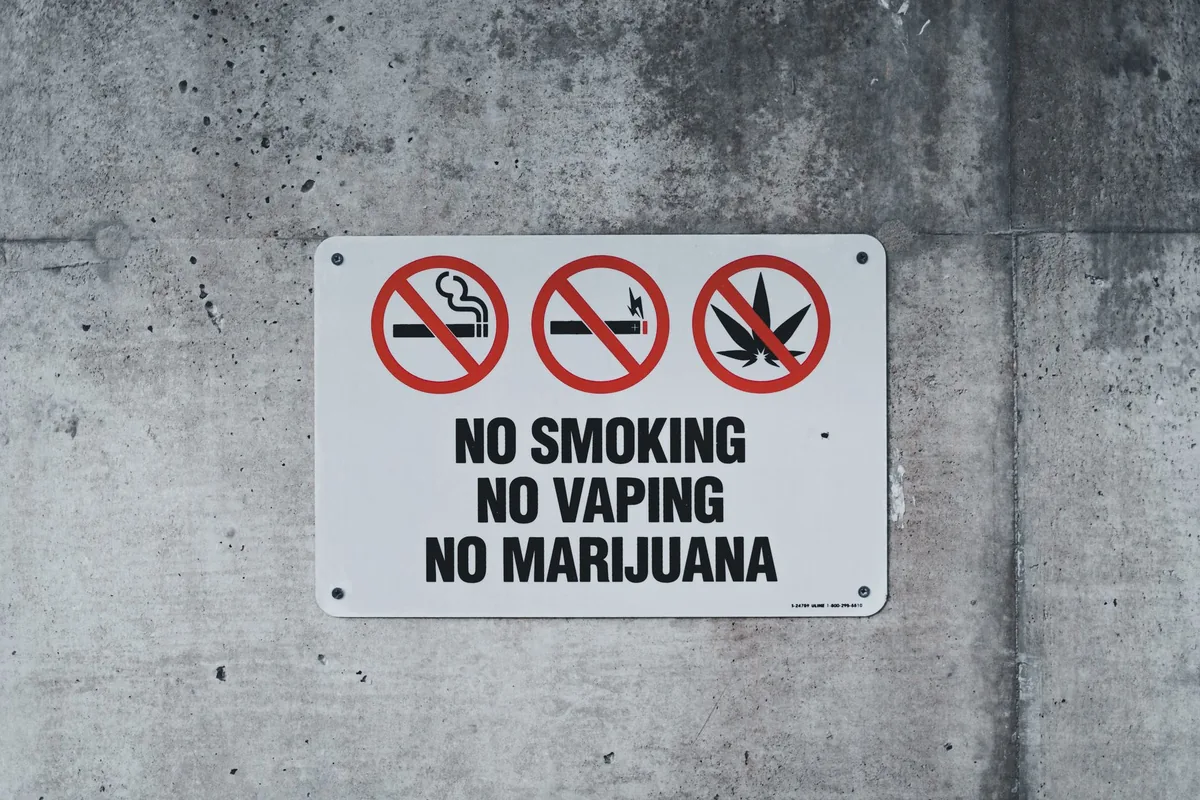
If you’re trying to make sense of vaping health risks, you’ve probably heard two opposite stories: one says vaping is basically safe, and the other says it’s just as bad as cigarettes. I’m not a doctor, and I won’t pretend this is medical advice. What I can do is walk through what the research and public health guidance actually suggest, without the moral panic or the marketing spin.
The honest middle ground looks something like this: current evidence suggests vaping is likely less harmful than smoking traditional cigarettes, but that does not make it harmless. The liquids still contain inhaled chemicals, some of which are linked to lung irritation and conditions like popcorn lung. And the common thread with cigarettes is nicotine—an addictive substance that narrows blood vessels and can raise the risk of heart and circulation problems over time.
In the article below, I’ll compare the two side by side: what the ingredients and long-term effects look like, why “less harmful” isn’t the same as “safe,” and where vaping may have a narrow role for adults trying to quit cigarettes. This is general information for reference only and does not replace professional medical advice. If you have a specific concern about your lungs or nicotine use, consider speaking with a primary care provider or a specialist in pulmonary or addiction medicine rather than using this as a diagnosis.
Vaping vs. Smoking: Where the Evidence Actually Stands
Fact-checked.
Expert take: vaping is probably less hazardous than cigarettes — but not harmless
The vaping health risks conversation usually starts with a comparison to cigarettes, and that's fair. Most researchers and clinicians who study both generally agree that vaping is likely less hazardous than smoking, largely because it avoids the combustion and tar found in cigarette smoke. But "less hazardous" is not the same as harmless. A recurring concern in clinical discussions is that e-cigarette companies have marketed flavors like cotton candy and bubble gum, which appeal strongly to younger users. The pattern is consistent: many people who never smoked—especially teens—start vaping, which undercuts the argument that these products only help existing smokers quit.
Why inhaling any chemicals still carries real risk
You're still inhaling chemicals. Some vape liquids contain propylene glycol, which has been linked to popcorn lung (bronchiolitis obliterans), a type of lung scarring. The bigger issue is nicotine, which is highly addictive and constricts blood vessels, potentially contributing to stroke or heart attack. That's why most clinical guidance treats recreational vaping as a risk, not a neutral choice.
- If you don't smoke, don't start vaping — the added risk isn't worth it.
- If you vape to taper off cigarettes, treat it as a short-term bridge, not a permanent habit.
- Be wary of flavored products, which lower the barrier for first-time use.
If you have a specific concern about your lungs, nicotine dependence, or cardiovascular health, consider speaking with a pulmonologist, an addiction medicine specialist, or a primary care provider.
This content is for reference only and does not replace professional medical advice.

What's Inside a Vape: Chemicals and Flavorings Worth Knowing About
Propylene glycol and the popcorn lung link
Many vape liquids use propylene glycol as a base to carry flavor and create a throat hit. You may hear it connected to “popcorn lung,” a condition where tiny airways scar and narrow. The clearer link actually comes from diacetyl, a buttery flavoring chemical sometimes found in e-liquids, which has been tied to that lung damage when inhaled heavily. Propylene glycol is generally considered safer to eat than to inhale, and long-term breathing data remain limited. If you vape, this is one of the core vaping health risks to keep in mind.
Practical takeaway: flavor names like “butter” or “cream” may signal added diacetyl-type compounds, but labels often don’t say. You can’t always judge by the bottle.
Flavoring compounds: the unknowns that don't get enough attention
Cotton candy, bubble gum, and fruit flavors are designed to be appealing, but flavor compounds are usually tested for eating, not for being heated and inhaled. Heating can change them into new substances, and research suggests the long-term effects on airways are still unclear. Common concerns include:
- Inhaled flavoring chemicals may irritate the lungs, even if they are safe in food.
- Heating e-liquid can produce byproducts that have not been studied over decades.
- Sweet flavors can make vaping easier to start, especially for people who never smoked.
This is a second area of vaping health risks: you are inhaling a mix that changes with temperature. If you are using a vape only to step down from cigarettes, a short-term plan with a clinician may help. For specific breathing concerns, consider speaking with a pulmonologist or an addiction medicine provider.
Fact-checked
This content is for reference only and does not replace professional medical advice.
How Nicotine Affects Your Heart and Blood Vessels
Fact-checked · This content is for reference only and does not replace professional medical advice.
Blood vessel constriction and what it does over time
Nicotine is an addictive chemical that makes blood vessels tighten, or constrict. Over time, repeated constriction makes the heart work harder to push blood through narrower passageways. That extra strain can lead to:
- Higher blood pressure readings in some people
- Reduced oxygen delivery to tissues
- Stiffer, less flexible blood vessel walls
Think of it like pinching a garden hose — the same water pressure has to be forced through a smaller opening, which wears on the hose over years. If you use vape products for nicotine, these effects still apply because nicotine itself is the main driver, not just smoke.
The elevated risk of stroke and heart attack
When vessels stay constricted, the chance of a clot forming or a vessel blocking rises. That’s why health authorities link long-term nicotine exposure from any source — cigarettes or vapes — to a higher risk of stroke and heart attack. This doesn’t mean every person who vapes will have one, but the pattern is consistent enough that clinical guidance generally advises avoiding nicotine if you don’t already use it.
If you have a specific concern about your heart, blood pressure, or past nicotine use, consider speaking with a cardiology provider or a primary care clinician. They can check your individual risk without guesswork.
Symptoms That Can Show Up When You Vape
Fact-checked. This information is for reference only and does not replace professional medical advice.
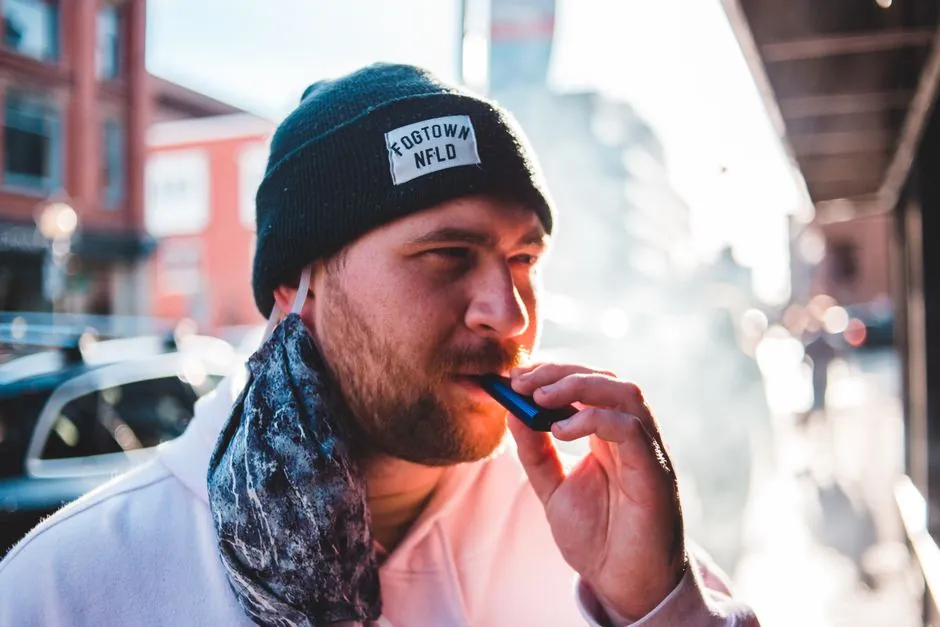
Vaping can start with signs that are easy to overlook. Nicotine and other inhaled chemicals can affect the airway and blood vessels, so it helps to know what to watch for.
Throat irritation, coughing, and breathing problems in the short term
Shortly after vaping, a person may notice a dry or scratchy throat, especially with flavored liquids. The aerosol can irritate the airway and cause:
- Throat irritation or a raw feeling when swallowing
- A dry cough that lingers between sessions
- Mild shortness of breath or wheezing during routine activity
These symptoms are often more noticeable with frequent use or higher nicotine levels. Nicotine can also narrow blood vessels, which is one reason the effects go beyond the lungs.
How popcorn lung symptoms can present
Some flavoring additives, including propylene glycol, have been associated with a condition often called popcorn lung (bronchiolitis obliterans). Symptoms may develop slowly and include a persistent dry cough, feeling winded with light effort, and unusual fatigue. These are general patterns, not a diagnosis. If breathing symptoms persist, a healthcare professional can assess the cause.
If you have specific concerns about your breathing or heart symptoms, consider speaking with a primary care provider or a pulmonologist.
Why Flavored Vapes Are Pulling in Teens and Non-Smokers
Fact-checked
Cotton candy, bubble gum, and the youth appeal problem
Flavors like cotton candy, bubble gum, and fruit blends make vaping feel less like a nicotine product and more like a treat. That’s exactly the issue: a young person who would never try a cigarette may try a flavored vape because it doesn’t smell or taste harsh. The flavoring itself doesn’t remove the harshness; it just masks them. Some flavoring chemicals have been linked to a condition sometimes called popcorn lung, which damages the small airways. Health authorities generally advise that no flavored vape is a safe introduction to nicotine.
How vaping creates new nicotine users instead of replacing smokers
In theory, vapes could help a person taper off cigarettes. In practice, there’s a fair point: a lot of the growth comes from people who never smoked, especially younger users. That flips the “smoking alternative” argument. Instead of replacing one risky habit with a less harmful one, flavored vapes often become a first exposure to nicotine. Nicotine is addictive and can constrict blood vessels, which may raise the chance of problems like stroke or heart attack over time. Vaping likely isn’t as hazardous as smoking traditional cigarettes, but you are still inhaling chemicals.
Practical takeaway:
- If you don’t use nicotine, don’t start vaping.
- If you’re using a vape to step down from cigarettes, keep a clear quit timeline and involve a clinician.
- Watch for candy-like flavors; that’s often a sign the product is aimed at new or younger users.
If you have a specific concern, consider speaking with a primary care provider or a specialist in addiction medicine or pulmonology. This content is for reference only and not medical advice.

Is Vaping Ever Justified? The Smoking Cessation Debate
Vaping sits in an uncomfortable middle ground. It is probably less harmful than combustible cigarettes, but “less harmful” does not mean harmless. The core of this recipe comes down to what you inhale — and why you are inhaling it.
The one scenario doctors may accept: tapering off cigarettes
Some clinicians accept a short-term role for vaping when a person uses it to step down from traditional cigarettes. In that narrow context, replacing smoke with a vapor product may reduce exposure to the tar and many toxins in burning tobacco. The goal is to taper, not to trade one long-term habit for another. A person doing this should work with a healthcare provider on a clear stop date and consider proven cessation tools. Vaping is not a first-line quit method, but as a temporary bridge for someone who has struggled with other approaches, it can be a practical compromise.
Why recreational vaping has little health justification
Using a vape for pleasure, flavor, or social reasons is harder to defend. Even without cigarette smoke, e-liquids contain chemicals, and some flavoring agents have been linked to lung irritation. One concern is popcorn lung, a type of airway damage tied to certain inhaled flavoring chemicals. Nicotine itself is addictive and constricts blood vessels, which can contribute to heart and circulation problems over time. Flavored products also tend to attract people who never smoked, especially younger users.
- Nicotine raises heart rate and narrows blood vessels.
- Inhaling any chemical aerosol carries uncertain long-term risk.
- Flavored options can pull in people who never smoked cigarettes.
Fact-checked: This content is for reference only and does not replace professional medical advice. If you have a specific concern about vaping or quitting cigarettes, consider speaking with a pulmonologist or a primary care provider.
When to See a Doctor: Red Flags You Shouldn't Ignore
Most people who vape won't need urgent care, but a few warning signs deserve fast attention. The signs that matter most are the ones affecting your lungs and heart right now — not years later.
Chest pain, shortness of breath, or coughing blood: seek care now
These are not symptoms to “wait out.” If you notice any of the following after vaping, stop using the device and get evaluated immediately:
- Chest pain that feels tight, sharp, or pressure-like
- Shortness of breath that comes on suddenly or gets worse with activity
- Coughing up blood or blood-tinged mucus
- Rapid heart rate, dizziness, or fainting
Some flavoring additives and inhaled chemicals have been linked to serious lung irritation, including a condition sometimes called popcorn lung. While this is uncommon, the pattern matters: if breathing feels harder after vaping, that’s a signal your lungs are reacting. Think of it like a check-engine light — you wouldn’t keep driving.
Signs you may be developing nicotine dependence
Nicotine constricts blood vessels and is highly addictive, which is a core part of the mechanism even for people who never touch cigarettes. Watch for these patterns:
- You crave the device within minutes of waking or after short breaks
- You need to vape more often or at higher strength to feel the same effect
- You feel irritable, anxious, or restless when you can’t vape
- You keep vaping despite knowing it harms you
A practical tip: track how many times you reach for the pen in one day. If you’re surprised by the number, that’s useful information — not a judgment. For more on how nicotine affects the body over time, see our guide on nicotine effects and withdrawal. If you have a specific concern, consider speaking with a primary care provider or a respiratory specialist. This content is for reference only and does not replace professional medical advice.
Key Takeaways
When comparing this version to smoking, the available research suggests that for adults who already smoke, completely switching to vaping may reduce exposure to some of the harmful chemicals produced by burning tobacco—though it does not make the habit safe. Vaping still involves inhaling nicotine and other substances, and long-term effects are not fully understood.
This content is for reference only and does not replace professional medical advice. If you have specific concerns about nicotine use or lung health, consider speaking with a pulmonologist or addiction medicine provider. The single most practical takeaway: if you do not smoke, do not start vaping. If you already smoke, treat vaping as a short-term bridge to quitting, not a permanent replacement, and work with a clinician on a full quit plan.
References
- E-cigarettes and Vaping | Health Risks of... | American Cancer Society (cancer.org)
- What is Vaping? Side Effects & Risks (choosingtherapy.com)
- Vaping: Risks, Health Effects and Legal Status (metropolisindia.com)