You're indoors, the heating is on, everyone around you is comfortable in short sleeves — and your fingers still feel like they've been wrapped around an ice cube. You flex them, tuck them under your arms, run them under warm water, and ten minutes later they're cold again. It's distracting, it's uncomfortable, and when it's been going on for as long as you can remember, it's natural to wonder whether something is actually wrong.
Most of the time, nothing dramatic is happening. Your body treats warmth as a survival priority, so when it senses cold it narrows the blood vessels near the skin and sends blood inward to protect your core — which is why fingers and toes are the first things to go numb. Occasionally, though, that reflex is more aggressive than the situation calls for, clamping down on the small vessels in the hands and feet even when the temperature hasn't dropped much. That exaggerated response is what clinicians call Raynaud's phenomenon, and it's one of several reasons a person's hands stay cold long after everyone else has warmed back up. The question of why hands always feel cold rarely has a single tidy answer, which is why it helps to look at the whole picture rather than one symptom on its own.
What follows is what's generally understood about the common causes, the everyday habits that can make cold hands worse, and the red flags that suggest it's worth getting checked — things like fingers that change color, go white or blue, or lose feeling. This is background information for reference only and does not replace professional medical advice, and nothing here is meant to tell you what you personally have. If it's persistent, painful, or simply worrying you, a primary care clinician is a reasonable first stop; they can look at the broader picture and refer you to a specialist, such as a rheumatologist, if that seems appropriate.
What It Means When Your Hands Always Feel Cold
If you often wonder why hands always feel cold, you're not alone. It's a common observation, and the explanation is usually simple: your body is managing heat.
Your hands are the farthest points from your core, so they lose heat quickly
Your core — heart, lungs, brain — must stay warm for you to survive. When you're cold, your blood vessels near the skin in your hands and feet narrow. This redirects blood inward to protect your organs. Because your hands are far from your heart, they cool down faster. The video describes your body sending blood away from fingers to your inner organs, which is a normal survival response. So cold hands often just mean your body is doing its job.
Cold hands can be normal heat management, not automatically a disease
Cold hands don't automatically signal a disease. Sometimes the body overreacts to cold, constricting blood vessels more than needed — a pattern called Raynaud's phenomenon. The video mentions this as a possibility, not a diagnosis. If your hands turn blue, white, or red, or your feet also feel cold, note that for a clinician. Practical tip: warm your core first — put on a hat, drink something warm, swing your arms. A few things to consider:
- Do your hands change color in the cold?
- Do your feet also feel cold often?
- Does it happen with stress, not just temperature?
If you have a specific concern, consider speaking with a primary care provider or a rheumatologist. This is general information for reference only and does not replace professional medical advice. Fact-checked.
Why Your Body Redirects Blood Away From Your Hands
If your hands always feel cold, it is easy to worry about circulation. Often, this is your body’s normal way of protecting its core temperature. When you get cold, blood vessels near your skin narrow. Blood is redirected away from your fingers and toes and toward your heart, brain, and other vital organs. That keeps your core warm and helps you survive the cold. The trade-off is chilly hands.
Your body preserves warmth by sending blood to vital organs
Think of your body like a house with a thermostat. It sends warmth where it matters most. Your fingers and toes act a bit like radiators: useful, but not essential for immediate survival. By narrowing blood vessels in the hands, your body limits heat loss from the skin. This helps explain why hands always feel cold: it can be a normal response rather than a sign of poor health. Keeping your core warm with layers, a hat, and gloves may help your hands feel more comfortable.
In some people, this response over-constricts vessels in the hands and feet
In some people, the cold response is stronger than needed. The vessels in the hands and feet tighten too much, so fingers and toes feel cold. This pattern is sometimes called Raynaud’s phenomenon. It is not a diagnosis you can make from a webpage. Many people with cold hands do not have a separate medical condition. Clinical guidance usually says that persistent or worrying symptoms should be checked by a qualified professional. Practical steps many people try include:
- Wearing gloves before hands get cold
- Keeping your core warm with layers
- Warming hands gradually, not with very hot water
Fact-checked: This is information, not medical advice. If cold hands persist or concern you, consider speaking with a primary care clinician or rheumatologist.
Raynaud’s Phenomenon: When Cold Exposure Triggers an Overreaction
If you wonder why hands always feel cold, you are not alone. Raynaud’s phenomenon is a condition where blood vessels in the fingers and toes overreact to cold or stress. It is not just “being chilly.” The body normally conserves heat by narrowing blood vessels in the hands and feet and sending blood toward vital organs. In Raynaud’s, that response can be stronger or longer than needed.
Raynaud’s is an overreaction to cold, not a self-diagnosis
This is a description of a pattern, not a label you can safely apply to yourself. Many people have cold hands for ordinary reasons, and only a clinician can tell whether Raynaud’s is primary or linked to another condition. A useful analogy: think of a thermostat that overshoots — the heat-saving response turns on too hard. If cold hands bother you, your primary care clinician can help decide whether a rheumatology or vascular evaluation is appropriate. Do not stop or start medicines based on this information.
Fingers may turn blue, white, or red, and feet can feel cold too
Color changes are common: fingers may turn white, then blue, then red as blood returns. Feet can also feel cold, and sometimes the toes, ears, or nose is affected. Practical tip: keep your core and extremities warm:
- Gloves
- Warm socks
- Hand warmers
These can reduce triggers. If you notice color changes, pain, sores, or symptoms on one side only, seek medical advice.
Fact-checked. For reference only; not a substitute for professional medical advice. If you have a specific concern, consider speaking with a primary care clinician or a rheumatologist.
Symptoms and How Cold Hands Present
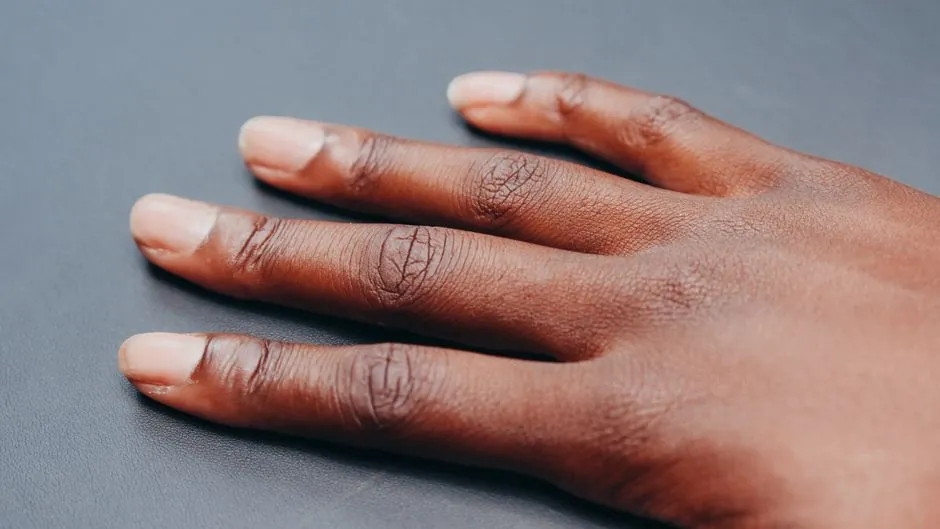
Color changes, numbness, tingling, or pain during cold exposure
When you're exposed to cold, blood vessels in your hands may narrow to preserve core warmth. This can cause:
- Color changes — fingers may turn white, blue, or red.
- Numbness — a loss of feeling in the fingers.
- Tingling — a “pins and needles” sensation.
- Pain — aching or throbbing as hands warm up.
These symptoms can be a sign of Raynaud's phenomenon, a condition where blood vessels overreact to cold. It's not a diagnosis, but if you notice these signs, it's worth discussing with a healthcare provider. For many, this condition relates to this exaggerated response.
Symptoms may appear indoors or with stress, not only in freezing weather
Cold hands don't always require freezing temperatures. Symptoms can flare up in air conditioning, while holding a cold drink, or even during stressful moments. Stress triggers a similar "fight or flight" response that redirects blood away from extremities. Many people report that their hands feel cold indoors, which can be frustrating and worrying. A practical tip: keep gloves handy in air-conditioned spaces and try stress-reduction techniques like deep breathing. If symptoms are persistent or bothersome, consider speaking with a vascular specialist or a rheumatologist. This information is for reference only and does not replace professional medical advice.
Common Causes and Triggers Beyond Raynaud’s
Low thyroid hormone, poor circulation, medications, and nerve issues can play a role
Beyond Raynaud’s, other factors can contribute to this condition. A clinician can help sort them out:
- Low thyroid hormone (hypothyroidism): metabolism slows, so the body may produce less heat.
- Poor circulation: heart, blood vessel, or blood count problems can limit warm blood reaching fingers.
- Medications and nerve issues: certain decongestants, beta blockers, or migraine drugs can narrow vessels; carpal tunnel or diabetes-related nerve changes can alter temperature sensing.
A practical tip: note when coldness began and whether fatigue, weight, hair, skin, or swelling changed, then share that timeline with a licensed provider. This is general information, not a diagnosis.
Caffeine, nicotine, stress, and cold environments can narrow blood vessels
Everyday triggers can also narrow blood vessels and contribute to the condition:
- Nicotine and caffeine: nicotine constricts vessels; caffeine can have a similar but milder effect in some people.
- Stress: the fight-or-flight response redirects blood toward vital organs and away from fingers.
- Cold environments: normal heat preservation can become exaggerated, especially in Raynaud’s.
Think of hand vessels as garden hoses—cold, stress, and nicotine turn the nozzle down. Keeping hands warm, reducing nicotine, managing stress, and limiting excess caffeine may help. Persistent cold, color changes, sores, or pain deserve evaluation. If concerned, consider speaking with a primary care clinician or a vascular specialist.
Fact-checked. For reference only; not a substitute for professional medical advice.
How to Keep Hands Warmer Day to Day
If you wonder about this, you are not alone. In cold weather, the body naturally redirects blood toward the core to protect vital organs, so fingers and toes cool first. Sometimes this response is stronger than usual, which is why some people’s hands feel cold even indoors. This is general information, not a diagnosis; a qualified healthcare professional can help sort out persistent or worrying symptoms.
Gloves, layers, warm drinks, and hand warmers can reduce heat loss
Start with insulation: gloves or mittens, a hat, and loose layers trap warmth. Mittens keep fingers together, which can feel warmer than separated gloves. Warm drinks and a warm core help your body hold heat. Reusable hand warmers can add gentle warmth in pockets, but follow the maker’s instructions and avoid direct skin contact for long periods.
- Wear mittens or insulated gloves before your hands get cold.
- Add a hat and scarf; heat loss from the head and neck matters.
- Sip warm fluids and keep your torso layered.
- Use hand warmers safely, not against bare skin for hours.
Moving your hands and arms can help encourage blood flow
Muscles need circulation, and movement can help blood reach your fingers. Try opening and closing your fists, wiggling fingers, or swinging your arms. If you work at a desk, take short movement breaks. Some people also notice an exaggerated cold response, sometimes called Raynaud’s phenomenon, where blood vessels narrow strongly in the cold. That is not a self-diagnosis — if you notice persistent color changes or pain, seek medical advice.
Fact-checked. For reference only; not a substitute for professional medical advice. If you have a specific concern, consider speaking with a primary care provider or a vascular specialist.
When to See a Doctor: Red Flags for Always-Cold Hands
Cold hands are often just a quirk of circulation or a response to chilly rooms. But some patterns deserve a professional look. Understanding these patterns can help you decide when to check in with a clinician.
See a doctor if fingers turn blue or white, hurt, go numb, or develop sores
If your fingers change color—white, then blue, then red—especially after cold or stress, that may be Raynaud's phenomenon. This is when blood vessels over-constrict, redirecting blood away from fingers to protect your core. Think of it like a house closing off unused rooms to keep the living room warm. While many people with cold hands never develop problems, see a doctor if you notice:
- Fingers turning blue or white
- Pain, tingling, or numbness that doesn't quickly pass
- Sores or skin breakdown on fingertips
These signs suggest blood flow is being seriously reduced. A clinician can check for underlying causes. This is general information, not a diagnosis.
Seek urgent care for sudden, one-sided, or severe symptoms with weakness or chest pain
Sudden coldness in one hand—especially with weakness, trouble speaking, or chest pain—is a medical emergency. Don't wait. Call emergency services. These could signal a heart attack or stroke, where every minute matters. Other urgent signs:
- Cold, pale, or painful hand that appears suddenly
- Chest pressure, shortness of breath, or pain spreading to the arm or jaw
- One-sided weakness, facial droop, or difficulty with speech
If you're unsure, err on the side of caution. Health authorities generally advise seeking immediate help for these symptoms.
Fact-checked. This content is for reference only and does not replace professional medical advice. If you have a specific concern, consider speaking with a primary care provider or a rheumatologist or vascular specialist.
Cold Hands in the Video: Raynaud’s and the Body’s Survival Response
The video explains Raynaud’s as an overreaction to cold
In the video, a woman mentions her hands are always cold, and the doctor brings up Raynaud’s phenomenon. He describes it as the body overreacting to cold by narrowing blood vessels in the fingers and toes more than needed. This can make hands feel cold, and they may turn red or blue. He stresses he is not diagnosing her, offering a possible explanation. Many people wonder about this, and this is one known reason. It is a response pattern, not a disease by itself. If you notice these signs, a clinician can help sort out what is going on.
It also notes that redirecting blood to organs is a survival advantage, not a diagnosis
The doctor explains that in the cold, your body redirects blood away from hands and feet to protect your core organs. That is a normal survival reflex. He says someone with this strong reflex might survive longer if stranded in the wild. So cold hands alone do not mean something is wrong. Still, if you see color changes, pain, or numbness, it is worth talking to a professional. A practical tip: keep hands warm with gloves and warm water, and avoid sudden temperature shifts. People often find these steps helpful.
- Wear gloves or mittens in cold weather
- Warm hands gradually with warm (not hot) water
- Avoid holding cold drinks or surfaces for long
This content is for reference only and does not replace professional medical advice. If you have specific concerns about cold hands, consider speaking with a primary care provider or a rheumatologist. Fact-checked.
Before You Decide
If you’ve been wondering about the method, it’s understandable to feel worried. Cold hands are common, and in many cases they reflect normal circulation, room temperature, or how your body responds to stress. For some people, though, they can be a sign that something else deserves attention. The key is not to jump to conclusions from one symptom alone. Notice patterns, other changes, and how much it affects daily life; then decide what kind of professional input, if any, you want.
Ultimately, whether cold hands are harmless or worth a closer look depends on your situation. If symptoms are persistent, severe, or changing, or if they come with other new concerns, consider speaking with a primary care clinician or a vascular specialist; a provider directory can help you find one. This is general information only and does not replace professional medical advice. Fact-checked for accuracy.
References
- Why are my hands always cold? | Ohio State Health & Discovery (health.osu.edu)
- Why are my hands and feet always cold, even indoors? (eurekahealth.com)