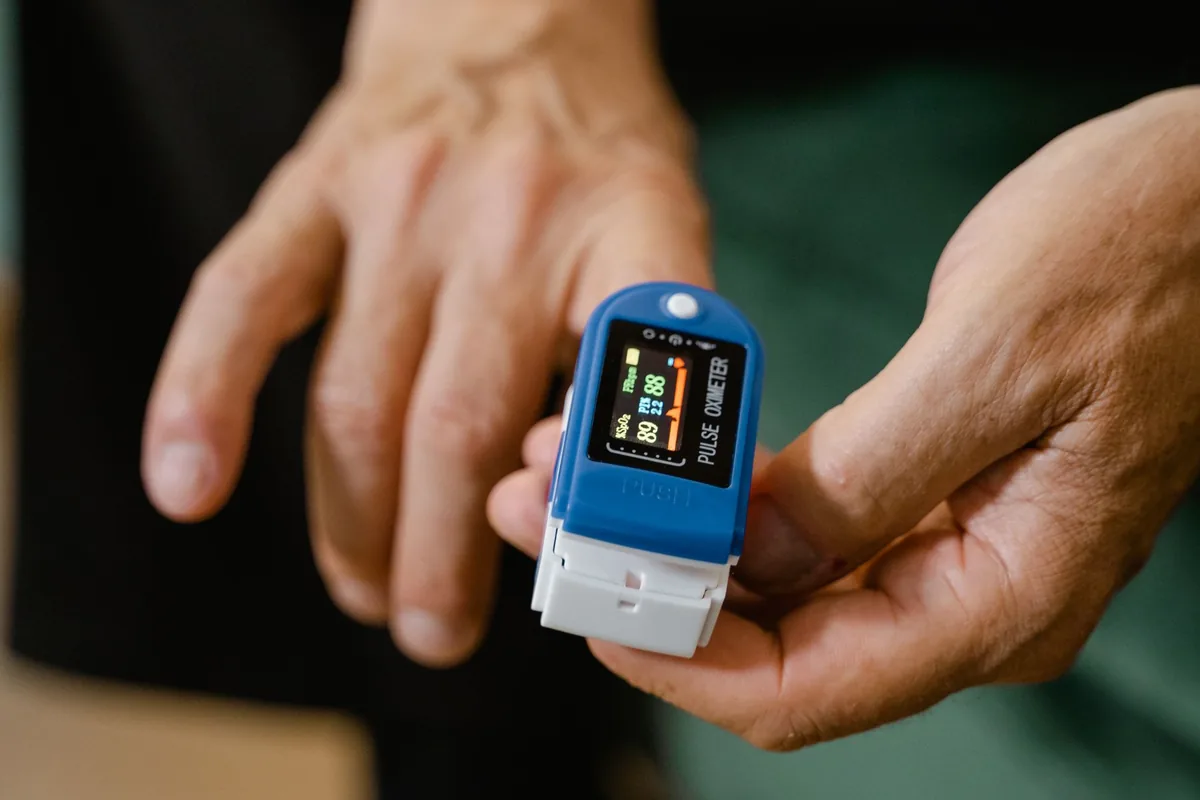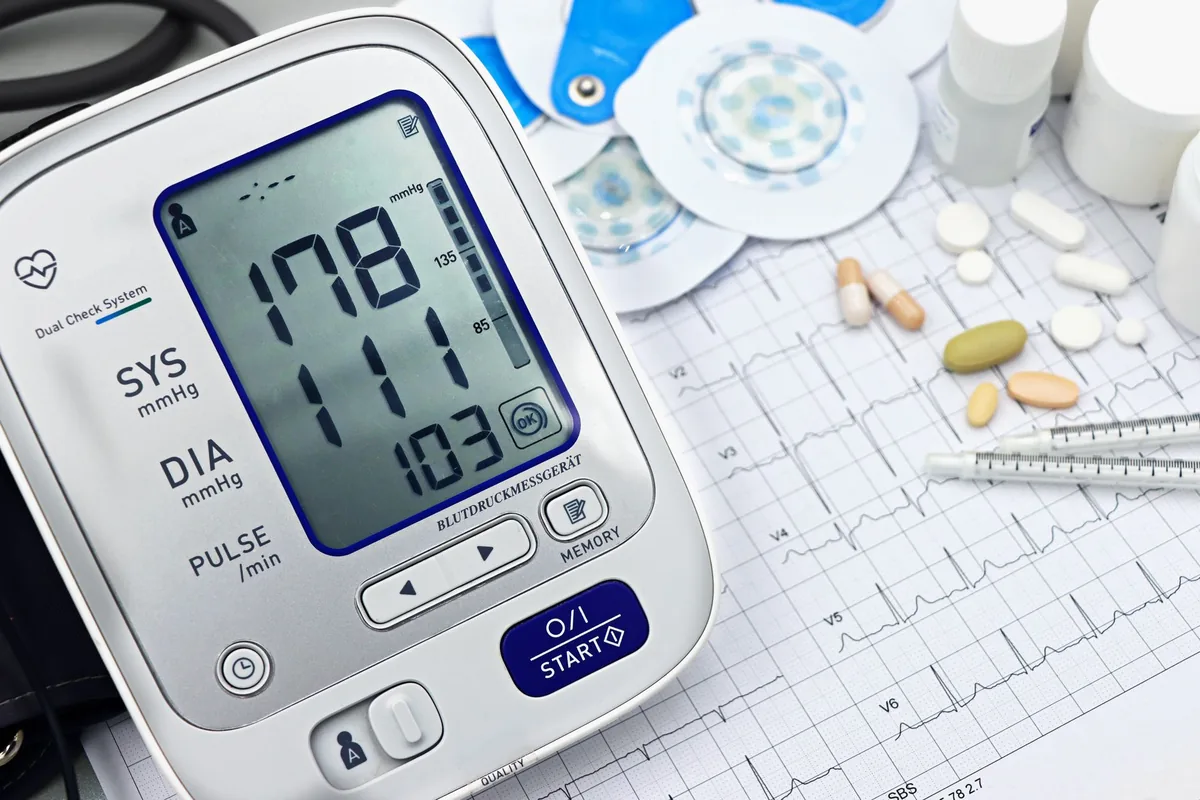
High blood pressure doesn’t always come with warning signs, but it can quietly increase the risk of serious health issues like heart attack, stroke, and kidney disease over time. Because of this, changes to how it’s diagnosed and managed—like the new hypertension guidelines explained simply—can have a real impact on millions of people. These updates aren’t just small tweaks; they redefine what counts as high blood pressure and who might need to take action, making it more important than ever to understand what the numbers mean.
Blood pressure is the force your heart uses to pump blood through your arteries, and it's measured using two numbers: systolic (when the heart beats) and diastolic (when the heart rests). Many things can affect a reading—from stress and caffeine to how the cuff is placed—so a diagnosis usually requires multiple measurements over separate visits. With recent shifts in clinical guidance, terms like “pre-hypertension” are being replaced, and thresholds for intervention have changed. This article breaks down those updates clearly, explains why lifestyle choices such as exercise, diet (like the DASH eating plan), avoiding heavy drinking, and not smoking play a major role, and outlines what these changes could mean for long-term health. For anyone looking to stay informed before speaking with a healthcare provider, understanding these points is a practical first step.
What Is Hypertension and How Does Blood Pressure Work?
To understand hypertension, it helps first to look at how the heart and blood vessels work together. The heart’s left ventricle, its strongest chamber, squeezes and pumps blood through arteries—blood vessels that carry blood away from the heart. One common way to remember this: "A for artery, A for away." Blood pressure is simply a measure of the force, or pressure, that blood exerts against the walls of those arteries as it flows. Three major factors influence this pressure: cardiac output (how much blood the heart pumps with each beat), blood volume, and the resistance the heart has to pump against. If you have ever wondered what "new hypertension guidelines explained simply" means, this basic foundation is the starting point.
Understanding the heart’s role in pumping blood through arteries and how pressure is measured
When a healthcare professional takes your blood pressure, they typically use a device called a sphygmomanometer (commonly known as a blood pressure cuff). The cuff works by temporarily constricting the artery in your arm. As the cuff is released, the provider listens at the brachial artery with a stethoscope. The first sound of blood rushing through the artery is recorded as the systolic pressure, and the point where that sound disappears is the diastolic pressure. Several factors can introduce error into this reading. For a reliable measurement, health authorities generally advise that the patient rest for at least five minutes, have their arm, back, and feet supported, and avoid talking, recent caffeine or alcohol, smoking, a full bladder, or emotional distress. Because so many external factors can affect a reading, a diagnosis of hypertension is not given until there are elevated readings from two separate visits.
The meaning of systolic and diastolic numbers in a blood pressure reading
Blood pressure is written as a fraction—for example, 120/80 mm Hg. The systolic number (the top number) measures the pressure in your arteries during the moment your heart beats, which is when the heart is at maximal contraction. The diastolic number (the bottom number) measures the pressure when your heart is at rest between beats. These two numbers together give clinicians an important picture of your cardiovascular health. What you should know about the "new hypertension guidelines explained simply" is that they have changed the cutoffs for diagnosis. According to those updated guidelines, normal blood pressure is now defined as less than 120/80 mm Hg. Elevated readings above that threshold may indicate pre-hypertension or different stages of hypertension, which require follow-up with a healthcare provider.
Practical tip: If you purchase an at-home blood pressure monitor, take it to your next appointment to have it compared against your provider’s cuff. This helps ensure you are getting accurate readings at home.
Disclaimer: This content is for informational purposes only and does not replace professional medical advice. If you have concerns about your blood pressure, consider speaking with a primary care provider or a cardiologist.
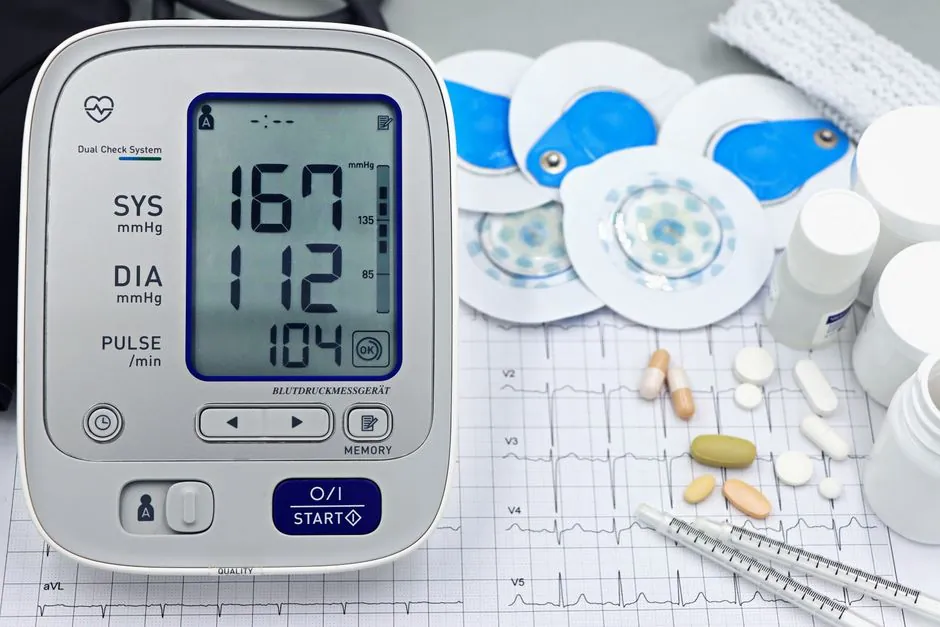
How Blood Pressure Is Measured — And Why It Can Be Inaccurate
A blood pressure cuff — the device with the formal name sphygmomanometer — measures the force your heart creates against the walls of your arteries. The top number, systolic pressure, is the reading during the heart's strongest squeeze; the bottom number, diastolic pressure, is when the heart relaxes in between beats. It sounds simple, but one reading can go wrong in ways you'd never expect — and that's why new hypertension guidelines explained simply always emphasize reliable, repeatable measurements over a single number.
Common errors that inflate your reading
- A cuff that's too small or too tight around your arm
- Placing the cuff over clothing instead of bare skin
- Not resting for five quiet minutes beforehand
- Leaving your arm, back, or feet unsupported during the test
- Talking while the nurse is listening — even small talk raises numbers
Think of it like stepping on a bathroom scale in heavy boots right after a big meal. The number isn't a lie — it's just not a baseline worth acting on.
Other factors that skew the numbers
The list of things that can throw off a reading before the cuff even inflates is longer than most people realize: stress (including just being in a medical setting), caffeine, alcohol, a cold room, and even a full bladder — that last one alone can nudge the dial upward by a noticeable margin. Smoking or nicotine use does the same within minutes.
That's why clinicians don't label a person with hypertension from one high reading — health authorities generally require two elevated readings from two separate visits. If you're measuring at home, the same rules apply: empty your bladder, sit quietly for five minutes, keep your arm supported at heart level, and don't talk. That's the honest baseline, and it's exactly the context you need when reviewing this reading.
If your numbers are consistently elevated or you have a specific concern, consider speaking with a cardiology or primary care provider.
New 2025 Hypertension Guidelines: What’s Changed?
Fact-checked. Reference only — not a substitute for professional medical advice.
Trying to make sense of the recent blood-pressure headlines? This is the dish — what the updated numbers mean and why they matter for everyday heart health.
Updated thresholds for diagnosis: normal and elevated blood pressure redefined
Blood pressure categories have shifted to catch problems earlier. The new structure looks like this:
- Normal: below 120/80 mmHg
- Elevated: systolic 120–129 with diastolic under 80
- Stage 1 hypertension: 130–139 systolic or 80–89 diastolic
- Stage 2 hypertension: 140+ systolic or 90+ diastolic
A reading like 128/78 is now classified as elevated — not a diagnosis itself, but a clear prompt to start tracking numbers regularly and introducing healthier habits before problems build up.
The end of “pre-hypertension”: earlier classification, clearer action
The old “pre-hypertension” band (120–139/80–89) left many people unsure whether to act. The updated system replaces that grey zone with specific categories that encourage earlier intervention. Lifestyle adjustments — reducing sodium, walking 30 minutes most days, moderating alcohol — are typically the first response, and clinicians usually confirm any diagnosis with readings from two separate visits.
Practical tip: Sit quietly for five minutes with your feet flat before a home reading — talking, a full bladder, or a recent cup of coffee can all skew the result. That’s the method: the goal is awareness and earlier action, not panic over a single number.
Disclaimer: This content is for reference only and does not replace professional medical advice. If you have specific concerns about your blood pressure, consider speaking with a primary care provider or a cardiology specialist.
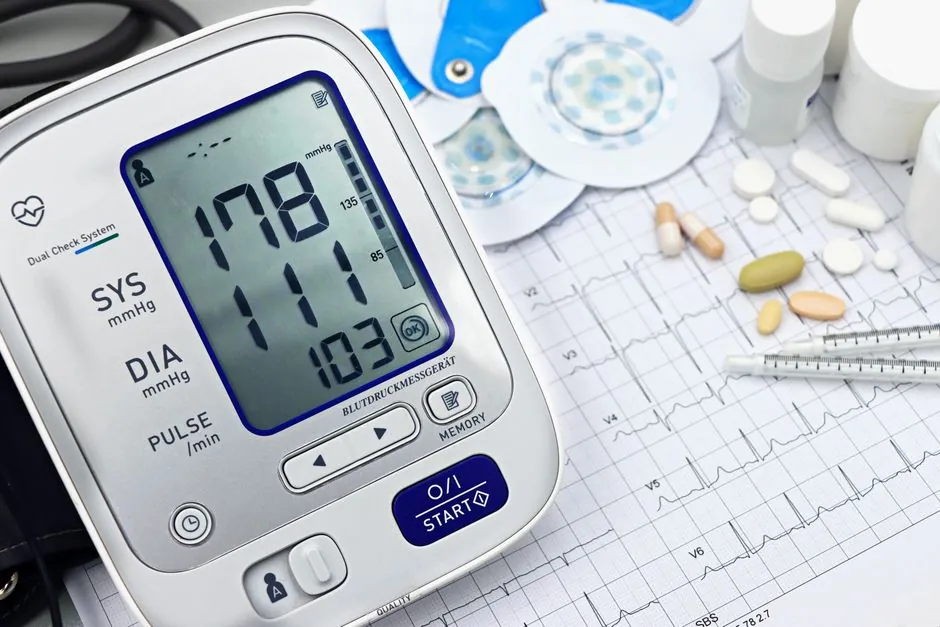
Why High Blood Pressure Is Called the 'Silent Killer'
High blood pressure, or hypertension, rarely announces itself. You generally don't feel the extra force against your artery walls, yet that force quietly strains your entire cardiovascular system. To understand the nickname, it helps to first see the mechanics: your heart pumps blood through arteries, and a blood pressure cuff (a sphygmomanometer) measures the pressure against those vessel walls. The top number (systolic) reflects the pressure during a heartbeat, and the bottom number (diastolic) is the pressure when your heart rests. Because so many factors—a too-small cuff, a recent coffee, stress, or even a full bladder—can briefly raise a reading, a diagnosis requires elevated readings on two separate visits.
How Hypertension Damages Blood Vessels in the Brain, Heart, Kidneys, and Other Organs Over Time
Think of your arteries like a flexible garden hose. Sustained high pressure is like leaving the water on full blast while kinking the hose; the constant force weakens the walls, causing them to stiffen or develop tiny tears. These damaged areas invite plaque buildup, narrowing the passageways.
Reduced blood flow affects nearly every critical system:
- Brain: Narrowed vessels can lead to mini-strokes or a major stroke, and it’s linked to cognitive decline.
- Heart: The heart must pump against higher resistance, which can enlarge the heart muscle and increase the risk of heart failure.
- Kidneys: The kidneys filter blood through delicate vessels; high pressure damages them, potentially leading to kidney disease or failure.
- Eyes: Tiny vessels in the retina can bleed or swell, affecting vision.
This is why this article focuses on prevention, not just treatment. The key takeaway? The damage is progressive but often invisible until a serious event happens.
Increased Risks of Heart Attack, Stroke, Heart Disease, and Kidney Disease Without Noticeable Symptoms
Because hypertension develops silently, a person can have it for years without a single symptom. In fact, the first sign of trouble is sometimes a major event like a heart attack or stroke. Clinical guidance indicates that uncontrolled pressure significantly raises the risk of these severe outcomes. It's not merely a risk factor; it's a major accelerator for heart disease and chronic kidney disease.
The good news, often highlighted in this article, is that lifestyle changes are powerful. Research frequently shows that regular moderate exercise, a diet rich in vegetables and low in sodium (like the DASH diet), limiting alcohol, and not smoking can dramatically lower your numbers. One helpful rule: limit alcohol to no more than one drink a day for women and two for men. Prevention through daily habits is the single best strategy to avoid becoming a statistic.
Disclaimer: This content is for reference only and does not replace professional medical advice. If you have concerns, consider speaking with your primary care provider or a cardiology specialist.
Learn how to track your blood pressure accurately at home to stay proactive.
Lifestyle Changes That Can Lower Blood Pressure Naturally
Understanding this starts with recognizing that daily habits have a powerful effect on blood pressure. Many people want to know what they can do before considering medication, and the research is clear: consistent lifestyle changes can make a real difference.
The power of the DASH diet, exercise, and healthy habits in preventing and managing hypertension
The DASH diet (Dietary Approaches to Stop Hypertension) is one of the most studied eating patterns for lowering blood pressure. It emphasizes fruits, vegetables, whole grains, lean proteins, and low-fat dairy while limiting sodium, saturated fats, and added sugars. Health authorities generally advise pairing this with moderate-intensity exercise — think brisk walking, swimming, or cycling — for about 30 minutes on most days. Together, these habits help reduce the pressure your heart has to pump against by supporting healthy blood vessel function and maintaining a healthy weight.
Practical tip: Start with one small change, like adding a serving of vegetables to lunch or taking a 10-minute walk after dinner. Small steps add up over time.
Avoiding heavy alcohol use and all forms of smoking to support long-term cardiovascular health
Heavy alcohol consumption — defined by clinical guidance as more than two drinks per day for men and more than one per day for women — can elevate blood pressure significantly. Smoking in any amount damages artery walls and increases the resistance your heart must pump against. Both habits raise the risk of complications like heart attack and stroke.
What this means in practice:
- Limit alcohol to at most one drink daily for women, two for men — and consider zero if you have trouble moderating.
- Eliminate smoking entirely — even occasional or "light" smoking harms cardiovascular health.
- Seek support through counseling, nicotine replacement, or apps — many people find quitting easier with a plan and accountability.
Remember, these lifestyle changes not only help manage existing hypertension but also reduce your chances of developing it in the first place. If you have specific concerns, consider speaking with a primary care provider or a cardiology specialist for personalized guidance.

When to See a Doctor: Red Flags and Diagnosis Criteria
A single high reading at the pharmacy or in the exam room is not the same as a hypertension diagnosis. The method comes down to one core idea: confirmation takes time. Clinical guidance generally requires two elevated readings from two separate visits before a clinician confirms the condition.
Getting Two Elevated Readings on Separate Visits Before a Diagnosis Is Confirmed
Blood pressure is surprisingly sensitive to everyday factors. A cuff that is too small, a conversation during the test, an unsupported back, or even a full bladder can push the number artificially high. Think of a single reading like one snapshot of weather — it tells you conditions at that moment, not the season. Research suggests this is why health authorities advise waiting for a second visit before making a diagnosis.
Common causes of a falsely high reading include:
- a blood pressure cuff that is too small for the arm,
- taking the measurement over clothing,
- talking or feeling anxious during the test,
- recent smoking, caffeine, or alcohol intake.
Between visits, sitting quietly for five minutes with both feet flat on the floor helps improve accuracy. If the second visit still shows an elevated number, most practitioners begin with lifestyle changes — such as exercise and diet — before discussing medication.
Signs You Should Seek Medical Attention, Even Without Symptoms
Hypertension is often called the silent killer because it usually produces no warning signs until complications such as heart attack or kidney disease develop. This version emphasizes risk factors over symptoms. A person with a family history of hypertension, stroke, or kidney disease — or who smokes, drinks heavily, or carries excess weight — should check blood pressure regularly, even while feeling completely fine.
Consider speaking with a healthcare provider if you notice:
- repeatedly elevated readings at home,
- a parent or sibling with diagnosed hypertension,
- recurring headaches, shortness of breath, or unusual fatigue.
These signs do not prove hypertension exists — only a clinician can determine that — but they justify a visit. Waiting for a dramatic symptom is risky because blood vessel damage can build up silently over years.
This content is for reference only and does not replace professional medical advice. If you have specific concerns about blood pressure, consider speaking with a primary care physician or a cardiology provider.
How the New Guidelines Improve Prevention and Care
For anyone trying to make sense of the shifting standards, this recipe focuses on catching problems earlier and treating the whole person, not just a number. The changes shift from a one-size-fits-all approach toward a more personalized strategy that accounts for individual risk factors and lifestyle. This means that instead of waiting for blood pressure to reach dangerous levels, clinicians now have clearer benchmarks for when to start conversations about intervention. The goal is to prevent the silent damage hypertension causes to the heart, brain, kidneys, and blood vessels before it leads to a heart attack or stroke.
Emphasis on early intervention, team-based care, and personalized risk assessment
The updated framework stresses that early intervention doesn't always mean medication. For many people, lifestyle changes—such as following a DASH-style eating pattern, getting moderate exercise like brisk walking for 30 minutes on most days, and limiting alcohol—can make a meaningful difference. The guidelines now recommend that care involve a team-based approach, where a pharmacist, nurse, dietitian, or health coach works alongside your primary care provider. This collaborative model helps you stay consistent with habits and medication if it becomes necessary.
A key shift is personalized risk assessment. Rather than treating everyone with the same blood pressure reading identically, clinicians consider your overall cardiovascular risk—including age, cholesterol, family history, and whether you smoke. This approach means two people with the same systolic number might receive different recommendations based on their unique profile. For example, a younger person without other risk factors might focus on lifestyle first, while someone with existing heart concerns might start treatment sooner. As the video explains, heavy alcohol intake (more than two drinks daily for a man, more than one for a woman) and any smoking significantly elevate pressure, so these factors are weighted heavily in the assessment.
Better tools for evaluating secondary causes and long-term cardiovascular risk
One important improvement in this dish is the emphasis on ruling out secondary causes—conditions like kidney disease or hormonal imbalances that directly raise blood pressure. While primary hypertension (linked to diet, inactivity, and genetics) is far more common, the guidelines now include clearer steps to identify when an underlying issue might be present. This is particularly relevant if blood pressure remains high despite multiple lifestyle changes or medications. Clinicians may order targeted blood work or imaging to check kidney function or hormone levels before labeling a case as resistant.
Additionally, the guidelines provide better tools for long-term cardiovascular risk evaluation. Instead of relying solely on the current blood pressure reading, healthcare professionals now use risk calculators that estimate your likelihood of having a heart attack or stroke over the next decade. This helps them decide how aggressively to treat and whether to combine medication with intensive lifestyle coaching. For instance, someone with a slightly elevated reading but low overall risk might focus on diet and exercise, while a person with the same reading but high calculated risk may start medication sooner. As the video stresses, controlled blood pressure reduces the risk of dying prematurely by about a quarter and lowers heart attack and stroke risk by roughly a third—making this personalized approach a practical shift toward prevention.
Practical tip: At home, use a validated blood pressure cuff (sphygmomanometer) on a bare arm, after sitting quietly for five minutes with feet flat and back supported. Avoid caffeine, smoking, or a full bladder beforehand, as these can falsely elevate your reading.
Before You Decide
Understanding the method isn’t just about knowing a number on a screen—it’s about recognizing how small, consistent choices in daily life can support long-term heart health. These updates reflect a growing emphasis on early detection and lifestyle-centered management, highlighting the importance of regular monitoring, movement, balanced nutrition, and stress awareness. While medical treatment may be necessary for some, the foundation often begins with habits that are within reach for most people.
What matters most is building a proactive relationship with your health—one where you’re informed, engaged, and ready to ask meaningful questions during provider visits. Because cardiovascular wellness isn’t determined in a single doctor’s appointment, but by the patterns of care we prioritize over years. If you have ongoing concerns about blood pressure, consider speaking with a primary care provider or a cardiologist who can help interpret your individual picture.
References
- Updates in the 2025 AHA/ACC Hypertension Guideline - PMC (pmc.ncbi.nlm.nih.gov)
- New BP guideline: 5 things physicians should know | American Medical Association (ama-assn.org)
- Expert Q&A: What you need to know about the new hypertension guidelines (health.ucdavis.edu)