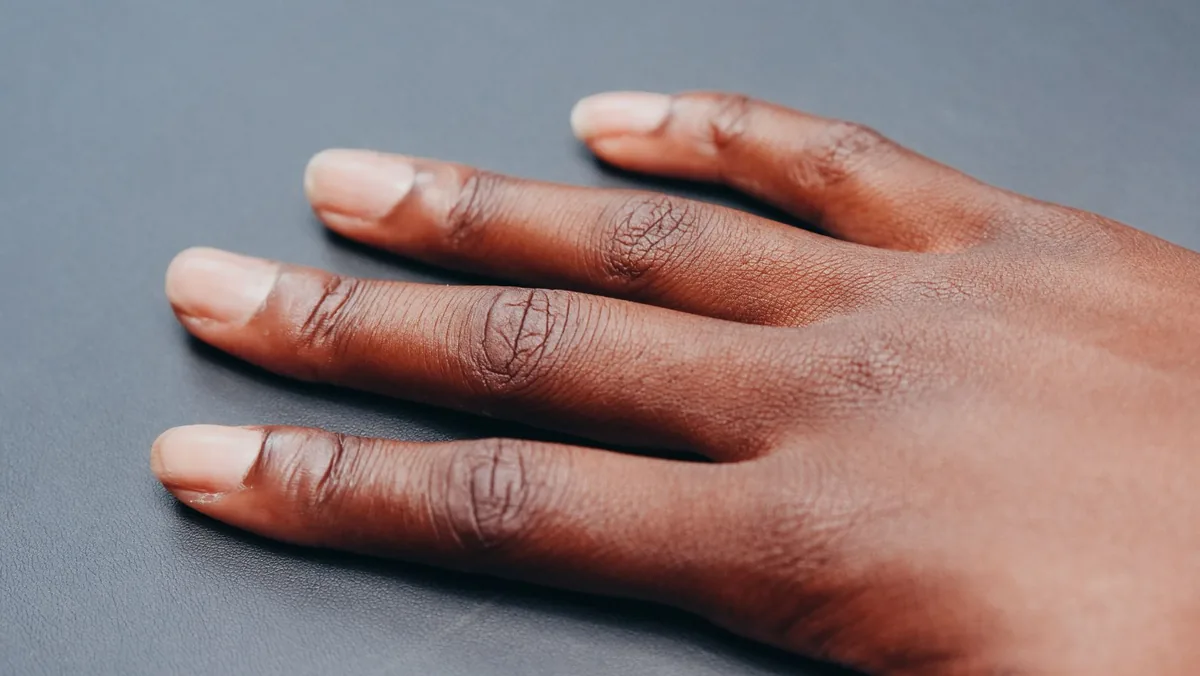
You reach for a mug, and your fingers feel like they’ve been outside in January—even though you’re indoors. Cold hands are common, and in many cases they’re simply your body’s normal way of protecting its core temperature. But when they’re persistently icy, or they come with color changes, numbness, or other unusual feelings, it’s natural to wonder whether something more is going on.
Understanding the causes of cold hands means looking at the everyday first: room temperature, stress, caffeine, smoking, and how strongly your blood vessels react to cold. In some people, the vessels in the fingers and toes narrow more than expected when temperatures drop, which can leave hands feeling cold even when the rest of the body is comfortable. That pattern can be harmless, but it can also overlap with other health issues—so context matters more than any single symptom.
You don’t need to panic over chilly fingertips, and you don’t need to self-diagnose either. The goal here is to help you tell ordinary cold sensitivity from patterns that deserve a professional conversation, and to explain what a clinician may look for. This information is for reference only and doesn’t replace personalized medical advice; if you’re concerned, a qualified healthcare professional can help you sort it out.
What usually causes cold hands?
Cold hands are common, and for most people they're simply the body's way of protecting its core. Still, if your hands are always cold, it's reasonable to wonder why. Below are the two main mechanisms behind most causes of cold hands.
The body's natural response to cold
When you're exposed to cold, your body works to keep your core temperature stable, because your heart, brain, and other organs need warmth to function. One way it does this is by narrowing blood vessels near the skin — a process called vasoconstriction — so warm blood stays closer to the center of the body.
Fingers and toes are the first to lose that blood flow. Think of a house in winter: the radiators in unused rooms get turned down so the main living space stays warm. Your hands are the "unused room." This is normal, and it's why hands cool faster than your torso.
How blood circulation affects hand temperature
Hand temperature depends on how much blood reaches the small vessels in your fingers. Everyday factors can reduce that flow:
- Cold rooms or weather, especially without gloves
- Sitting still for long stretches, which slows circulation
- Stress or anxiety, which triggers vessel narrowing
- Smoking or nicotine, which constricts blood vessels
Sometimes the response is exaggerated. Clinical guidance describes Raynaud's phenomenon, where cold or stress makes the vessels in fingers and toes over-constrict. It's not something to self-diagnose; a clinician can sort out whether it fits the picture. If your hands turn white or blue, feel painful, or if symptoms affect only one side, consider speaking with a primary care clinician or a vascular specialist.
Everyday triggers and lifestyle factors
If your hands often feel cold, you’re not alone — and it’s rarely a sign of something serious. In the video, Dr. Mike explained that the causes of cold hands often come down to how your body protects its core. When you’re cold, blood vessels in your fingers narrow so warmth stays with your organs. For some people, that response is stronger than needed. Understanding the causes of cold hands can help you decide what to adjust first.
Cold environments and stress
Cold air is the most obvious trigger. The video described a possible overreaction called Raynaud’s phenomenon, where cold triggers an exaggerated vessel response — but that’s a general example, not a diagnosis. Stress can set off the same vessel narrowing. A practical tip: warm your hands under lukewarm water, not hot, and wear gloves before you step outside.
- Dress in layers and cover hands early.
- Use hand warmers in pockets.
- Try slow breathing to ease stress.
Smoking and caffeine
Nicotine and caffeine both constrict blood vessels, which can reduce flow to fingers and make cold hands worse. If you smoke, cutting back or quitting is one of the most helpful changes. Caffeine affects people differently — some notice cold hands after coffee, others don’t. Try tracking your habits for a week. If cold hands persist, hurt, or come with color changes, speak with a clinician. A vascular medicine or rheumatology provider can evaluate circulation. This is general information, not medical advice.
Medical conditions that can make your hands cold
Fact-checked
Cold hands are often just a response to temperature. But if they stay cold indoors or happen with other symptoms, several medical conditions can be involved. This is general information, not a diagnosis. A clinician can help sort out this issue.
Anemia, hypothyroidism, and diabetes
Anemia means low levels of healthy red blood cells or hemoglobin, which carry oxygen. When oxygen delivery is reduced, fingers can feel cold. Hypothyroidism is an underactive thyroid; it can slow metabolism and make a person feel cold overall, including the hands. Diabetes can damage blood vessels and nerves over time, especially if blood sugar is not well managed, which may affect circulation and sensation.
- Anemia: fatigue, pale skin, shortness of breath
- Hypothyroidism: tiredness, weight changes, dry skin
- Diabetes: numbness, tingling, slow healing
If hands are cold but not blue, painful, or numb, layering and moving fingers may help. Persistent symptoms deserve a clinician's look.
Vitamin B12 deficiency and nerve issues
Vitamin B12 deficiency can affect nerves and blood cells. It may cause tingling, numbness, or a cold sensation in the hands and feet. Nerve issues — such as peripheral neuropathy — can also change how temperature is felt, even when blood flow is normal. In the video, a doctor describes Raynaud's phenomenon: an overreaction to cold where blood vessels in the fingers tighten and redirect blood to organs. That can make the hands feel cold or change color. It is not a diagnosis, but a possible pattern to discuss with a professional.
Many people report that keeping hands warm, avoiding sudden cold, and managing stress help. If symptoms are one-sided, sudden, or come with weakness, seek care promptly. For ongoing cold hands, consider speaking with a primary care provider or a specialist such as a rheumatologist or neurologist. This content is for reference only and does not replace professional medical advice.
Raynaud's phenomenon and circulation overreactions
If your fingers or toes turn white, blue, then red in the cold, you may be dealing with more than typical cold hands. These causes range from a simple chill to Raynaud's phenomenon — a circulation overreaction. This is general information, not a diagnosis; a clinician can help sort out what's going on.
What happens during a Raynaud's episode
In Raynaud's, the body overreacts to cold or stress by narrowing blood vessels in the fingers and toes more than needed. This is a protective reflex gone into overdrive: blood is shunted away from extremities toward vital organs. Three things happen:
- Blood vessels constrict sharply, reducing blood flow to the skin.
- Color changes appear — often white, then blue, then red as flow returns.
- Sensation shifts to numbness, tingling, or a throbbing ache.
It can feel alarming, but for many people it's a manageable quirk of circulation. Think of a thermostat set too sensitive: a small chill triggers a big response.
How it feels and looks compared to normal cold hands
Normal cold hands cool gradually, feel chilly, and warm up quickly when you put on gloves or run them under warm water. In Raynaud's, the change is sudden and dramatic. Fingers may go stark white or blue, feel numb or prickly, then turn red and throb as circulation returns. Episodes often last minutes to an hour. Unlike everyday cold hands, the color shifts are the hallmark. If this pattern sounds familiar, it's worth mentioning to a primary care provider. For specific concerns, consider speaking with a rheumatologist or vascular specialist, who can evaluate circulation issues. Fact-checked. This content is for reference only and does not replace professional medical advice.
Symptoms that accompany cold hands
Cold hands are often just a sign that your body is conserving heat. But when they come with other symptoms, it can be reassuring to understand what might be happening. One of the more common mechanisms is an overactive narrowing of blood vessels in response to cold, sometimes called Raynaud's phenomenon.
Color changes like white, blue, or red
When blood flow to your fingers drops, you may notice a sequence of color changes. Think of a garden hose being pinched—first the flow slows (white), then the trapped blood loses oxygen (blue), and finally, when the pinch releases, a rush of red blood returns (red). Not everyone sees all three phases, and some people only notice one or two. This can happen with cold exposure or even stress. Health authorities generally describe these as signs of reduced circulation, not diseases on their own.
Practical tip: If you notice these changes, try to warm your hands gradually—running them under warm (not hot) water or tucking them under your armpits. Avoid sudden temperature swings.
Numbness, tingling, or pain
Reduced blood flow can also make your hands feel numb, tingly, or painful—like the "pins and needles" when your foot falls asleep, but in your fingers. These sensations usually ease as warmth returns. However, if numbness or pain is persistent or severe, or happens without cold exposure, it's worth mentioning to a clinician.
- Numbness: a loss of feeling, as if your hand is "asleep."
- Tingling: a prickling or "crawling" sensation.
- Pain: a throbbing, aching, or sharp discomfort.
Many people with these symptoms find that keeping hands warm and avoiding triggers helps. If you're concerned, consider speaking with a rheumatologist or vascular specialist. This information is for reference only and does not replace professional medical advice.
When to see a doctor for cold hands
Cold hands are often just your body's normal response to cold or stress. But sometimes they signal an underlying issue. If you're worried, it's smart to check. This section covers key warning signs and when to seek care.
Red flags: pain, ulcers, or skin changes
Most temporary cold hands from cold weather or holding a cold drink aren't dangerous. However, see a doctor if you notice pain, open sores (ulcers), or persistent skin color changes—like fingers turning white, blue, then red. These can point to poor circulation or tissue damage. Health authorities generally advise not to ignore these signs. A practical tip: think of your blood vessels like garden hoses. If they clamp down too much, parts of your hand don't get enough blood. Watch for:
- Pain, throbbing, or numbness that doesn't go away
- Ulcers or sores on fingers or toes
- Skin that stays pale, blue, or unusually red
If any of these appear, contact a healthcare professional promptly.
Sudden coldness or one-sided symptoms
Cold hands that come on suddenly—especially in just one hand or one side of your body—need urgent attention. This can be a sign of a blood clot, nerve problem, or other serious issue. Also seek emergency care if coldness comes with weakness, slurred speech, or chest pain. For chronic cold hands on both sides, causes can include Raynaud's phenomenon, where blood vessels overreact to cold. In one video example, a person with always-cold hands and feet learned about this pattern—but that's not a diagnosis. Other possible causes include anemia or thyroid issues, though only a clinician can tell. If you're concerned, consider speaking with a primary care or vascular specialist. This content is for reference only and does not replace professional medical advice.
How cold hands are evaluated and managed
What to expect at a doctor's visit
It's natural to worry when your hands stay cold while others are comfortable. A doctor's visit usually starts with a detailed history. They may ask about:
- When you first noticed cold hands and whether cold, stress, or holding a cold drink triggers it.
- Whether your fingers turn white, blue, or red — color changes are a key clue.
- Other symptoms like cold feet, fatigue, or family history of circulation problems.
Next comes a physical exam: checking pulses in your wrists, capillary refill (how quickly color returns after pressing a nail), and blood pressure in both arms. Sometimes blood tests are ordered to look for underlying conditions like anemia or thyroid issues, though not everyone needs them. As the video notes, one possible pattern is Raynaud's phenomenon — an overreaction to cold where blood vessels in the fingers constrict too much. A doctor won't diagnose you from a single sign; they'll consider the whole picture. If you're unsure, a primary care provider is a good first stop.
Lifestyle adjustments and medical treatments
While this can range from harmless circulation quirks to Raynaud's phenomenon, many people manage well with simple changes. Start with:
- Keep hands warm: Wear gloves or mittens, use hand warmers, and avoid sudden temperature changes like grabbing ice.
- Manage stress: Stress can trigger blood vessel narrowing, so deep breathing or gentle exercise may help.
- Avoid nicotine: Smoking and vaping constrict blood vessels, which can make cold hands worse.
If lifestyle steps aren't enough, a doctor may treat an underlying condition or, for Raynaud's, prescribe medications that help open blood vessels. The prescribing clinician sets the dose based on your response and other health factors. Research suggests these treatments can reduce attacks, but they aren't a guaranteed cure. As the video's doctor notes, cold hands often mean your body is protecting your core — not that something is necessarily wrong. If you have a specific concern, consider speaking with a primary care provider or a rheumatologist. This content is for reference only and does not replace professional medical advice.
Before You Decide
If you have been searching for this condition, you may feel unsure whether to shrug it off or ask a professional. That worry is understandable, and it is okay to want calm information before deciding what to do next. Everyday factors—such as room temperature, stress, or having a naturally cooler body temperature—can play a role, while some health conditions may also affect circulation or nerve function. Because the range is broad, a single article cannot tell you what is happening in your body.
This content is for reference only and does not replace professional medical advice. If you have a specific concern, consider speaking with a primary care provider, who can help decide whether a specialist such as a vascular or rheumatology provider is appropriate. Keep noticing patterns, stay warm, and be gentle with yourself—you are already taking a thoughtful step by learning more.
References
- 10 Possible Causes of Cold Fingers and Hands - Healthline (healthline.com)
- Cold Hands: Causes & Treatment Options - Cleveland Clinic (my.clevelandclinic.org)