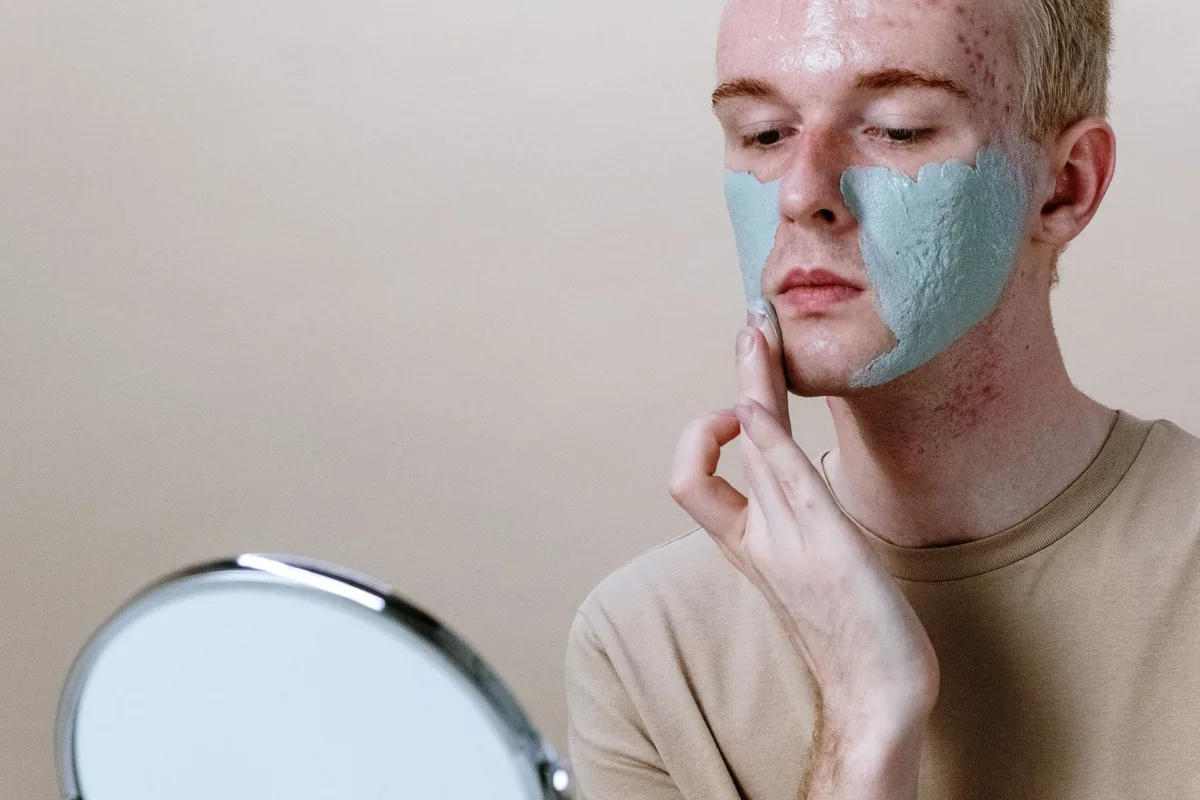
New skincare can make your skin look like it is getting worse before it gets better, and that is exactly why the difference between purging and breaking out matters. Both can show up as fresh spots at the same time, but the reason behind them is not always the same, and that difference can help you decide whether a product is simply causing a short adjustment period or whether it may be a poor match for your skin.
At a basic level, purging is often discussed with products that increase cell turnover or help clear clogged pores faster, while a true breakout is more likely to reflect irritation, congestion, or a reaction to something in the formula. The tricky part is that the surface look can overlap, so the goal is not to self-diagnose a skin condition, but to understand the pattern well enough to make a calmer, safer choice.
Below, I’ll keep the language plain and practical, with a focus on what is generally considered normal, what tends to be a warning sign, and when it makes sense to pause and get help. This content is for reference only and does not replace professional medical advice; if you have a specific concern, consider speaking with a dermatologist or other qualified skin care provider.
Quick comparison of purging vs a true breakout
Fact-checked. When people compare skincare reactions, the difference between purging and breaking out usually comes down to pattern, not just appearance. Purging often shows up soon after starting an active ingredient such as a retinoid or exfoliant and tends to cluster where breakouts already happen. A true breakout is more likely to appear in new places, keep forming without a clear trigger, and last longer than an early adjustment phase.
Side-by-side clues like timing, location, and how long it lasts
- Timing: purging often starts after a new product; breakouts may not line up with a recent change.
- Location: purging often follows usual problem areas; breakouts can show up in unfamiliar spots.
- Duration: purging should gradually settle; bumps that keep worsening usually deserve attention.
A simple analogy: purging is like stirring up dust in a room you just cleaned, while a breakout is new dust still coming in.
Why the two can look similar at first glance
Both can cause red bumps, whiteheads, or clogged-looking pores, so early on they may seem nearly identical. That is why the difference between purging and breaking out is often judged by timing and pattern, not one photo alone. If the cause is unclear, a licensed skincare or medical provider can help sort it out. This section is for reference only and does not replace professional medical advice. If you have a specific concern, consider speaking with a dermatology provider.

What skin purging is and which products can trigger it
Fact-checked: Skin purging is a temporary flare that can happen when active ingredients speed up cell turnover and bring clogged pores to the surface. In the purging vs. breaking out distinction, purging usually shows up where acne already tends to happen, while a regular breakout may appear in new areas and can suggest irritation instead. This is for reference only and does not replace professional medical advice. A skincare ingredient guide can help you compare actives before you add them.
Common triggers such as retinoids, AHAs, BHAs, and exfoliating treatments
Products most often linked to purging are the ones that exfoliate or increase turnover:
- Retinoids, which speed skin renewal.
- AHAs like glycolic or lactic acid, which loosen dead skin.
- BHAs such as salicylic acid, which help clear pores.
- Exfoliating treatments like scrubs, peels, and some acne products.
If a new product keeps causing fresh bumps in new places, the formula matters, and a dermatologist can help sort out irritation from acne.
Why purging happens when skin turnover speeds up
Think of it like moving a stack of papers faster: hidden sheets reach the top sooner. When turnover speeds up, microcomedones—tiny clogged pores—may surface more quickly, which can look like a short-lived flare. PubMed-indexed dermatology reviews describe this as a predictable response to some actives, but details vary by person and product. If you have a specific concern, consider speaking with a dermatologist or another licensed skincare provider.
What a breakout looks like instead
Fact-checked. When people compare this product, the pattern matters most. “Purging” is usually described after starting an active ingredient that speeds skin turnover, while a breakout can happen for many reasons and may not settle on its own. A helpful clue is location: purging often stays where acne already tends to show up, while irritation or a flare can look broader, redder, or more uncomfortable.
Signs that point to clogged pores, irritation, or an acne flare
- Whiteheads or blackheads that appear in familiar areas
- Stinging, tightness, or dryness after adding a new product
- Itching or burning that suggests irritation rather than a simple purge
A practical check: if skin seems more reactive than usual, think “barrier stress” first. In plain language, the skin barrier is the outer layer that helps keep moisture in and irritants out. If a product is a good fit, the pattern usually looks more contained than chaotic.
How breakouts may show up in new places or keep worsening
Breakouts are more suspicious when they spread to areas that were usually clear, keep getting worse, or keep appearing after the early adjustment period. The method is often about momentum: purging tends to stay limited, while a breakout may feel like new bumps are arriving in waves. If the skin becomes increasingly swollen, crusted, or painful, it’s sensible to stop experimenting and speak with a qualified provider. For reference only; this does not replace professional medical advice. If you have a specific concern, consider speaking with a dermatologist.
Symptoms and timeline to watch for
This version usually comes down to pattern, timing, and how the skin feels. Purging is often linked to products that speed up cell turnover, so it may show up where you already tend to get clogged pores. A regular breakout can appear in new spots, feel more irritated, and keep cycling if something in the routine is not agreeing with your skin. For a simple comparison, basic skincare routine tips can help you keep changes minimal while you observe.
- Purging: small, familiar-looking bumps in usual areas.
- Breakout: new or spreading spots, often more inflamed.
- Timeline: purging should generally ease with time; worsening suggests a different issue.
How purging and breakouts differ in appearance, severity, and duration
Think of purging like clearing out a crowded hallway: existing clogs come forward faster. It often looks like whiteheads, blackheads, or small pimples, and it is usually limited and short-lived. Breakouts are more likely to bring itching, burning, tenderness, or deeper bumps, and they may continue as long as the trigger is present. Because skin responses vary, the timeline can change from person to person.
Clues that suggest the reaction is not a temporary purge
It may be more than a purge if the reaction spreads to places that were previously clear, becomes swollen or crusted, or keeps getting worse instead of settling. Persistent irritation, pain, or a rash-like look are also clues that the product may not be a good fit. This is general reference only, not a diagnosis. Fact-checked. If you have a specific concern, consider speaking with a dermatologist or another qualified provider.

What to do if you think it is purging or breaking out
Fact-checked: This section is for general reference only and does not replace professional advice.
How to simplify your routine without overreacting
If you are trying to judge this routine, start by removing guesswork. Keep the routine basic for a couple of weeks: cleanser, moisturizer, and sunscreen in the daytime. Think of it like troubleshooting a phone—you change one thing at a time so you can see what actually caused the issue.
- Pause extras like scrubs, peels, and multiple new serums.
- Use one new product at a time, so the pattern is easier to follow.
- Track changes in a short note or photo, rather than judging day by day.
When to pause a product and when to keep monitoring
It may make sense to keep watching if the change is mild and follows the expected adjustment period for that ingredient. But if the product seems to cause strong irritation, fast worsening, or a reaction that feels different from your usual skin changes, pausing it is the safer choice. The goal is not to push through every flare.
In general, the decision comes down to pattern and tolerance: keep monitoring when things are steady or improving; stop and get guidance when they are clearly getting worse. If you have a specific concern, consider speaking with a dermatology provider.
When to see a doctor or dermatologist
Fact-checked. For reference only; this does not replace professional medical advice. If this method feels unclear, watch for irritation that goes beyond a short-term flare.
Red flags like pain, swelling, hives, a spreading rash, or signs of infection
If a new skincare product leads to pain, swelling, hives, a spreading rash, or skin that feels hot, that is less consistent with a brief purge and more concerning for a reaction. Purging usually stays where clogged pores already exist, while a reaction can appear quickly and spread. Think of it like a smoke alarm: when the response is wide-area or intense, it is worth paying attention.
- Stop the product and get advice if the skin gets rapidly worse.
- Watch for crusting, pus, fever, or tender lumps that could suggest infection.
- Seek urgent help if hives, facial swelling, or breathing trouble occur.
Scarring, severe cysts, or a reaction that does not settle in a reasonable timeframe
Deep, very tender bumps, scarring, or lesions that keep leaving marks are good reasons to speak with a dermatologist. The same goes for a reaction that keeps worsening or does not calm down after a short period of observation. In this version, persistence and skin damage are important clues. If you want a quick ingredient comparison, see basic skincare ingredients.
Note: If you have a specific concern, consider speaking with a specialty provider.
How to avoid confusion the next time you start a new product
Fact-checked — This is general skin-care information, not a diagnosis, and it does not replace professional medical advice. If you have a specific concern, consider speaking with a dermatology provider.
Introduce actives slowly and one at a time
When people ask about this recipe, the simplest way to reduce guesswork is to change only one thing at a time. “Actives” are ingredients that can change skin appearance, such as exfoliating acids or retinoids. Start with one new product, then wait before adding another so you can see what happens clearly. Think of it like testing one ingredient in a recipe instead of several.
Use patch testing and a simple skin diary to track changes
Patch testing means applying a small amount to a limited area first, then watching for redness, itching, or burning before using it more broadly. A skin diary can be as simple as three notes:
- product name
- where you applied it
- what changed over the next few days
This can make the pattern easier to spot, because a pattern that keeps showing up after each use is more informative than one bad day. For persistent or severe reactions, a licensed clinician can help sort out what is going on. Source note: PubMed.
Key Takeaways
Fact-checked. The method usually comes down to timing, where the bumps appear, and whether they line up with a product that speeds up skin turnover. Purging can happen after starting certain skincare actives, while a breakout may suggest your skin is not tolerating the formula or that another trigger is involved. Because skin changes can look similar from person to person, it helps to stay cautious and avoid jumping to conclusions. This content is for reference only and does not replace professional medical advice.
What to do next: pause new products, keep the routine simple, and note whether the skin calms down or keeps worsening over the next week or two. If you have a specific concern, consider speaking with a dermatologist or another licensed skin-care provider. That can help you sort out what is probably temporary and what should be stopped.
References
- Purging Or Breaking Out? HOW TO EASILY TELL... - YouTube (youtube.com)
- Purging vs Breaking Out: Know the Difference! – SeoulCeuticals (seoulceuticals.com)