
That chocolate bar you're eyeing might not be the villain your breakout diary suggests—but it's not exactly innocent either. The chocolate effect on acne-prone skin is one of those topics where folklore, personal anecdotes, and a handful of studies all collide, leaving most people more confused than informed. If you've ever skipped dessert for a week only to see your skin behave exactly the same, you're not alone in wondering what's really going on.
Here's what makes this worth sorting out: acne is a complex condition involving oil production, inflammation, hormones, and skin bacteria—not just one food. Research hasn't shown that chocolate directly causes acne, and most experts agree that no single ingredient is likely to be the sole trigger for something this multifaceted. At the same time, some patterns have emerged when people eat a lot of chocolate, including varieties beyond dark chocolate. The goal isn't to ban your favorite treat or to pretend diet plays no role; it's to separate what we actually know from what gets repeated without evidence.
In the sections ahead, you'll learn how to think critically about chocolate and breakouts, what the research really suggests, and how to make informed choices for your own skin. If you're dealing with persistent or painful acne, though, a licensed healthcare provider can help you identify what's driving it—this article is general information, not a substitute for that conversation.
Why Chocolate Gets Blamed for Acne—and What the Science Really Shows
Fact-checked. For reference only; this does not replace professional medical advice.
The popular belief versus the lack of proof that chocolate directly causes acne
Many people swear that a candy bar triggers a breakout, so the chocolate effect on acne-prone skin feels obvious. But the popular belief is stronger than the evidence. Clinical guidance usually says there is no proof that chocolate directly causes acne. Observational research has looked at people who eat large amounts of chocolate—including dark chocolate and cocoa-rich products—yet those patterns cannot show cause and effect. A breakout after eating chocolate may simply coincide with stress, hormonal shifts, poor sleep, or other foods eaten at the same time. If you are prone to acne, tracking your skin alongside sleep, stress, and diet for a few weeks is more useful than blaming one treat.
Why acne is too complex to pin on one ingredient or one food
Acne is a complex skin condition involving:
- Hair follicles and oil production
- Skin cell turnover and inflammation
- Hormones and genetics
No single ingredient or food can explain all of that. Think of a car that won’t start: a dead battery, an empty tank, or a faulty ignition can produce the same result, so blaming the radio because it was left on misses the real system. Likewise, the chocolate effect on acne-prone skin may be indirect—through added sugar, dairy, or overall eating patterns—rather than chocolate itself. General skin care, consistent sleep, and stress management support skin health. If acne is persistent, painful, or scarring, consider speaking with a dermatologist or primary care clinician.

How Acne-Prone Skin Presents: Symptoms and Breakout Patterns to Track
Acne-prone skin varies. The effect of chocolate on acne-prone skin is often discussed, but current evidence does not prove chocolate directly causes acne. Health authorities generally describe acne as complex, involving pores, oil, bacteria, and inflammation. Tracking skin after eating chocolate may reveal patterns—not a diagnosis.
Common signs such as whiteheads, blackheads, papules, pustules, nodules, and cysts
Acne blemishes have specific names:
- Whiteheads: closed pores plugged with oil and dead skin.
- Blackheads: open pores with dark plugs, not dirt.
- Papules: small, tender red bumps without a visible white center.
- Pustules: red bumps with a white or yellow pus tip.
- Nodules: deeper, painful lumps under the skin.
- Cysts: deep, pus-filled lumps that may scar.
Most people with acne have a mix. Think of a traffic jam in a pore: oil and dead cells block the road, then inflammation causes a backup. Deep, painful nodules or cysts warrant a dermatologist’s evaluation because scarring risk is higher.
Tracking timing, location, and severity after eating chocolate
Because this reaction is not one-size-fits-all, a simple log can be practical. Note:
- Timing: when you ate chocolate and when new spots appear — days later, not minutes.
- Location: jawline, cheeks, forehead, or chin, and whether it matches your usual pattern.
- Severity: count new papules, pustules, nodules, or cysts, plus pain or swelling.
Also record chocolate type and amount, plus stress, sleep, and menstrual cycle, since those can influence breakouts. High chocolate intake, including dark chocolate, has been studied, but findings are mixed. Don’t eliminate foods based on one breakout; change one variable at a time. If acne is persistent, painful, or scarring, consider speaking with a board-certified dermatologist. Fact-checked: for reference only; not a substitute for professional medical advice.
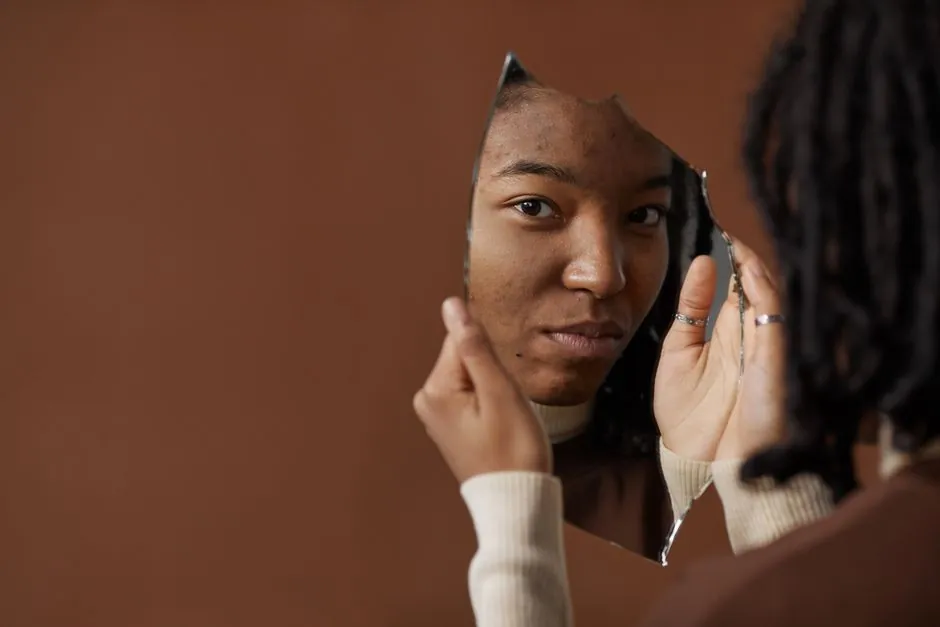
How to Test Whether Chocolate Affects Your Acne Without Eliminating It Forever
If you love chocolate, cutting it out forever feels drastic. The question is not a simple yes-or-no issue; general dermatology guidance usually says no single food causes acne, which is complex. Still, some people notice flares after eating certain chocolate. You can test this without banning it permanently.
Change one variable at a time and keep skincare, stress, and sleep stable
Acne responds to hormones, stress, sleep, skincare, and diet. If you change everything at once, you cannot tell what mattered. During your test, keep your usual cleanser, moisturizer, and sunscreen. Aim for consistent sleep and manage stress as best you can.
- Keep the same skincare routine.
- Keep sleep and stress roughly stable.
- Change only chocolate amount or type.
- Avoid starting new actives or treatments.
Think of it like a science fair project: one variable, one result.
Use a short observation log rather than assuming chocolate is the culprit
Instead of assuming, track for a few weeks. Note what you ate, how much, and any skin changes. Many people report that high chocolate intake, including dark chocolate, seems linked to breakouts, but research has not proven a direct cause. A log helps you see your own pattern. If you notice a consistent link, try reducing rather than eliminating. If acne is painful, scarring, or affecting your life, consider speaking with a dermatologist. This is for reference only, not medical advice.

What Type of Chocolate Matters—and What Else May Be in the Bar
Acne is complex, and no single food is likely to be its sole cause. But the effect may depend on the type of chocolate, added ingredients, and how much you eat.
Dark chocolate is not automatically safe for acne-prone skin
Many people assume dark chocolate is a safe choice because it contains less sugar and more cacao. However, research suggests that high chocolate intake—including dark chocolate—has been linked to acne in some people. That doesn’t mean dark chocolate directly causes breakouts, but it isn’t automatically risk-free. If you notice flare-ups after eating it, consider tracking your intake.
Sugar, dairy, and portion size may matter for some people
For some, the bigger triggers may be what comes with the chocolate. Consider these factors:
- Sugar: High-sugar foods can spike blood sugar, which may influence hormones and inflammation.
- Dairy: Milk chocolate often contains dairy, and some people report breakouts after consuming it.
- Portion size: Eating a large amount regularly may matter more than a small occasional treat.
If you have persistent acne concerns, consider speaking with a dermatologist. This information is for reference only and does not replace professional medical advice.

How to Enjoy Chocolate While Managing Acne-Prone Skin
This version is often exaggerated. Research does not show that chocolate directly causes acne, and it is unlikely that any single food drives a condition as complex as acne. Still, a few practical habits can help you enjoy it without overthinking it.
Keep portions modest and choose options with less added sugar
- Compare labels and favor options with less added sugar; milk chocolate and candy bars are often the sweetest.
- Higher-cacao dark chocolate typically contains less added sugar per serving.
- Serve a small portion — a few squares — on a plate rather than eating straight from the bar.
Health authorities generally advise limiting added sugars, which fits with general skin-friendly eating.
Focus on an overall skin-friendly eating pattern, not one forbidden food
Acne is influenced by hormones, genetics, and inflammation, so blaming a single treat rarely helps. A broadly balanced pattern — vegetables, fruit, whole grains, lean protein, and water — is the foundation. Some research suggests diets high in quickly digested carbohydrates may be associated with acne in certain people, but that is a pattern-level observation, not a verdict on chocolate. Cutting foods you enjoy tends to be hard to sustain and is rarely necessary.
If acne persists or worsens despite consistent basic care, consider speaking with a dermatologist or another licensed provider. This content is for reference only and does not replace professional medical advice.
When to See a Doctor About Acne: Red Flags That Need Medical Care
Deep, painful lumps, rapid worsening, or scarring
Most acne can be managed with basic skincare, but some signs mean it's time to involve a clinician. If you notice deep, painful lumps (nodules or cysts) that sit under the skin, or if your acne rapidly worsens without an obvious trigger, that's a red flag. These can lead to permanent scarring. Over-the-counter products often can't reach this depth. A practical tip: photograph your skin weekly to track changes. As for diet, this recipe is often debated. Research suggests no single food directly causes acne, but some people report flares with high chocolate intake. If you suspect a link, note it and discuss with a professional.
- Deep, painful lumps under the skin
- Sudden, severe worsening
- Scarring that persists or worsens
Signs of infection or a hormonal pattern such as irregular cycles
Infection signs include spreading redness, warmth, swelling, pus, or fever. These need prompt medical attention. A hormonal pattern may also appear: acne along the jawline and chin, plus irregular menstrual cycles, could point to an underlying hormonal issue. This is general information, not a diagnosis. A clinician can evaluate further. If you have a specific concern, consider speaking with a dermatologist or an endocrinologist.
Fact-checked. This content is for reference only and does not replace professional medical advice.
How to Build a Clear Plan for Acne-Prone Skin and Chocolate
If you’re trying to connect breakouts with diet, start with one question: Does chocolate directly cause acne? The short answer is that the link is not well established as a direct cause. Acne is complex, involving hormones, oil production, inflammation, and skin bacteria. A single food is unlikely to explain it alone.
Use evidence-based acne care and gentle skincare
Instead of removing every treat, build a simple routine. Research suggests a high intake of chocolate may be associated with acne in some people, but that does not prove cause and effect. Focus on habits with stronger support:
- Gentle cleansing twice daily and after sweating, without scrubbing.
- Non-comedogenic moisturizer and broad-spectrum sunscreen daily.
- Evidence-based topical treatments recommended by a clinician, used as directed.
Practical tip: Treat chocolate like any other food — note patterns in a simple journal, but don’t overhaul your diet based on one breakout.
Ask a clinician before blaming chocolate or making drastic diet changes
If acne is persistent, painful, or affecting your confidence, ask a qualified healthcare professional. They can discuss whether diet, hormones, or skincare may be contributing and whether a dermatology referral makes sense. Drastic elimination diets can backfire by cutting out enjoyable foods or important nutrients.
Many people report that stress and sleep affect their skin; those lifestyle basics are reasonable to review. If you have a specific concern, consider speaking with a dermatologist or primary care provider through a provider directory. This is general information, not personalized medical advice.
Fact-checked. Details can change as research evolves.
The Bottom Line
If you are trying to make sense of the method, the safest takeaway is that chocolate is not a single, universal trigger. The evidence is mixed, and individual responses can vary based on overall diet, hormones, stress, sleep, and skincare habits. Rather than cutting out every treat in fear, pay attention to patterns over time and focus on a balanced approach that supports your skin and your wellbeing.
This is general information, not medical advice. If acne is persistent, painful, or affecting your confidence, consider speaking with a dermatologist. So, the next time you reach for chocolate, ask yourself: are you reacting to the cocoa, the sugar, the stress, or simply the story you have been told about it?
References
- Does Chocolate Cause Acne: What the Science Says - HealthlineIs Chocolate Bad for Your Skin? What Science SaysUnwrapping the Truth: Is Chocolate Actually Bad for Acne?Does Chocolate Cause Acne Or Make Breakouts Worse?Chocolate and Acne - Acne.orgDermatologist Debunks the Myth That Chocolate Causes A (healthline.com)
- Is Chocolate Bad for Your Skin? What Science Says (scienceinsights.org)
- Unwrapping the Truth: Is Chocolate Actually Bad for Acne? (organizeforliving.com)


