Honey for a cough, ginger for nausea, salt water for a sore throat — natural remedies are everywhere, but very few of them hold up when doctors are asked point-blank what they'd actually recommend. That's exactly the question behind this piece: which natural cures really work, according to people who spend their careers treating patients, not selling supplements. I dug through what physicians from different specialties — pediatrics, dermatology, gastroenterology, emergency medicine, and more — have said they personally rely on, and I've summarized the ones with real, practical support behind them.
A quick word on how to use this: I'm a researcher and writer, not a medical professional, so nothing here is personalized advice. The remedies below are meant for everyday, minor situations — a nagging nighttime cough, mild nausea, smelly feet — not emergencies. Health authorities and clinical guidance generally agree that natural doesn't automatically mean safe, and a few of these (like honey for babies under one) come with important caveats that the video and this article both flag clearly.
By the end, you'll know which remedies doctors reach for themselves, why each one is thought to work, and where the honest limits are. This content is for reference only and doesn't replace professional medical advice — and if a symptom is persistent, severe, or worrying, speaking with a qualified provider is always the right next step.
How to Tell If a Natural Remedy Actually Works
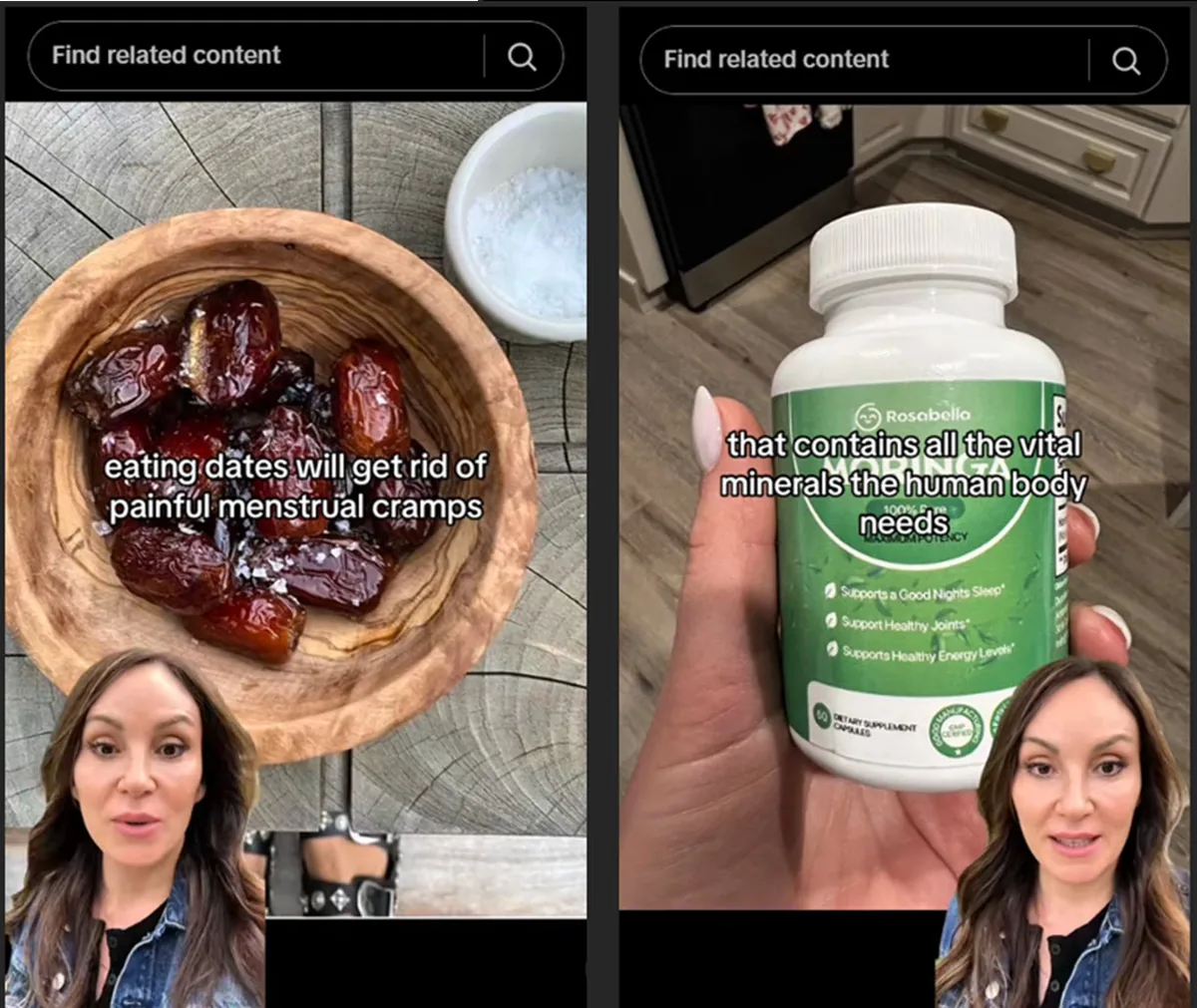
Figuring out which natural cures really work comes down to one question: is there solid evidence behind them? Some remedies earn their reputation — honey for a nighttime cough (never for babies under one) or ginger for nausea are often supported by clinical research. Others survive on marketing alone. Here's how to sort one from the other.
What evidence-based means and why it matters
An evidence-based remedy is one that has been tested in properly designed studies — ideally randomized, controlled trials — and shows a real effect beyond the placebo effect, the improvement people feel simply because they expected to. Practical signs a remedy holds up:
- It's been studied in humans, not just in lab dishes or animals.
- Results are consistent across multiple studies, not one dramatic outlier.
- The explanation makes biological sense — for example, clove oil contains a compound that can temporarily numb tissue, which matches its use for toothache discomfort.
- Health authorities or clinical guidelines acknowledge it as a reasonable support, not a replacement for care.
A useful tip: check whether the remedy has a plausible mechanism. "It detoxes your body" explains nothing; "it may reduce nausea" can be tested.
Red flags that a remedy is more hype than help
Be skeptical when you see these warning signs:
- Miracle language — words like "cure, " "guaranteed, " or "works for everything."
- Secret cures "they" don't want you to know — legitimate remedies aren't suppressed; they're studied.
- Only testimonials — personal stories feel convincing but can't rule out coincidence or placebo.
- Pressure to buy fast — countdown timers and bundle deals are sales tactics, not science.
- "All-natural means safe" — natural substances can still interact with medications or cause harm in the wrong dose or situation.
None of this means dismissing every remedy — it means verifying before relying on one, especially for anything urgent or ongoing. For general wellness concerns, a primary care provider is a sensible place to start; for a specific concern, consider speaking with the relevant specialty provider.
This content is fact-checked and for reference only. It does not replace professional medical advice.

Honey for Nighttime Cough
When I dug into which natural cures really work, honey for a nighttime cough came up again and again as one of the best-supported options — especially for children over the age of one. Health authorities and pediatric guidance generally treat it as a reasonable first step before reaching for store-bought suppressants.
Why doctors recommend it over over-the-counter suppressants
Research suggests honey performs as well as, or better than, common over-the-counter cough suppressants for easing nighttime coughing. A practical way to use it: stir a spoonful into warm (not hot) water or herbal tea about 30 minutes before bed.
- It's evidence-based, not just folk wisdom.
- It's inexpensive and easy to find in any grocery store.
- Most kids actually like the taste — no struggles getting them to take it.
Never give honey to babies under one year old
This is the one hard rule: no honey before the first birthday. Honey can carry spores of a bacterium that infants' immature digestive systems can't handle, which may lead to a serious condition sometimes called "floppy baby syndrome" (infant botulism). Older children and adults aren't at risk in the same way.
For anyone with a persistent or worsening cough, it's worth checking with a pediatrician or other qualified provider — honey soothes symptoms, but it doesn't replace medical care.
White Vinegar for Skin, Feet, and Scalp
When it comes to which natural cures really work, plain white vinegar is one of the few household staples with some practical support behind it. As one dermatologist featured in the video explains, diluted white vinegar has antimicrobial and antifungal properties, which is why it shows up in home routines for minor skin care, foot odor, and scalp issues. It is cheap, widely available, and easy to use correctly—but dilution matters.
Safe dilution and everyday uses
Undiluted vinegar is acidic enough to irritate skin, so the common guidance is to mix one part vinegar with about three parts water before applying it. Think of it like salad dressing: straight vinegar would sting, but diluted, it becomes gentle enough for skin contact. People commonly use diluted white vinegar for:
- Cleaning minor, superficial wounds or irritated skin areas
- Rinsing feet as part of a general foot hygiene routine
- A final scalp rinse, diluted well, before regular shampooing
Always do a small patch test first, and avoid broken or deeply cracked skin.
Smelly feet, foot fungus, and dandruff
Because vinegar can discourage microbial and fungal growth, it is often suggested for foot odor (bacteria breaking down sweat cause the smell), mild athlete's foot, and dandruff. The realistic expectation: it may reduce odor and surface irritation, but it is not a guaranteed cure for fungal nail infections or stubborn scalp conditions—the video's podiatrist makes a similar point about topical remedies needing consistent, patient use. If a problem persists, worsens, or involves broken skin, it is worth getting checked rather than self-treating indefinitely. If you have a persistent foot or scalp concern, consider speaking with a dermatologist or podiatrist in our provider directory.

Natural Relief for Nausea
If you've ever wondered about remedies for nausea, two options come up again and again among clinicians: a surprisingly simple alcohol wipe trick and ginger. Here's what the research and clinical experience suggest, plus a few practical notes before you try either. As always, this is general information — for ongoing or severe nausea, check in with a qualified healthcare provider.
The alcohol wipe trick for post-surgery and morning sickness
This one sounds almost too simple: crack open a sealed alcohol wipe (the kind used before injections) and hold it just under your nose to sniff. Anesthesiologists often recommend it because nausea after surgery is common, and the strong scent acts as olfactory distraction — an intense stimulus that briefly redirects your brain's attention away from the queasy feeling. Many people report relief lasting around half an hour, and some find it helps with morning sickness too. It's cheap, portable, and very safe, which makes it an easy first thing to try.
Ginger for chemo-related and pregnancy nausea
Ginger has been extensively studied as an anti-nausea remedy, and research suggests it can meaningfully help people experiencing nausea from chemotherapy or pregnancy. Unlike some prescription anti-nausea medications, ginger doesn't carry the same concerns about side effects such as heart rhythm changes or constipation — though it's still worth mentioning any supplements you take to your care team, since ginger can interact with certain medicines. Practical tip: ginger tea, candied ginger, or fresh ginger in food all count; consistency matters more than the form. So when weighing this option, ginger is one of the better-supported choices.
- Try the alcohol wipe first — it acts within seconds.
- Keep ginger on hand if nausea is predictable, like morning sickness.
- Seek medical care for severe, persistent, or worsening symptoms.
This content is fact-checked and for reference only; it does not replace professional medical advice. If nausea is a persistent concern, consider speaking with a gastroenterology or OB-GYN provider.
Everyday Fixes for Common Annoyances
If you've ever wondered how to handle them, a few simple household remedies have earned genuine support from clinicians — not for serious conditions, but for everyday annoyances. Two examples worth knowing:
Olive oil for earwax and the string method for stuck rings
For ears blocked by wax, a few drops of olive oil can soften the buildup so it works its way out naturally. Healthcare providers generally suggest trying this for a few days before reaching for cotton swabs, which often push wax deeper. And if a ring is stuck on a swollen finger, the string method — threading a thin string under the ring and unwrapping it from the finger to gradually slide the ring past the swelling — is a trick clinicians say is frequently used instead of cutting the ring off. It takes patience, lubricant, and a slow, steady motion. If the finger changes color or the ring won't budge, that's a good moment to seek in-person help.
Salt water gargles for sore throats and mouth sores in kids
Plain warm salt water is another low-cost remedy with staying power. A pediatrician in the video describes recommending a gargle, swish, and spit routine for children with a sore throat or mouth sores — and notes that adults find it useful too. The idea is simple: salt water creates an environment that can soothe irritation and help keep the mouth clean. For kids who can't gargle yet, swishing and spitting works as an alternative. A practical tip: make it warm, not hot, and turn it into a short game for younger children so they actually cooperate.
- Soften earwax with olive oil rather than swabbing deeper
- Use the string method before resorting to ring cutters
- Gargle or swish warm salt water for throat or mouth discomfort
These are comfort measures, not treatments for infections — when pain or blockage persists, check in with a qualified healthcare professional.

Cranberry for Preventing Urinary Tract Infections
If you've ever wondered about this, cranberry is one of the few remedies with genuine science behind it — as the OB/GYN in the video above explains. To be clear: cranberry doesn't treat an active infection. Its role is prevention, helping reduce the risk of symptomatic bladder infections when used regularly. It's not a substitute for antibiotics when a clinician prescribes them.
How proanthocyanidins block bacteria from sticking to the bladder wall
The active compounds in cranberries are called proanthocyanidins (PACs), a type of plant polyphenol. Here's the plain-English version of how they work: the bacteria that commonly cause urinary tract infections have tiny hair-like structures that let them cling to the bladder wall, like Velcro. PACs interfere with that grip, making it harder for bacteria to attach and multiply. Bacteria that can't stick are more likely to be flushed out during normal urination.
One practical tip: sugary cranberry "cocktail" juices often contain little real cranberry. Look for 100% cranberry juice or concentrated capsules instead — that's where meaningful PAC levels come from.
What dose and product to look for
When comparing products, the doctor in the video suggests checking labels for products standardized to contain a specific measurable amount of soluble proanthocyanidins, and using them daily for prevention rather than occasionally. A few things worth checking on the label:
- Standardized PAC content — reputable supplements state how much PACs they deliver per serving
- 100% pure cranberry — avoid blends diluted with apple or grape juice
- Form you'll stick with — capsules beat juice if you dislike the tart taste or watch sugar intake
If you're prone to UTIs or have ongoing urinary symptoms, talk with a qualified healthcare provider before starting supplements — and consider speaking with a urologist or primary care provider if you have specific concerns.
Other Remedies Doctors Actually Swear By
When people ask about these remedies, the honest answer is: only a handful have solid support. In the video embedded here, several clinicians describe the home remedies they personally keep in rotation. Below is a plain-English summary of the ones covering skin, feet, teeth, and digestion.
Vicks VapoRub for toenail fungus and clove oil for toothache
One podiatrist in the video explains that Vicks VapoRub may help with toenail fungus because its active ingredients, including menthol, have antifungal and antimicrobial properties. The catch: it must be applied consistently over a long period, and no topical product is a guaranteed fix. An emergency medicine physician also recommends clove oil for a toothache — its active compound, eugenol, has a numbing effect. Dab a small amount on the tooth with a cotton swab for temporary relief, then book a dental visit, since this is not a permanent fix.
Peppermint oil for bloating and headaches, plus PRP and aromatherapy
For anyone still weighing their options, the video offers a few more. Peppermint oil appears in professional guidance for general bloating, and its menthol scent is also used for headache relief. Clinicians in the video also mention:
- PRP (platelet-rich plasma) — a concentration of platelets drawn from your own blood, used in aesthetics and sports medicine to support healing and collagen production
- Aromatherapy with lavender, peppermint, or chamomile for comfort and relaxation
- Ginger and mint for queasiness, including after surgery or during pregnancy
Results vary from person to person, so treat these as supportive measures rather than replacements for care. If a symptom persists, consider speaking with a licensed provider — a dermatologist for skin and nail concerns, a dentist for tooth pain, or a gastroenterologist for ongoing digestive issues.

When to See a Doctor Instead
Even after researching the method, knowing when a home remedy has reached its limit matters just as much. Remedies like honey for a cough or clove oil for a toothache are meant for temporary, mild relief—a bridge until proper care, not a substitute for it.
Symptoms that mean a home remedy is not enough
If a symptom persists or keeps returning despite consistent use of a remedy, that is usually the signal to stop and get an evaluation. General red flags include:
- Symptoms lasting longer than expected—a sore throat, cough, or congestion that lingers well beyond a typical mild illness.
- Worsening instead of improving—redness spreading around a wound, pain increasing, or swelling that does not settle.
- Recurring problems—repeated urinary discomfort or frequent nausea deserves a proper look, since cranberry products may only support prevention, not treat an active infection.
- Blocked ears or skin issues that do not respond to gentle home measures after a reasonable trial.
A practical rule of thumb: if you would not feel comfortable postponing care for a family member, make the appointment. Think of a remedy like a spare tire—fine for a short drive, not for the whole trip. When in doubt, a quick check with a home health device like a thermometer or blood pressure cuff can help you describe symptoms clearly to a provider.
Warning signs that need urgent medical attention
Certain situations call for urgent care rather than home treatment:
- Breathing difficulty, chest pain, or symptoms suggesting a stroke, such as sudden weakness or slurred speech.
- Severe or rapidly worsening pain, including a toothache accompanied by facial swelling or fever.
- Infants under one year—honey is never appropriate at this age due to the risk of infant botulism, and babies with fever or breathing trouble need prompt care.
- Signs of serious infection—high fever, confusion, or a wound that is hot, oozing, or surrounded by spreading discoloration.
- Persistent vomiting or dehydration, especially during pregnancy.
This section is general information, not a substitute for professional advice. If you have a specific concern, consider speaking with a specialty provider—a primary care physician is often the right first stop, and dentists, dermatologists, or OB-GYNs for more targeted issues.
Final Thoughts
Sorting out this version comes down to a simple filter: look for remedies with reasonable evidence behind them, be skeptical of anything promising quick or dramatic results, and remember that "natural" doesn't automatically mean safe—some herbs interact with common medications. The most reliable "natural" supports tend to be the unglamorous ones: consistent sleep, regular movement, a balanced diet, stress management, and sensible sun protection.
If you're curious about trying a supplement or herbal remedy, it's worth mentioning it at your next appointment, especially if you take prescription medications. And if a specific concern is prompting your search, speaking with a licensed provider—whether a primary care physician, a registered dietitian, or a dermatologist, depending on the topic—is the most grounded next step. Small, well-chosen habits usually beat any single miracle remedy. Take what's useful here, go slow, and be kind to yourself in the process.
References
- Which Natural Cures Work—and Which Don't - Consumer Reports (consumerreports.org)
- Six hangover cures that really work, according to nutrition experts (birminghammail.co.uk)