The last few years quietly taught many of us a strange set of skills: scanning a room for risk, keeping our distance, staying on guard, finding safety in small rituals. Those habits helped people get through a genuinely disorienting time — and they didn't simply switch off when the danger eased. If your mind still feels braced for something, that's not a personal failing. It's a very human response to a stretch of time that challenged what many of us believed about the world, about other people, and about ourselves.
Building resilience for better mental health is usually pictured as bouncing back — returning to the person you were before things got hard. That image is comforting, but it's only half the story. Resilience is closer to regaining your footing: sleep, energy, connections, and a sense of normalcy gradually returning. Growth is something different. It's what happens when someone comes out the other side with a clearer sense of their own values, their strengths, and the people they can actually rely on. The two aren't opposites, and they don't arrive on a schedule. Many people report struggling and growing at the same time, and that mixed experience is normal rather than a sign that something is wrong.
What follows is a plain-language look at how resilience and post-traumatic growth differ, why the same difficult experience can land so differently from one person to the next, and what everyday habits — sleep, movement, connection, and simply putting your experience into words — tend to support both. It's general information gathered from reputable public health sources, not a diagnosis or a treatment plan, and it isn't a substitute for care from a licensed professional. If you're carrying something heavy right now, reaching out to a qualified provider is a reasonable next step, not a last resort.
What Building Resilience for Better Mental Health Actually Means
Resilience as a dynamic process, not a fixed personality trait or a cure
If you feel stretched thin, you are not alone. Building resilience for better mental health is not about ignoring pain. Resilience is not a fixed trait you either have or lack. It shifts with sleep, support, resources, and circumstances. During the pandemic, some had space and remote work; others faced loss and danger. The same stressor created different challenges and opportunities. Resilience is not a cure for trauma. Trauma can shake your core beliefs about safety, other people, and yourself. Hypervigilance and distancing were protective then, but they can be hard to switch off. Health authorities generally advise that recovery is individual and may include difficulties with sleep, breathing, focus, and anxiety. A practical start is to notice what steadies you — a short walk, a call with a trusted friend, or a consistent bedtime. If you are struggling, a licensed mental health provider can help without judgment.
The difference between returning to baseline after stress and growing beyond it
Resilience often means returning to your previous level of functioning after stress — your baseline for mood, sleep, social connection, and daily tasks. Post-traumatic growth is different: moving above that baseline by clarifying values, rediscovering strengths, and deepening relationships. You can struggle and grow at the same time. One predictor of growth is making sense of what you went through. Journaling or talking it through can help form a narrative. A few minutes of writing over several days can help. Try these steps:
- Name what changed and what you lost.
- Notice what you still value and who you can rely on.
- Write one small action that fits those values this week.
This is general information, not a substitute for professional medical advice; it is for reference only. For concerns, consider a mental health provider.
How Pandemic Stress and Trauma Present in Everyday Life
Many people still feel the emotional aftershocks of the pandemic. Hypervigilance—a constant scanning for threat—can make ordinary outings draining. It’s like a smoke alarm that keeps ringing even when there’s no fire. Social withdrawal, relying on masks for safety, and difficulty switching off threat mode are common. As the video notes, there is no vaccine for the psychological impact of COVID-19. Building resilience for better mental health begins by naming these patterns without judgment.
Hypervigilance, social withdrawal, mask-related safety, and difficulty switching off threat mode—there is no vaccine for the psychological impact
You might notice yourself avoiding crowds, feeling tense around strangers, or struggling to relax even in safe places. These are learned survival responses, not personal failings. A practical tip from the video: set aside a few minutes to write about how the pandemic changed you. This can help form a narrative and reduce feeling stuck. Post-traumatic growth—rediscovering your values and strengths—can coexist with struggle.
Sleep problems, breathing issues, anxiety, and trouble focusing that can linger after COVID-19
Some people report lingering sleep problems, breathing issues, anxiety, and difficulty focusing after COVID-19. The video mentions we are still learning about these long-tail effects. Common signs include:
- Waking unrefreshed or trouble falling asleep
- Shortness of breath with mild exertion
- Racing thoughts or persistent worry
- Losing track of tasks or conversations
This is general information, not a diagnosis. If symptoms persist, consider speaking with a primary care provider or a licensed mental health professional. Fact-checked for reference only; it does not replace professional medical advice.
Why Resilience Looks Different for Every Person
If you wonder why some people bounce back while others struggle, you are not alone. Resilience is not a fixed trait. Building resilience for better mental health depends on circumstances, support, and access.
Resources like space, outdoor access, remote work, and internet shape recovery
Practical resources shape recovery. Someone with a quiet room, reliable internet, and remote work may rest and rebuild routines more easily. Another person may face crowded housing or daily exposure. Public health guidance generally notes that social conditions influence mental health.
A simple analogy: healing a sprained ankle while still running on it. The injury is real, but the environment decides how much it can recover. Supports include:
- Space to sleep, work, and calm down.
- Outdoor access for movement and light.
- Remote work or flexible school that lowers stress.
- Reliable internet for telehealth and connection.
Essential workers, bereaved communities, students, and people with ADHD or learning disorders may face distinct challenges and opportunities
Essential workers may carry ongoing danger and exhaustion. Bereaved communities may grieve many losses at once. Students can thrive with recorded lessons or struggle with isolation. People with ADHD or learning disorders may find flexible pacing relieving or home distractions overwhelming. The same diagnosis creates different outcomes.
Research on trauma suggests most people recover, and some experience growth. A practical exercise from the video: Write about how the experience changed you for about twenty minutes across a few consecutive days. If distress persists, consider speaking with a licensed mental health provider. This is general information, not personalized medical advice.
Resilience or Post-Traumatic Growth? Two Paths After Hard Times
Most people recover functioning across mental health, physical health, sleep, and social connection
When hard times hit, many people worry the damage is permanent. Research suggests most people gradually return to their previous level of functioning — not because they ignore pain, but because humans are wired to adapt. This return is what experts call resilience: your functioning dips during stress, then recovers. It can show up in four areas: mental health, physical health, sleep, and social connection. A practical tip: track one small routine — a consistent bedtime, a daily walk, a text to a friend — and notice how it steadies you. This isn't about pretending everything is fine. It's about this recipe: ordinary habits that support recovery. If you're struggling, a licensed provider can help.
Post-traumatic growth involves clarified values, renewed identity, and deeper connections, not just bouncing back
Resilience gets you back to baseline. Post-traumatic growth goes further. It's not about "bouncing back" — it's about building something new from what you've been through. People who experience it often describe:
- A clearer sense of what matters to them, sometimes letting go of goals or relationships that no longer fit.
- A renewed identity — understanding their strengths and limits in a deeper way.
- Stronger connections with the specific people they learned to rely on.
This growth doesn't cancel out pain. You can struggle and grow at the same time. One practical tool: write about your experience for a few minutes a day for several days. This helps you form a narrative, which research links to growth. It's not a cure, and it doesn't replace professional care. This information is for reference only and does not replace professional medical advice. If you're concerned, consider speaking with a licensed mental health provider such as a psychologist or psychiatrist.
Core Habits and Skills That Strengthen Mental Resilience
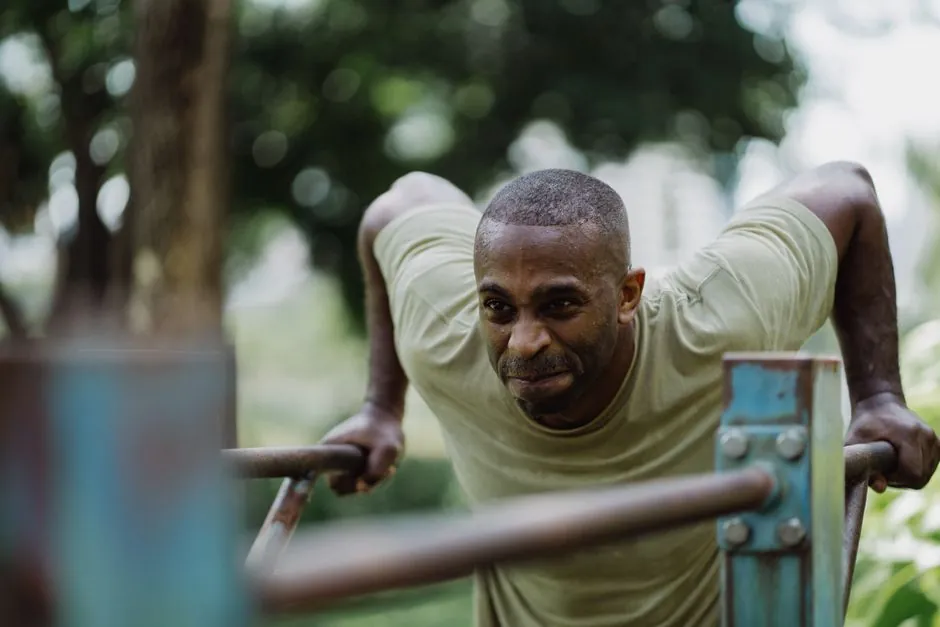
Daily foundations: sleep, movement, routine, and social support
When the world feels unpredictable, your core beliefs about safety and connection can be shaken. Health authorities generally advise that rebuilding a steady base starts with small, repeatable actions. Prioritize consistent sleep and wake times. Move your body in enjoyable ways—a walk, stretching, or dancing—because movement helps regulate stress. Keep a simple daily routine to reduce decision fatigue. And stay in touch with supportive people, even briefly. These habits are not a cure, but they are practical steps toward mental resilience.
- Sleep: A consistent schedule supports emotional balance.
- Movement: Any activity counts; it releases tension and lifts mood.
- Routine: Small anchors like a morning coffee create predictability.
- Social support: A text or call to a trusted friend reduces isolation.
Narrative journaling: writing about the experience for 20 minutes over four consecutive days to get unstuck
Research suggests that creating a story about a difficult experience helps you make sense of it. One practical approach: write for about 20 minutes for four consecutive days. Don't worry about grammar. Just describe how the experience has affected you, what you've learned, and how you've changed. This isn't about reliving pain; it's about organizing your thoughts so you can move forward. Many people find that after a few days, they feel less stuck. Think of it like untangling a knot—writing helps you see the threads. It's a simple tool for getting unstuck.
Fact-checked. This content is for reference only and does not replace professional medical advice. If you have specific concerns, consider speaking with a licensed mental health provider.
Support and Professional Help: When Self-Care Is Not Enough
Daily habits — sleep, movement, time outdoors — help many people feel steadier. But this version isn't only about what you do alone. It also includes noticing when extra support would help, and asking for it.
Resilience includes knowing when to seek therapy or mental health support
Self-care is a foundation, not a full treatment. If low mood, worry, or sleep trouble lingers for weeks, affects work or relationships, or feels heavier than your usual ups and downs, that's a reasonable moment to talk with a licensed professional. A therapist can help you make sense of what you've been through and build coping skills. Clinical guidance usually suggests that reaching out early is easier than waiting until things feel unmanageable.
Signs it may be worth reaching out:
- You've lost interest in things you once enjoyed
- Sleep or appetite changes have lasted for weeks
- You're pulling away from people who matter to you
- You're leaning on alcohol or other substances to cope
Struggling and growing can happen at the same time, so support does not mean failure
It's possible to struggle and grow at once. Resilience is often described as returning to your earlier level of functioning; growth can mean moving past it — clarifying your values and noticing strengths you hadn't recognized. Needing help doesn't cancel that out. A cast doesn't mean a broken bone failed to heal; it's simply how healing happens. Writing about an experience for a few short sessions helps some people form a clearer narrative of what changed.
Fact-checked. This is general information, not medical advice. If you have a specific concern, consider speaking with a licensed therapist or counselor.
When to See a Doctor: Red Flags for Mental Health
Feeling stressed or sad is normal, but some signs mean it’s time to seek professional care. As the video notes, the pandemic has taken a mental toll on many people, and this recovery often starts with knowing when to ask for help. This is general information, not a diagnosis.
Seek professional care for persistent hopelessness, severe anxiety, panic, inability to function, or substance misuse
These red flags are more than a bad day. Clinical guidance usually advises talking to a doctor or therapist if you notice:
- Persistent hopelessness lasting weeks, not just hours.
- Severe anxiety or panic that feels uncontrollable or happens often.
- Inability to function at work, school, or in daily self-care.
- Substance misuse — using alcohol or drugs to cope, or needing more to feel okay.
Many people report that a simple mood or habit log helps them describe patterns to a professional. You don’t need a crisis to get support; early help can make a difference.
Get urgent help for suicidal thoughts, self-harm, or safety concerns
If you or someone you know is thinking about suicide, self-harm, or feeling unsafe, treat it as an emergency. Don’t wait to see if it passes. In the US, you can call or text 988 for the Suicide & Crisis Lifeline, or go to an emergency room. The video emphasizes that many people recover and even grow after trauma, but that support often begins with immediate help. Safety comes first. A practical step: remove access to means of harm and stay with the person until help arrives. If you have a specific concern, consider speaking with a psychiatrist, psychologist, or licensed counselor.
Fact-checked. This content is for reference only and does not replace professional medical advice.
A Realistic Path to Better Mental Health
Focus on progress, values, and connection rather than a quick fix
If you feel stuck or worried, you are not alone. The pandemic challenged core beliefs about safety, other people, and ourselves. Many people learned to stay hypervigilant, keep distance, and rely on masks for a sense of safety. Those habits cannot simply switch off. There is no vaccine for the psychological impact of COVID-19, so healing usually looks more like rebuilding strength after an injury than flipping a switch. This path starts with small, steady steps.
- Progress: Notice small improvements in sleep, mood, or daily functioning instead of waiting for a perfect fix.
- Values: Clarify what matters to you now, such as family, creativity, service, or rest.
- Connection: Lean on people who listen without judgment, even in brief check-ins.
Build resilience as an ongoing practice that can include setbacks
Resilience is not a finish line. It is an ongoing practice, and setbacks are normal. Many people recover from difficult experiences, and some also experience post-traumatic growth: a clearer sense of values, strengths, and relationships. Struggling and growing can happen at the same time. A practical way to support this is to develop a narrative of what you have been through. Writing in a diary, making art, or talking with a trusted person can help you get unstuck. When setbacks happen, treat them as information, not failure. If you are concerned about your mental health, consider speaking with a licensed mental health provider. Fact-checked. This is general information only and does not replace professional medical advice.
Final Thoughts
If you’ve been feeling stretched thin, you’re not alone, and it makes sense to want steadier ground. The method isn’t about brushing off pain or forcing yourself to bounce back faster. It’s more like tending a garden: sleep, movement, connection, and small daily routines create conditions where you can recover and, sometimes, grow beyond what you thought possible. Progress rarely looks linear, and that’s okay.
Be gentle with yourself as you experiment with what helps. You don’t need to overhaul everything at once—one walk, one earlier bedtime, one honest conversation can be a start. If worry lingers or daily life feels heavy, consider speaking with a licensed mental health provider; they can offer support tailored to you. This article is for general reference only and does not replace professional medical advice. You deserve care, patience, and room to grow.
References
- Building Resilience | NAMI StigmaFree (stigmafree.nami.org)
- Strength in Mind: Building Resilience for Better Mental Health... (brookspsychiatry.com)