A dark, quiet tank can make an hour feel unusually removed from everyday noise—but feeling deeply relaxed is not the same as fixing a sleep problem. Using float tanks for better sleep may help some people unwind, release muscle tension after activity, or create space for quiet reflection, yet claims about resetting the body clock or producing lasting health changes go beyond what the evidence clearly supports.
This guide separates the practical experience from the stronger marketing promises: what relaxation may contribute to a bedtime routine, why results can vary, and where research remains limited. It also covers basic safety details, including moving carefully on the slippery surface and checking a facility’s qualifications rather than assuming every “doctor” label means the same thing.
Fact-checked: This is general educational information, not medical advice, and it does not replace guidance from a qualified healthcare professional. If ongoing sleep difficulty or another specific concern is affecting daily life, consider speaking with a licensed sleep specialist or other appropriate healthcare provider.
What Sleep Problems Actually Feel Like—and Where Floating Might Fit
Fact-checked: This section summarizes general sleep guidance and the limited evidence on flotation relaxation, not a diagnosis.
Common signs of poor sleep
Sleep trouble can show up as more than simply feeling tired. Common patterns include:
- Taking a long time to fall asleep
- Waking repeatedly during the night
- Waking earlier than intended and being unable to return to sleep
- Daytime fatigue, irritability, or difficulty concentrating
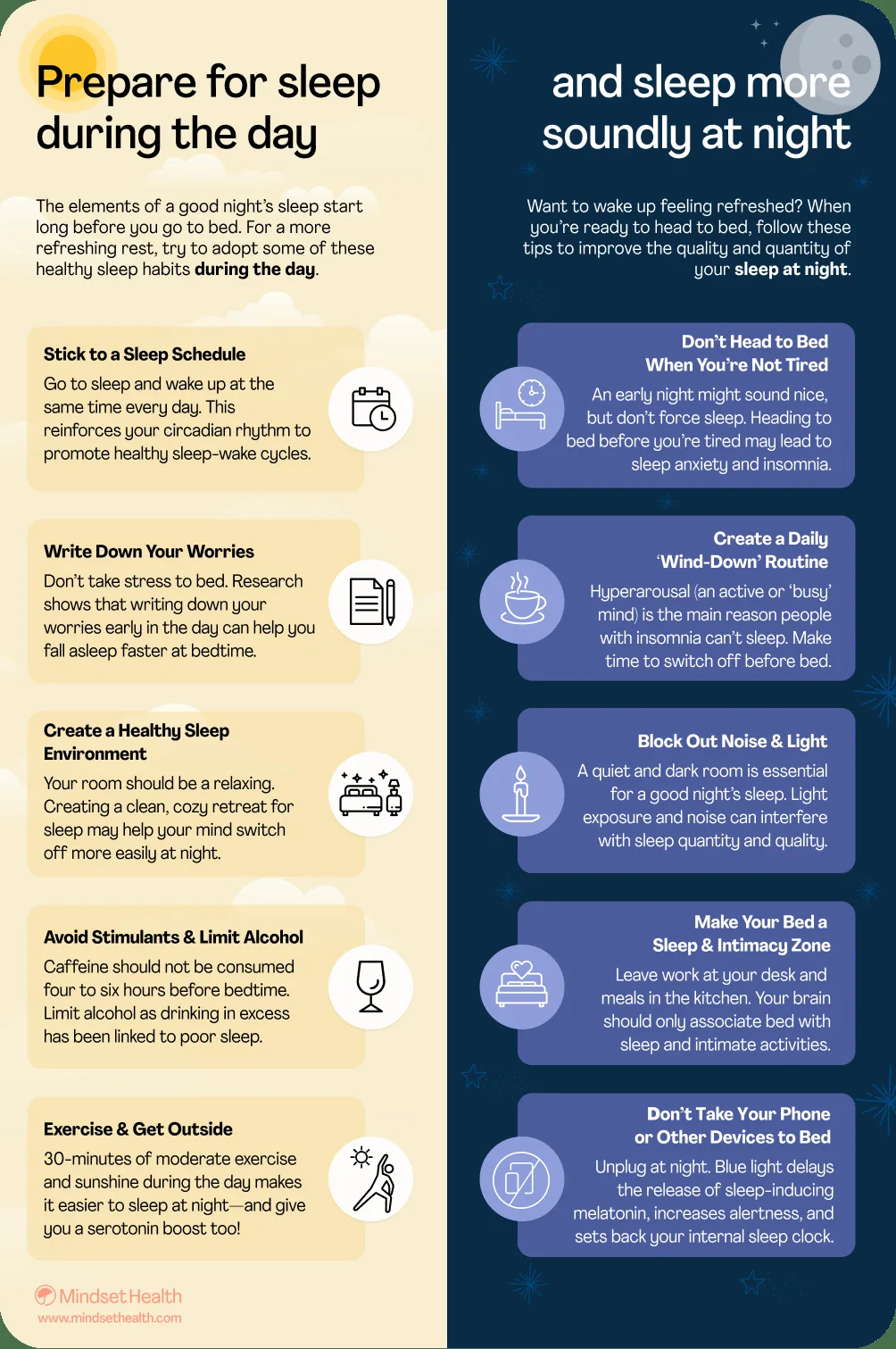
These experiences can have many possible causes, so a symptom list cannot identify a specific condition. Keeping a brief sleep-and-stress journal may help you describe patterns clearly to a qualified healthcare professional. General sleep guidance emphasizes consistent routines and reducing stimulating activities before bed (sleep-health guidance).
Why winding down can be difficult—and where floating might fit
Stress can keep the body alert, while muscle tension, racing thoughts, phone use, and constant noise provide ongoing stimulation. It can feel like trying to park a car while the engine is still revving. A float session may offer quiet time, reduced sensory input, and an opportunity to notice tension; some people describe feeling more relaxed afterward. However, using float tanks for better sleep should be viewed as a relaxation experiment, not a proven way to reset the body clock or treat insomnia. Research on flotation-based relaxation remains limited, and the experience varies.
If you try it, follow the facility’s safety instructions, enter carefully, and use its light or assistance controls if you feel uncomfortable. Avoid expecting life-changing results. Persistent sleep problems, marked daytime impairment, or safety concerns deserve discussion with a licensed healthcare professional. This content is for reference only and does not replace professional medical advice. If you have a specific concern, consider speaking with a sleep-medicine provider; visit the provider directory.

How a Float Tank Is Supposed to Support Relaxation
Fact-checked: This section summarizes general information; it is for reference only and does not replace advice from a qualified healthcare professional.
How a dark, quiet tank may help the mind decompress
A float tank is designed to reduce ordinary sensory input: light can be limited, sound is minimal, and buoyant salt water supports the body. With fewer outside demands, some people find it easier to notice their breathing, release tension, or simply spend time without a phone or conversation. The experience can feel unusual at first; gentle movement or a sense of motion may occur, and relaxing fully may take practice.
Think of it as pressing pause rather than switching off the brain. A practical safety step is to follow the center’s instructions, enter carefully because the water and surfaces may be slippery, and use the available support or alert controls if needed. Salt water can also irritate the eyes or broken skin. Evidence reviews suggest relaxation benefits are possible, but the research has limitations and does not establish floating as a cure for stress or a medical condition. Learn more about sleep hygiene basics.
Why relaxation may support sleep indirectly
Using float tanks for better sleep may make sense as part of a calming evening routine: reduced muscle tension and a quieter pre-bed state could make it easier to transition toward sleep. This is an indirect pathway, similar to taking a screen-free break or practicing another relaxation activity. It does not prove that floating resets the body clock, corrects a sleep disorder, or guarantees deeper sleep. Research on flotation remains limited, so personal responses can vary.
For a fair test, notice whether a session leaves you calmer without treating the result as proof of a biological “reset.” If sleep problems persist or affect daytime functioning, consider speaking with a sleep-medicine provider through the provider directory.
What a First Float May Feel Like Before You Expect Sleep Benefits
Fact-checked: This section summarizes general guidance and reported experiences; session details can vary by facility.
What to expect during a session
If you are using float tanks for better sleep, treat the first visit as an adjustment period, not a guaranteed sleep treatment. Most sessions begin with a shower, followed by a careful entry into shallow, highly salted water. The surface and floor can be slippery, so move slowly.
- Use the built-in handles when entering, turning, or standing.
- Locate the light, music, assistance, and emergency controls before settling in.
- Rinse your eyes with the provided solution if saltwater causes irritation.
Darkness, quiet, and stillness may feel unusual at first. A simple practical tip is to spend the opening minutes noticing your breathing rather than trying to force relaxation.
Why the first float may feel strange
Some people notice a sensation of motion even while floating still, along with colors, stars, or other visual effects behind closed eyes. Others catch themselves tightening a shoulder, jaw, or leg when an active thought appears. These experiences do not prove a medical benefit or a problem; they can reflect unfamiliar sensory conditions and difficulty releasing habitual tension.
Comfort may develop over several sessions. Think of it like learning to sit quietly after years of constant noise: the setting is simple, but the skill takes practice. Research indexed in PubMed does not establish flotation as a reliable way to reset sleep rhythms, so keep expectations modest.
For reference only; this does not replace professional medical advice. If you have a specific concern, consider speaking with a qualified sleep-medicine provider.
Fact-checked: Based on available research literature and general sleep guidance.

The Evidence Check: Better Sleep Is Possible, but Not Guaranteed
What flotation research can reasonably suggest
Research on flotation suggests that flotation may create a quiet setting for relaxation. Reduced external stimulation, supported muscles, and time away from screens may help some people feel less stressed, less anxious, or temporarily more comfortable after exercise. These effects are plausible, but they are not the same as treating a sleep disorder. Reviews of flotation research have generally noted small studies, varying methods, limited comparison groups, and results that are not consistently reproducible. See the indexed evidence for the broader research record.
A practical way to view a session is as a structured relaxation break—not a medical intervention. Like sitting in a quiet room after a demanding day, it may make winding down easier that evening, but individual experiences differ. Check the center’s staff credentials, safety instructions, cleanliness practices, and emergency procedures before booking.
Claims to question
Be cautious when advertising turns a possible relaxation benefit into a guaranteed health outcome. Claims that one session equals several hours of sleep, resets the body’s circadian rhythm (its internal day-night timing), strengthens immunity, or solves insomnia go beyond what the available evidence can establish. A calmer session might support a bedtime routine, but it cannot reliably replace regular sleep or evaluation of persistent sleep concerns.
- “Instant sleep replacement”: not established.
- “Circadian reset”: an unsupported promise.
- “Immune boost”: too broad to treat as fact.
- “Insomnia cure”: a claim requiring skepticism.
This section is for reference only and does not replace professional medical advice. If you have a specific sleep concern, consider speaking with a qualified sleep clinician through the sleep specialist directory.
How to Try Floating Without Turning It Into a Sleep Cure
Practical steps for a safer, more comfortable session
If you are this person, treat the visit as a quiet relaxation experiment—not a guaranteed treatment. Before entering, listen carefully to the staff briefing. The water may be shallow but slippery, so use the handles and move slowly. Keep the emergency controls within reach, including the light, music, or assistance button, and use them if you feel distressed or need help.
- Keep saltwater away from your eyes; use the provided eyewash or rinse promptly if splashing occurs.
- Let your body settle gradually instead of trying to achieve a particular mental state.
- Leave the tank if you feel panicked, dizzy, unwell, or simply unable to relax.
You do not earn extra benefit by forcing yourself to remain inside. A shorter, comfortable session is more useful than treating the tank like a test of endurance.
Judge the result realistically
One float may leave someone feeling calmer or less tense, but that does not prove it changed their sleep pattern. For a clearer view, keep a simple note for several sessions: your relaxation level, muscle tension, bedtime, nighttime awakenings, and next-day alertness. Also record anything that could affect sleep, such as late caffeine, hard exercise, stress, or screen use.
Think of the log as a weather report, not a verdict. Look for a consistent pattern rather than an instant transformation. Current evidence and the claims made by some centers do not justify promising a “reset” of sleep timing. If sleep problems persist or affect daytime functioning, consider speaking with a qualified healthcare professional.
Fact-checked: General educational information; details and facility procedures can change.
Disclaimer: This content is for reference only and does not replace professional medical advice. If you have a specific sleep concern, consider speaking with a sleep-medicine provider through the provider directory.

Choosing a Reputable Float Center and Spotting Overblown Health Claims
Fact-checked: This section summarizes general information for reference only and does not replace advice from a qualified healthcare professional.
What to check before booking
When considering this method, treat the visit as a relaxation practice—not a proven way to reset your body clock. Before booking, ask how the center manages:
- Hygiene: water filtration, cleaning between sessions, shower requirements, and what happens if the water becomes contaminated.
- Safety: staff availability, emergency procedures, clearly marked exits, lighting controls, eyewash, and an accessible call or panic button.
- Orientation: staff should explain how to enter safely, use handles, manage salt near the eyes, and leave the tank if you feel uncomfortable. The water can be shallow but slippery.
- Credentials: ask what training the supervising staff have. If someone uses “doctor,” clarify whether that means a physician, psychologist, chiropractor, or someone with an academic doctorate.
A useful rule is to judge the center the way you would judge a gym: clean equipment, clear instructions, and staff who answer questions directly matter more than luxurious branding.
Why testimonials and sweeping promises are not enough
Personal testimonials may describe genuine relaxation, reduced muscle tension, or a calmer evening, but they do not establish that a float session treats anxiety, depression, immune problems, or sleep disorders. Evidence reviews have generally found flotation research limited by small studies and inconsistent methods, so stronger claims deserve caution.
Be especially careful when a center sells supplements alongside sessions. A product display or confident sales pitch is not proof that an ingredient is safe, effective, or appropriate for you. Compare claims with evidence-based sleep hygiene habits, and seek professional care for persistent sleep concerns. If you have a specific concern, consider speaking with a sleep-medicine provider or another qualified healthcare professional.
When Sleep Problems Need a Doctor Instead of—or Alongside—a Float Session
Fact-checked: Flotation may provide a quiet break and temporary relaxation, but research evidence for this approach remains limited. It should not replace evaluation when sleep problems affect health or safety.
Seek medical advice when sleep problems persist or worsen
Arrange a medical evaluation for insomnia that continues, gets worse, or causes major daytime impairment. Also seek help for depression or anxiety symptoms, severe snoring, repeated gasping during sleep, or dangerous sleepiness while driving. These concerns can have causes that a float session cannot identify or address. General sleep-safety guidance also treats drowsy driving as a serious risk; see this sleep-health reference.
- Do not drive if you feel dangerously sleepy.
- Record sleep timing, awakenings, snoring, and daytime alertness to discuss at an appointment.
- Ask whether another clinician or sleep specialist should be involved.
A practical analogy: a float session may lower the volume on stress temporarily, while persistent insomnia is a warning light that still needs checking.
Ask a clinician before relying on flotation
Speak with a qualified clinician before making flotation your main approach to a diagnosed sleep disorder, significant mental health symptoms, or any sleep problem that does not improve with basic healthy sleep habits. Those habits can include a consistent schedule, a wind-down period, and limiting late-day caffeine and bright screens. A clinician can help distinguish relaxation support from care that requires assessment; this healthy-sleep guidance offers general background.
Float centers may describe meditation, pain relief, or circadian “reset” benefits, but such claims should be viewed cautiously. If you try a session, treat it as an optional relaxation activity—not a cure or guaranteed sleep treatment—and check the provider’s credentials and safety procedures.
For reference only; this section does not replace professional medical advice. If you have a specific concern, consider speaking with a sleep-medicine or primary-care provider through the provider directory.
Final Thoughts
This recipe may help some people unwind, especially when stress or a busy routine makes it difficult to settle down. Still, the effect is not guaranteed, and a float session cannot replace consistent sleep habits such as keeping a regular schedule, limiting late-day stimulants, and making the bedroom comfortable. Think of floating as an optional relaxation tool rather than a proven sleep treatment.
If you decide to try it, pay attention to how you feel afterward and stop if the experience is uncomfortable. This information is for reference only and does not replace professional medical advice. If you have specific concerns about ongoing sleep problems, consider speaking with a sleep-medicine provider through the directory. Otherwise, small, steady changes may be a sensible place to begin.
References
- Float Tanks, Floatation Therapy, and More (webmd.com)
- Float Tanks for Sleep: Relearning How to Truly Rest (alteredstateswellness.com)