There's a dizzying amount of sleep advice floating around—drink tart cherry juice, take a cold shower, sleep with socks on—and after a while it all blurs together. Sorting what actually holds up from what's just internet folklore is exactly why I put together this rundown of proven sleep hygiene tips: habits that research consistently supports, explained in plain language.
Sleep matters for far more than just feeling rested. Poor sleep affects mood, focus, appetite regulation, and long-term health, which is why lifestyle-level habits around sleep are worth getting right. The good news is that many of the most effective changes are simple and free: keeping the bedroom dark and cool, limiting caffeine to earlier in the day, reserving your bed for sleep only, timing naps and meals carefully, and getting bright light exposure soon after waking. We'll walk through each of these, why they work, and how to make them realistic.
A quick note on honesty: I'm not a doctor—just someone who dug into the research and summarized it carefully, and individual needs vary. Sleep hygiene helps with everyday sleep quality, but persistent sleep problems deserve a conversation with a qualified healthcare provider. With that said, let's get into what actually works.
What Is Sleep Hygiene and Why Does It Matter?
Sleep hygiene is the set of daily habits and bedroom conditions that shape how well you sleep. Think of it like dental hygiene: small, repeated actions — not a single fix — determine the outcome. The proven sleep hygiene tips covered in this guide (and in the video below) focus on lifestyle-level changes only, not treatments for diagnosed sleep disorders.
The Science Linking Daily Habits to Sleep Quality
Sleep is regulated by two overlapping systems: circadian rhythm (your internal body clock) and sleep pressure (a natural drive that builds the longer you're awake). Everyday choices feed directly into both:
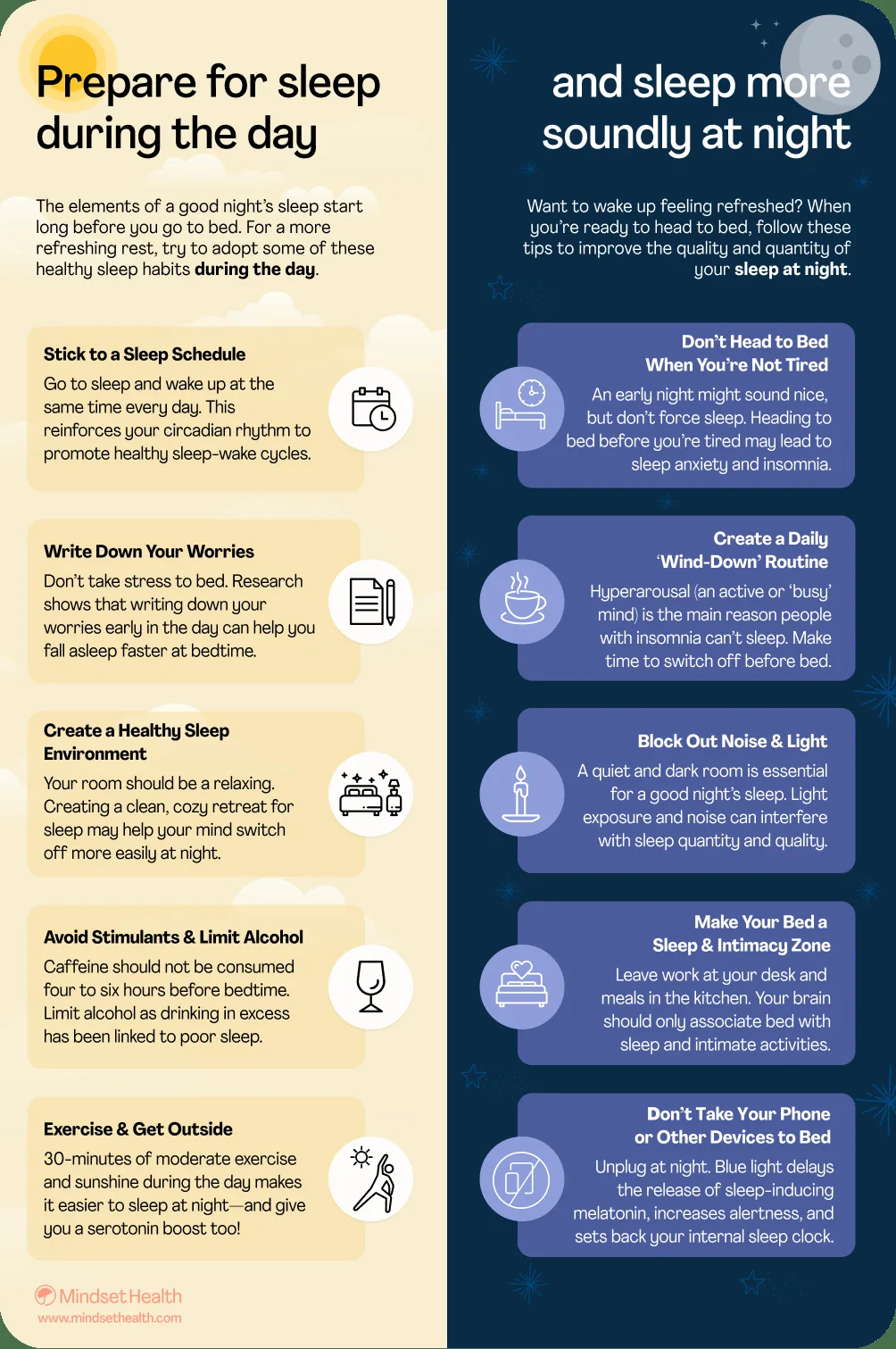
- Light exposure: Bright morning light signals the brain's master clock, which helps time sleep hormones like melatonin later that night. Blue light from screens in the evening can delay that signal.
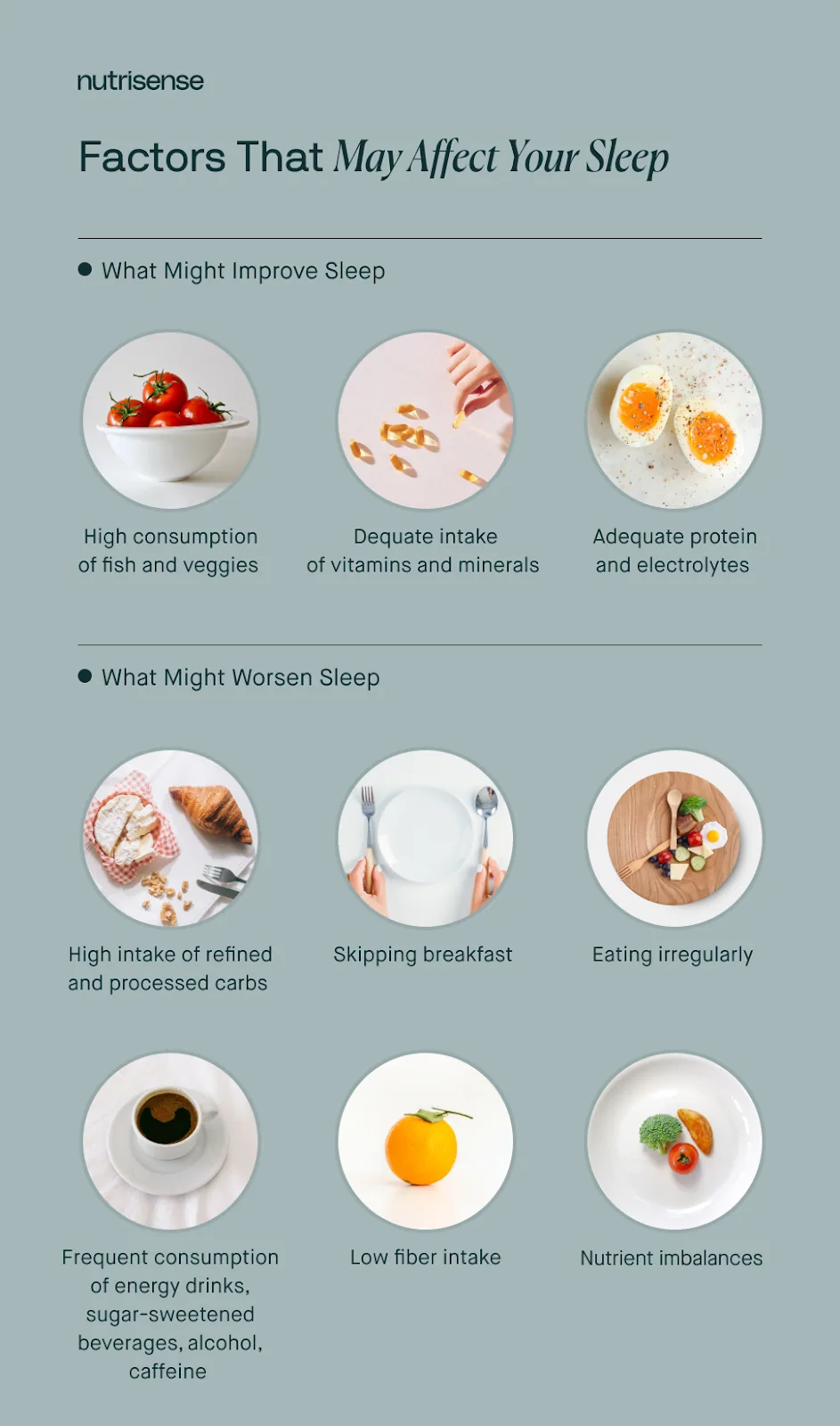
- Caffeine and timing: Caffeine hides in coffee, tea, sodas, and energy drinks, and consuming it late in the day can blunt deep, restorative sleep stages.
- Temperature: Body temperature naturally drops as you get sleepy, so a cooler bedroom supports that process.
- Consistency: Going to bed when genuinely tired — and keeping a regular schedule — works with your biology rather than against it.
How Poor Sleep Affects Energy, Mood, and Health
When habits undermine sleep, the effects show up quickly: daytime grogginess (sometimes called sleep inertia), irritability, trouble concentrating, and reduced motivation. Research also links ongoing poor sleep to broader health concerns, which is why health authorities treat sleep as a core pillar alongside diet and movement. If sleep problems persist despite good habits, consider speaking with a qualified healthcare professional — this article is general information, not medical advice, and a sleep-focused provider can help evaluate what's going on.

Signs Your Sleep Hygiene Is Working Against You
Even when you follow proven sleep hygiene tips, your nightly habits can quietly undermine rest. Recognizing the patterns below can help you adjust your routine — this is general information, not a diagnosis, so persistent issues deserve a conversation with a qualified healthcare professional.
Common symptoms of poor sleep quality
Poor sleep hygiene often shows up in daytime patterns rather than at night. Watch for:
- Trouble falling asleep after screens, late caffeine, or heavy meals close to bedtime — caffeine, found in coffee, tea, sodas, and energy drinks, can reduce deep, restorative sleep stages.
- Frequent night waking, often linked to noise, light, pets in the bed, or a warm bedroom. Keeping the room dark, cool, and quiet — with consistent white noise — supports better rest.
- Daytime grogginess despite adequate time in bed, which can follow late-day naps or irregular sleep and wake times.
- Morning stiffness or a sore neck, sometimes aggravated by cold air blowing directly on you overnight or gear that doesn't fit your sleep position.
Why waking up groggy doesn't always mean bad sleep (sleep inertia)
Sleep inertia is the temporary grogginess many people feel in the first minutes after waking. It's a normal transition state — not automatically proof of a bad night. As the video explains, judging sleep quality by how you feel immediately upon waking is unreliable: someone who sleeps very briefly may wake easily, while repaying built-up sleep debt can actually make you feel groggier after a full night.
A practical tip: give yourself time before deciding your routine isn't working. If daytime tiredness continues despite consistent habits — including morning light exposure, which helps regulate your internal clock — consider speaking with a sleep medicine provider to explore what's going on.
This content is fact-checked for reference only and does not replace professional medical advice.
Master Your Sleep Environment
Among the most reliable proven sleep hygiene tips is simply controlling your bedroom environment. Your body naturally cools down as you fall asleep, so a warm room works against that process. Lowering the thermostat helps your body reach that sleepy state without waking up sweaty. Aim for a room that is cool, and avoid pointing a fan or air conditioner directly at your skin, since direct cooling can overcool one area and contribute to morning stiffness.
Cool, Dark, and Quiet: Temperature, Blackout Curtains, and Consistent White Noise
Three levers matter most:
- Temperature: Keep the room cool so your core body temperature can drop naturally at bedtime.
- Light: Use blackout curtains or shades to make the room as dark as possible. Even small light sources, like a flickering LED, can affect sleep quality. A motion-activated night light is a practical compromise for safe bathroom trips.
- Noise: Consistent sound can work as well as silence. Your brain tunes out steady white noise over time, and an inexpensive fan or free streaming track works just like a costly machine. Keep the volume steady rather than varied.
Investing in the Right Mattress and Keeping Pets Off the Bed
Mattress comfort is highly individual. Sleep position, body size, and any aches or health considerations all shape what feels supportive, so testing mattresses in a store before buying is a practical tip many people find worthwhile. On the pet question, research consistently suggests that animals in the bed interrupt sleep. A reasonable middle ground many owners report: let your pet stay in the bedroom, but not on the mattress itself.
If ongoing sleep problems persist despite good habits, consider speaking with a specialty provider such as a sleep medicine physician. This content is for reference only and does not replace professional medical advice.

Timing Rules: Light, Naps, and Caffeine
When it comes to this topic, when you do things matters as much as what you do. Two levers you can pull during the day are light exposure and how you handle naps and caffeine.
Get bright light early in the day to prime your sleep hormones
Open your curtains first thing in the morning, even on a cloudy day. Morning light travels through the eye to the brain's internal clock, which helps time the release of melatonin (the hormone that makes you feel sleepy) later that night. Think of it like setting an alarm clock for your evening — bright mornings tell your body when to start winding down. Practical ways to get that light:
- Step outside within the first hour of waking, even briefly
- Keep blinds open at breakfast and work near a window if possible
- Dim screens and use night-shift settings in the evening, since blue light can suppress melatonin
Nap smart (short and early) and cut caffeine off before lunch
Naps aren't off-limits — they just need boundaries. A short nap early in the day can be refreshing; longer naps or ones taken in the late afternoon can drain your sleepiness hormone and make bedtime harder. Some people even sip coffee right before a short nap so the caffeine kicks in as they wake.
Caffeine deserves the same timing logic. It hides in more than coffee — tea, soda, energy drinks, and pre-workout powders all count. Clinical guidance generally suggests keeping caffeine to the morning, ideally before lunch, because late-day caffeine can fragment sleep and blunt the deep, restorative stages even if you log a full night in bed.
These habits work best as part of a broader routine — see more here for the full picture. If persistent sleep trouble affects your daily life, consider speaking with a sleep medicine provider.
What You Eat (and Drink) Before Bed
Among the most effective methods is paying attention to your evening meals and drinks. Digestion, reflux, and body temperature all influence how easily you fall asleep, so timing and food choice matter more than most people realize.
Choose complex carbs over high-fat protein and spicy meals
If you need to eat close to bedtime, research suggests complex carbohydrates — like whole-grain toast, oatmeal, or a small bowl of rice — are generally a gentler choice than heavy, high-fat protein meals. Fatty steaks, burgers, and similar dishes take much longer to digest and may affect hormones such as orexin, which plays a role in keeping you alert rather than sleepy.
A few practical swaps to consider:
- Complex carbs in a small portion instead of a large protein-heavy plate.
- Mildly seasoned foods rather than spicy ones, which can trigger acid reflux discomfort.
- Caffeine earlier in the day — coffee, tea, sodas, energy drinks, and pre-workouts all count, and late caffeine may fragment sleep and reduce its restorative depth.
Why late eating, reflux, and raised body temperature sabotage sleep
Lying down shortly after a large meal makes acid reflux more likely, because gravity no longer helps keep stomach contents down. Spicy foods add a second problem: they can raise your core body temperature, working against the natural drop in body heat your body uses as a signal to fall asleep. Think of it like trying to cool a laptop by running heavier programs — the timing works against you.
A simple rule of thumb many people find helpful: finish substantial meals a few hours before bed, and keep late-night snacks light. If reflux or disrupted sleep is a regular problem for you, consider speaking with a qualified healthcare professional or a specialty provider in gastroenterology or sleep medicine rather than self-diagnosing.

Bedtime Behaviors That Make or Break Sleep
Among the most reliable principles is a simple rule: the bed should signal one thing to your brain — sleep. Sleep researchers and health authorities generally advise keeping the sleep environment free of stimulating activities, because conditioning your brain to associate the bed with wakefulness makes falling asleep harder over time.
Reserve your bed for sleep only — no screens, work, or study
Scrolling, studying, or answering emails in bed trains your mind to treat the mattress as a workspace. Many sleep specialists suggest that the only activities belonging in bed are sleeping and intimacy. A practical approach:
- Charge phones outside the bedroom or across the room, so late-night pings don't pull you back awake.
- Keep work and study at a desk — even moving a laptop to another room helps break the association.
- Skip TV in bed; a binge-worthy show at night is an easy way to push past your natural sleepiness.
Think of your bed like a dinner table: if you never work at the table, sitting down there cues "meal time." The same principle applies to sleep cues.
Go to sleep when you're tired and set up smart sleep-mode alerts
Go to sleep when you're tired. It sounds obvious, but it's easy to push through drowsiness watching a show — and if you miss that window, a second wind can keep you awake until very late. Your natural sleep timing (sometimes called your chronotype) differs from other people's, so don't force someone else's schedule.
It also helps to set up your phone's sleep mode thoughtfully before bed:
- Allow a few key contacts to ring through at any hour.
- Enable repeat-call bypass so a genuine emergency — several calls in a row from the same person — still wakes you.
This content is for general reference only and doesn't replace professional medical advice. If poor sleep persists despite good habits, consider speaking with a sleep medicine provider.
Mindset and Morning Habits
Drop the blame, respect your chronotype, and catch your natural sleep window
Among the habits worth adopting, mindset changes are often overlooked. Blaming yourself for a rough night tends to fuel anxiety around sleep, which can make the next night harder. It also helps to respect your chronotype — the natural timing of your sleep, shaped largely by genetics. Some people are wired to feel sleepy earlier or later than others, so comparing your schedule to someone else's isn't useful.
One practical tip: watch for your natural sleep window. If you feel drowsy around 9 p.m. but push through it to finish a show, you may hit a second wind and struggle to fall asleep until late. When sleepiness arrives, act on it. And if mornings feel rough, don't panic — after catching up on lost sleep, some grogginess is common.
Avoid direct cold airflow and judge sleep by the full night, not the first minutes
Keeping the bedroom cool supports sleep, since body temperature naturally drops as you get drowsy. But direct cold airflow is a different story. A fan or AC vent blowing straight at you can overcool one area, reduce circulation to a muscle, and contribute to morning stiffness or a sore neck. Angle the fan away, reposition the unit, or close the window.
Also, don't use the first few minutes after waking as your verdict on sleep quality. Sleep inertia — that groggy, half-awake feeling — is normal and can last a while. Judge your sleep by the whole night and how you function across the day instead. These habits pair well with other practices like consistent bedtimes and limited evening caffeine. For ongoing sleep concerns, consider speaking with a specialty provider such as a sleep medicine clinician.
When to See a Doctor About Your Sleep
Even the most meticulous methods — a cool, dark bedroom, consistent bedtimes, cutting caffeine by early afternoon, and keeping screens and pets out of the bed — won't fix every sleep problem. If you've applied these lifestyle changes consistently for several weeks and still struggle, it may be time to talk with a qualified healthcare professional. This section is general information only and isn't a substitute for medical advice.
Red flags: when good habits aren't enough
Some patterns suggest something beyond routine habits may be going on. Consider checking in with a clinician if you notice:
- Chronic insomnia — trouble falling or staying asleep most nights for a month or longer, despite solid sleep hygiene.
- Loud, frequent snoring, especially if a partner says you gasp or choke during sleep.
- Daytime exhaustion — nodding off at your desk or while driving even after a full night in bed.
- Tingling, restless legs in the evening that only improve when you move them.
A useful analogy: sleep hygiene is like good fuel and tire pressure for a car. If the engine itself has a fault, better fuel alone won't solve it.
How a clinician can rule out sleep disorders
A primary care provider can ask about your sleep history, review medications, and — if warranted — refer you for evaluation of conditions like sleep apnea (repeated breathing interruptions) or restless legs syndrome. Testing might include an overnight study or a take-home monitoring device, and a sleep specialist can interpret the results. Think of it as comparing notes: you bring your habits and a symptom log, they bring diagnostic tools. If any of these red flags sound familiar, consider speaking with a sleep medicine provider through our provider directory.
Before You Decide
Sorting through sleep advice can feel overwhelming, but the pattern from the research is fairly consistent: These tend to be the boring ones — keeping a regular wake time, getting morning light, limiting caffeine late in the day, and reserving the bed for sleep. What matters most is consistency, not perfection, and small changes sustained over weeks usually beat dramatic overhauls abandoned after a few nights.
Here's the single most practical takeaway: pick one habit — a fixed wake-up time, even on weekends — and hold it steady for a few weeks before adding anything else. If you've done that consistently and still struggle to fall or stay asleep, that's a reasonable point to bring up with a qualified healthcare professional rather than trying to troubleshoot alone. This content is for reference only and doesn't replace professional medical advice; if you have an ongoing concern, consider speaking with a sleep medicine or primary care provider through our provider directory.
References
- 10 Proven Sleep Hygiene Tips for a Restful Night — Sleep Soul... (sleepsoulmusic.com)
- 17 Proven Sleep Hygiene Tips For A Full Night's Rest | Sleeping Park (sleepingpark.com)