
A backpack can turn an ordinary walk into something that asks more from your heart, legs, and core—and that is exactly why the Rucking vs Walking calorie comparison gets so much attention. For people who want to burn more energy without jumping straight into high-impact workouts, the question is not just which option burns more, but which one is easier to sustain without overdoing it.
The short version is that rucking usually raises calorie burn because you are carrying extra weight, but the difference depends on pace, terrain, pack load, body size, and how efficiently you move. Walking is simpler and often easier to recover from, while rucking can offer a bigger challenge in less time if it is introduced gradually. The trade-off matters because adding load too quickly can make a good habit harder to keep up, especially for the feet, knees, hips, and back.
Here, you will get a clear, practical breakdown of how the two compare, what tends to drive the calorie gap, and how to think about the balance between effort and sustainability. This is for general reference only and does not replace advice from a qualified healthcare professional; if you have a specific concern, consider speaking with a sports medicine clinician or a physical therapist.
Rucking vs walking calorie comparison at a glance
Rucking vs walking calorie comparison usually comes down to one simple idea: adding a pack increases the work your body does, so rucking often burns more energy than walking at the same pace. The exact gap is not fixed, though, because effort changes with the route, load, and how fast you move.
What the average calorie difference usually looks like
In plain terms, walking is the easier baseline, while rucking adds resistance. That means a ruck often feels like a “heavier” walk rather than a totally different workout. A useful mental picture is carrying groceries on a long sidewalk: the path is the same, but the load makes every step count more.
- Walking tends to be the lower-effort option.
- Rucking usually raises energy use because of the pack.
- Hills or stairs can widen the gap quickly.
Estimates vary, so it is safest to think in ranges instead of expecting one universal result.
Why body weight, pack load, pace, and terrain change the result
Four things shape the outcome: body weight, pack load, pace, and terrain. A heavier body and a heavier pack both increase the work required; a faster pace does too. Flat sidewalks are easier than trails, and inclines usually make the comparison more dramatic.
If you want a practical check, use the talk test: being able to speak in short sentences usually means the effort is moderate, while easy conversation suggests a lighter walk. This Rucking vs walking calorie comparison is best treated as a general guide, not a promise. This section is for reference only and does not replace professional medical advice. If you have a specific concern about joint pain, dizziness, or exercise tolerance, consider speaking with a sports medicine or physical therapy provider.

Why rucking burns more calories than walking
Fact-checked: This summary reflects general exercise physiology and common fitness guidance, not personal medical advice.
Rucking vs Walking calorie comparison is pretty straightforward: when you carry a pack, your body has to move more mass, so the same walk usually costs more energy. That extra load can raise heart rate, breathing effort, and muscle work in the legs, hips, and core. In plain terms, you are still walking, but you are also stabilizing and transporting the load. Research on loaded walking generally suggests the effect depends on pack weight, pace, terrain, and fit.
How added load increases energy use and heart rate
A simple analogy is carrying a full backpack up stairs versus walking empty-handed: the route is the same, but the effort is not. Rucking increases mechanical work because your body must support and move the pack with each step. A well-fitted pack may feel smoother, while hills, heat, and a poor load setup can make the workout feel harder. If you want a practical check, pay attention to how quickly your breathing and pulse rise rather than assuming distance alone tells the whole story.
Why the gap is real but usually smaller than viral claims
The calorie gap is real, but social media often oversells it. In this case, the difference is usually modest to moderate, not magical, and it changes with body size, load, and walking speed. A loaded stroll on flat ground is not the same as a steep hike with a heavy pack, so “burns twice as many calories” claims are often too simple.
- Light load: smaller increase in effort
- Heavier load: more calorie burn, but more fatigue too
- Hills or uneven ground: bigger gap than on flat pavement
If you have joint pain, balance concerns, or a medical condition, consider speaking with a physical therapist or sports medicine provider. This content is for reference only and does not replace professional medical advice.
Calorie-burn examples by time and load
Fact-checked This is best treated as a range, not a promise. Body size, terrain, pace, pack fit, and your current fitness level all change the result. In plain terms, rucking is usually more demanding than walking because the backpack adds work to each step.
Simple estimates for 30, 60, and 90 minutes
Use these as relative examples rather than exact calorie counts:
- 30 minutes: walking is the baseline; a light ruck often feels like a noticeable step up.
- 60 minutes: the gap usually becomes easier to feel, especially if the pack is stable and your pace is steady.
- 90 minutes: small differences in load or terrain add up, so the gap between walking and rucking is usually clearest here.
A practical tip: compare routes that are as similar as possible before changing the pack. That way, you can tell whether the extra burn comes from the load or from the hill.
How to adjust the numbers for hills, speed, and pack weight
For a better estimate, adjust one variable at a time:
- Hills: steeper climbs raise effort more than flat ground.
- Speed: faster walking or rucking generally increases burn.
- Pack weight: more load usually means more work, but comfort and posture matter too.
If a route feels very different from day to day, that is normal. If you have a specific concern about exercise tolerance, consider speaking with a primary care or sports medicine provider. This content is for reference only and does not replace professional medical advice.
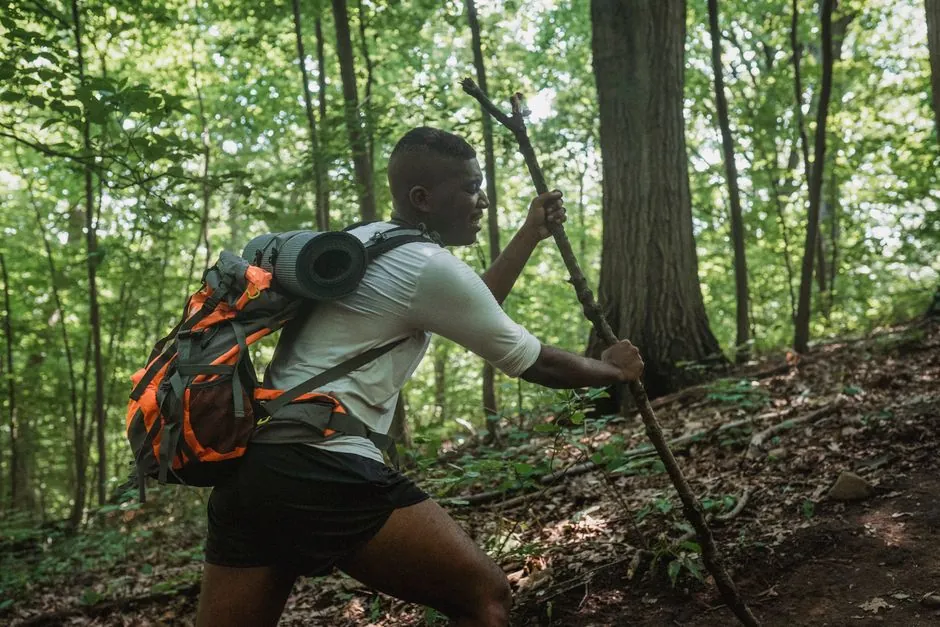
Who gets the biggest calorie difference from rucking
Fact-checked. In this version, the biggest gap usually shows up when the load is new or relatively heavy for the person carrying it.
Beginners, lighter walkers, and people carrying moderate loads
Rucking adds work, so it tends to raise calorie use more for people who are used to plain walking. The difference is often easier to notice when the pack changes posture, arm swing, or pace. A practical rule of thumb: if it feels like a grocery run in a backpack instead of an easy stroll, the effort is probably meaningfully higher.
- Beginners: the extra load feels more demanding.
- Lighter walkers: the same pack changes the workload more.
- Moderate loads: often create a clear calorie bump without forcing a totally different gait.
If the pack causes pain, numbness, or unusual strain, it is worth checking fit and walking form with a qualified healthcare professional.
How fitness level and walking economy affect the comparison
Walking economy means how much energy a person uses to cover a set distance. People who are already efficient walkers, or who train regularly, may see a smaller relative jump from rucking because their baseline walking is already low-effort. That does not erase the added cost; it just means the gap may be less dramatic.
- More efficient walkers: smaller change from added weight.
- Less efficient walkers: a bigger shift in effort.
- Better technique and steady pace: can narrow the gap a bit.
This is for reference only and does not replace professional advice; if you have a specific concern, consider speaking with a sports medicine or physical therapy provider.
Symptoms that rucking may be too much
Rucking can raise effort compared with ordinary walking, so some soreness is expected. In this case, that extra load is part of why the activity feels harder. The key is telling normal training fatigue from a problem that is building. General muscle tiredness often feels diffuse, improves with rest, and shows up after activity rather than during it.
Expected muscle fatigue versus warning signs like sharp pain, joint pain, or blisters
Expected fatigue may include:
- Heavy legs or general muscle soreness
- Temporary stiffness that eases as you warm up
- Breathing harder than on an ordinary walk, but still able to keep a steady pace
Warning signs are different: sharp pain, pain that changes your stride, swelling, numbness, or blisters that make each step worse. A simple rule of thumb is this: ordinary soreness feels like the work you did; sharp or worsening pain feels like something is being irritated. If the discomfort is strong enough to alter how you move, it is usually a sign to pause and reassess with a qualified healthcare professional if needed.
How overuse can show up in the knees, feet, hips, back, or shoulders
Overuse often appears where the load is carried or absorbed. In the knees, it may feel like aching on stairs or after downhill walking. In the feet, watch for hot spots, arch soreness, or repeated blisters. The hips may feel tight or uneven, while the back can complain if the pack shifts or you lean forward. A shoulder problem may show up as rubbing, strap pressure, or a one-sided ache.
Think of rucking like carrying groceries: a balanced load is manageable, but a twisted bag or awkward grip quickly becomes noticeable. If symptoms keep returning, the issue may be fit, posture, or too much load too soon. This section is for reference only and does not replace professional medical advice; if you have specific concerns, consider speaking with a sports medicine or physical therapy provider.

When to see a doctor or physical therapist
Fact-checked. A method can help you choose a workout, but it should never override warning signs. If you are asking whether to keep going or get help, the safest rule is to pay attention to symptoms that are sudden, severe, or clearly changing how you move. This section is for reference only and does not replace professional medical advice.
Red flags such as chest pain, dizziness, numbness, swelling, or trouble bearing weight
Stop the activity and seek urgent medical care if you notice any of the following:
- Chest pain, pressure, or unusual shortness of breath
- Dizziness, fainting, or feeling unsteady
- Numbness, tingling, or new weakness
- Swelling, especially if it is sudden, hot, or one-sided
- Trouble bearing weight or a feeling that the leg, foot, or back may give out
A practical tip: if you need to change your route, stop and rest repeatedly, or lean on furniture to keep moving, that is a sign to pause the ruck and get assessed. A doctor can rule out urgent problems; a physical therapist can then help decide whether walking mechanics, load, footwear, or training setup need changes.
When pain lasts, worsens, or changes your walking pattern
Make an appointment if pain lingers after the activity ends, keeps getting worse, or starts to change your stride, posture, or step length. A ruck that felt fine at first can still expose an overuse issue if you begin limping, shortening your steps, or shifting weight to one side. That pattern matters more than the calorie math in this version.
If the problem is not urgent but keeps returning, a licensed physical therapist is often a good place to start. If you are unsure whether the issue needs medical evaluation first, a primary care clinician or a specialty provider in the provider directory can help guide next steps.
Fact-checked. This section is for reference only and does not replace professional medical advice.
How to choose the best option for your goal
If your main question is this choice, the better option depends less on “best” and more on what you can repeat safely. Walking is usually easier to keep up, while rucking adds load and makes the same route more demanding. A good practical rule: choose the version you can recover from and still do again tomorrow.
When walking is the smarter choice for consistency, recovery, or beginners
Walking is often the better fit when the goal is a steady habit, easier recovery, or a lower barrier to entry. It is easier on joints, less likely to leave you overly fatigued, and easier to weave into errands, work breaks, or an evening routine. If posture is a concern, see walking posture basics for a simple form reminder.
- Consistency: easier to repeat on busy days.
- Recovery: a lighter choice after harder training.
- Beginners: less setup and less strain risk.
When rucking makes sense for greater calorie burn and extra strength benefits
Rucking can make sense once ordinary walking feels too easy and you want more challenge without moving to running. The added weight usually increases effort, so this option often favors rucking for people who can keep good form and avoid overloading themselves. It also adds a strength-like demand for the legs, trunk, and upper back.
Think of it as a “loaded walk”: useful, but only if the load stays manageable. If you notice persistent soreness, foot irritation, or back discomfort, it may be smarter to scale back and compare options with a qualified provider. If you have specific concerns, consider speaking with a sports medicine clinician or physical therapist.
Conclusion
The method is less about picking a universal winner and more about matching effort to your body and routine. Walking is usually the simpler, lower-stress option, while rucking can increase the challenge without requiring a much faster pace. That extra load may help burn more calories, but it also makes recovery and joint comfort more important.
For most people, the best choice is the one they can repeat safely and consistently. If your goal is to burn more calories without overdoing it, alternating regular walks with occasional light rucks may be a practical middle ground. This article is for reference only and does not replace professional medical advice. If you have a specific concern, consider speaking with a sports medicine provider or physical therapist.
References
- How Many Calories Does Walking With Weight Actually Burn? – RUKSAK (ruksak.com)
- The Calories I Burn Rucking vs. Walking (5k, 5 miles, 8 miles) (pinetreepoet.com)