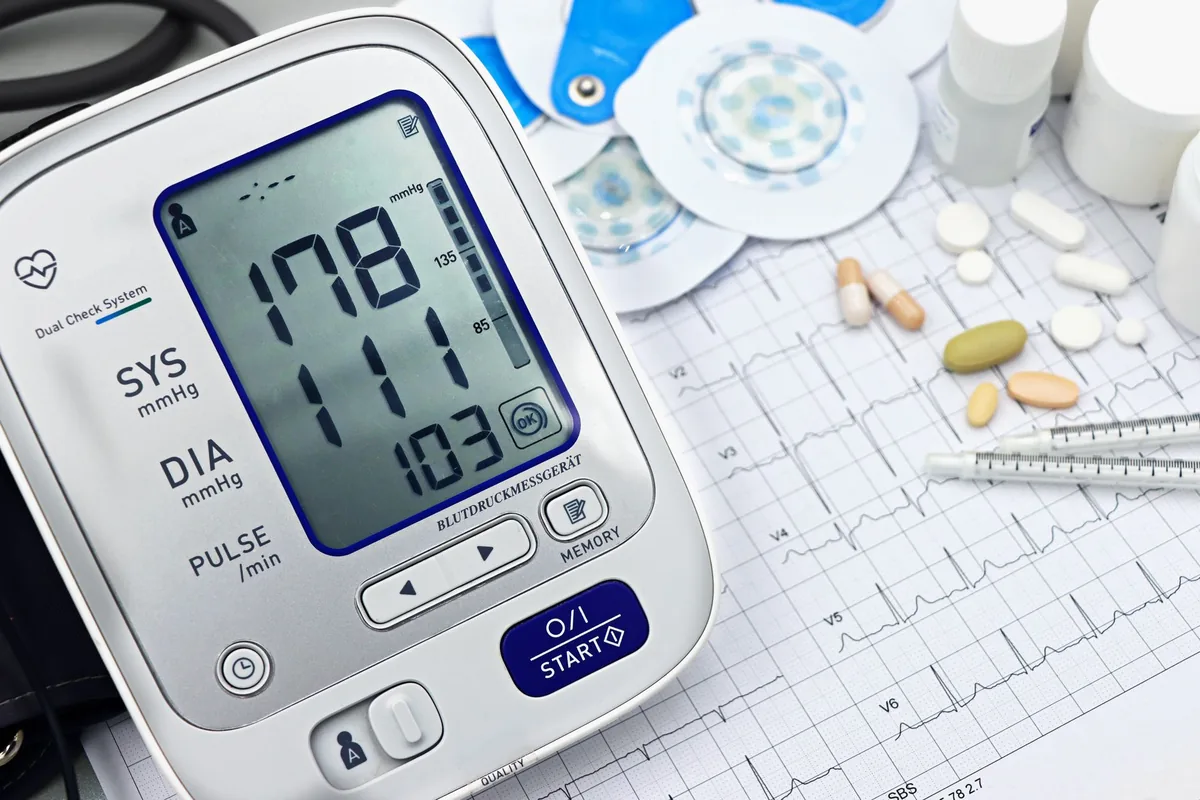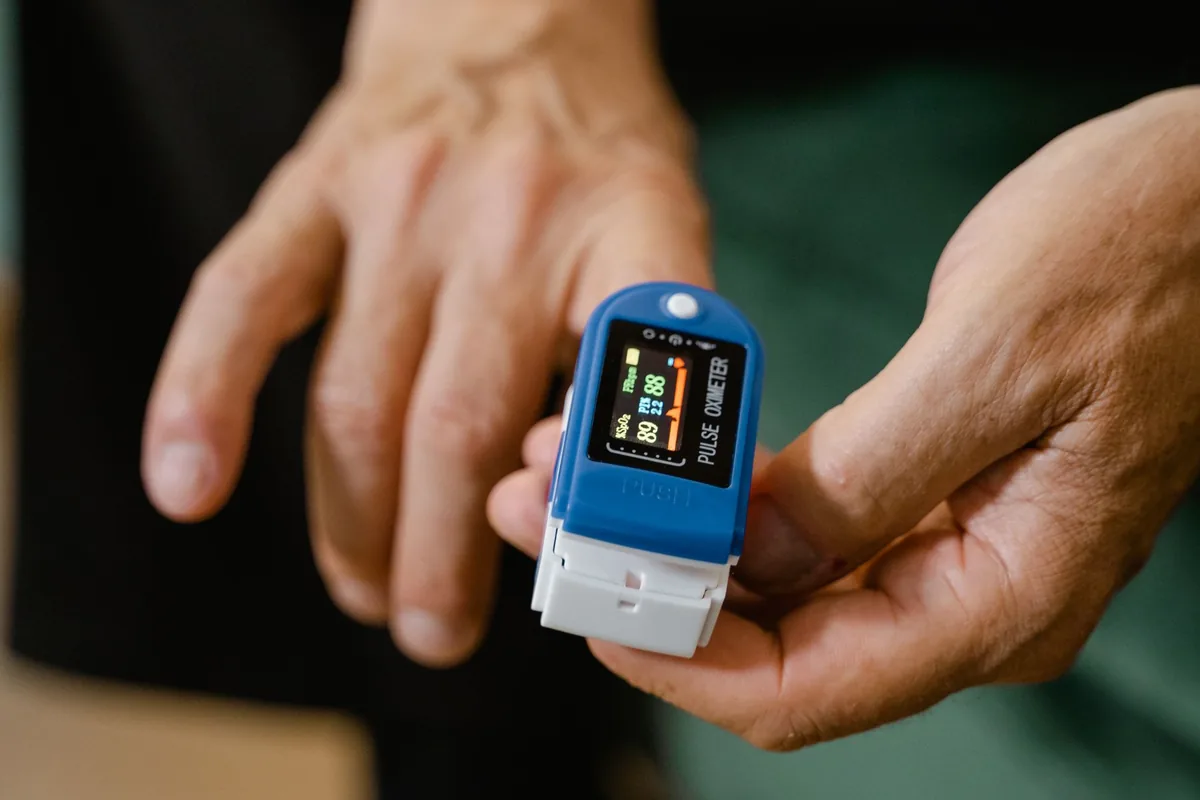
A reassuring number can be a dangerous thing—especially when the device behind it may not be equally reliable for every skin tone. The accuracy of pulse oximeters on dark skin tones matters because these small fingertip clips work by shining light through the skin to estimate blood oxygen. Melanin, the pigment that gives skin its color, can affect how that light is absorbed, which means the reading a person sees may look better than their actual oxygen level.
That gap is not just a lab curiosity. It can shape real decisions: whether someone is sent home from urgent care, given extra oxygen, or told they are stable when they still feel short of breath. If you have a deeper skin tone and have ever felt dismissed because the monitor said everything was fine, that concern is worth taking seriously—not as panic, but as practical knowledge.
I’m not a doctor or clinician, and this article is for general information only. What I can offer is a careful, plain-language look at what research suggests about this issue, why overestimation can happen, and how to use a pulse oximeter with a little more awareness. By the end, you should feel better equipped to understand your device’s limits and to bring the right questions to a healthcare professional when it matters.
The Science Behind Pulse Oximetry and Skin Pigmentation
How light-based sensors measure oxygen saturation
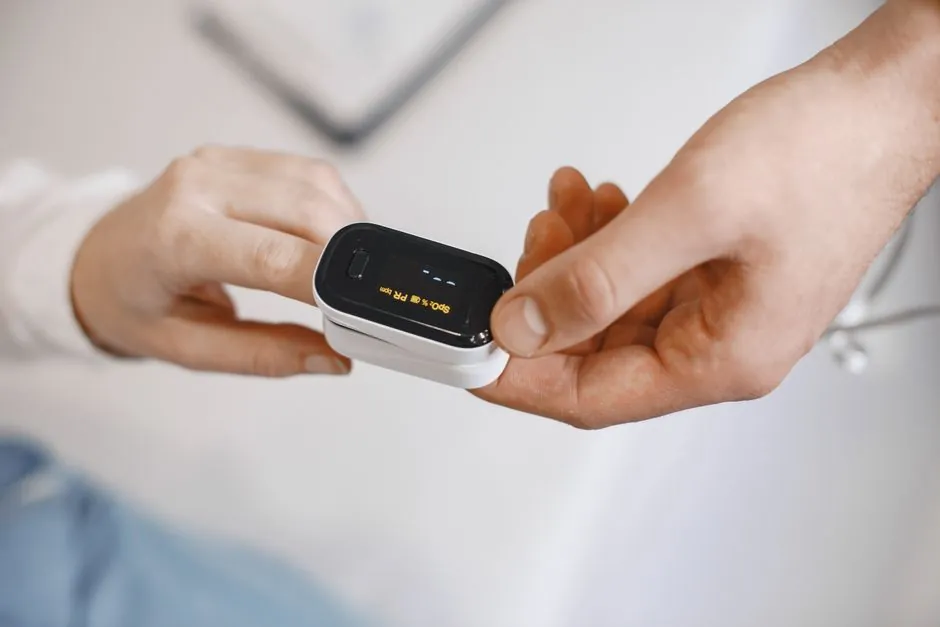
A pulse oximeter clips onto a fingertip and shines two wavelengths of light—red and infrared—through the skin. Hemoglobin, the protein in red blood cells that carries oxygen, absorbs these wavelengths differently depending on whether it is holding oxygen. The sensor reads the light that passes through and estimates the percentage of oxygen-bound hemoglobin, often called oxygen saturation.
For a more reliable reading, warm your hand first, remove nail polish, and sit still while the device settles. The number is a moment-in-time estimate, so watching the trend is usually more useful than reacting to a single reading.
- Cold fingers can reduce blood flow and make the signal weaker.
- Nail polish or artificial nails may block some light.
- Movement or a loose fit can create motion noise.
Why melanin absorbs and scatters red and infrared light
Melanin is the pigment that gives skin its color. It can absorb and scatter both red and infrared light, which means a sensor may receive less signal when a person has darker skin. This is one reason the accuracy of pulse oximeters on dark skin tones has drawn attention.
Research suggests the effect is often small in healthy oxygen ranges, but it can become more meaningful when oxygen levels are lower. If you use a pulse oximeter at home, establish your own baseline when you feel well, and talk with a clinician if you notice a sustained drop or have symptoms that worry you. The device is a helpful tool, not a substitute for how you feel.
Fact-checked: This article is for general information only and does not replace professional medical advice. If you have a specific concern about oxygen levels or pulse oximeter readings, consider speaking with a pulmonary or primary care provider.
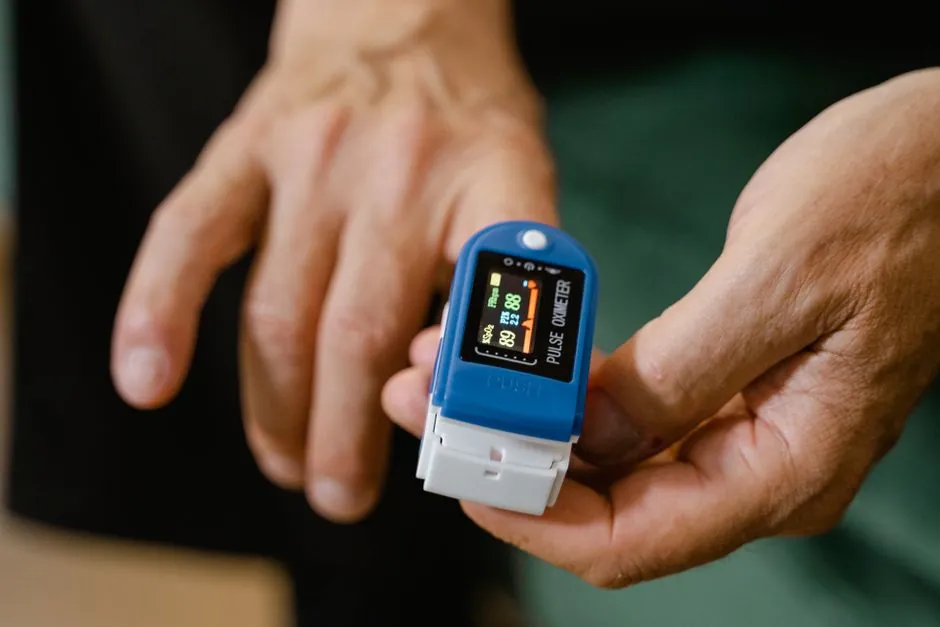
What the Evidence Shows: Discrepancies in Darker Skin
Fact-checked
Pulse oximeters are helpful home tools, but skin tone can affect their readings. The accuracy of pulse oximeters on dark skin tones is an active area of research, and the findings suggest a need for careful interpretation.
Clinical studies quantifying the overestimation gap
These devices estimate blood oxygen by shining light through the skin. In people with darker skin, melanin can absorb some of that light, which may lead the device to report a higher oxygen saturation than is actually present. Researchers call this an overestimation gap.
Clinical studies have compared pulse oximeter readings with direct arterial blood gas measurements, which are taken from an artery and are considered the reference standard. The pattern in these studies is not universal, but it does appear more often in people with darker skin tones. This means a normal-looking reading may not fully rule out low blood oxygen.
Some newer devices and software updates may perform better, but there is still no simple way for a home user to know how much skin tone is influencing a single reading.
The hidden hypoxia problem when readings mask true desaturation
The term hidden hypoxia describes a situation where blood oxygen is genuinely low, but the pulse oximeter does not reflect it. When an overestimation gap is large enough, a person may feel short of breath, lightheaded, or unusually tired while the device still shows a number in the normal range.
If you monitor oxygen at home, treat the reading as one signal rather than a diagnosis. Practical steps that may help:
- Record your usual reading when you feel well so you can notice changes.
- Pay attention to symptoms like breathlessness or chest discomfort, even if the number looks acceptable.
- Ask a clinician whether your specific device has been compared with a direct blood measurement if you have ongoing concerns.
Trends over time may be more useful than one reading.
If you have a specific concern about low oxygen readings or device accuracy, consider speaking with a pulmonologist or primary care clinician. This content is for reference only and does not replace professional medical advice.
How to Spot Low Oxygen: Symptoms Beyond the Monitor
Fact-checked. If you’re worried that a pulse oximeter reading doesn’t match how you feel, that concern is worth taking seriously. Understanding the accuracy of pulse oximeters on dark skin tones is important, because a reading can look reassuring even when oxygen is dropping. For that reason, it helps to know the physical signs that may show up away from the screen.
Shortness of breath, chest tightness, and rapid breathing
A person may feel like they cannot get enough air, notice their chest feels tight or heavy, or breathe faster without doing much. These are the body’s way of trying to pull in more oxygen. If you or someone nearby is breathing noticeably faster, leaning forward to breathe, or struggling to finish a sentence, that is worth taking seriously even if a monitor shows a normal number.
Because pulse oximeter readings can vary across skin tones, it is reasonable to treat the monitor as one clue, not the whole picture. A practical rule is to compare the number with how the person actually feels. If the reading looks fine but breathing is clearly uncomfortable, trust the symptoms and seek medical help.
Mental confusion, headache, and cyanosis (bluish discoloration)
Low oxygen can also affect the brain before the monitor alarms. A person may seem unusually confused, drowsy, irritable, or have a headache that is hard to explain. In some cases, skin, lips, gums, or nail beds may take on a bluish or grayish tint, which is called cyanosis.
Signs to watch include:
- Confusion or trouble waking
- New or worsening headache
- Bluish or grayish color on lips, nail beds, or skin
These changes are not a diagnosis, but they are a signal to get urgent evaluation. If a specific concern about low oxygen, breathing, or pulse oximeter accuracy comes up, consider speaking with a primary care provider or a pulmonologist through the provider directory. This content is for reference only and does not replace professional medical advice.
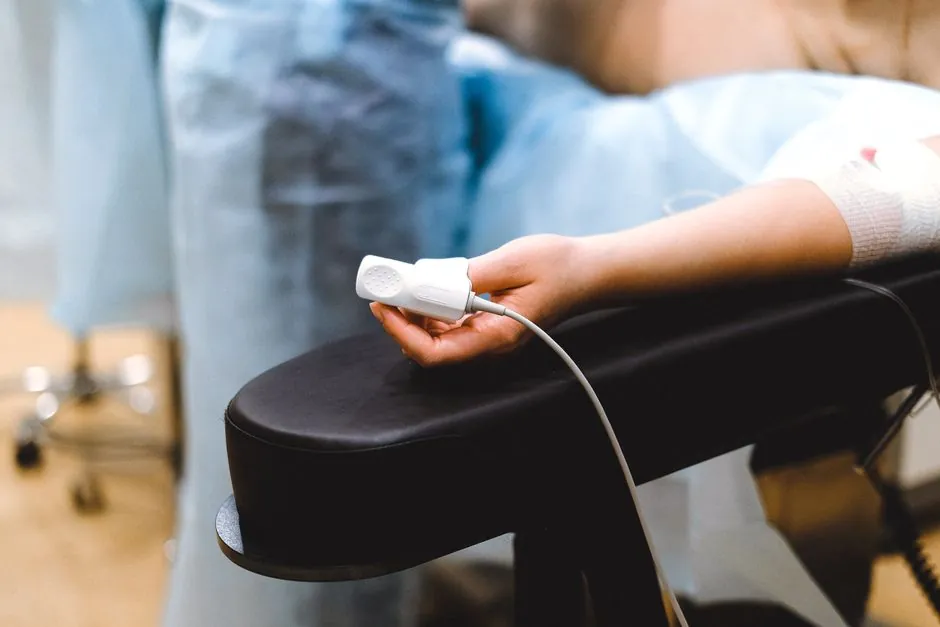
FDA Actions and Industry Efforts to Improve Accuracy
New draft guidance requiring diverse skin-tone trial enrollment
If you have darker skin and have wondered whether a home pulse oximeter reading is giving you the full picture, that concern is reasonable. The this recipe has received more attention because past testing often did not include enough people with darker skin.
Newer draft guidance from the U.S. Food and Drug Administration would require manufacturers to enroll a broader range of skin tones in clinical studies. Key changes may include:
- Diverse enrollment: study groups should include people with a range of skin tones, including darker skin.
- Transparent reporting: performance data would be broken down by skin tone rather than averaged together.
- Labeling and limits: makers may need to state when accuracy is less certain.
This is a draft guidance, so details can change, but the direction is toward more inclusive testing. It does not mean every existing device is inaccurate; it means regulators are working to make future evidence stronger.
Ongoing algorithm updates and the push for device transparency
Device makers are also revising the algorithms that translate light absorption into a blood oxygen reading. These updates aim to reduce bias by using broader training data and adjusting for skin pigmentation and other factors.
There is also a push for device transparency — making it easier to see whether a product’s accuracy has been assessed across different skin tones. If you use an at-home pulse oximeter, one practical step is to focus on trends over time rather than a single reading, and keep the device still and warm during use.
Fact-checked. This content is for general information only and does not replace professional medical advice. If you have a specific concern about your oxygen readings, consider speaking with a provider who can help you interpret your situation.
Practical Steps for Patients and Caregivers at Home
Fact-checked
Home pulse oximetry can be helpful, but a single reading is not a verdict. One concern readers often raise is this dish. These steps can help you get cleaner, more consistent readings at home.
Proper probe placement, warm hands, and avoiding nail polish
Clip the probe on a fingertip — not the toe or earlobe unless the device says so — and keep the hand still and below heart level. Cold fingers can reduce blood flow, so warm your hands first or rub them together for a few seconds.
- Remove nail polish, acrylics, or gel tips from the finger you use.
- Wipe the sensor and fingertip dry; moisture or lotion can interfere.
- Place the probe so the light passes through the nail bed, not across the knuckle.
If you are concerned about the method, consistent placement matters, but it is not a substitute for discussing readings with a clinician.
Tracking trends rather than relying on a single number
Instead of reacting to one low reading, record several readings over a few minutes or at different times of day. A trend — such as a number that stays lower than usual or drops with activity — is more useful than a one-off value.
- Take readings at rest, sitting upright, and after a few calm breaths.
- Note the time, position, and how the person feels next to each reading.
- Share the log with a healthcare professional if a pattern concerns you.
Think of a pulse oximeter like a bathroom scale: one weigh-in can be misleading, but a weekly log shows the real direction. Use the device as a screening aid, not a diagnostic tool.
This content is for reference only and does not replace professional medical advice. If you have a specific concern, consider speaking with a pulmonology or primary care provider; a provider directory can help you find one.
When to See a Doctor: Red Flags You Should Never Ignore
A pulse oximeter reading can be reassuring, but it is not a complete picture of how well your body is getting oxygen. This version is an active area of research, and some devices may read higher than actual oxygen levels for people with darker skin. A “normal” number should not override how you actually feel. Unusual breathlessness, chest tightness, or a sense that something is off can matter more than a single reading.
Worsening symptoms despite a 'normal' pulse oximeter reading
If your cough, fatigue, fever, or chest discomfort is getting worse while the device stays in a typical range, treat that mismatch as a warning sign. The reading is one data point, not a diagnosis. A person can feel unwell even when oxygen saturation appears acceptable. This is especially relevant given questions about this recipe; the monitor may be falsely reassuring if it overestimates oxygen.
A practical tip: write down the reading, time, and symptoms. If the number trends downward over hours — even within a normal range — that change can matter more than a single value. Contact a healthcare professional if you are working harder to breathe, cannot finish a short sentence, or symptoms escalate despite rest.
Increasing heart rate, confusion, or any difficulty breathing
These are not subtle signs. An increasing heart rate, new confusion, bluish lips or face, or any difficulty breathing deserves urgent evaluation. These symptoms can suggest oxygen delivery is not keeping up, regardless of what a home monitor says.
- Feeling confused, dizzy, or unusually restless — the brain may not be getting enough oxygen.
- Breathing faster or feeling air hunger — working hard to pull in air, even at rest.
- Lips, face, or nail beds turning pale, gray, or blue — do not rely on a home reading.
If any appear, call 911 or your local emergency number. If you have a specific concern, consider speaking with a primary care provider or a pulmonologist. This information is for reference only and does not replace professional medical advice.
The Road Ahead: Safer Monitoring for All Skin Tones
This dish is a valid, understandable concern. Traditional fingertip devices shine light through skin, and melanin (skin pigment) can absorb some of that signal. This has pushed researchers toward designs that work more consistently across skin colors. If you use a home monitor, a quick review of how to use a pulse oximeter can help you track meaningful changes.
Emerging reflectance-based oximetry technologies
Most common pulse oximeters are transmission-based: they send light through a finger and measure what exits the other side. Reflectance-based oximetry measures light that bounces back from the skin instead. Because it does not rely on light passing all the way through tissue, researchers suggest it may reduce differences linked to melanin, skin thickness, and circulation.
This approach is still emerging, so it is not a guarantee for every device or person. A practical tip is to watch the trend over time and note how you feel. No home reading should replace a clinician’s assessment.
Advocating for your care with arterial blood gas confirmation
If a fingertip reading seems to conflict with how you feel, you can ask a clinician about arterial blood gas (ABG) testing. ABG uses a small blood sample from an artery, usually at the wrist, to directly measure oxygen and carbon dioxide. It is more invasive than a clip-on monitor, but it offers a more direct reference when the standard reading is uncertain.
You can advocate by asking a few questions:
- Ask whether the device has been studied on a range of skin tones.
- Request a repeat reading on a different finger or site if a number feels off.
- Ask if ABG confirmation may be appropriate when symptoms and the reading do not match.
- Keep a short log of readings, times, and symptoms to share.
Fact-checked. This article is for reference only and does not replace professional medical advice. If you have a specific concern, consider speaking with a primary care provider or a pulmonologist.
Before You Decide
It is understandable to feel unsettled when a device that seems simple may not read your skin tone fairly. The method matters beyond one number: an overestimate could offer false reassurance when someone needs follow-up care. That is not a reason to panic, but a reason to view the reading as one signal, not the whole picture.
Long term, the goal is not to abandon these devices but to make them work more equitably for everyone. As more people ask manufacturers and clinicians about this issue, better testing and clearer guidance may follow. If you have a concern about your oxygen levels, consider speaking with a primary care provider or a pulmonology specialist. This is general information, not medical advice.
References
- #46 Pulse Oximetry Accuracy and Skin Tone - Anesthesia Patient... (apsf.org)
- Pulse Oximetry Inaccuracy in Darker Skin Tones Is Evidenced by... (dermatologyadvisor.com)