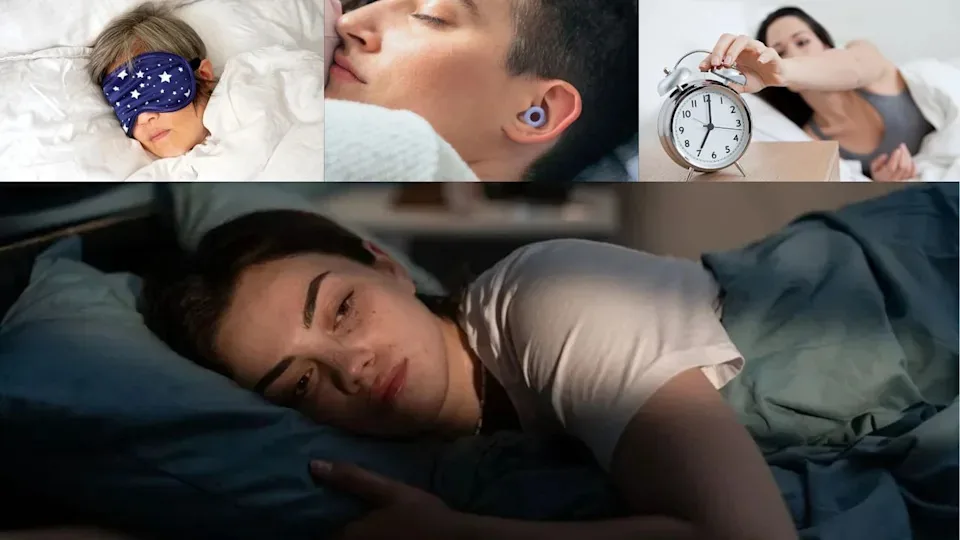
Bedtime can arrive with the lights off, the house quiet, and your mind still wide awake. That mismatch is not necessarily a lack of discipline: people have different natural sleep-timing preferences, often described as a chronotype. A person who naturally feels alert later in the evening may struggle when a work or family schedule demands an unusually early bedtime, making the problem feel like difficulty falling asleep.
These tips for nighttime sleepiness problems focus on practical sleep-hygiene habits while recognizing that biology, stress, caffeine, alcohol, and daily routines can all affect sleep timing. You’ll learn how to notice patterns in your preferred sleep schedule, create a more supportive wind-down routine, and avoid forcing sleep when your body is not ready. Small, consistent adjustments may be more useful than judging yourself against an “early bird” ideal.
Fact-checked: This is general educational information, not a diagnosis or a substitute for professional medical advice. If ongoing sleep difficulties or daytime tiredness are affecting daily life, consider discussing them with a qualified healthcare professional or a sleep specialist.
Recognize how nighttime sleepiness problems appear
Fact-checked: Sleep timing varies between people, and a mismatch between your natural rhythm and schedule can feel worrying. These tips for nighttime sleepiness problems can help you describe the pattern clearly without jumping to a diagnosis.
Notice whether the problem is timing, staying asleep, or daytime function
Ask what happens most often:
- You become sleepy much earlier than intended.
- You are wide awake when you get into bed, especially if your preferred bedtime is later.
- You fall asleep but wake repeatedly or cannot return to sleep.
- You feel drowsy, unfocused, irritable, or less safe the next day.
A simple sleep diary can record bedtime, estimated sleep time, awakenings, wake time, and daytime alertness. This is like checking a route before fixing the map: the pattern matters.
Separate true sleepiness from fatigue or difficulty relaxing
Sleepiness is a tendency to nod off, such as while reading or sitting quietly. Fatigue is low energy without necessarily feeling able to sleep. Low motivation, worry, or an overactive stress response may make bedtime feel difficult even when you are tired. Evening caffeine, alcohol, screens, or an overly early bedtime can also complicate the picture. Research suggests that chronotype—your natural morning or evening preference—can affect when sleep feels easiest, so forcing an earlier schedule may not solve every problem.
If symptoms persist, impair driving or work, or cause significant distress, consider speaking with a qualified healthcare professional. This information is for reference only and does not replace professional medical advice. For a specific concern, consider a sleep-medicine provider listed in the provider directory.

Understand your chronotype before changing your schedule
Fact-checked: This section summarizes established sleep research and general health guidance. It is for reference only and does not replace professional medical advice.
Morning types, evening types, and people in between have different natural preferences
A chronotype is your natural tendency toward earlier or later sleep and wake times. Morning types may feel alert early, while evening types may become more focused later; many people fall somewhere between. These preferences are partly biologically determined and influenced by inherited factors, so they are not a personal failing or a sign of poor discipline.
If a night-oriented person must get into bed several hours earlier for work, feeling wide awake can resemble a sleep-onset problem. That mismatch may help explain why some tips for nighttime sleepiness problems feel ineffective when they ignore body-clock timing.
Use your natural timing or the Morningness-Eveningness Questionnaire as a starting point
Consider when you would naturally sleep and wake without alarms or obligations, then compare that pattern with your current schedule. You can also use the Morningness-Eveningness Questionnaire (MEQ), a brief self-report tool, as a starting point—not a diagnosis.
- Notice your easiest time for waking.
- Identify when alertness usually rises.
- Compare weekends with workdays.
For persistent concerns, consider speaking with a qualified sleep-medicine provider; a provider directory may help you find one.
Reduce the mismatch between your body clock and bedtime
Fact-checked: This section summarizes established sleep research for general education, not diagnosis or treatment.
If you are a night owl forced into an early bedtime, avoid treating time spent awake in bed as proof that you have insomnia; your biology may simply not be ready for sleep
Feeling alert at an early bedtime can be upsetting, but it does not automatically mean you have insomnia. A chronotype is your natural preference for earlier or later sleep timing. Some people are evening types, and their internal body clock may not yet be producing strong sleepiness when a work or school schedule sends them to bed. In that situation, lying awake can reflect a timing mismatch rather than a personal failure.
One of the most useful tips for nighttime sleepiness problems is to notice when you become naturally sleepy on unrestricted days, without using that observation to self-diagnose. If persistent sleep difficulty affects daytime functioning, consider discussing it with a qualified healthcare professional.
Keep sleep and wake times as consistent as practical, and adjust an inconvenient schedule gradually rather than making abrupt changes
Regular timing gives the body clock clearer signals. Try to:
- Keep your wake time reasonably stable across the week.
- Move bedtime earlier in small steps, rather than forcing a much earlier night.
- Use a calming, dim-light routine before bed.
Think of it like gently turning a clock, not flipping a switch. Consistency may help reduce the gap between your preferred timing and your obligations, although chronotype differences can be difficult to change completely. For related habits, see sleep hygiene. This information is for reference only and does not replace professional medical advice. If you have a specific concern, consider speaking with a sleep-medicine provider.
Fact-checked

Use sleep habits that support nighttime rest
Build a calming, predictable wind-down routine
Worrying about sleep can make nighttime alertness feel even more unsettling. A steady routine helps signal that the day is ending, while a bedroom reserved mainly for sleep can reduce mental stimulation. Try dimming lights, choosing quiet activities, and keeping work, stressful conversations, and stimulating videos outside the bedroom.
- Keep wake-up time reasonably consistent.
- Use the bed for sleep rather than scrolling or working.
- If your natural schedule runs later, avoid forcing an unusually early bedtime; being awake in bed can resemble difficulty falling asleep.
Review caffeine, alcohol, and irregular schedules
For people searching for these tips, timing matters as much as quantity. Caffeine can remain stimulating for hours, while alcohol may make someone drowsy initially but contribute to lighter, interrupted sleep later. Late-day intense exercise, bright screens, emotionally activating content, and changing sleep times on weekends may also make it harder to fall asleep or return to sleep after waking.
- Notice whether afternoon caffeine affects bedtime.
- Keep weekend sleep timing reasonably close to weekdays.
- Track habits briefly rather than blaming yourself for a difficult night.
For reference only; this section does not replace professional medical advice. If you have a specific concern, consider speaking with a sleep-medicine provider.
Address stress when your body stays in high alert mode
Fact-checked: This section summarizes general sleep-health information; guidance can change.
Ongoing stress can activate the fight-or-flight system and stress-hormone pathways, leaving you mentally or physically keyed up at bedtime
It is understandable to feel worried when your body is tired but your mind remains alert. Ongoing stress can keep the fight-or-flight response active. This is the part of the nervous system that prepares you to react, while stress-hormone pathways involving cortisol can reinforce alertness. The result may be racing thoughts, muscle tension, or difficulty settling down—not proof of a specific disorder.
Sleep timing can add friction. Someone with a naturally later chronotype may lie down before their body is ready, making the problem look like trouble falling asleep. A practical example is keeping a brief note of bedtime, wake time, stress, caffeine, and evening light; this can reveal patterns without turning sleep into a test.
Try relaxation practices, address persistent anxiety or low mood, and consider professional support when worry or distress is interfering with sleep
Useful strategies include:
- Slow breathing or gentle stretching before bed.
- Writing tomorrow’s tasks down to reduce mental rehearsal.
- Keeping wake and sleep times reasonably consistent.
If anxiety, low mood, or distress persists, consider a qualified healthcare professional. A sleep-medicine or mental-health provider may help; use the provider directory if you have a specific concern. This information is for reference only and does not replace medical advice.

Know when nighttime sleepiness problems need medical attention
Fact-checked: Sleep timing can differ naturally between people. A night-oriented chronotype (your body’s preferred sleep-wake schedule) may make an early bedtime feel unrealistic, especially when work or school demands an earlier morning. Still, persistent problems deserve attention. These points are general information, not a diagnosis. Sleep-health guidance can help explain why ongoing sleep loss matters.
Speak with a clinician when problems continue
Consider arranging an evaluation if sleep difficulty lasts, disrupts work or daily activities, or happens even when you allow enough time and a suitable setting for sleep. Contact a qualified healthcare professional if you notice:
- Loud snoring or witnessed pauses in breathing
- Strong urges to move the legs or uncomfortable leg sensations at night
- Unusual, uncontrollable sleep attacks or severe daytime sleepiness
Caffeine, alcohol, stress, and a bedtime that conflicts with your natural schedule can all affect sleep, but they do not explain every pattern. A clinician can consider the broader picture without assuming the cause.
Get urgent help when drowsiness creates immediate danger
Do not drive, cycle in traffic, or operate machinery when you are struggling to stay awake. Pull over safely or ask someone else to take over; caffeine is not a dependable substitute for alertness. For an appointment, keep a brief record of bedtime, wake time, awakenings, naps, caffeine or alcohol, medicines or supplements, and notable symptoms. Think of it as a timeline rather than a test: patterns are often easier to discuss when written down.
If you have a specific concern, consider speaking with a sleep-medicine provider; use the provider directory to find relevant care. This content is for reference only and does not replace professional medical advice.
Final Thoughts
Nighttime sleepiness can be frustrating, especially when you are trying to create healthier routines but still feel out of sync. The most useful steps are often simple: keep a reasonably consistent sleep schedule, create a calm wind-down period, limit stimulating activities before bed, and make the bedroom comfortable, dark, and quiet. Small adjustments may be easier to maintain than changing everything at once.
If sleepiness continues, interferes with daily life, or leaves you concerned, consider discussing it with a qualified healthcare professional rather than trying to explain it on your own. This article is for reference only and does not replace professional medical advice. If you have a specific concern, a primary care professional or sleep medicine provider may be an appropriate place to start. Be patient with yourself as you learn which habits support more restful nights.