
Your body often gives you a surprisingly clear hydration readout before you feel thirsty—it just happens to be in the toilet bowl. The color of urine if dehydrated tends to shift toward deeper amber or brownish tones, but a single glance can be misleading because foods, supplements, medications, and even bathroom lighting can change what you see.
Instead of treating one sample as a verdict, it’s more useful to notice patterns over a few days. Checking at a consistent time and comparing the shade against your fluid intake can help you spot when your body may be asking for more water. Below, you’ll find what common urine colors may suggest, how to check them in a practical way, and which signs deserve a conversation with a healthcare professional.
This information is for general education only and does not replace personalized medical advice. If you have ongoing concerns about hydration, urinary changes, or kidney function, consider speaking with a primary care provider or a urologist.
The Dehydration Urine Color Spectrum Explained
The color of urine if dehydrated is a useful daily hydration signal, not a diagnostic test. Urine gets its yellow tint from urochrome, a pigment produced during normal red blood cell turnover. When you drink enough fluid, the pigment is diluted; when fluid intake drops, the kidneys conserve water and the same pigment becomes more concentrated, making urine darker.
Fact-checked
Where normal pale yellow urine sits on the hydration scale
A light straw or pale yellow color generally suggests adequate hydration. Think of pale lemonade as a practical visual guide. Clear urine can mean you are drinking more fluid than your body needs, but occasional clear urine is usually not a concern. The goal is steady pale yellow rather than forcing large amounts of water.
How urine progresses from dark yellow to amber and brown as dehydration worsens
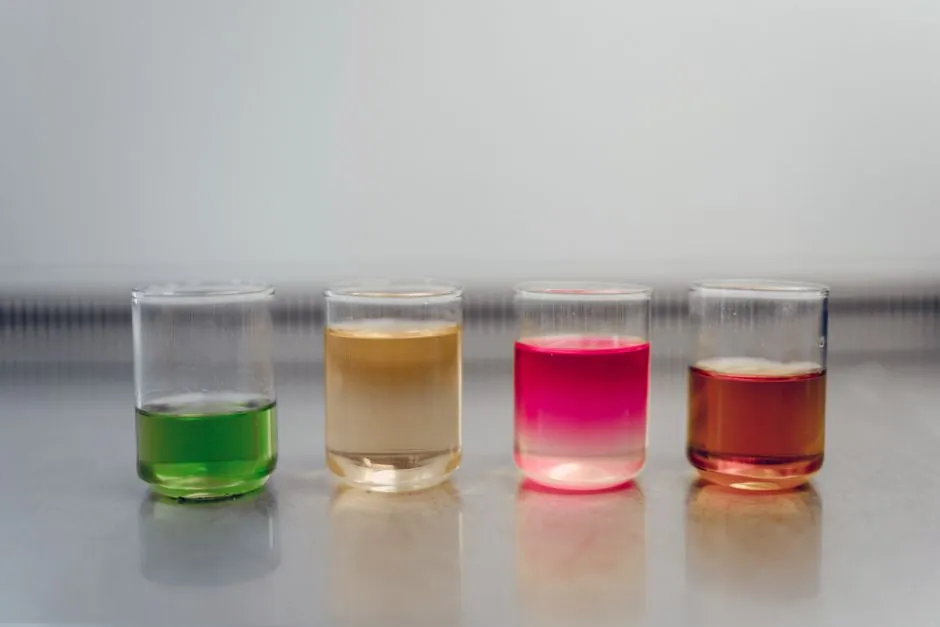
As dehydration deepens, urine often moves through a predictable range:
- Pale yellow to light straw: generally well hydrated.
- Dark yellow: early signal to drink water soon.
- Amber or honey: often suggests moderate dehydration; increase fluids gradually.
- Brown or tea-colored: may be linked to severe dehydration, liver or gallbladder concerns, certain foods, or medications; seek professional evaluation.
This spectrum is a general guide. If you notice persistent dark or brown urine despite drinking enough fluid, consider speaking with a primary care provider or a urologist. This content is for reference only and does not replace professional medical advice.

How to Check Urine Color Accurately in Three Steps
Fact-checked. This guide covers general hydration-monitoring habits for healthy adults and is not medical advice.
Use a clear container and good lighting for a true reading
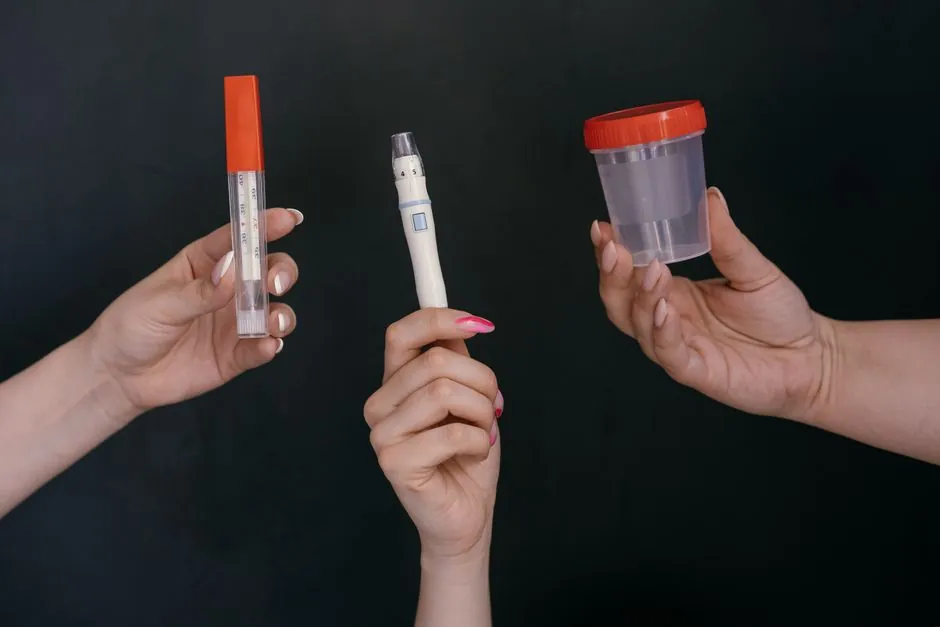
The first two steps are about controlling how you view the sample. Collect urine in a clean, clear cup rather than reading color in a colored toilet bowl, and check it near daylight or bright white light. Warm bathroom lighting can make urine appear darker, so hold the container against a plain white background to reduce distortion. This matters because the color of urine if dehydrated can be overestimated in poor light.
A practical tip: collect midstream after flushing, and remember that first-morning urine is naturally more concentrated, so a slightly deeper shade is not automatically a concern.
Compare your sample against a urine color hydration chart
The third step is to compare the sample with a urine color hydration chart, which usually ranges from pale straw to dark amber. In general, pale yellow or straw-colored urine suggests adequate fluid intake, while the color of urine if dehydrated is often a deeper yellow or amber. Foods, vitamins, and some medicines can also change urine color, so a chart is a guide rather than a diagnosis.
- Fill the clear container with enough urine to see through the side.
- Place it next to the chart at eye level under consistent lighting.
- Match the closest shade and consider whether you need more fluids.
If you have ongoing concerns about hydration, dizziness, or low urine output, consider speaking with a primary care provider. This content is for reference only and does not replace professional medical advice.
Other Dehydration Symptoms That May Appear Alongside Dark Urine
Dark yellow or amber urine can be an early cue that fluid intake is low. The color usually appears alongside other signs, especially when fluid losses from sweat, heat, or illness outpace what a person drinks.
Thirst, dry mouth, headache, dizziness, and fatigue
As the body loses water, it tries to hold onto fluid and signal for more. Common early signs include:
- Thirst and a dry or sticky mouth, often one of the first cues.
- Headache or lightheadedness, which may worsen when standing up quickly.
- Dizziness and fatigue, because reduced fluid volume can make routine tasks feel harder.
These symptoms are not specific to dehydration, so they are best read as part of a pattern. If dark urine and these symptoms persist, speak with a healthcare professional.
Reduced urine frequency, small amounts, and stronger-smelling urine
When fluid intake drops, the kidneys conserve water by making less urine. A person may notice:
- Longer gaps between bathroom trips or a smaller volume than usual.
- Stronger-smelling urine, because waste products become more concentrated.
- Darker urine that moves from light yellow toward amber or tea-colored.
One practical check is to compare the color first thing in the morning with urine later in the day after drinking water. Health authorities generally describe pale yellow as a sign of better hydration. If very dark urine or low urine output continues, consider speaking with a licensed provider.
Fact-checked. This content is for reference only and does not replace professional medical advice. If you have a specific concern, consider speaking with a primary care provider.

Why Urine Color Can Change Even When You Are Not Dehydrated
Fact-checked. The color is usually dark yellow or amber, but similar shades can occur without dehydration. Urine gets its color mainly from a pigment called urochrome, and other substances can temporarily change that color.
Foods, vitamins, and medications that darken or alter urine color
Certain foods and supplements can mimic the color even when fluid intake is normal. Think of urine like a canvas: pigments in food can tint it as predictably as dye. Common examples include:
- Beets, blackberries, and rhubarb may turn urine pink or reddish.
- Carrots and carrot juice can add an orange tint.
- B vitamins, especially riboflavin, often cause bright yellow urine.
- Some laxatives and urinary pain relievers may darken urine to orange, red, or brown.
Medical conditions that can mimic dehydrated urine shades
Sometimes darker urine reflects a health issue rather than low fluid intake. Clinical guidance generally advises having persistent dark urine evaluated, especially if it does not clear after increasing water intake. Examples include:
- Liver or bile duct problems can make urine look dark brown or tea-colored because of bilirubin.
- Blood in the urine from a urinary tract infection, kidney stone, or strenuous exercise may appear pink, red, or cola-colored.
- Muscle breakdown after intense activity can release myoglobin, which may make urine look dark tea or cola colored.
Disclaimer: This content is for reference only and does not replace professional medical advice. If you have a specific concern about urine color, consider speaking with a primary care provider or urologist.
When to See a Doctor for Urine Color and Dehydration Red Flags
Normal urine ranges from pale straw to light amber. If the color turns noticeably darker and does not improve after drinking water, pay attention to warning signs that need prompt medical attention.
Dehydration can overlap with other conditions, so a qualified healthcare professional should evaluate persistent or severe changes.
Dark urine with pain, fever, vomiting, confusion, or fainting
Dark, concentrated urine is common with mild dehydration, but it becomes more concerning when it appears with other symptoms. Clinical guidance generally advises seeking urgent evaluation if dark urine occurs alongside:
- Pain in the back, side, abdomen, or when urinating
- Fever or chills
- Vomiting that makes it hard to keep fluids down
- Confusion, dizziness, or fainting
These combinations may suggest a urinary tract infection, kidney stone, or more severe dehydration. A practical tip: if you drink water and urine stays dark while any of these symptoms continue, do not wait to seek care.
Tea-colored, bloody, or absent urine output
Unlike the dark yellow color, urine that looks like strong tea, cola, or reddish-brown can signal blood, muscle breakdown, or liver-related pigment changes. Producing very little or no urine for several hours despite drinking fluids is also a serious warning sign.
- Tea-colored or cola-colored urine may indicate bleeding or muscle injury
- Visible blood in urine is not a typical dehydration symptom
- No urine output for many hours can point to kidney injury or blockage
If you notice these changes, especially with swelling, nausea, or feeling unwell, contact a healthcare professional promptly. If you have a specific concern, consider speaking with a primary care provider or, for severe symptoms, visiting an emergency department.
Fact-checked. This information is for reference only and does not replace professional medical advice.
Using Urine Color as a Daily Hydration Signal
Fact-checked
Urine color can be a practical daily signal, but it is not a diagnostic test. Health authorities generally describe the color as darker amber or honey-colored because waste is more concentrated when fluid intake is low. Very pale yellow usually suggests good hydration, while clear urine may mean you are drinking more than needed. Daily hydration habits matter more than a single reading.
Morning and post-exercise checks that are most useful
Your first morning urine is often the most concentrated, so a darker shade then is common and not automatically a problem. A more useful check is to look at urine later in the morning after you have had water. After exercise, if urine is dark amber and output is small, it may be a sign to drink more. Compare against your usual baseline rather than aiming for perfectly clear every time.
- Check at a consistent time, such as mid-morning.
- Use a white cup or clear container to see color accurately.
- Consider recent foods, supplements, or medications that can tint urine.
Adjusting fluids based on color without overcorrecting
If you notice darker urine, a practical step is to drink a glass of water and recheck within a few hours. The goal is not to force large amounts quickly; drinking beyond thirst can dilute electrolytes. Pale yellow is generally a reasonable target. If urine stays very dark despite drinking normally, or if you have dizziness, dry mouth, or reduced urination, that is a reason to speak with a healthcare professional.
This content is for reference only and does not replace professional medical advice. If you have a specific concern about persistent urine changes or hydration, consider speaking with a primary care provider or urologist.
Final Thoughts
Tracking this color is one of the simplest ways to notice early signs that your fluid intake may need attention. Pale straw or light yellow usually suggests good hydration, while darker amber or brownish tones can be a signal to drink water and consider factors like heat, exercise, or certain foods and medications. Used alongside thirst, energy level, and how often you urinate, urine color becomes a practical daily checkpoint rather than a diagnostic tool.
No single shade tells the whole story, and changes that last more than a day or come with pain, fever, or swelling deserve a conversation with a primary care provider or urologist. This content is for reference only and does not replace professional medical advice. What surprised you most about how your body signals hydration—and has noticing urine color changed the way you plan your water intake?
References
- Urine Color Chart: What’s Normal and When to See a Doctor (healthline.com)
- 10 Signs of Dehydration in Adults: How to Tell If You're Dehydrated (int.livhospital.com)
- Urine color - Symptoms and causes - Mayo Clinic (mayoclinic.org)