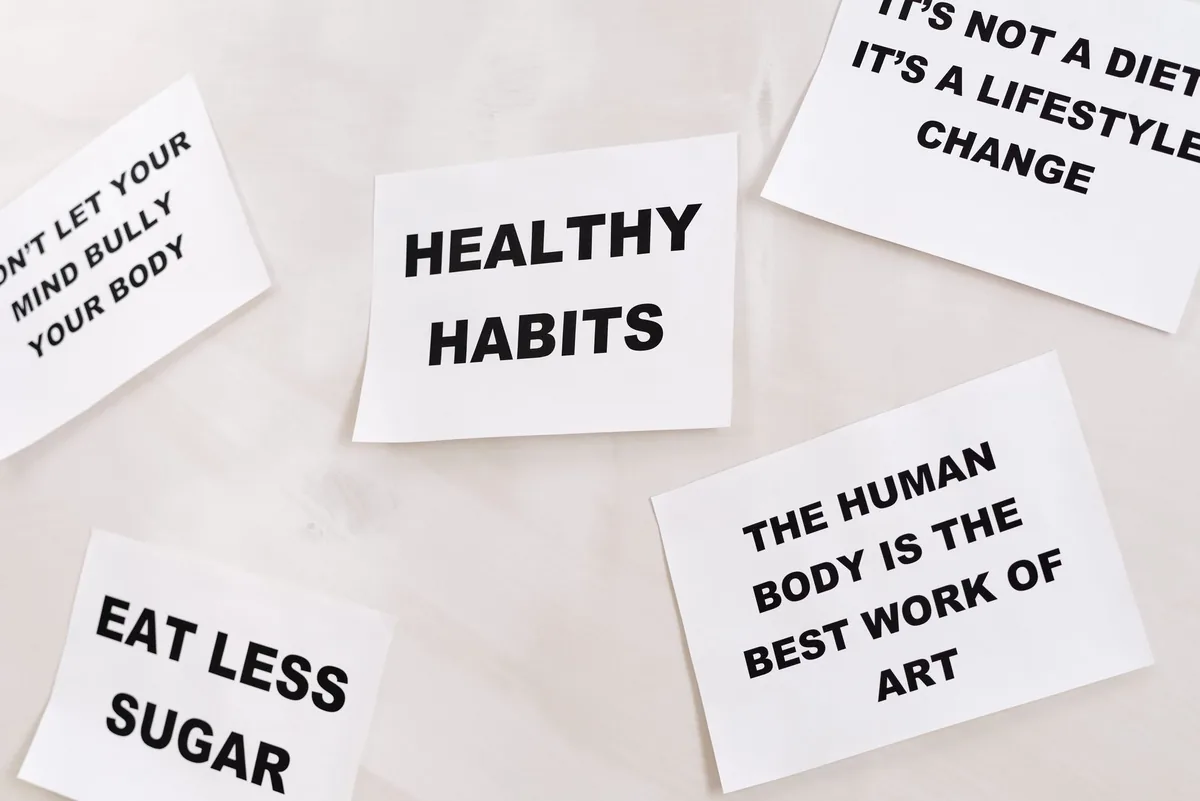
Marketing campaigns often frame "detox" as a necessary cleanse, suggesting that our bodies accumulate harmful substances requiring special teas to flush them out. This narrative taps into genuine health concerns but misrepresents how human biology actually works. Your liver, kidneys, lungs, and digestive system are already highly efficient at filtering and eliminating waste products without external assistance. Relying on commercial blends for this purpose is not only unnecessary but can distract from the foundational habits that truly support organ health, such as balanced nutrition, adequate hydration, and consistent movement.
Navigating the wellness aisle can be confusing, especially when popular detox tea myths are amplified by social media influencers and celebrity endorsements. Many of these products leverage the word "natural" to imply safety, yet natural ingredients are not automatically harmless, and dietary supplements do not undergo the same rigorous safety and efficacy testing as pharmaceutical medications. Understanding the gap between marketing claims and scientific evidence helps you make informed choices about what you consume, ensuring you prioritize methods backed by clinical guidance rather than trendy shortcuts.
This overview breaks down common misconceptions surrounding these beverages, examining why the promise of a quick fix often lacks scientific support. By looking at how these products are regulated and what research actually indicates about their effects, you can better evaluate whether they align with your health goals. Always remember that individual health needs vary, so it is wise to consult a qualified healthcare professional before making significant changes to your diet or supplement routine, particularly if you have underlying health conditions.
The Biological Reality of Detoxification
Navigating detox tea myths requires understanding human physiology. Your body possesses sophisticated, innate systems for filtering waste, rendering external cleanses unnecessary for basic health maintenance.
How your liver, kidneys, and lungs naturally eliminate toxins
Your organs work continuously to maintain internal balance. The liver processes metabolic byproducts, while the kidneys filter blood to remove waste through urine. The lungs expel gaseous wastes with every breath. These systems operate automatically, requiring no special teas to function. Think of them as high-efficiency filtration plants that run twenty-four seven. Supporting these organs involves consistent hydration and balanced nutrition rather than intermittent, aggressive cleansing protocols. When these systems function correctly, they effectively manage toxin elimination without assistance from commercial products.
Why external teas cannot enhance organ function
Many detox tea myths suggest beverages can boost organ performance, but clinical guidance indicates otherwise. Supplements are not regulated like pharmaceuticals and often lack rigorous safety testing. Ingredients labeled "natural" are not inherently safe, and some may cause adverse reactions like digestive distress or liver inflammation. Marketers frequently extrapolate limited data to make broad claims that science does not support. Instead of relying on unverified shortcuts, focus on evidence-based habits. If you have concerns about organ health or detoxification, consider speaking with a primary care provider or a gastroenterologist.
Disclaimer: This content is for informational purposes only and does not replace professional medical advice.
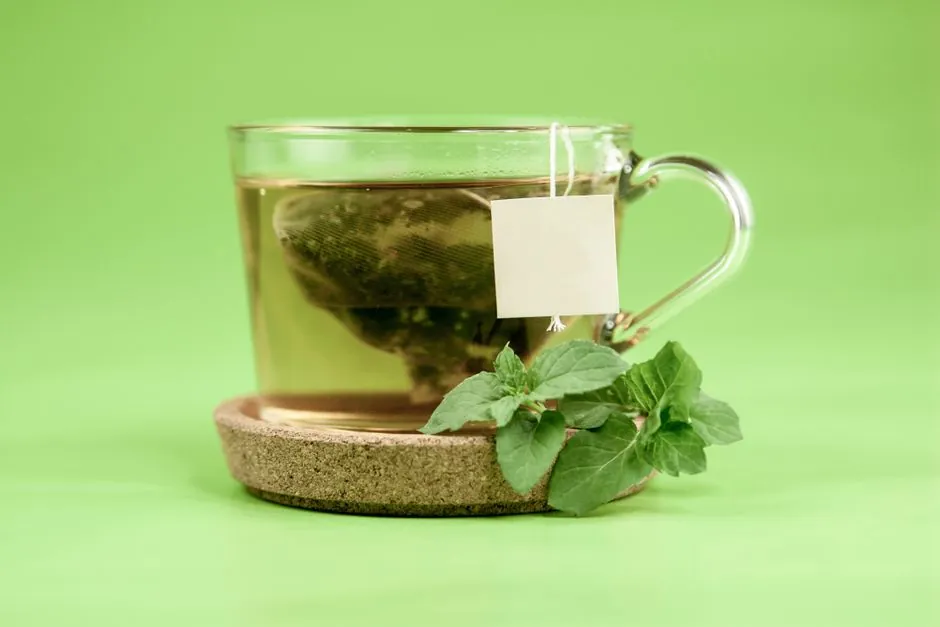
The Danger of the 'Natural' Label
One of the most pervasive detox tea myths is that ingredients derived from nature are automatically benign. This assumption ignores a fundamental biological reality: natural substances can be potent, irritating, or even toxic depending on dosage and individual physiology. Health authorities generally advise that the term "natural" is largely a marketing construct rather than a safety guarantee. Many plants produce chemical compounds specifically to deter predators, which can cause adverse reactions in humans. When consumers assume a product is safe simply because it is plant-based, they may overlook potential risks such as allergic reactions, interactions with prescription medications, or strain on vital organs like the liver and kidneys. It is crucial to approach these products with skepticism and recognize that rigorous safety testing is not always required for herbal supplements before they reach store shelves.
Understanding That Natural Ingredients Are Not Inherently Safe
The belief that nature equals safety is misleading. Just because an ingredient exists in the wild does not mean it is suitable for daily consumption without medical supervision. The body’s own detoxification systems, including the liver and kidneys, are highly efficient at processing waste. Introducing concentrated herbal extracts can sometimes overwhelm these systems rather than support them. Individuals should consult a qualified healthcare professional before starting any new supplement regimen, especially if they have underlying health conditions.
Examples of Natural Substances That Can Be Harmful or Toxic
To illustrate why caution is necessary, consider these naturally occurring substances that pose significant health risks:
- Arsenic: A naturally occurring element that is highly poisonous to humans despite its natural origin.
- Certain herbal laxatives: Often found in cleansing teas, these can cause severe diarrhea, electrolyte imbalances, and dependency when used improperly.
- Comfrey: A plant once popular in herbal medicine that contains compounds known to cause serious liver damage.
Regulatory Gaps in the Supplement Industry
Understanding this issue requires recognizing that dietary supplements operate under different rules than pharmaceuticals. Health authorities generally advise that these products do not need pre-market approval for safety or efficacy. This means a company can sell a tea claiming to cleanse your system without proving it actually works or is harmless first. The term "natural" often misleads consumers into assuming safety, yet many natural substances can be harmful. Your liver and kidneys already handle toxin removal efficiently, making external cleanses unnecessary. Without rigorous upfront testing, the burden of proof falls on the consumer rather than the manufacturer. This regulatory framework allows products with weak scientific backing to reach shelves easily, relying on marketing buzzwords rather than clinical evidence.
Why detox teas do not require FDA pre-approval for safety or efficacy
- Manufacturers are not required to demonstrate effectiveness before sales begin.
- Safety data is not mandatory prior to market entry.
- Label claims often lack independent verification or robust clinical trials.
How products are often only reviewed after adverse events occur
Regulatory review frequently happens only after people report health issues. Adverse events like liver inflammation or severe digestive distress may trigger an investigation, but this reactive approach exposes users to risk beforehand. Many individuals experience negative outcomes before any official action is taken against a product. This gap highlights why consulting a qualified healthcare professional is wise before starting new regimens. Be wary of influencers promoting unverified shortcuts for profit.
Fact-checked. For specific concerns, consider speaking with a gastroenterologist or registered dietitian.

Common Symptoms and Side Effects of Detox Teas
Many methods suggest these blends are harmless natural cleansers, but clinical guidance indicates they can cause significant physical distress. Because supplements are not regulated like pharmaceuticals, safety is not guaranteed before sale. Users often experience adverse reactions when their bodies react to unverified ingredients.
- Diarrhea: Many products contain laxative herbs that force rapid bowel movements, leading to dehydration and electrolyte imbalance rather than true cleansing.
- Fatigue: The body may become exhausted from constant digestive stress and nutrient loss, resulting in persistent tiredness and weakness.
- Liver inflammation: Certain botanical compounds can be hepatotoxic, causing the liver to become inflamed as it struggles to process unfamiliar substances.
These symptoms are not signs of toxins leaving the body but indicators of physiological strain. If you experience these issues, discontinue use and consult a healthcare professional immediately.
How abnormal blood test results may indicate supplement-induced harm
When internal organs are stressed by unregulated supplements, standard medical diagnostics often reveal underlying damage. Abnormal blood work serves as a critical warning sign that the body is struggling to maintain homeostasis due to external chemical inputs.
- Elevated liver enzymes: High levels of specific proteins in the blood frequently signal liver cell injury or inflammation caused by processing herbal compounds.
- Electrolyte imbalances: Chronic fluid loss from laxative effects can disrupt essential mineral levels, affecting heart rhythm and muscle function.
- Kidney stress markers: Increased waste products in the blood may indicate the kidneys are overworked trying to filter out potentially harmful metabolites.
These findings contradict popular versions claiming improved health. Always share your supplement history with your provider to ensure accurate interpretation of lab results and appropriate care.
Marketing Tactics and Misleading Influencer Endorsements
How companies extrapolate weak scientific studies to make broad claims
Marketers often exploit the term detox, implying a need to cleanse toxins that your liver and kidneys already manage efficiently. A common tactic involves taking fringe research conducted on very small groups and falsely claiming it applies to everyone. This creates one of the most persistent myths: that these beverages offer scientifically proven health shortcuts. In reality, supplements do not require pre-market proof of efficacy or safety from health authorities. Reviews typically occur only after negative outcomes, such as liver inflammation or severe fatigue, are reported. Remember that natural ingredients are not inherently safe; arsenic is natural yet poisonous. By stretching limited data, companies create an illusion of validity where none exists, relying on consumer hope rather than robust clinical evidence.
The ethical issues surrounding celebrity promotions and financial incentives
Influencers hold significant sway over public perception, making their endorsements a powerful tool for selling unproven products. Ethical concerns arise when financial gain overrides due diligence, potentially fueling body image insecurities or eating disorders among followers. Many celebrities promote these items simply because they are easy money, not because they work. Key red flags include:
- Promising miraculous results without scientific backing
- Hiding the lack of regulatory oversight for supplements
- Ignoring potential health risks like diarrhea or blood test abnormalities

When to See a Doctor
Understanding this dish is vital for recognizing when marketing claims cross into health risks. While many products promise quick fixes, your body relies on organs like the liver and kidneys for natural cleansing. Be alert if you experience persistent issues after using these supplements. Red flags include:
- Persistent gastrointestinal distress, such as ongoing diarrhea or abdominal pain.
- Unexplained fatigue that does not improve with rest.
- Sudden changes in appetite or mood unrelated to lifestyle shifts.
These symptoms may indicate your body is reacting negatively to unregulated ingredients. Since supplements are not held to the same safety standards as pharmaceuticals, adverse reactions can occur without warning. If these signs persist, consult a healthcare professional to rule out underlying conditions rather than assuming it is a normal part of any cleansing process.
Seeking medical evaluation if you experience signs of liver stress or abnormal lab results
Some herbal ingredients can strain the liver, leading to inflammation or dysfunction. Health authorities generally advise seeking immediate evaluation if you notice yellowing of the skin or eyes, dark urine, or severe upper right abdominal pain. These could signal liver stress, a serious condition linked to certain unverified supplements. Additionally, if routine blood work reveals abnormal enzyme levels, discuss this with your provider. They can help determine if a specific product contributed to these changes. Remember, the method often obscures the reality that natural does not always mean safe. Always prioritize evidence-based health habits over unproven shortcuts, and share any supplement use with your clinician to ensure safe, coordinated care.
Evidence-Based Alternatives for Health and Wellness
Navigating this version requires focusing on what actually supports bodily function. Your liver, kidneys, and lungs naturally eliminate waste without external aids. Relying on unverified supplements often distracts from foundational habits that yield real results. Instead of seeking quick fixes, prioritize sustainable routines:
- Balanced nutrition providing essential vitamins
- Regular movement to support circulation
- Adequate sleep for cellular repair
These pillars work synergistically. For deeper insights into building a routine, explore our guide on healthy daily habits.
The proven benefits of a balanced diet and regular exercise
Clinical guidance consistently highlights that whole foods and physical activity outperform any supplement. A varied diet fuels metabolic processes, while exercise strengthens cardiovascular health. This approach avoids the risks associated with laxative-based teas, which can cause dehydration or electrolyte imbalances. Real wellness stems from consistency, not drastic short-term measures.
Why medical ethics prioritize lifestyle changes over unverified supplements
Health professionals emphasize safety because supplements lack rigorous pre-market testing. Unlike pharmaceuticals, these products do not need to prove efficacy before sale. Ethical practice demands recommending interventions with known benefits rather than profiting from unproven claims. Many marketers exploit natural labeling, yet natural substances are not inherently safe. Trustworthy care focuses on long-term health stability through verified methods, ensuring patients avoid potential harm from unregulated ingredients.
Key Takeaways
Navigating the wellness market requires a critical eye, especially when popular trends clash with established biological facts. By examining this common recipe, we can see that the body’s natural filtration systems are highly effective without relying on specific herbal blends for cleansing. While some ingredients may offer mild digestive support or hydration benefits, they do not replace the liver and kidneys in their vital roles. Understanding these distinctions helps individuals make informed choices about their daily habits rather than falling for marketing claims that promise quick fixes or dramatic internal resets.
Ultimately, sustainable health is built on consistent, evidence-based practices such as balanced nutrition, adequate sleep, and regular movement. If you are considering adding new supplements or teas to your routine, it is wise to discuss them with a qualified healthcare professional who understands your personal medical history. This conversation ensures that any additions support your overall well-being safely. For personalized guidance on nutrition or digestive health, consider speaking with a registered dietitian or a primary care provider.
References
- The Truth about 'Detox' Teas: What They Really Do (and Don’t Do) - Aspen Total Fitness (aspentotalfitness.com)
- The Hidden Dangers of Detox Teas: Separating Myth from Reality (peppino.org)
- Do Detox Teas Really Cleanse Your Body? Science Speaks! (betterhealthfacts.com)