It is completely normal to feel uneasy when you start looking closely at what goes into your meals. The idea that tiny, unavoidable natural defects—like insect fragments or mold spores—might end up in everyday groceries can be unsettling. But here is the reassuring part: health authorities recognize that growing and harvesting food outdoors makes a perfectly sterile harvest practically impossible, and they set strict limits to ensure these trace amounts do not pose a hazard to your health.
What often causes more confusion is how we weigh those naturally occurring imperfections against the deliberate ingredients added during processing. As I have spent time researching and organizing information on food additive safety, one thing became clear: many people worry most about intentional preservatives or colorings, while overlooking the fact that nature itself introduces its own contaminants. Understanding this difference helps put grocery store labels into a much calmer, more practical perspective.
I am not a doctor or a nutritionist—just someone who has carefully gathered and summarized this information so it is easier to digest. In the sections ahead, we will walk through the types of natural defects regulators consider acceptable, compare them to intentionally added ingredients, and explore how you can make informed choices for your daily habits. Because nutritional science evolves, details can change over time, so if you have specific dietary concerns, consider speaking with a registered dietitian or another qualified healthcare provider. Fact-checked. This content is for reference only and does not replace professional medical advice.
Understanding the Basics of Food Additive Safety
If reading food labels makes you anxious, you are not alone. Understanding food additive safety starts with knowing what is intentionally added versus what occurs naturally.
How intentional additives differ from unavoidable natural defects in your diet
Intentional additives, like preservatives or colorings, are deliberately included to keep food fresh or appealing. Unavoidable defects, however, are tiny natural remnants that enter food during growing and harvesting. Health authorities recognize that completely eliminating natural elements from crops is practically impossible. Common unavoidable defects include:
- Insect fragments, which frequently appear in frozen vegetables and ground spices
- Mold spores, which can occur naturally on harvested items like coffee beans
- Plant matter, such as small stems, shells, or sand from the soil
Think of it like gardening: no matter how carefully you harvest, a little soil comes along. Regulatory guidance generally considers these trace amounts harmless for most people.
The role of regulatory bodies like the FDA and EFSA in establishing acceptable risk levels
Navigating food additive safety relies heavily on oversight. Agencies evaluate both deliberate ingredients and natural defects to establish thresholds considered safe for daily consumption. They maintain detailed guidelines outlining acceptable limits for various foods. For example, guidance typically addresses:
- Allowable traces of mold in certain pantry staples
- Acceptable levels of natural foreign matter in dried herbs
- Limits on insect remnants in processed plant-based goods
A practical tip: while monitored trace amounts in commercially packaged foods are generally considered safe by health authorities, you should still discard visibly moldy bread at home, as microscopic roots spread quickly through soft items. If you have specific dietary concerns, consider speaking with a registered dietitian or primary care provider.

Unavoidable Natural Defects Allowed by the FDA
It is completely normal to feel uneasy learning that everyday foods contain trace natural impurities. Health authorities recognize that eliminating every microscopic speck from crops is practically impossible. Understanding these baseline limits helps put food additive safety and overall food quality into perspective.
Insect parts, mold, rodent hair, and mammalian excreta found across 179 identified defect categories
Regulatory guidance identifies 179 categories of unavoidable natural defects in foods. Think of it like dust settling on a windowsill—nature leaves small traces during harvesting. The most frequently encountered items include:
- Insect fragments (such as legs or wings) commonly appear in frozen vegetables and ground spices like cinnamon.
- Mold and mildew are often present in coffee beans, though strict visual inspection limits apply before sale.
- Rodent hairs can occasionally be found in peanut butter or popcorn.
- Mammalian excreta (animal waste) may leave traces in cocoa beans or black pepper due to standard agricultural practices.
While this sounds alarming, health authorities consider these minute amounts safe for consumption, posing no inherent hazard to your general well-being.
Acceptable thresholds for foreign matter, insect eggs, larvae, shells, stems, sand, pits, and parasitic cysts
Beyond insects and mold, other natural materials inevitably slip through processing. Regulators set specific thresholds to keep these within safe boundaries. Items you might encounter include:
- Foreign matter like tiny stones, plant sticks, or burlap fibers.
- Insect eggs and larvae, which can appear in canned tomatoes or raisins.
- Shells, stems, sand, and pits left behind in nuts, cloves, cumin, or dates.
- Parasitic cysts (small sacs containing parasite larvae), which sometimes occur naturally in white fish.
Because completely preventing these in seafood or produce is impractical, cooking your meals thoroughly remains your best daily habit for minimizing risk. Learning about these realities supports informed choices regarding food safety and whole-food nutrition. If you have concerns about digestive health or foodborne illness, consider speaking with a gastroenterologist or infectious disease specialist.
Symptoms and Signs That Your Body Is Reacting to Food Contaminants or Additives
It is completely normal to feel uneasy when learning about unavoidable food defects. Understanding these issues and potential contaminants helps you make informed daily choices without unnecessary worry.
Digestive distress, allergic responses, and skin reactions linked to specific food chemicals or mycotoxins
Health authorities generally recognize that trace amounts of natural defects—like insect fragments in frozen vegetables or mold on coffee beans—are an acceptable risk. However, mold can produce mycotoxins, which are toxic compounds created by certain fungi. While regulatory standards limit moldy beans, consuming visibly moldy bread is different because microscopic roots spread throughout the loaf. If your body reacts poorly, signs might include:
- Digestive distress, such as unexpected stomach cramps or nausea
- Allergic responses, like sneezing or throat irritation after eating ground spices containing trace foreign matter
- Skin reactions, including unexplained rashes or hives
Think of it like a sensitive smoke detector: sometimes it alerts you to a real issue, and sometimes it reacts to harmless cooking steam. Because individual tolerance varies widely, consulting a qualified healthcare professional is always wise if symptoms persist.
Recognizing gastrointestinal issues potentially caused by undercooked seafood or parasitic exposure
Research suggests that parasitic cysts—small sacs containing parasite larvae—can naturally occur in fish. Complete removal during harvesting is practically impossible, so trace amounts may remain in seafood. Eating raw or undercooked fish significantly increases the chance of these parasites reaching your digestive tract. Potential warning signs include:
- Prolonged abdominal pain or severe cramping
- Unexplained changes in bowel habits
- Persistent nausea following a seafood meal
A practical tip for food safety and general food hygiene: thoroughly cook your seafood and avoid questionable sources, like gas station sushi, where temperature control is uncertain. This informational overview does not replace professional medical advice. If you have a specific concern, consider speaking with a gastroenterologist or infectious disease specialist.

Why Regulators Allow Small Amounts of Unappetizing Substances
It is completely normal to feel uneasy learning that tiny traces of natural debris can end up in everyday groceries. Understanding the reasoning behind these standards helps put those worries into perspective.
The practical impossibility of completely eliminating natural hazards during harvesting and processing
Food grows outdoors, sharing space with wildlife and weather. Completely removing every trace of nature before harvest is practically impossible. Health authorities recognize this reality when setting acceptable limits for unavoidable defects. Common examples include:
- Insect fragments in frozen vegetables or ground spices like cinnamon
- Mold spores naturally occurring on harvested coffee beans
- Rodent hairs occasionally found in peanut butter or macaroni
Think of it like walking through a garden: you cannot avoid every speck of dirt. Authorities generally consider these minute amounts harmless because they pose no inherent health hazard at such low levels.
How safety handbooks balance realistic agricultural limits with public health protection
Regulatory guidance documents outline specific thresholds where natural defects remain safe for consumption. This approach ensures regulatory protocols protect public health without making farming unworkable. For instance, guidelines acknowledge that preventing all parasitic cysts in seafood is unrealistic, while emphasizing that thoroughly cooking fish greatly reduces risk. As a practical tip, always cook meats and seafood properly rather than worrying about microscopic imperfections in dry pantry goods. If you have specific dietary concerns, consider speaking with a registered dietitian or gastroenterologist.
When to See a Doctor: Red Flags After Consuming Questionable Foods
It is completely normal to feel uneasy after eating something questionable. While health authorities generally consider trace natural defects in food an acceptable risk, understanding contamination limits helps you know when to seek care.
Warning Signs of Parasitic Infections or Severe Allergic Reactions That Require Immediate Medical Evaluation
Consuming undercooked meats or fish can sometimes expose a person to parasitic cysts—small sacs containing parasite larvae. Think of it like finding an unexpected hitchhiker in your meal; most are harmless, but some require attention. Similarly, unexpected proteins in food can trigger severe allergic responses.
Seek immediate medical evaluation if you notice:
- Sudden swelling of the face, lips, or throat, which may restrict breathing
- Unexplained hives or widespread skin rashes appearing shortly after eating
- Severe abdominal cramping that feels distinctly different from typical indigestion
A licensed healthcare professional can properly evaluate these warning signs rather than leaving you to guess.
Persistent Digestive Symptoms Following Consumption of Improperly Handled Meats or Fish
Mild stomach upset after a questionable meal often resolves on its own. However, lingering digestive distress following improperly handled seafood or meat warrants closer attention. Research suggests that parasites surviving inadequate cooking can irritate the gastrointestinal tract over time.
Consider consulting a doctor if you experience:
- Ongoing nausea or vomiting lasting beyond a day or two
- Changes in bowel habits that do not return to your normal baseline
- Unintended weight loss or persistent fatigue alongside stomach issues
Learning about proper preparation empowers you to make informed choices. This information is for reference only and does not replace professional medical advice. If you have a specific concern, consider speaking with a gastroenterologist or infectious disease specialist.

Practical Steps to Minimize Exposure at Home
It is completely normal to feel uneasy after learning what might be in everyday food. Exploring this topic does not mean aiming for impossible perfection; it means building calm, practical habits.
Label-reading strategies to identify intentional preservatives, colorings, and texture enhancers
Health authorities generally advise checking ingredient lists before buying packaged items. Think of a label like a recipe card: ingredients appear in order from largest to smallest amount by weight. When evaluating a product, focus on these steps:
- Scan for preservatives near the end of the list, such as benzoates or sulfites, which extend shelf life.
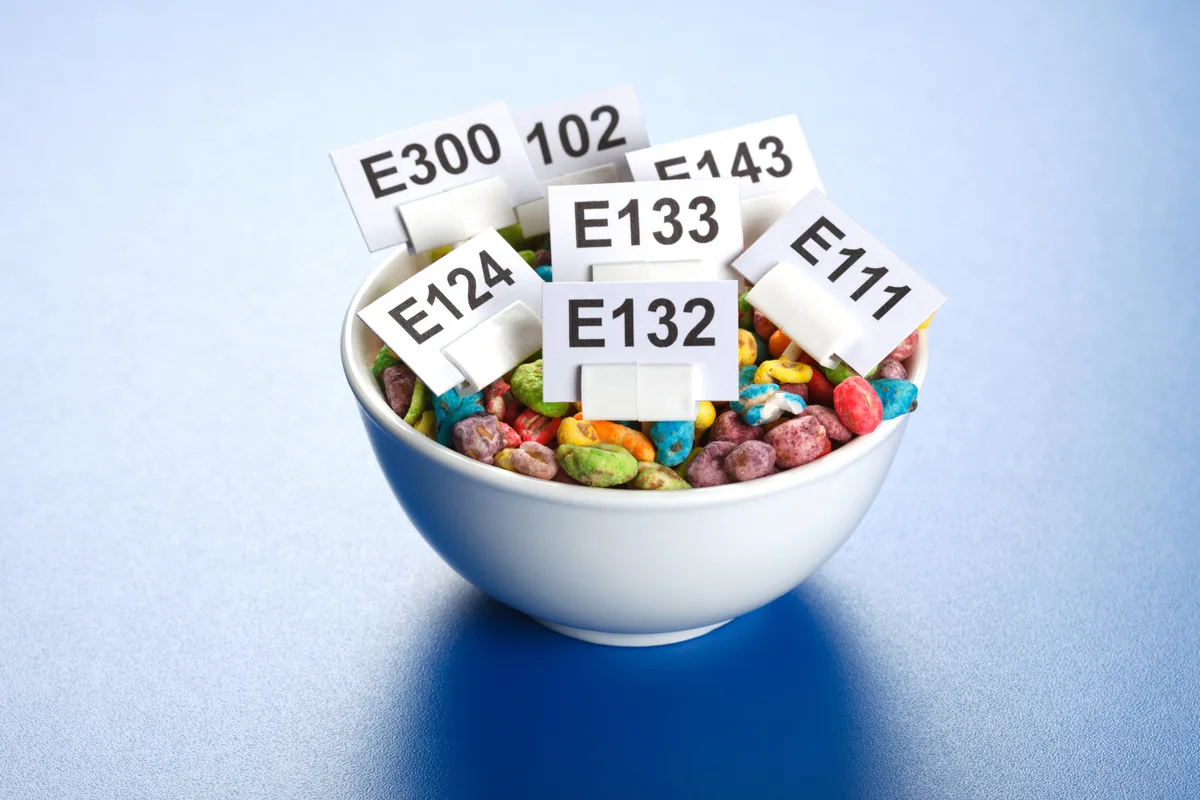
- Look for artificial colorings often listed by specific names rather than generic terms.
- Identify texture enhancers like gums or emulsifiers that change how a product feels in your mouth.
If an ingredient list reads more like a chemistry textbook than a pantry, choosing a simpler alternative is a reasonable approach.
Safe handling practices to avoid mold on bread and parasites in raw or undercooked seafood
Naturally occurring defects happen during harvesting, but you can control risks at home. Unlike firm berries, where you might discard only the visibly spoiled one, bread behaves differently. The microscopic roots of mold spread rapidly through soft, porous foods, so health guidance usually recommends discarding the entire loaf if any spot appears.
For seafood, parasitic cysts—small sacs containing immature parasites—are sometimes present inside fish. Thorough cooking neutralizes this risk, making questionable sources like unrefrigerated convenience-store sushi best avoided. Always wash hands and surfaces after handling raw items. If you have specific dietary concerns, consider speaking with a registered dietitian or a licensed healthcare provider.
Separating Genuine Risk From Sensationalism
Evaluating scientific evidence behind additive ratings rather than relying on fear-based claims
It is completely normal to feel uneasy when reading alarming headlines about what ends up on your plate. However, understanding these additives requires looking past sensational videos and evaluating the actual science. Health authorities generally advise that approved ingredients undergo thorough review before reaching store shelves.
When researching this topic, I try to focus on a few practical habits:
- Reading ingredient lists carefully to understand what you are buying
- Checking how foods are processed rather than assuming every unfamiliar term is harmful
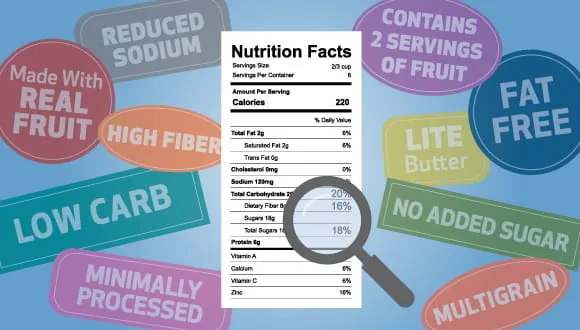
- Reading nutrition labels effectively to compare similar products side by side
Fear-based claims often ignore context. A substance might sound frightening in isolation but pose little concern at the levels typically found in everyday groceries.
Contextualizing trace contaminants within a balanced, everyday diet
Videos highlighting natural defects—like insect fragments in ground spices or unavoidable mold traces in harvested coffee beans—can understandably cause worry. Yet health authorities recognize that eliminating every microscopic trace from crops grown outdoors is practically impossible. These naturally occurring elements are monitored to ensure they remain well below levels that would threaten human health.
Think of it like washing garden vegetables: you rinse off visible soil, but the goal is reasonable cleanliness, not a sterile laboratory environment. Trace amounts of natural matter do not automatically make food dangerous. What matters most for long-term health and overall wellness is your total dietary pattern over time.
If specific food concerns cause ongoing stress, consider speaking with a registered dietitian or primary care provider for personalized guidance. This information is for general reference only and does not replace professional medical advice.
Before You Decide
It is completely normal to feel uneasy when scanning a long ingredient list at the grocery store. I spend time researching these topics because understanding this information helps me make calmer, more informed choices for my own kitchen, not because I am a doctor or nutrition expert. The bigger picture here is that our food environment will keep evolving, and learning how to read labels thoughtfully builds a habit that protects you over a lifetime.
Rather than fearing every unfamiliar word, focusing on overall dietary patterns—like eating mostly whole foods—tends to matter most in the long run. This information is for general reference only and does not replace professional medical advice. If you have a specific concern about how certain ingredients affect your body, consider speaking with a registered dietitian or an allergist.
References
- What's in Your Food: Food Additives Guide | WellnessPulse (wellnesspulse.com)
- The Safety of Food Additives (health.arizona.edu)
- CBC News In Depth: Food Safety (cbc.ca)