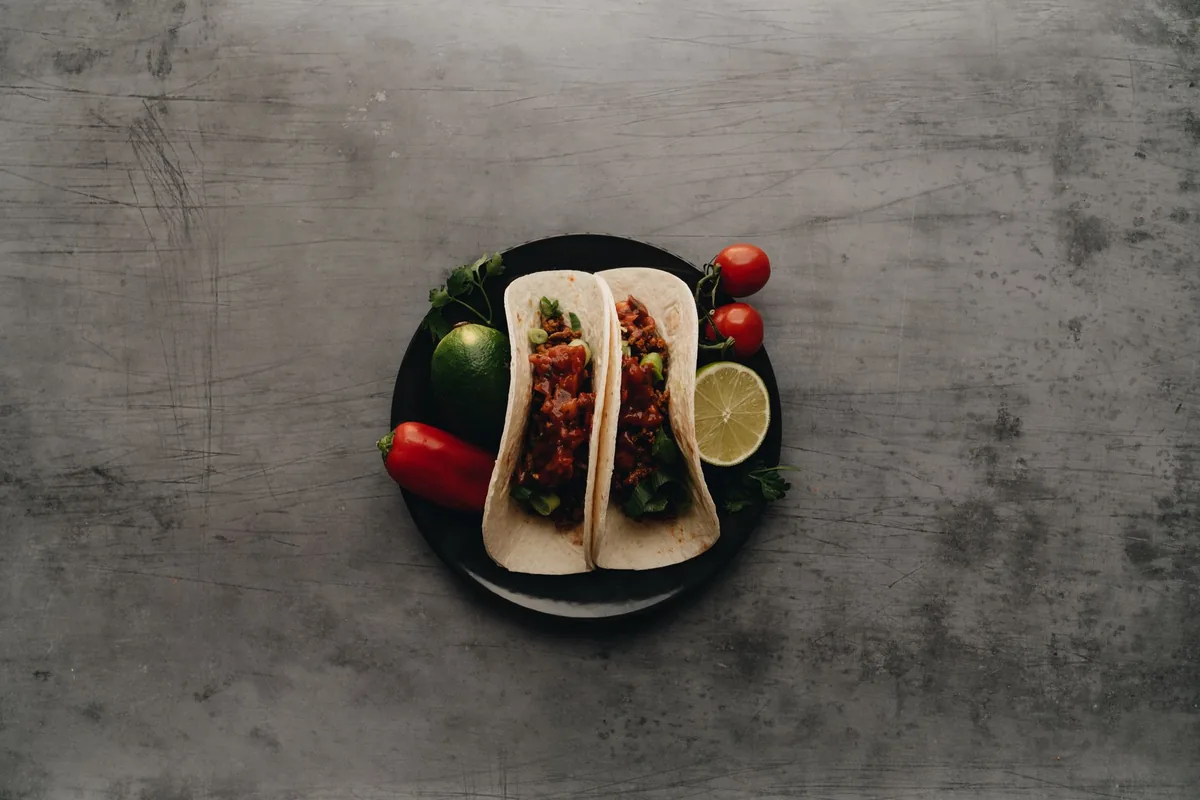
Craving fast food while trying to stick to your wellness goals can feel like a tricky balancing act, especially when you are short on time and options. It is completely normal to worry that grabbing a quick bite means sacrificing nutrition, but making smarter choices at popular chains is more achievable than it seems. By focusing on simple swaps and understanding what goes into your order, you can enjoy a satisfying meal without derailing your daily habits.
This guide breaks down how to navigate the menu with confidence, highlighting the best healthy meals from Taco Bell based on factors like fiber, protein, and reasonable calorie counts. We will look at practical ordering tips, such as requesting vegetable substitutions to reduce saturated fats, and discuss how to keep sodium levels in check. Remember, this information is for educational purposes to help you make informed decisions, and it does not replace personalized advice from a qualified healthcare professional or registered dietitian.
How This Healthy Taco Bell Meal Guide Was Built
Finding the best healthy meals from Taco Bell requires balancing taste with nutritional reality. This guide focuses on four key factors highlighted in our analysis: sodium, fiber, protein, and calories. The goal is not extreme restriction but reasonable choices that fit a balanced lifestyle. By prioritizing whole ingredients and minimizing preservatives, you can enjoy fast food without compromising your daily health habits. We examine how these elements interact to create meals that are calorically appropriate while still providing essential nutrients like protein and fiber.
The Four Factors: Sodium, Fiber, Protein, and Calories
- Sodium: Keep levels reasonable to avoid excessive salt intake.
- Fiber: Supports digestion and helps you feel full longer.
- Protein: Essential for muscle maintenance and satiety.
- Calories: Manage portion sizes to maintain energy balance.
Why Al Fresco-Style Ordering Matters
Customization is more impactful than chasing a perfect health label. Ordering Al Fresco style replaces high-fat ingredients like sour cream and cheese with fresh vegetables such as lettuce and tomatoes. This simple swap reduces saturated fat and calories significantly. For instance, a soft taco ordered this way becomes a lighter, protein-rich option. While kitchen errors may occur, requesting specific modifications empowers you to control your meal’s nutritional profile. Always verify your order, as consistency can vary. For personalized dietary advice, consider consulting a registered dietitian or nutrition specialist.
Best Healthy Meal #1: Al Fresco Soft Shell Taco With Chicken
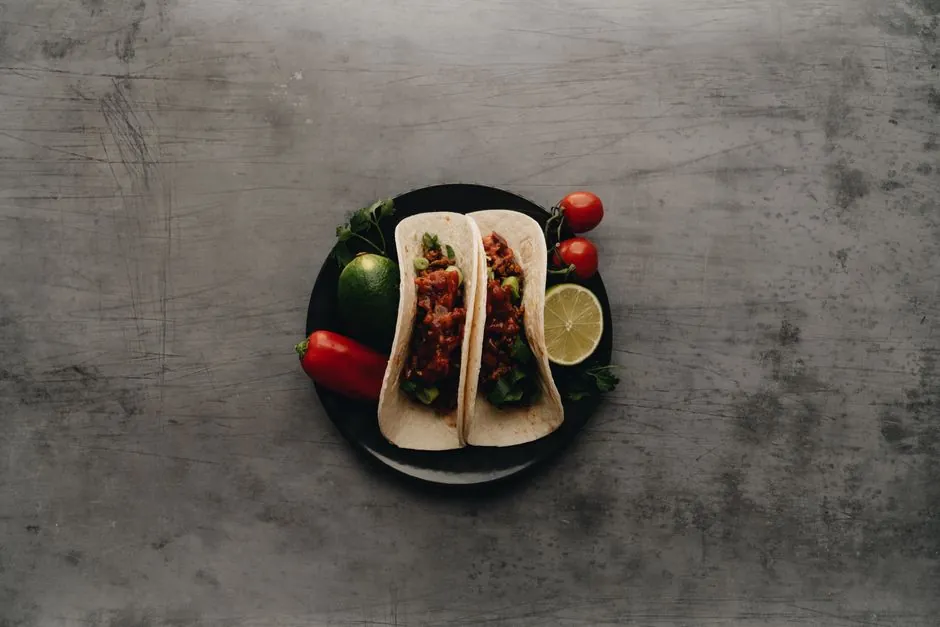
When searching for the best healthy meals from Taco Bell, this option frequently tops the list due to its balanced macronutrient profile. It stands out because it delivers approximately 150 calories per serving, making it a manageable choice for calorie-conscious individuals. The chicken provides essential protein, while the Al Fresco preparation significantly reduces fat content to just four grams, with only one gram being saturated fat. This modification replaces heavier ingredients like cheese and sour cream with fresh vegetables, offering a lighter alternative without sacrificing the core taco experience. It is a practical example of how small adjustments can create a more nutritious fast-food option.
Ordering caveat
While the nutritional benefits are clear, execution at the counter can vary. The video demonstration highlights a common issue: despite requesting the Al Fresco style, the order arrived with sour cream and cheese included. This discrepancy underscores the importance of verifying your food before eating. To ensure you receive the intended low-fat meal, consider these steps:
- Clearly state the Al Fresco modification when ordering.
- Visually inspect the taco upon receipt to confirm no dairy products are present.
- Politely request a remake if high-fat ingredients were accidentally added.
This vigilance helps maintain the integrity of one of the best healthy meals from Taco Bell. Always consult a qualified healthcare professional for personalized dietary advice.
Best Healthy Meal #2: Bean Burrito, Customized to Cut Sodium
When exploring this recipe, the bean burrito stands out for its nutritional profile. Beans provide substantial fiber and protein while remaining generally low in fat. However, it is important to understand how your body processes these nutrients. Research suggests that gut bacteria digest certain types of fiber that human enzymes cannot break down. This natural fermentation process can produce gas, which might cause temporary discomfort for some individuals. While this reaction is common and usually harmless, being aware of it helps set realistic expectations. Many people find that their digestive systems adapt over time, but listening to your body remains essential. If you have specific gastrointestinal concerns, consulting a healthcare professional is always a prudent step before making significant dietary changes.
Sodium fix: a traditional bean burrito can have 1,040 mg of sodium, so remove the red bean sauce and add tomatoes or onions instead
A standard bean burrito often contains approximately 1,040 milligrams of sodium, largely due to the red bean sauce. This amount represents a significant portion of daily recommended limits. To create one of these dishes, consider customizing your order by removing the sauce. Instead, ask for fresh toppings like diced tomatoes or onions. These additions enhance flavor and texture without spiking sodium levels. For more strategies on navigating fast-food menus, check our guide on reading nutrition labels. Practical tips include:
- Requesting no sauce to reduce sodium intake significantly
- Adding fresh vegetables for volume and nutrients
- Using hot sauce for flavor without extra salt
How to Judge Other Taco Bell Items With the Same Four Factors
Finding the method requires a strategic approach rather than guesswork. Start by examining the official nutrition facts for every item you consider. Focus your comparison on four critical metrics: sodium, fiber, protein, and total calories. This method helps you identify options that provide sustained energy without excessive preservatives or empty calories. For instance, while some items may seem light, they might lack sufficient protein to keep you full. By prioritizing whole ingredients and reasonable portion sizes, you can make informed choices that align with your daily health goals. Always verify current data online, as recipes and nutritional content can change over time.
Look up the nutrition facts for each item and compare sodium, fiber, protein, and calories before ordering
Use hot sauce to add flavor without extra salt, especially zero-calorie or zero-sodium options made with vinegar. Many standard sauces pack significant sodium, but vinegar-based alternatives offer a spicy kick without the health trade-off. This simple swap allows you to enjoy bold flavors while keeping your meal balanced. When searching for this version, remember that customization is key. Requesting fresh vegetables instead of high-fat toppings can further reduce calorie density. These small adjustments help create a satisfying dining experience that supports your well-being without sacrificing taste. If you have specific dietary concerns, consider speaking with a registered dietitian for personalized guidance.
How to Spot the Least Healthy Taco Bell Order
Using Core Nutrition Criteria to Identify Heavy Items
Finding this recipe requires understanding what makes an item less nutritious. The video highlights four critical factors: sodium levels, fiber content, protein quality, and total calories. Rather than labeling foods as strictly good or bad, focus on balance. High sodium can contribute to bloating, while adequate fiber supports digestion. Look for items that offer reasonable protein without excessive caloric density. This approach helps you make informed choices that align with your daily health goals, ensuring you enjoy your meal without compromising your well-being.
Avoiding Combinations of Creamy Sauces and Fried Shells
Be cautious with orders stacking creamy sauces, fried shells, and high-sodium red sauces. These combinations often spike saturated fat and sodium intake significantly. For a lighter option, consider the Al Fresco style, which replaces cheese and sour cream with fresh pico de gallo. Additionally, standard bean burritos can contain over half your daily sodium limit due to red sauce. Requesting no sauce and adding tomatoes instead reduces this load. To enhance flavor without extra salt, try zero-calorie hot sauces. By customizing your order, you can navigate the menu wisely and discover some of this dish available.
Symptoms That May Show Up After a Fast-Food Meal
It is natural to feel concerned when your body reacts unexpectedly to dining out. Understanding these signals helps you make informed choices, such as identifying the method that aligns with your wellness goals. While fast food can fit into a balanced lifestyle, being aware of common physical responses allows you to enjoy your meal with greater confidence and comfort.
Gas and bloating can happen after a bean burrito because fiber feeds gut bacteria, as described in the video
Beans are an excellent source of plant-based protein and fiber, but they can cause temporary digestive discomfort for some individuals. This occurs because certain fibers resist digestion in the small intestine and reach the colon, where resident gut bacteria ferment them. This natural biological process produces gas, which may lead to feelings of bloating or flatulence. It is not a sign of illness but rather evidence that your microbiome is active. To minimize this effect, consider starting with smaller portions or ensuring beans are well-cooked. Many people find that gradual exposure helps their system adjust over time. If you enjoy bean-based items, pairing them with gentle spices rather than heavy sauces can also support smoother digestion. Remember, this reaction varies widely among individuals, so listen to your own body’s unique signals.
High-sodium meals may leave you feeling puffy or thirsty, while high-fat and creamy items can feel heavy or upsetting to some people
Excess sodium often leads to water retention, causing a sensation of puffiness or unusual thirst shortly after eating. Similarly, dishes rich in saturated fats or creamy ingredients like sour cream may sit heavily in the stomach, potentially causing sluggishness or mild nausea. When searching for the best version, opting for modifications like removing cheese or choosing grilled proteins can reduce these effects. Practical tips include:
- Requesting fresh vegetables instead of heavy sauces to lower fat content.
- Drinking water throughout the meal to help manage sodium intake.
- Choosing grilled chicken options which are generally lighter than fried alternatives.
These small adjustments can significantly improve how you feel post-meal. If persistent digestive issues arise, consult a healthcare professional for personalized guidance.
When to See a Doctor: Red Flags After Eating
Even when you carefully select this recipe, your body may occasionally react unexpectedly. It is vital to distinguish between minor discomfort and serious medical issues. You should seek professional medical care if you experience severe or worsening abdominal pain that does not subside with rest. Persistent vomiting is another critical warning sign, as it can quickly lead to complications. Additionally, watch for blood in your stool, which requires immediate evaluation by a clinician. Signs of dehydration, such as extreme thirst, dry mouth, or dizziness, also warrant attention. These symptoms suggest your body is struggling to process food or fight an infection. Do not ignore these signals, hoping they will pass on their own. Prompt consultation ensures you receive appropriate support and prevents minor issues from escalating into more complex health challenges.
Get urgent help for difficulty breathing, swelling of the face or throat, or other signs of a severe allergic reaction
Sometimes, ingredients like hidden dairy or specific preservatives in seasoned meats can trigger sudden immune responses. If you notice difficulty breathing, this is a medical emergency requiring immediate action. Swelling of the face, lips, or throat indicates a potentially life-threatening allergic reaction known as anaphylaxis. Other signs include hives, rapid heartbeat, or a sudden drop in blood pressure. Even if you have eaten similar items before without issue, allergies can develop at any time. Do not wait to see if symptoms improve. Call emergency services right away if you suspect a severe reaction. While choosing this dish involves checking nutrition facts, it cannot guarantee safety for every individual. Always carry prescribed medication if you have known allergies, but remember that professional emergency care is essential for severe reactions.
Final Thoughts: Build a Better Taco Bell Order Without Chasing Perfection
Use the video’s approach: favor chicken, beans, vegetables, and hot sauce while watching sodium and calories
Finding the method does not require perfection, but rather smart substitutions. As highlighted in the video, prioritizing whole ingredients like grilled chicken and beans boosts protein and fiber while keeping saturated fat low. The "Al Fresco" style is a practical hack, replacing heavy dairy with fresh lettuce and tomatoes to reduce caloric density. However, be aware that execution varies; missing items or added sauces can change the nutritional profile significantly. To enhance flavor without spiking sodium, rely on vinegar-based hot sauces. These condiments add zest with minimal calories, helping you enjoy your meal without compromising your health goals. This balanced approach ensures you get reasonable nutrition from fast food.
Treat fast food as one meal in a broader pattern, and check your order before eating so customizations actually stick
Fast food should fit into a broader pattern of healthy daily habits, not define them entirely. Since kitchen errors are common, always inspect your order before eating. Verify that requested changes, such as removing red bean sauce to lower sodium, were actually made. If the meal looks incorrect, politely ask for a fix. This vigilance ensures your customizations stick and aligns with your nutritional intentions. Remember, occasional indulgences are part of a sustainable lifestyle. For personalized guidance on managing sodium intake or dietary restrictions, consider speaking with a registered dietitian or primary care provider. This content is for reference only and does not replace professional medical advice.
The Bottom Line
Navigating fast food menus can feel overwhelming when you are trying to maintain balanced eating habits without sacrificing convenience. By focusing on customizable options like fresco-style substitutions and grilled proteins, it is possible to identify versions that align with your nutritional goals. This approach allows you to enjoy a familiar dining experience while making choices that support your overall well-being, rather than feeling restricted by rigid dietary rules.
However, what works for one person may not suit another, as individual health needs, activity levels, and dietary restrictions vary significantly. These suggestions are based on general nutritional principles and menu information, which can change over time. If you have specific health concerns or conditions, such as diabetes or hypertension, please consult a qualified healthcare professional or a registered dietitian. For personalized guidance, consider speaking with a provider in nutrition or internal medicine to ensure your meal choices support your unique health journey.
References
- Taco Bell Healthiest Meals | TikTok (tiktok.com)
- Find and save ideas about healthiest meal at taco bell on Pinterest. (in.pinterest.com)
- Combos & Taco Bell Deals: Order Online for Pick Up or Delivery (tacobell.com)