Skipping breakfast because you were rushing out the door is something most people have done without a second thought. That brief window where your body runs on stored energy instead of a fresh meal is actually a mild, short-term stressor that human biology has adapted to handle for millennia. Intermittent fasting simply takes this natural rhythm and applies it intentionally, cycling between periods of eating and not eating rather than restricting specific foods.
The concept has gained attention because research suggests potential benefits ranging from improved mental sharpness to favorable shifts in hormones that support weight management. Yet the landscape can be confusing, with multiple schedules available and limited long-term data on how these patterns affect health over years rather than weeks. It is also worth noting that many proposed benefits have been demonstrated primarily in animal models or laboratory settings, which do not always translate directly to humans.
I am not a doctor or a nutritionist—just someone who spent time digging through the available information to separate promising science from popular hype. Below are seven practical things to understand before deciding if adjusting your eating schedule makes sense for your daily routine. Because individual needs vary widely, anyone considering a significant change to their diet should consult a licensed healthcare provider first.
What Intermittent Fasting Actually Is (And Why It Isn't Starvation)
Fact-checked. This content is for general reference only and does not replace professional medical advice.
How human bodies naturally cycle through fasting every day
The term intermittent fasting sounds like a modern trend, but research suggests humans have cycled through periods without food for millennia. Every night during sleep, the body naturally enters a fasting state. Many people practice this daily without realizing it—simply skipping breakfast during a busy morning is a basic form of it.
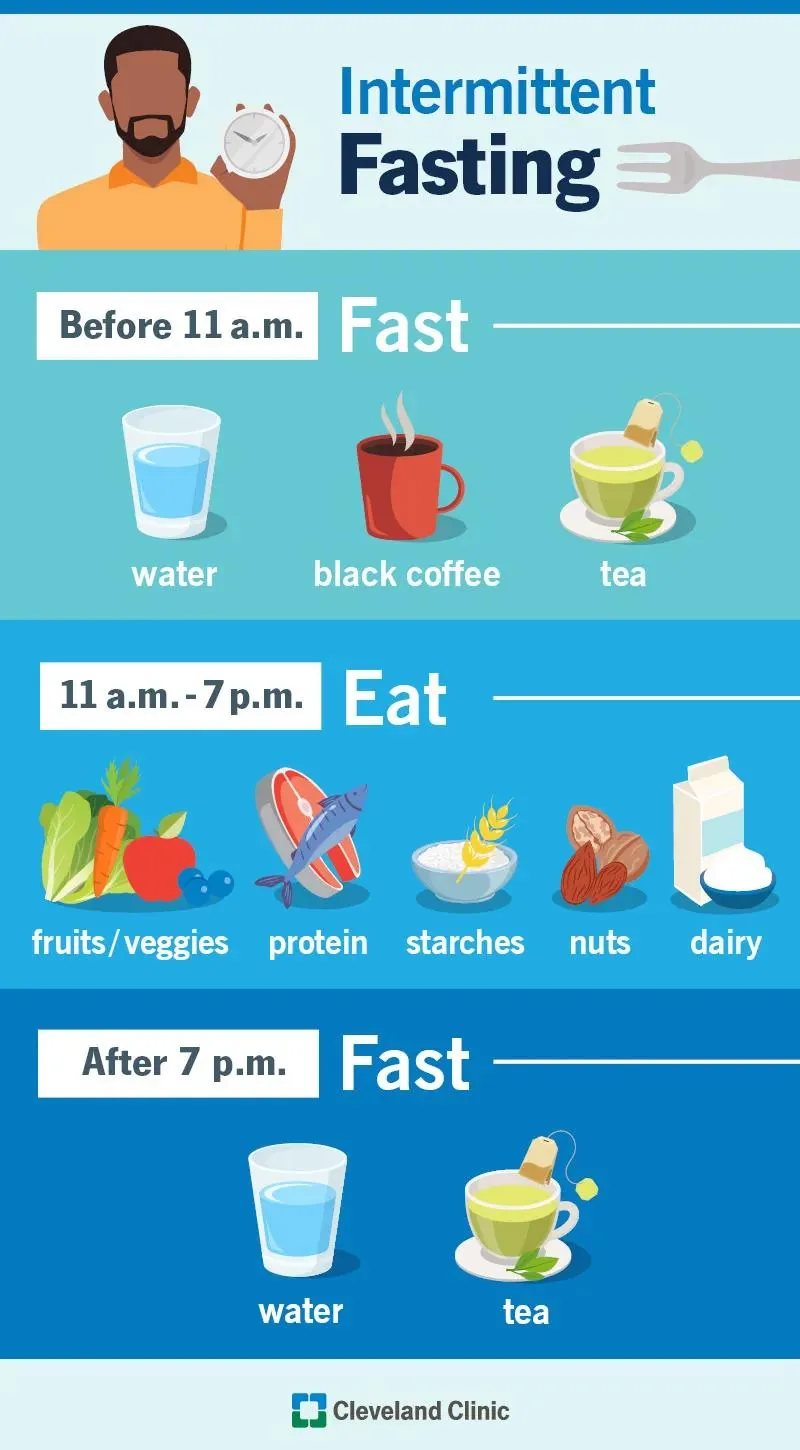
Human biology is well-adapted to handle stretches without constant eating. Common scheduling approaches include:
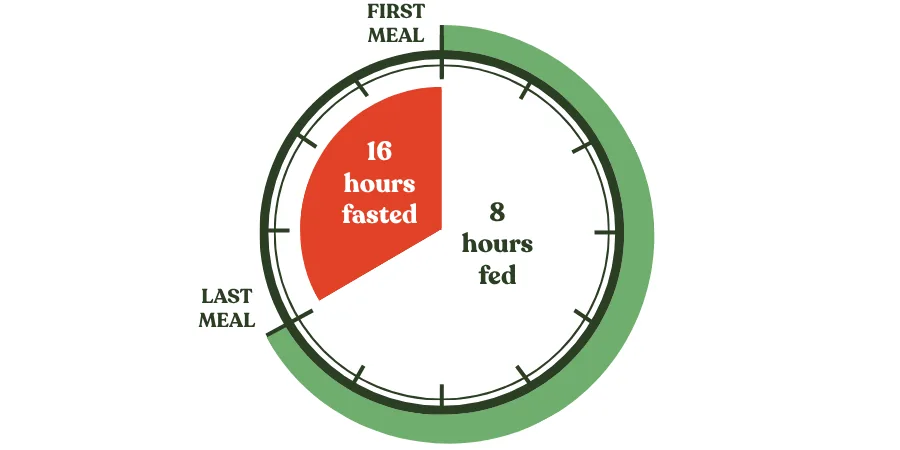
- Eating within an eight-hour window and pausing for sixteen hours
- Alternating between regular eating days and fasting days
- Limiting intake on two specific days each week
There is no single established rule dictating which schedule works best. Health authorities generally advise that anyone considering these patterns should discuss them with a licensed provider first, especially if managing an existing health condition.
The difference between using stored energy and breaking down vital tissue
A frequent concern is whether intermittent fasting amounts to starvation. The distinction lies in where the body gets its fuel. During a planned fast, the body relies on stored nutrients and energy reserves to keep functioning normally. Think of it like a hybrid car smoothly switching from gasoline to battery power—the engine keeps running efficiently without damage.
True starvation occurs only when those stored energy sources are completely exhausted, forcing the body to break down vital tissues, including organs, just to survive. Short-term fasting acts more like exercise: it introduces mild, temporary stress that may prompt beneficial cellular maintenance, such as clearing out waste. However, some individuals experience side effects like headaches or mental fog while adjusting.
Because long-term outcomes remain unclear, treating any fasting pattern as a rigid requirement isn't recommended. If you have questions about how nutrition timing might fit your lifestyle, consider speaking with a registered dietitian or primary care physician.

5 Common Intermittent Fasting Schedules Explained
Intermittent fasting simply means cycling between periods of eating and not eating. It is not a new idea—our bodies naturally fast while we sleep, and skipping a meal occasionally is something many people already do without realizing it. This practice differs from starvation because the body relies on stored energy rather than breaking down vital tissues.
Time-restricted eating like the 16/8 method
The most widely discussed schedule is the 16/8 method. A person eats all meals within an eight-hour window and fasts for the remaining sixteen hours. Think of it like closing a restaurant kitchen at night: the staff uses that downtime to clean up and restock. Similarly, research suggests fasting may encourage autophagy, a process where cells clear out waste.
Practical benefits often mentioned include:
- Potentially eating fewer total calories by shortening the day's eating window
- A possible increase in growth hormone and a decrease in insulin levels
- Mild, short-term stress on the body, much like how exercise acts as beneficial stress
However, some people experience headaches or mental fog during fasting hours. Because long-term effects are still being studied, health authorities generally advise keeping expectations realistic rather than treating any schedule as a guaranteed solution.
Alternate-day and 5:2 approaches
Beyond daily time limits, other common forms of intermittent fasting involve full-day patterns:
- Alternate-day fasting: eating normally one day, then fasting the next
- The 5:2 approach: eating regularly five days a week and fasting on two non-consecutive days
- Spontaneous meal skipping: simply missing breakfast when busy, which still counts as a brief fast
There is no single correct way to practice this. A major limitation across all methods is the lack of clear guidance on what or how much to eat during feeding windows. While promising lab models suggest potential benefits for mental sharpness and reducing inflammation, human data remains limited mostly to short-term observations.
If you have a specific concern about your nutrition or metabolic health, consider speaking with a registered dietitian or an endocrinologist.
Fact-checked. This content is for reference only and does not replace professional medical advice.

How Intermittent Fasting Affects Your Body and Weight
I am not a doctor or medical expert—just someone who has spent time researching this topic to understand how it works. This information is for reference only and does not replace professional medical advice.
Hormonal shifts including insulin, growth hormone, and norepinephrine
When you stop eating for a set period, your body adjusts its chemistry to keep functioning using stored energy rather than breaking down vital tissues. Research suggests this shift changes several key hormones:
- Insulin (the hormone that helps cells absorb sugar from the blood) tends to decrease during fasting periods.
- Growth hormone levels often rise, which may support how the body uses stored fat.
- Norepinephrine, a chemical messenger involved in alertness, can increase.
Think of it like exercise: physical activity is a short-term, mild stress on the body that ultimately triggers positive adaptations. Similarly, brief fasting acts as a mild stressor that prompts cellular cleanup processes and supports brain-protecting factors. However, long-term consequences remain unclear since most research covers shorter durations. If you have underlying health conditions, consider speaking with a licensed provider before changing your routine.
Why a shorter eating window often leads to fewer total calories
A common approach involves eating within an eight-hour window and fasting for sixteen hours. The logic is straightforward: having less available time to eat generally means consuming fewer meals overall. When someone skips breakfast or limits their eating to the afternoon, they naturally reduce their weekly calorie intake without necessarily counting every item.
Still, there are practical limitations to keep in mind:
- Guidance on exactly what foods to prioritize during eating windows is often lacking.
- There is no single agreed-upon method, making it difficult to determine which pattern suits different people best.
- Some individuals experience headaches, mental fog, or heartburn while adjusting.
In a society where constant snacking is the norm, occasionally skipping a meal might be helpful for many people. But rigidly following a strict schedule every day may not be necessary. Because individual responses vary widely, if you have specific concerns about weight management or nutrition, consider speaking with a registered dietitian or primary care physician.

Cellular Benefits Like Autophagy and Brain Protection
Acute Mild Stress as a Trigger for Cellular Cleanup
When exploring this method, it helps to understand how the body responds to short breaks from eating. Unlike chronic stress, which wears the body down over time, brief fasting acts as a form of acute, mild stress. Think of it like exercise: working out temporarily stresses your muscles, but afterward, your body repairs itself and grows stronger.
This temporary stress encourages a process called autophagy, which is essentially cellular cleanup. During autophagy, cells break down and remove damaged proteins or waste that accumulate over time. Research suggests this natural recycling supports overall cellular health. Fasting periods may also promote a more favorable hormonal environment by supporting increases in human growth hormone and norepinephrine.
- Autophagy: The removal of cellular waste and damaged components.
- Growth hormone: A hormone that supports tissue repair and metabolism.
- Norepinephrine: A chemical messenger involved in alertness and energy use.
Keep in mind that many of these mechanisms have been observed primarily in animal models or laboratory settings. Long-term outcomes in humans are still being studied, so anyone considering changes to their eating habits should consult a licensed healthcare provider first.
Neurotrophic Factors and Mitochondrial Support
Beyond cellular cleanup, this practice appears to support brain function. Brief fasting periods stimulate the production of neurotrophic factors. These are specialized proteins that help protect brain cells, support their survival, and encourage healthy neural connections. Many people who practice time-restricted eating report feeling sharper mentally during their fasting windows.
Fasting may also influence mitochondria, the tiny structures inside cells responsible for generating energy. By encouraging the creation of new mitochondria, the body can potentially maintain efficient energy production even when food intake is paused. This is different from starvation, where the body has exhausted its stored energy and begins breaking down vital tissues.
A practical tip for beginners: if you occasionally skip breakfast because of a busy morning, your body is already handling a mild fast naturally. However, potential side effects like headaches, mental fog, or heartburn can occur. Because research on long-term effects remains limited, treating fasting as an occasional habit rather than a rigid rule is generally a balanced approach. If you have specific concerns about nutrition or metabolic health, consider speaking with a registered dietitian or endocrinologist.

Signs Your Body Is Reacting to a Fasting Schedule
When exploring fasting, it helps to understand that the body naturally enters a fasting state during sleep. However, extending that window can produce noticeable reactions as your system adjusts to using stored energy.
Common side effects such as headaches, mental fog, and heartburn
Research suggests that fasting acts as a mild, short-term stressor on the body, much like exercise does. While this can eventually trigger beneficial processes—such as clearing out cellular waste or supporting brain health—the initial adjustment period often comes with discomfort.
People trying a new eating schedule frequently report several temporary issues:
- Headaches, which may occur as the body shifts its primary fuel sources.
- Mental fog, making concentration feel difficult until the body adapts.
- Heartburn, sometimes triggered by changes in when and how meals are consumed.
These reactions do not mean something is permanently wrong, but they signal that the body is working hard to adapt. Because long-term consequences of these schedules remain unclear, anyone experiencing persistent discomfort should consult a qualified healthcare professional before continuing.
Recognizing when cravings or fatigue become difficult to manage
A common challenge with fasting is managing hunger during the restricted hours. It is normal to feel hungry, but there is a meaningful difference between routine appetite and overwhelming cravings that disrupt daily life.
Practical signs that a fasting schedule might be too demanding include:
- Fatigue that interferes with basic tasks or work performance.
- Intense food cravings that feel impossible to resist.
- Irritability or mood changes that affect relationships.
Think of it like starting a new workout routine: some muscle soreness is expected, but sharp pain means you need to stop and reassess. If fasting days consistently leave you drained rather than energized, the approach may not suit your current needs. A licensed provider can help determine if adjusting your habits or exploring other healthy daily routines would be safer.
Limitations and Unknowns of Current Research
The lack of long-term human studies beyond short trials
While this method is a popular approach to eating, most available research has only tracked participants over short periods. This means we do not yet know whether the potential benefits—such as improved mental sharpness or favorable hormonal shifts—hold up over many years.
Think of it like starting a new exercise routine. You might feel energized during the first few weeks, but maintaining that intensity for a decade requires a different level of understanding. Similarly, while the body adapts well to brief fasting windows, the consequences of following this pattern for one, two, or ten years remain unclear. Key unknowns include:
- Long-term sustainability: Whether people can comfortably maintain restricted eating windows without increased cravings over time.
- Disease prevention: How extended fasting patterns influence chronic health conditions across a full lifespan.
- Optimal methods: Which specific fasting schedule offers the safest balance of benefits and drawbacks.
Because these gaps exist, treating this approach as a rigid, lifelong rule may be premature. If you have underlying health conditions, consulting a licensed provider before making major dietary changes is always recommended.
Missing guidance on what and how much to eat during feeding windows
A significant limitation in current discussions around this practice is the lack of clear direction regarding nutrition during eating periods. Restricting when you eat does not automatically improve your diet if the foods chosen during your feeding window are highly processed or lack essential nutrients.
Currently, clinical guidance usually says very little about the exact composition of meals during non-fasting hours. Without structured advice, individuals are left guessing about practical details, such as:
- Total caloric needs: How much energy your body actually requires during a shortened eating window.
- Macronutrient balance: The ideal ratio of proteins, fats, and carbohydrates to support daily function.
- Food quality: Which whole foods best support cellular repair processes like autophagy (the removal of cellular waste).
As a practical tip, someone who fasts for sixteen hours but fills their eight-hour eating window with heavily refined snacks will likely see fewer benefits than someone focusing on whole, nutrient-dense foods. Since individual needs vary widely based on activity level and overall health, working with a registered dietitian can help clarify what to prioritize on your plate.
When to See a Doctor Before Trying Intermittent Fasting
Red flags that indicate fasting may be unsafe for you
While intermittent fasting is generally well-tolerated, it introduces mild, short-term stress on the body. Just as exercise stresses muscles to build strength, fasting prompts metabolic changes. However, this acute stress can cause side effects like headaches, mental fog, or heartburn. For most people, these are temporary, but certain warning signs mean you should pause and consult a healthcare professional.
Clinical guidance usually suggests seeking medical advice before starting if you notice:
- Persistent dizziness or feeling faint during fasting windows
- Unexplained changes in your regular energy levels or mood
- A history of disordered eating patterns or difficulty managing intense food cravings
Because long-term consequences remain unclear—most research covers only short periods—it is wise to discuss your plans with a licensed provider, especially if you take daily medications. You might also want to review healthy daily habits to support your routine safely.
Who should avoid rigid fasting schedules entirely
The video above highlights popular methods, such as fasting for 16 hours and eating for eight, or restricting calories two days a week. While flexible approaches like occasionally skipping breakfast align with how humans have eaten for millennia, strict regimens are not suitable for everyone. Health authorities generally advise that certain groups should avoid rigid fasting schedules altogether.
People who typically need to steer clear of structured fasting include:
- Pregnant or breastfeeding individuals, due to increased nutritional demands
- Those managing conditions requiring consistent nutrient intake, such as a person with diabetes using blood-sugar-lowering medication
- Children and adolescents whose bodies are still developing
Rather than adopting a rigid protocol without knowing what or how much to eat during feeding windows, focus on overall dietary quality. If you have a specific concern about whether fasting fits your lifestyle, consider speaking with an endocrinologist or a registered dietitian.
Fact-checked. This content is for reference only and does not replace professional medical advice.
Conclusion
The method is a structured eating pattern that works well for some people, but it isn’t a universal solution. Research suggests the benefits depend heavily on a person’s overall lifestyle, existing health conditions, and daily schedule. What feels sustainable for one individual might be unnecessarily stressful for another, especially for those managing specific medical needs or taking regular medications.
Because I’m simply someone who researches and summarizes health topics rather than a licensed provider, I can only offer general information to help you prepare. Whether this approach fits your life depends entirely on your unique situation. If you have a specific concern about changing your eating habits, consider speaking with a registered dietitian or an endocrinologist.
References
- Intermittent fasting (en.wikipedia.org)
- Intermittent fasting (grokipedia.com)
- Intermittent Fasting: What Is It, And How... | Johns Hopkins Medicine (hopkinsmedicine.org)