Skipping breakfast because you were rushing out the door is something most of us have done without a second thought. Yet, that simple delay in eating is actually a basic form of intermittent fasting—a practice our bodies are naturally equipped to handle, since we fast every time we sleep. Unlike starvation, where the body runs out of stored energy and begins breaking down vital tissues, intentional fasting periods allow the body to rely on its existing nutrient reserves to keep functioning normally.
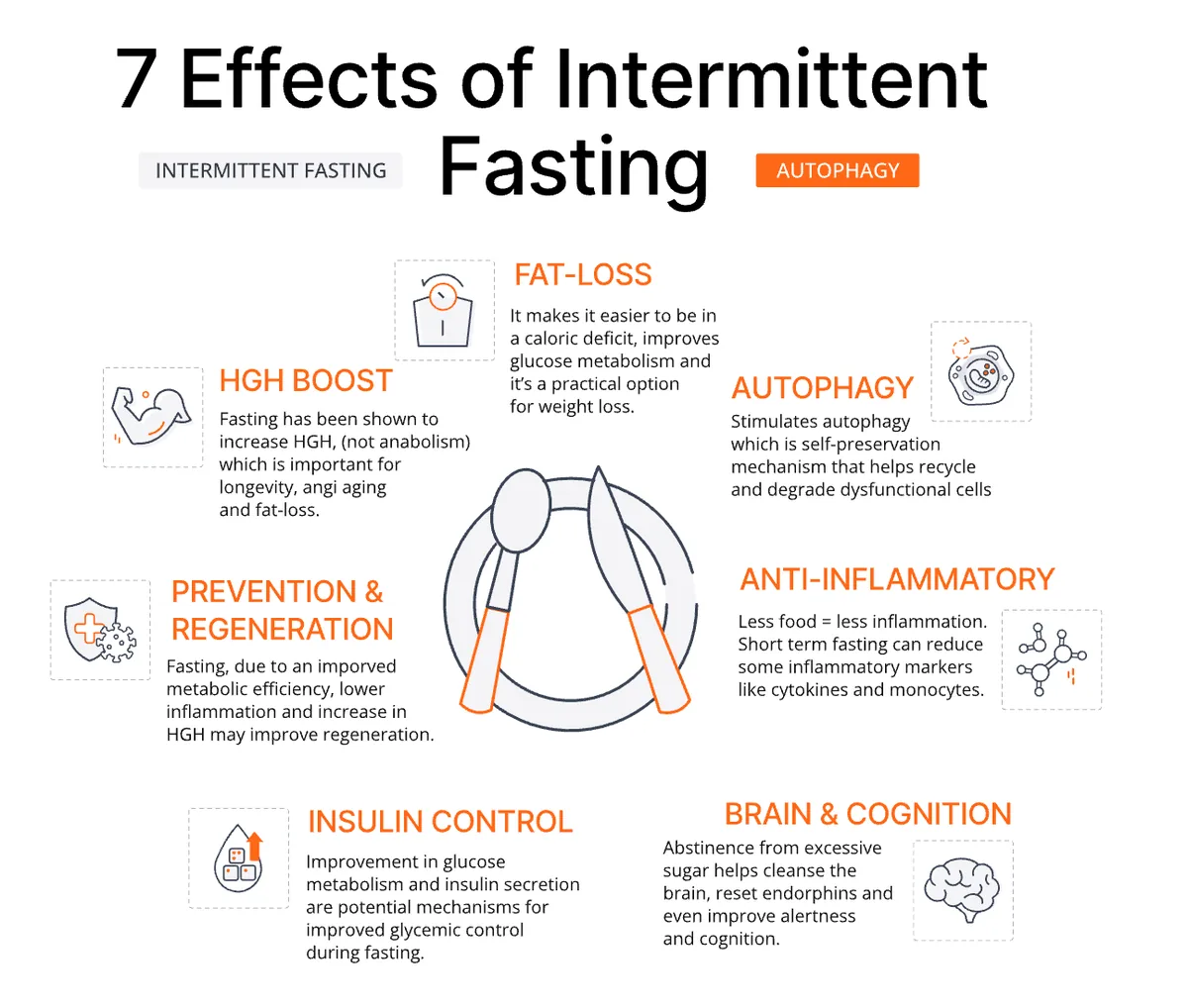
As I researched the growing interest in this approach, it became clear that understanding the benefits and risks of intermittent fasting requires looking past the hype. Research suggests potential advantages such as improved mental sharpness, favorable shifts in certain hormones, reduced inflammation, and support for weight management, partly because limiting your eating window often leads to consuming fewer calories overall. However, there are real limitations: clinical guidance on exactly what or how much to eat during feeding windows remains unclear, short-term side effects like headaches or heartburn can occur, and the long-term consequences of rigid fasting schedules are not yet fully understood.
This article breaks down what current science indicates about different fasting methods, from shorter daily windows to alternating full days, so you can weigh the possibilities honestly. Because nutritional needs vary widely, anyone considering a significant change to their eating habits should consult a qualified healthcare professional first. If you have specific concerns about how fasting might fit into your routine, consider speaking with a registered dietitian or a primary care provider.
What intermittent fasting actually is and how it differs from starvation
A historical practice our bodies are already adapted to through daily sleep cycles
Humans have practiced periods without food for millennia. In fact, intermittent fasting is largely a modern term for something our bodies naturally do every night during sleep. Skipping breakfast occasionally because of a busy morning is a common real-world example. When exploring intermittent fasting benefits and risks, remember that human biology is built to handle temporary breaks from eating.
How the body uses stored energy during fasting versus breaking down vital tissues during starvation
Fasting and starvation are not the same thing. During a planned fast, the body relies on stored nutrients and energy reserves to keep functioning normally. Starvation happens only when those reserves run out completely, forcing the body to break down vital organs for fuel.
Think of it like exercise: short-term fasting acts as mild, acute stress that may support healthy cellular cleanup, similar to how physical activity strengthens muscles over time. Common approaches include:
- Eating within an eight-hour window each day
- Alternating eating and fasting days
- Restricting intake on two specific days per week
Because research suggests long-term effects remain unclear and side effects like headaches or heartburn can occur, anyone considering this habit should consult a qualified healthcare professional first. This content is for reference only and does not replace professional medical advice. If you have a specific concern about nutrition, consider speaking with a registered dietitian.

Common methods of scheduling your fasting windows
When exploring intermittent fasting benefits and risks, understanding how people schedule their eating periods is a practical first step. Human bodies naturally enter a fasting state during sleep, so structured fasting simply extends that window.
The 16/8 approach, alternate-day fasting, and the 5:2 weekly schedule
There is no single correct way to fast. Research suggests several common patterns:
- The 16/8 method: Eating all meals within an eight-hour window and fasting for the remaining sixteen hours each day.
- Alternate-day fasting: Alternating between regular eating days and full fasting days.
- The 5:2 schedule: Eating normally for five days a week while restricting intake on two non-consecutive days.
Think of these like different workout routines; what fits one person's lifestyle might feel overly rigid for another. A licensed provider can help determine if any approach suits your health needs.
Why having multiple methods makes clinical research difficult to standardize
This variety creates a real challenge for researchers. Because there are so many ways to practice intermittent fasting, scientists must test each protocol individually to understand its true effects. This lack of uniformity makes it harder to draw broad conclusions about long-term outcomes or compare findings across studies.
Additionally, most available evidence focuses on short-term results rather than years of follow-up. Without standardized methods and extended observation, evaluating the full picture of intermittent fasting benefits and risks remains an ongoing effort. If you have specific dietary concerns, consider speaking with a registered dietitian or endocrinologist.

How intermittent fasting supports weight loss and metabolic changes
When exploring intermittent fasting, understanding how the body responds during eating breaks is essential. This information is for reference only and does not replace professional medical advice.
Hormonal shifts including increased growth hormone and decreased insulin levels
Research suggests that fasting periods trigger helpful hormonal adjustments. Think of it like exercise: a short, mild stressor that prompts the body to adapt positively. During fasting windows, two notable shifts typically occur:
- Insulin levels drop, making stored energy easier for the body to access.
- Growth hormone increases, which helps preserve muscle tissue.
- The body may also release more norepinephrine to maintain alertness.
Together, these changes create an environment where burning stored fat becomes more efficient. However, long-term consequences remain unclear since most research covers shorter durations. If you have specific concerns, consider speaking with an endocrinologist or registered dietitian.
Naturally consuming fewer calories by restricting your eating window
Beyond hormones, a straightforward reason this approach supports weight management involves simple math. Limiting when you eat often means fewer opportunities to consume food throughout the week. For example, someone following a common pattern of eating within eight hours and fasting for sixteen usually skips a meal like breakfast entirely.
Over several days, this naturally reduces overall calorie intake compared to grazing across a full waking day. It is not starvation; the body uses stored nutrients to keep functioning normally. Still, fasting can cause headaches or mental fog for some people, so paying attention to how you feel matters.

Broader health advantages beyond the scale
When exploring this dish, it helps to look past weight changes. Research suggests this eating pattern may support cellular maintenance and metabolic balance.
Acute mild stress as a positive trigger, similar to exercise, for cellular cleanup and brain protection
Fasting acts like a short, manageable challenge for the body, much like a workout temporarily stresses muscles to make them stronger. This brief, mild stress can encourage autophagy, the natural process where cells clear out damaged parts and waste.
It also appears to boost the production of protective proteins that support brain function. Think of it as routine maintenance: just as you might restart a sluggish computer to clear temporary files, occasional fasting gives cells a chance to refresh. However, long-term effects remain unclear, so flexibility matters more than rigid rules.
Improvements in inflammation markers and overall hormonal balance
Beyond cellular repair, adjusting meal timing may positively influence how the body manages daily functions. General research points to several potential shifts:
- Reductions in chronic inflammation, which is linked to many everyday discomforts
- A more favorable hormonal profile, including shifts in growth hormone and insulin levels
- Increased production of norepinephrine, supporting alertness
Because individual responses vary and some people experience headaches or heartburn, discussing any new eating pattern with a licensed healthcare professional is always a good idea before starting.

Recognizing symptoms and side effects while fasting
Understanding the method means paying attention to how your body responds. Fasting acts as a mild, short-term stressor—similar to exercise—but it is not always perfectly comfortable.
Physical signs like headaches, heartburn, and mental fog during fasting periods
Research suggests some people experience temporary discomfort when adjusting to eating windows. Common physical signs include:
- Headaches, often linked to changes in hydration or routine
- Heartburn or general stomach upset
- Mental fog, making concentration feel difficult at first
These effects are typically short-lived as the body adapts. Staying hydrated during fasting hours can help ease these transitions. If symptoms persist, a licensed healthcare provider can offer personalized guidance.
Distinguishing normal hunger cues from adverse reactions your body may present
It helps to separate ordinary hunger from warning signs. Normal hunger comes in waves, much like noticing you skipped breakfast during a busy workday, and usually settles once you eat again. Adverse reactions feel different. Watch for:
- Persistent dizziness or feeling faint
- Extreme weakness that limits daily movement
- Intense cravings that feel impossible to manage
While exploring this approach, remember that long-term safety data remains limited. Always discuss new dietary habits with a qualified professional. If you have specific concerns about nutrition or metabolic health, consider speaking with a registered dietitian or primary care physician.
Key limitations and unknowns in the current research
When exploring this topic, it helps to remember that the science is still evolving. I am one person researching this topic, not a doctor, so please treat this as general information.
The lack of specific dietary guidance on what or how much to eat during feeding windows
A major gap in the evidence is the absence of clear instructions about meals during eating periods. Research suggests uncertainty around several practical details:
- Total calories needed during the feeding window remain undefined.
- Food quality guidelines are largely missing from study protocols.
- Which fasting schedule works best has no single established answer.
Think of it like receiving a workout plan without knowing which exercises to perform. Without direction, someone might fill their eating window with highly processed foods, potentially canceling out positive effects. A licensed provider can help tailor an approach to your daily habits.
Uncertainty surrounding long-term consequences since most studies only cover short durations
Another important consideration is time. Nearly all available research examines short-term outcomes, leaving the multi-year picture unclear. It remains unknown whether early advantages persist over extended periods. Additionally, some people experience temporary side effects like headaches, mental fog, or heartburn while adapting to fasting days. Resisting cravings can also be genuinely difficult for many.
Because long-term safety data is limited, treating any fasting method as a permanent lifestyle change carries unknowns. If you have questions about nutrition strategies or this approach, consider speaking with a registered dietitian or primary care physician. This content is for reference only and does not replace professional medical advice. Fact-checked.
When to see a doctor before or during intermittent fasting
Understanding the method means knowing when to pause. Fasting is a mild, short-term stressor—much like exercise—but it can occasionally push the body too far.
Red flags such as severe dizziness, persistent pain, or extreme fatigue that require medical evaluation
Minor side effects like headaches, heartburn, or mental fog are relatively common when adjusting to a new eating schedule. However, certain warning signs suggest you should stop fasting and consult a licensed healthcare professional:
- Severe dizziness or feeling faint that does not improve after drinking water
- Persistent pain, particularly in the stomach or chest
- Extreme fatigue that interferes with basic daily tasks
Think of these signals like a car’s dashboard warning light: they indicate something needs attention before you continue safely.
Populations who should avoid fasting entirely due to increased nutrient demands or underlying conditions
Clinical guidance generally advises that several groups skip fasting routines altogether because their bodies have higher nutritional requirements or face additional metabolic challenges:
- Pregnant or breastfeeding individuals, who need consistent nourishment for development
- People managing diabetes or taking medications that regulate blood sugar
- Those with a history of eating disorders
Because long-term safety data remains limited, balancing potential rewards with caution is essential. For practical tips on reading food labels during your eating window, explore our guide to understanding nutrition labels.
Fact-checked. This content is for reference only and does not replace professional medical advice. If you have a specific concern about fasting, consider speaking with a registered dietitian or primary care provider.
Final Thoughts
After spending time researching this version, it is clear that this eating pattern is not a one-size-fits-all solution. Current science suggests it may support certain metabolic markers for some people, while posing challenges like fatigue or nutrient gaps for others. Because I am simply an individual summarizing available information rather than a medical professional, I encourage you to treat these findings as a starting point for your own learning.
Whether adjusting your meal timing makes sense depends entirely on your daily routine, health history, and personal goals. What supports one person’s energy levels might disrupt another’s sleep or digestion. If you have a specific concern about changing how or when you eat, consider speaking with a registered dietitian or primary care provider before making significant adjustments.
References
- Intermittent Fasting Benefits and Risks (afcfitness.com)
- Intermittent Fasting: What Is It, And How... | Johns Hopkins Medicine (hopkinsmedicine.org)
- Intermittent Fasting Benefits, Risks & Diet Plan in Pakistan (himalayanchef.pk)