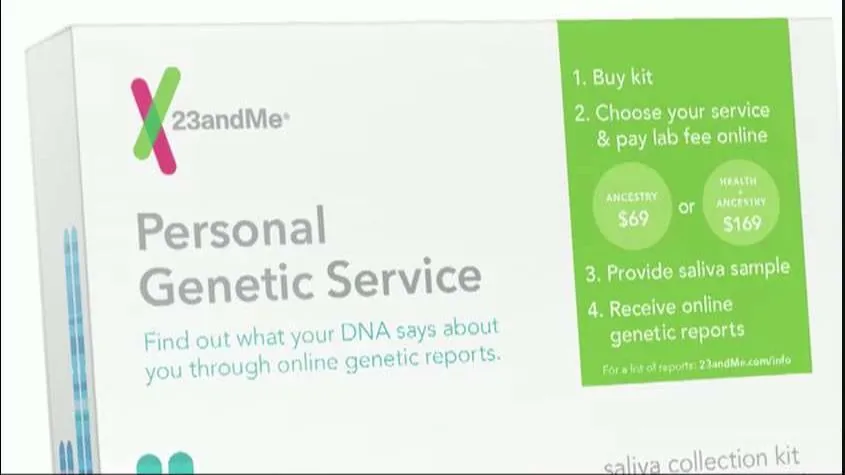
A spit-in-a-tube DNA kit sounds like a harmless curiosity: a few weeks of waiting, and you get a colorful report about where your ancestors came from and what your genes say about you. But as more companies in the consumer genetics space have stumbled — through regulatory disputes, data breaches, and health claims that don't hold up to scrutiny — a lot of people are realizing that mailing off your DNA comes with questions worth asking first. Understanding the main risks of home genetic testing is the difference between an interesting ancestry snapshot and a decision you may regret.
The core issues fall into a few buckets. First, the science and marketing often don't match: health-related results from direct-to-consumer kits may only cover a fraction of the genetic variants a medical-grade test would screen for, and some findings — like an elevated risk marker for a disease with no clear preventive action — can create anxiety without offering anything you can actually do about it. Regulators have previously raised concerns that consumers might treat these reports as clinically valid when they aren't a substitute for proper genetic counseling. Second, there's privacy: because these companies generally aren't healthcare providers, your genetic data isn't covered by the same health-privacy protections as information held by hospitals or insurers, and sharing policies can change over time. A large breach at one major company showed how exposing one person's account can effectively expose information about their entire biological family.
In the article below — which pairs with the video on this page — you'll get a clear, balanced breakdown of what these kits can and can't tell you, the privacy and accuracy concerns researchers and consumer advocates have raised, and when a conversation with a doctor or genetic specialist makes more sense than ordering a kit. I've researched this carefully as a writer, not a clinician, so treat it as a starting point for your own decisions. If a specific genetic concern is on your mind, speaking with a genetics specialist or your primary care provider is the safest first step, and our provider directory can help you find one.
Why Home Genetic Testing Raises Red Flags
Home DNA kits look simple — spit in a tube, mail it, get a report. But when I researched this topic carefully, the same home genetic testing risks kept coming up: health insights that don't hold up to scientific scrutiny, and privacy practices that surprise people after the fact. This section summarizes what the embedded video covers, plus what's generally known about the industry.
The gap between marketing promises and scientific reality
Direct-to-consumer kits were built around ancestry reporting. Over time, many companies pivoted to health risk insights — a far bigger market. The catch is that these reports often don't translate into anything you can actually act on. Knowing a "low risk" score for a condition like type 2 diabetes doesn't tell you anything a healthy lifestyle doesn't already cover; a "high risk" score for a disease with no preventive action can simply create lasting anxiety.
There's also a coverage problem. A home kit may not test all the gene mutations and sequences a clinical-grade test would, so a reassuring result isn't proof that a hereditary condition has been ruled out. Health authorities have previously restricted these kits from offering health predictions precisely because the results could mislead consumers. Key limitations to keep in mind:
- Reports are not a substitute for genetic counseling or medical-grade testing.
- Results may be incomplete, covering only a fraction of relevant variants.
- Marketing is persuasive — disclaimers exist, but many people take results seriously anyway.
Why a doctor walked away from promoting these tests
The video's creator, a physician, describes being invited to partner with a major testing company. Mid-project, the focus shifted from ancestry to health insights, and he was asked to promote them. When he examined the sample reports, he found the insights incomplete or inactionable, and the cancer-related testing especially misleading — it looked like a way to rule out hereditary cancers but wasn't. He walked away from the deal and has warned patients and family members ever since.
The company in question, once a high-valued industry leader, later faced board resignations, major layoffs, and a massive data breach in which attackers accessed genetic and family-tree data of millions of users, targeting some ancestry groups specifically and selling the information. Because these companies aren't healthcare organizations, HIPAA protections don't apply to your genetic data, and sharing policies can change. A practical tip: if hereditary disease genuinely worries you, a conversation with a doctor or genetic counselor comes first — the test is optional, the counseling isn't.
This content is for general reference only and is not medical advice. If you have a specific concern about inherited health risks, consider speaking with a genetics or primary care provider.

What These Tests Actually Measure (and What They Miss)
Home DNA kits analyze a sample of your saliva and compare it against known genetic markers. That sounds straightforward, but understanding home genetic testing risks starts with knowing how narrow that snapshot really is. These consumer kits scan only a small selection of your genome, and the reports they generate range from genuinely useful to essentially recreational.
Ancestry reports vs. actionable health information
Ancestry estimates are the core product most people buy, and that's what these companies do best. Health "insights" are a different story. A report might tell you that you have a lower or higher statistical tendency toward a condition like type 2 diabetes, but that number doesn't translate into a plan. You can't "un-risk" Alzheimer's, and knowing you're low-risk for diabetes doesn't make unhealthy habits harmless. The practical takeaway: lifestyle guidance from a healthcare provider beats a probability score from a tube of spit.
Why partial gene screening can't rule out hereditary disease
This is one of the most misunderstood home genetic testing risks. Consumer kits check a limited set of variants, not your entire genetic code. Think of it like airport security screening only some passengers — a clear result doesn't mean nothing was missed. If someone is worried about a hereditary cancer or heart condition, a negative consumer result could create false reassurance, while a truly reassuring answer requires comprehensive testing ordered through a specialist. Before making any decision based on a kit result, it's worth reviewing it with a qualified professional.
- What they measure well: ancestry composition and some inherited traits.
- What they miss: most rare and many common disease-linked variants.
- What they can't replace: medical-grade testing and genetic counseling.
If a result worries you, don't sit with that anxiety alone — consider speaking with a genetics provider. This content is for reference only and does not replace professional medical advice.
When a Result Can Harm Instead of Help
This recipe goes beyond privacy and accuracy — sometimes the real damage is psychological. The video that accompanies this article describes how marketing makes these reports feel like medical diagnoses, even when the fine print says otherwise. Two patterns stand out: anxiety you can't act on, and false reassurance you didn't earn.
Anxiety over 'high risk' findings you can't act on
Some kits report an elevated risk for conditions like Alzheimer's disease, where current evidence offers no proven prevention strategy. As the video puts it, you can be left "forever scarred" with worrying news that has no corresponding action. Health authorities and consumer advocacy groups have long cautioned that consumers may misread these results as clinically valid predictions rather than rough probabilistic estimates.
A few points worth remembering before you open that report:
- Consumer panels don't test everything. A "high risk" flag may reflect only a handful of common variants, missing most of the genetic picture a clinical-grade test would cover.
- Risk is not destiny. These reports describe statistical likelihoods influenced by lifestyle and environment, not a diagnosis.
- Some findings are genuinely inactionable. Knowing a number you cannot change may only add stress.
False reassurance from 'low risk' results
The opposite problem is just as real. A "low risk" result for a condition like type 2 diabetes can quietly suggest you don't need to bother with healthy habits — even though lifestyle factors matter enormously regardless of your genetics. The video makes this point wryly: does a low-risk score mean you should eat worse?
These direct-to-consumer panels were never designed to replace proper testing or a visit with a genetics specialist. If you have a genuine concern about a hereditary condition — a family history of cancer, for instance — the sensible first step is a conversation with a qualified healthcare professional, not a mail-order tube. A licensed provider can order clinically validated testing and arrange genetic counseling if appropriate.
Disclaimer: This content is for general reference only and does not replace professional medical advice. If a result has left you worried, consider speaking with a specialty provider such as a genetic counselor or medical geneticist through our provider directory.

The FDA's History of Warning Consumers
As a researcher rather than a medical professional, I've spent time digging into the history of this field, and one thing stands out: regulators have long been cautious about these kits. Health authorities generally advise treating direct-to-consumer DNA reports as informational, not diagnostic — and there's a regulatory backstory worth understanding before you spit into a tube.
Why regulators once blocked health reports from at-home kits
Early in the industry's growth, the FDA restricted a major genetic testing company from selling kits that included health risk reports. The concern was twofold: the company hadn't demonstrated that its disease risk predictions were clinically reliable, and consumers might misinterpret complex results on their own — potentially making medical decisions based on incomplete information. Later, regulators allowed health reports to return, reasoning that clearer disclaimers would signal the results were informational rather than clinical. A practical way to think about it: an at-home kit is closer to a fun, filtered snapshot than the full medical-grade workup a geneticist would order.
How disclaimers fail to change what people believe
Here's the catch: strong marketing can outweigh fine print. Many people still treat their results as definitive, even when the packaging says otherwise. Some of the key issues include:
- Incomplete screening — consumer kits check only a fraction of possible mutations, so a "no risk found" result isn't a true rule-out.
- Actionability gaps — some reports offer reassurance or anxiety without any meaningful next step.
- Privacy exposure — these companies aren't covered by HIPAA the way hospitals are, and a large data breach exposed profile and ancestry data for millions of users.
If a serious hereditary condition concerns you, a conversation with a qualified healthcare provider or genetic counselor is a better starting point than a mail-order kit. For related everyday wellness topics, see how to use at-home health monitoring devices safely.
This content is for reference only and does not replace professional medical advice. If a specific concern arises, consider speaking with a genetics or primary care provider.
Privacy Risks: Who Really Owns Your DNA?
One of the most overlooked risks isn't medical at all — it's what happens to your DNA data after you mail the tube. When you submit a sample, you're also handing over what is arguably the most personal dataset that exists about you and, by extension, your relatives. Companies like 23andMe are consumer businesses, not healthcare providers, which changes how your information is protected.
The 23andMe data breach and what was exposed
A major reminder came when hackers accessed the genetic and profile data of millions of 23andMe customers. According to reporting on the incident, attackers didn't break the company's defenses directly — they logged into individual accounts using usernames and passwords reused from other previously hacked websites, a technique known as credential stuffing.
Once inside, thieves pulled family-tree information through the DNA Relatives feature, which automatically connects users who share genetic matches. This means one person's weak password could expose relatives who never agreed to anything. Reports also indicated that certain ancestry groups were specifically targeted, and the stolen data was offered for sale on the dark web.
- Use a unique password and two-factor authentication for any DNA service account.
- Consider what a relative's opt-in means for your own privacy — you can't unshare your family's genetics.
- Review whether the company offers a way to delete your data and account.
Third-party sharing, HIPAA gaps, and changing policies
Here's the part that surprises many people: consumer genetic companies are generally not covered by HIPAA, the U.S. law that requires hospitals and health insurers to safeguard your medical information. That means a DNA company can share data with outside partners and, in some cases, update its privacy policy over time.
Early on, 23andMe reportedly shared genetic data with other companies and institutions unless users opted out — meaning many customers' data flowed outward by default. That policy changed in 2018 to require opt-in consent, but there are multiple consent categories, and fine print can differ between companies. A useful analogy: reading the privacy policy is like reading a lease — the defaults matter more than the marketing.
Because policies and company ownership can change, it's worth downloading or deleting your data periodically and rechecking your settings. If a genetic result raises a concern about an inherited condition, consider speaking with a genetics specialist or genetic counselor rather than acting on a consumer report.

Signs You Need Real Genetic Counseling Instead
Home DNA kits are marketed as a simple window into your health, but the limitations of this approach become obvious once you look at what these tests actually measure. Health authorities have previously restricted consumer kits from offering health predictions because results were difficult to interpret and not reliably predictive. Consumer kits typically scan only a small selection of genetic variants — not the full set of mutations a clinical lab would check. That means a reassuring result can create false peace of mind, while a scary-sounding one may mean very little clinically. Neither outcome replaces a conversation with a trained genetic counselor or medical geneticist.
Family history patterns that warrant a specialist
Certain family patterns are exactly what a genetic counselor is trained to evaluate, and a consumer kit simply isn't built for that job. Consider speaking with a specialist if your family history includes:
- Multiple relatives on the same side with the same or related cancers, especially at unusually young ages
- A known hereditary condition in the family, such as a relative confirmed to carry a disease-linked mutation
- Several generations affected by the same condition, or close relatives with unexplained early deaths
- Plans around family planning when either partner has a concerning family history
A real counselor builds a detailed family pedigree — something no spit tube captures — and can order medical-grade testing that covers far more of the genome. As one practical tip: bring a written list of relatives, their diagnoses, and the ages they were diagnosed to your first appointment.
Why 'just for fun' results shouldn't drive medical decisions
Consumer kits include disclaimers stating their reports aren't for medical use, yet persuasive marketing leads many people to treat them as diagnoses anyway. The risk here runs in both directions: acting on a false "high risk" result can cause lasting anxiety and unnecessary procedures, while trusting a false "low risk" result can delay genuinely useful screening. A useful analogy: it's like reading a movie trailer and assuming you know the whole plot.
There's also the privacy angle — consumer companies aren't covered by the same health-privacy protections as hospitals, and data-sharing policies can change. If a result worries you, don't panic and don't dismiss it; discuss it with a qualified healthcare professional who can order appropriate clinical testing.
This content is for reference only and does not replace professional medical advice. If you have a specific concern about inherited health risks, consider speaking with a genetics provider.
When to See a Doctor About Your Genetic Risk
Home DNA kits can be interesting, but one of the biggest risks is false reassurance: a "low risk" result doesn't rule out an inherited condition, and a scary-sounding result may not be clinically meaningful. Consumer tests typically look at only a limited set of genetic variants, so they can't replace a medical-grade test ordered by a professional. If something in your family history genuinely worries you, the better first step is a conversation with a doctor — not another mail-order kit.
Red flags like cancers or conditions in multiple close relatives
Certain family patterns suggest a hereditary component that a consumer kit may miss. Consider speaking with a doctor or genetic counselor if your family history includes:
- The same type of cancer in several close relatives — for example, breast, ovarian, or colon cancer appearing across multiple generations.
- Cancer diagnosed at an unusually young age in one or more family members.
- Rare conditions or combinations of cancers and other hereditary disorders in the same family line.
- A known family mutation — if a relative has already tested positive for a specific inherited variant, professional testing is far more targeted than a consumer panel.
A practical tip: write down which relatives had which conditions and at what approximate age before your appointment. Health authorities generally recommend genetic counseling before and after medical-grade testing, precisely because results can be difficult to interpret alone.
What to expect from a clinical genetic evaluation
A clinical evaluation usually starts with a detailed family history — often three generations — followed by a discussion of whether testing is actually useful for you. If testing is recommended, it's typically more comprehensive than a consumer panel and is ordered by a licensed provider who can explain what a result would and wouldn't mean.
Think of it like the difference between a novelty quiz and a diagnostic X-ray: one is roughly informational, the other is designed to guide real decisions. A genetic counselor can also help you weigh the emotional and privacy implications — consumer companies may not be covered by the same health-privacy protections that apply to hospitals and insurers, and data-sharing policies can change over time.
If you have a specific concern about inherited cancer or another hereditary condition, consider speaking with a genetics specialty provider or a genetic counselor through a trusted provider directory.
Key Takeaways
The method mostly comes down to what happens after you get the results: misinterpreted data, unexpected findings about family members, privacy concerns, and the emotional weight of information you may not be ready for. These tests can be a useful starting point, but a raw report is not the same as a diagnosis, and results that look alarming sometimes turn out to be less significant than they first appear. For anything that genuinely worries you, a genetic counselor or your primary care provider is the right next step, not a follow-up search session at midnight.
Whether these kits make sense for you honestly depends on your situation. If you are curious about ancestry or comfortable with lifestyle-level insights and you understand the limits of the data, the trade-offs may feel reasonable. If you have a family history of a serious inherited condition, talking with a licensed professional first may serve you better than a mail-order kit. Only you can weigh the convenience against this option in your own circumstances — and that decision deserves to be made calmly, not impulsively.
References
- The downsides of at-home genetic testing (askmd.sharecare.com)
- Why are at-home genetic tests problematic? | Top Doctors UK (blog.topdoctors.co.uk)
- Can At-Home Genetic Tests Detect Major Health Risks Like Cancer? (southerncancercenter.com)