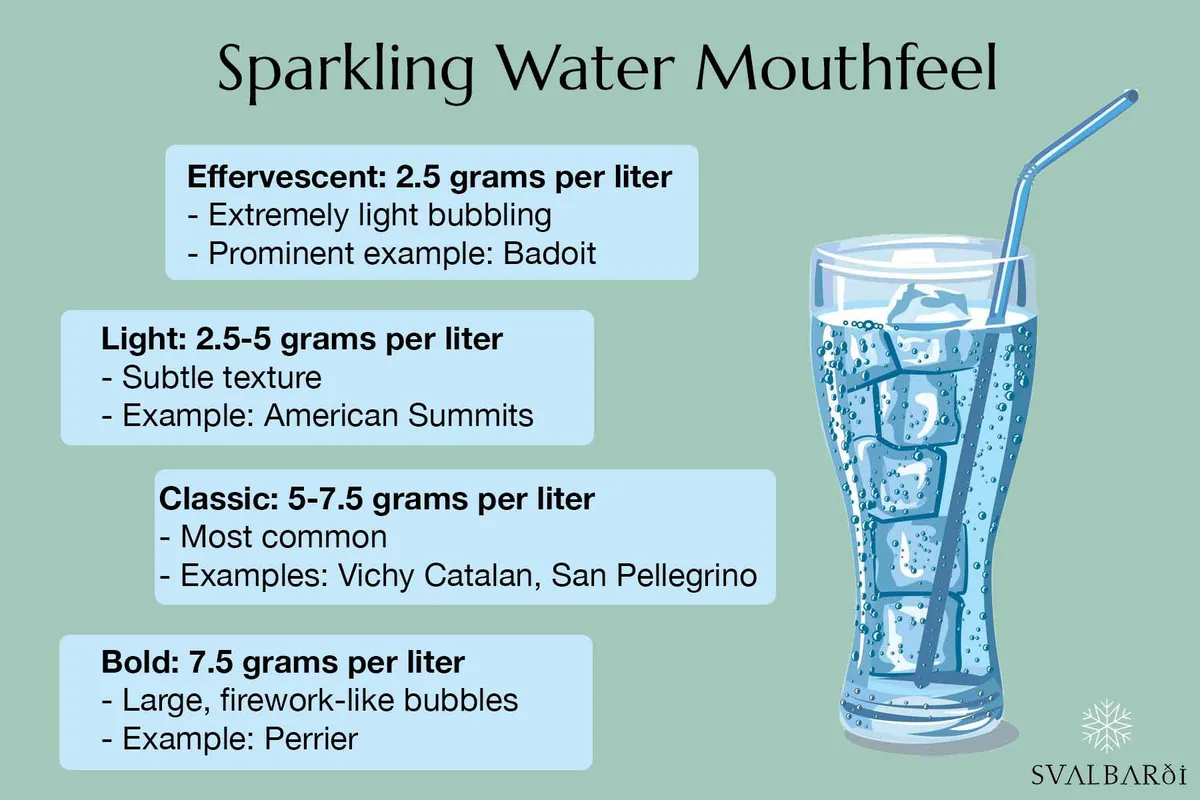
Reaching for a bottle of sparkling water instead of plain tap water has become a daily habit for many people trying to stay hydrated without reaching for sugary sodas. But as the bubbles go down, a common question comes up: does sparkling water help digestion, or is it just a fun alternative to still water? I spent time researching how carbonated and flat waters compare when it comes to gut health, looking at what clinical guidance generally suggests about hydration, stomach acid, and daily habits.
The short version from available research is that swapping sugary drinks for unsweetened seltzer is widely considered a positive step. However, the carbonation itself introduces some nuance. For instance, medical professionals often note that people who experience acid reflux—a condition where stomach contents leak back into the esophagus—may need to be cautious with bubbly drinks, since the gas can expand the stomach and potentially worsen symptoms like burping. For most others, drinking sparkling water alongside a meal or following it with a glass of plain water is generally viewed as fine, even though flavored varieties can be slightly more acidic than regular tap water.
This article breaks down those differences so you can make an informed choice about what goes in your glass. Please keep in mind that I am an individual summarizing general information, not a doctor or a clinical team, and nutritional details can evolve over time. This content is fact-checked for reference only and does not replace professional medical advice. If you have specific concerns about your gut health or hydration habits, consider speaking with a gastroenterologist or a registered dietitian.
How Hydration Timing Affects Your Digestive System
Why sipping water throughout the day supports absorption better than chugging large amounts at once
Your body can only absorb a limited amount of fluid at any given moment. When you drink a large volume all at once, the excess is quickly filtered out as urine rather than being used by your cells. Think of watering a houseplant: pouring an entire pitcher at once floods the soil and runs off, while slow, steady watering lets the roots absorb what they need.
Many people wonder, does sparkling water help digestion? Research suggests carbonated water is generally fine for most individuals, though those prone to acid reflux may want to be cautious. The bubbles can expand the stomach slightly, potentially encouraging acid to move upward into the esophagus. If you enjoy seltzer, having it alongside meals or following it with plain water is a practical habit.
The connection between consistent hydration and smooth gastrointestinal function
Steady fluid intake keeps the gastrointestinal tract—the pathway food travels from mouth to intestines—moving smoothly. Water helps break down what you eat so nutrients become easier to absorb. Consistent hydration supports daily digestive comfort in several ways:
- Softens stool, making bathroom trips more comfortable
- Helps dissolve soluble fiber so it works effectively
- Supports the protective mucus lining inside the stomach
Rather than forcing large glasses at once, keeping a bottle nearby encourages natural sipping. This article summarizes general research and does not replace professional medical advice. If you have specific concerns about your gut health, consider speaking with a gastroenterologist.

Recognizing the Signs of Sluggish Digestion
Fact-checked | This content is for reference only and does not replace professional medical advice.
Common symptoms like post-meal heaviness, bloating, and irregular bowel movements
Sluggish digestion often shows up through everyday discomfort. Think of your gut like a conveyor belt; when it slows down, things back up. Common signs include:
- Post-meal heaviness, where food feels like it sits in the stomach long after eating.
- Bloating, an uncomfortable feeling of fullness or swelling in the abdomen.
- Irregular bowel movements, such as infrequent trips to the bathroom or difficulty passing stool.
People frequently ask, Does sparkling water help digestion? Sipping plain water steadily throughout the day supports normal function better than chugging large amounts at once, since the body can only absorb so much fluid at a time. However, if you experience acid reflux—where stomach contents leak back into the esophagus—the carbonation in sparkling water may expand the stomach and worsen that backup.
Differentiating normal digestive discomfort from persistent gut issues
Occasional bloating after a heavy meal is usually normal. Persistent issues, however, follow a different pattern. A helpful way to tell the difference is frequency: occasional discomfort typically resolves quickly, while ongoing problems linger despite simple habit changes.
Consider speaking with a licensed provider if you notice:
- Symptoms that disrupt daily routines or sleep.
- Discomfort that consistently follows specific foods rather than appearing randomly.
- A reliance on over-the-counter products without lasting relief.
When exploring whether sparkling water helps digestion, remember that swapping sugary sodas for seltzer is generally a positive step. Yet, details matter. If you have a specific concern about persistent gut issues, consider speaking with a gastroenterologist.
Does Sparkling Water Help Digestion or Worsen It?
When exploring whether sparkling water helps digestion, the answer depends on your body. For most people, plain seltzer is a fine daily hydration choice, though those with acid reflux may need to be cautious.
How carbonation may ease feelings of nausea and indigestion for some people
Many people reach for a fizzy drink when feeling queasy. The bubbles can prompt burping, which sometimes relieves pressure after eating too quickly. Think of it like gently releasing air from a tight balloon to reduce tension.
However, carbonation expands the stomach slightly. If someone experiences acid reflux—a condition where stomach contents leak upward into the esophagus—this extra expansion might worsen symptoms. Health authorities generally advise that individuals with frequent heartburn monitor how bubbly drinks affect them. While research suggests plain seltzer is well-tolerated by many, it is not a universal remedy. If you have persistent digestive discomfort, consider speaking with a gastroenterologist.
Why replacing sugary sodas with plain seltzer is a clear win for gut health
If you are wondering whether to choose this option compared to sweetened beverages, swapping soda for plain seltzer removes excess added sugars that can disrupt healthy daily habits. This simple change supports overall wellness without sacrificing carbonation.
- Fewer added sugars reduces unnecessary caloric intake.
- No artificial sweeteners means fewer unknown variables for your gut.
- Better hydration encourages regular bowel function throughout the day.
Seltzer is slightly more acidic than flat tap water, especially with flavorings. Dentists often suggest drinking it alongside meals or following it with plain water to protect tooth enamel. As always, this information is for reference only and does not replace professional medical advice. Fact-checked. If you have specific concerns about your diet, consider speaking with a registered dietitian or primary care provider.
When Carbonated Drinks Can Backfire on Your Stomach
Many people ask, is seltzer safe? While seltzer is generally a fine swap for sugary sodas, clinical guidance usually notes that individuals managing acid reflux—a condition where stomach acid flows backward into the food pipe—should be cautious. The carbonation introduces extra gas that can irritate an already sensitive system.
Why individuals with acid reflux should be cautious about sparkling water
For someone dealing with acid reflux, the bubbles in carbonated drinks create unnecessary pressure inside the gut. Health authorities generally advise that this group limit fizzy beverages because the added gas can worsen discomfort. Think of it like inflating a balloon inside a space that is already irritated; the extra volume simply adds stress to the digestive tract.
How bubbles can expand the stomach and promote acid leakage into the esophagus during burping
When you drink carbonated water, the dissolved gas expands your stomach slightly. This stretching can push the valve between the stomach and the esophagus (the tube carrying food from your mouth) to open more easily. When you burp to release that trapped air, stomach acid can escape upward along with it.
Practical habits to reduce this risk include:
- Drinking plain flat water immediately after consuming seltzer
- Enjoying carbonated beverages alongside meals rather than alone
- Choosing unflavored options to limit extra acidity
So, while the answer to whether seltzer is safe is often yes for healthy adults, those with reflux may find it counterproductive. If you have specific concerns about heartburn or daily hydration habits, consider speaking with a gastroenterologist.

Protecting Your Teeth While Drinking Seltzer
Many people exploring this version also wonder about dental safety. As someone who researches daily health habits, I have found that enjoying carbonated drinks safely comes down to a few practical choices.
Understanding the mild acidity of flavored versus plain sparkling water
Plain seltzer is slightly more acidic than regular tap water because carbonation creates a mild acid. Adding fruit flavorings can increase that acidity further. Health authorities generally advise that people with acid reflux be especially careful, since the bubbles may expand the stomach and worsen symptoms. For most others, it remains a reasonable alternative to sugary sodas. When considering this recipe, remember that individual tolerance varies, and details around nutrition guidance can change over time.
Dentist-recommended habits like drinking seltzer alongside meals or following it with plain water
Clinical guidance usually suggests simple routines to limit acid exposure on tooth enamel. Think of it like rinsing a pan right after cooking to prevent residue from sticking. Helpful habits include:
- Pairing seltzer with meals, which naturally buffers acidity in the mouth
- Sipping plain water immediately afterward to rinse away lingering acids
- Choosing unflavored varieties when possible to keep acidity lower
These everyday steps support oral hygiene without requiring you to give up carbonation entirely. If you have specific concerns about your teeth or digestive comfort, consider speaking with a dentist or gastroenterologist for personalized guidance.
Debunking Myths About Sparkling Water and Weight Gain
Fact-checked. This content is for reference only and does not replace professional medical advice.
Unflavored Carbonated Water Contains Zero Calories and Zero Sugar
A common worry is that bubbly water causes weight gain like soda does. In reality, plain carbonated water contains no sugar and no calories. Health authorities generally advise that swapping sugary sodas for seltzer is a practical step toward better daily habits.
However, people with acid reflux—a condition where stomach acid flows back into the esophagus—may need to be careful. The bubbles can expand the stomach slightly, potentially worsening reflux symptoms. Flavored varieties might also be more acidic than tap water. Dental guidance usually suggests drinking sparkling water alongside meals or following it with plain water to protect tooth enamel. If you are wondering whether it causes weight gain, know that for most healthy adults, plain seltzer is simply a hydrating alternative without hidden caloric drawbacks.
How the Sensation of Fullness from Carbonation Fits Into a Balanced Diet
The carbon dioxide gas in sparkling water creates a gentle feeling of fullness. Think of it like eating a broth-based soup before dinner: it takes up space, which may naturally help someone avoid overeating later.
This mild satiety fits neatly into a balanced diet when used thoughtfully:
- Enjoying a glass with meals to support comfortable pacing
- Choosing plain seltzer instead of sweetened beverages
- Drinking steadily throughout the day, since the body absorbs water better in smaller amounts rather than all at once
While research suggests hydration supports overall wellness, understanding its role requires nuance. It offers temporary fullness but is not a treatment for digestive conditions. If you have specific concerns about hydration or gastrointestinal comfort, consider speaking with a gastroenterologist or a registered dietitian.
Red Flags That Mean You Should See a Doctor About Your Digestion
Fact-checked. This content is for reference only and does not replace professional medical advice.
Warning signs such as chronic heartburn, difficulty swallowing, or severe abdominal pain
Many people wonder if simple habits—like asking this question—can ease stomach issues. However, carbonated drinks can expand the stomach, potentially worsening acid reflux (stomach acid leaking into the esophagus) in those already prone to it. Think of your digestive tract like plumbing: minor gurgles are normal, but persistent blockages need attention.
Health authorities generally advise watching for these warning signs:
- Chronic heartburn that lingers despite basic lifestyle adjustments
- Difficulty swallowing, where food feels stuck
- Severe abdominal pain that disrupts daily routines
If you notice these patterns, relying solely on dietary tweaks may not be enough.
When to seek professional evaluation instead of relying on dietary changes alone
Adjusting what you drink—such as choosing plain water over seltzer if you experience reflux—is a reasonable first step. But when symptoms persist, a licensed provider should evaluate them rather than assuming a new habit will resolve the issue.
Clinical guidance usually suggests scheduling an appointment if discomfort becomes frequent or limits your ability to eat comfortably. While exploring whether this approach is fine for general curiosity, self-treating ongoing pain delays proper care. For more context, review our guide on reading nutrition labels for gut health.
If you have a specific concern about persistent digestive symptoms, consider speaking with a gastroenterologist.
Wrapping Up
After reviewing the available research on this dish, it seems carbonated water is a reasonable choice for most people looking to support gut comfort. It is not a cure for digestive issues, but the mild carbonation may encourage burping and relieve occasional bloating for some individuals. Still water remains an excellent baseline for hydration. If you have ongoing stomach concerns, a licensed healthcare provider can offer guidance tailored to your situation.
As a practical next step, try swapping one glass of plain still water for unflavored sparkling water during a meal this week and notice how your stomach feels afterward. Keep track of any changes in comfort or fullness. If you have a specific concern about chronic bloating or digestive habits, consider speaking with a gastroenterologist.