If you have ever had a routine checkup, chances are your height and weight were plugged into a formula to calculate your body mass index, or BMI. This simple ratio has become a standard line item in medical records, yet it sparks intense debate among patients, fitness enthusiasts, and health professionals alike. The core question many people ask is straightforward: Does BMI matter when trying to understand your actual health? I am not a doctor or a clinician—I am one person who spent time researching how this metric works, where it falls short, and why it remains so deeply embedded in the healthcare system. What follows is a practical breakdown of that research, meant to help you make sense of the numbers on your chart before your next appointment.
BMI was originally designed as a broad tool for analyzing population-level trends, not for judging an individual's metabolic health or body composition. It cannot tell the difference between muscle and fat, nor can it account for where fat is stored on your body—a detail that clinical guidance usually says matters far more for long-term wellness. Because the original data used to establish these ranges primarily reflected specific demographic groups, the standard cutoffs may not accurately represent risk for everyone. Understanding these blind spots helps explain why two people with identical measurements can have vastly different health profiles.
This article walks through the history of how BMI became a clinical screening tool, the three main limitations researchers frequently point out, and what alternative measurements might offer a clearer picture of daily health habits. Think of this as foundational information to bring to a conversation with a licensed provider, since only a qualified professional can evaluate your personal health context. Fact-checked. This content is for reference only and does not replace professional medical advice.
What BMI Actually Measures and Where It Came From
When people ask whether BMI matters, the history of the formula provides important context.
How a 19th-century mathematician created the formula to study average body size, not health
In the 1830s, a Belgian mathematician developed what he called the Quetelet Index. He divided weight by height squared simply to describe the physical size of an average person—specifically Western European men. The goal was never medical screening; it was statistical curiosity about typical body proportions. Think of it like averaging shoe sizes across a city: useful for manufacturing trends, but meaningless for judging one individual's foot health.
The shift from population-level research tool to individual medical screening metric
After gathering dust for over a century, the index was revived in the early 1970s by researchers studying obesity patterns across large groups. They renamed it body mass index (BMI) and used it to estimate population-level fatness, acknowledging it could not distinguish muscle from fat or account for diverse body types.
By the 1990s, clinical guidance shifted toward using BMI ranges to categorize individual patients during routine visits. Today, understanding this evolution helps explain why asking whether BMI matters requires nuance. Key limitations include:
- It measures overall body size, not actual body composition
- Original data excluded most ethnic groups and women
- It cannot differentiate between abdominal fat and muscle mass
Because these details can change as research evolves, always consult a qualified healthcare professional for personalized guidance. If you have specific concerns about weight and metabolic health, consider speaking with an endocrinologist or primary care provider.

Why Doctors Still Rely on Body Mass Index Today
If you are wondering whether BMI matters in modern healthcare, the short answer is that it remains a standard screening tool. Think of it like a basic smoke detector: it alerts providers to potential issues but cannot tell you exactly where the fire started.
Using BMI as a quick proxy for body fat during routine checkups
Body mass index uses height and weight to estimate body fat. It does not measure muscle or distinguish between fat types, yet it offers a fast, consistent baseline during visits. Clinical guidance generally recommends using it to flag when someone might benefit from nutrition or movement counseling. Because calculating it requires no special equipment, it fits easily into a busy appointment.
How insurance companies use specific cutoffs to approve or deny weight loss treatments
Understanding this landscape also involves looking at coverage rules. Insurers frequently rely on specific thresholds to authorize or block access to weight management medications. Common hurdles include:
- Requiring a minimum score before approving certain prescriptions
- Denying coverage based solely on this metric, ignoring overall health
- Applying uniform cutoffs that may not reflect diverse body compositions
This content is for reference only and does not replace professional medical advice. Details regarding coverage change frequently. If you have a specific concern about weight management, consider speaking with an endocrinologist or primary care provider.
The Major Flaws That Make People Ask If BMI Is Accurate
When you wonder about this metric, it helps to know the tool was built for population tracking, not individual diagnosis. It only compares height and weight, leaving out important details about your actual body.
Failing to distinguish between muscle mass and dangerous abdominal fat
BMI treats all weight equally. It cannot tell whether extra pounds come from muscle or from visceral fat—the deep belly fat that health authorities generally link to metabolic problems. Think of a muscular athlete who might register as overweight on paper while carrying very little excess fat.
- Muscle is denser than fat, raising the scale without adding health risk.
- Someone in a standard weight range can still carry too much abdominal fat.
- Waist circumference often gives a clearer picture of daily habits affecting belly fat.
Why a single universal threshold misses elevated disease risk in non-white populations
The standard cutoffs were originally developed using data mostly from white men. Research suggests different ethnic groups face metabolic risks at lower thresholds. This means many people with diverse backgrounds might be overlooked if clinicians rely solely on this basic calculation when asking about the method.
- Risk patterns vary significantly across different ancestral backgrounds.
- A one-size-fits-all number can leave certain communities underserved.
- Clinical guidance usually says providers should consider ethnicity alongside weight.
This information is for reference only and does not replace professional medical advice. Details can change. If you have a specific concern about your weight or metabolic health, consider speaking with an endocrinologist or primary care provider.

Health Symptoms and Warning Signs Associated With Unhealthy Body Composition
When people ask this question, the honest answer is that it offers a rough starting point but misses crucial details like where fat is stored. As research suggests, excess abdominal fat carries more health risk than overall body size alone.
Physical indicators of excess visceral fat such as chronic fatigue, joint pain, and breathlessness
Visceral fat (fat stored deep inside the belly around organs) can affect daily movement. Think of it like carrying a heavy backpack you never take off. Common physical signals include:
- Chronic fatigue despite getting adequate sleep
- Persistent joint pain, especially in the knees or lower back
- Unexpected breathlessness during light activities like climbing stairs
These signs do not confirm a diagnosis, but they are worth mentioning to a licensed provider.
Metabolic warning signs including elevated blood sugar, high blood pressure, and abnormal cholesterol levels
This is another reason this topic comes up often: someone within a standard weight range might still carry hidden metabolic risks. Routine screening sometimes reveals:
- Elevated blood sugar levels
- High blood pressure
- Abnormal cholesterol readings
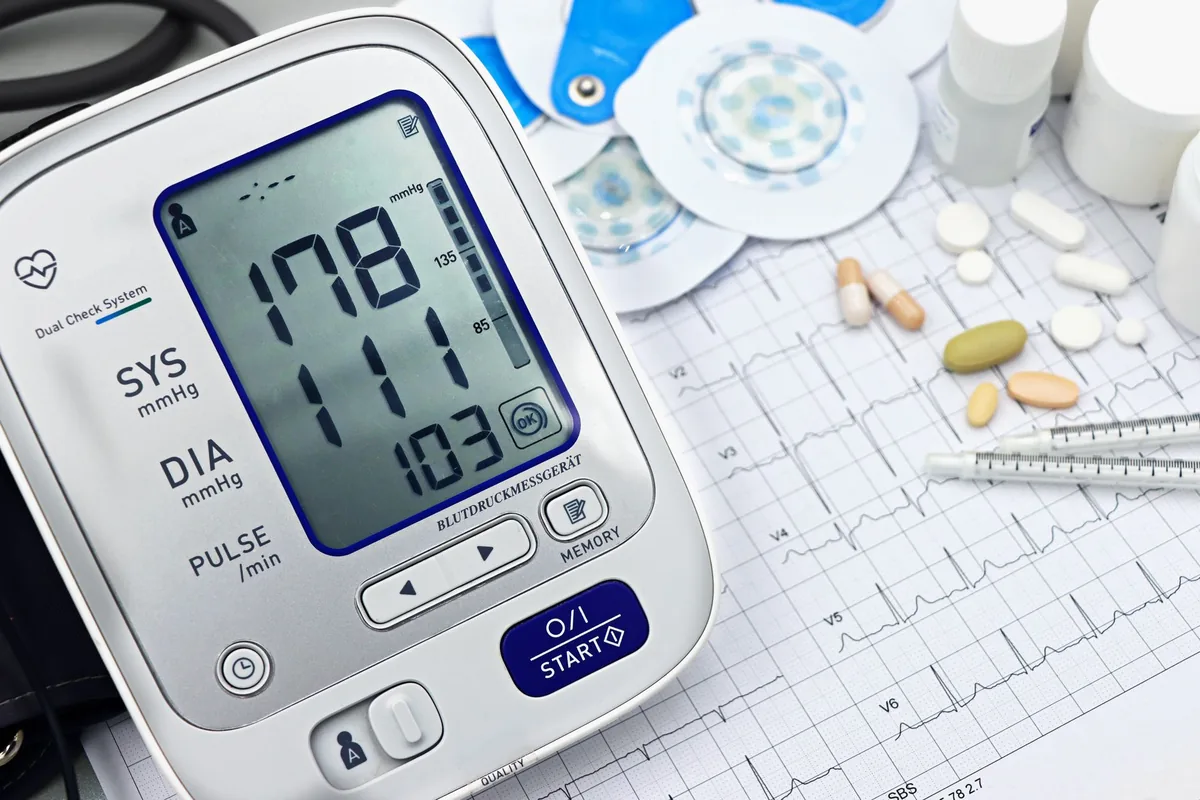
A practical tip: keep a simple log of your at-home blood pressure readings to share with your clinician. This content is for reference only and does not replace professional medical advice. If you have a specific concern, consider speaking with a specialty provider such as an endocrinologist or primary care physician.
When Your BMI Score Might Be Misleading You
So, BMI? It offers a rough starting point, but as research suggests, it cannot distinguish between muscle and fat. Here is where the formula often falls short.
Athletes and muscular individuals who fall into higher categories despite being metabolically healthy
Because BMI relies only on height and weight, it treats all mass equally. A heavily muscled person—like a competitive swimmer or weightlifter—can land in a higher category while carrying very little excess body fat. Think of it like weighing a suitcase: dense books and fluffy clothes might weigh the same, but they are completely different inside.
Common signs this applies to someone include:
- Consistent strength training routines
- Higher overall scale weight without abdominal fat
- Favorable metabolic markers during routine checkups
People with normal-range scores who still carry hidden metabolic risks due to low muscle mass
The opposite problem exists too. Someone can fall within a standard range yet carry excess abdominal fat and minimal muscle. This pattern may quietly increase health risks that a basic screening misses entirely.
This highlights why asking "about the method" requires looking beyond the number. Practical daily habits—like regular movement and balanced nutrition—often paint a clearer picture than a single calculation.
Fact-checked. This content is for reference only and does not replace professional medical advice. If you have a specific concern about your body composition or metabolic health, consider speaking with an endocrinologist or primary care provider.

Better Ways to Assess Your True Health Risk Beyond the Scale
Many people wonder about this metric. Research suggests it is a rough population-level estimate that cannot distinguish muscle from fat or pinpoint where fat is stored. Abdominal fat carries higher health risks than fat around the hips.
Measuring waist circumference and waist-to-height ratio to track abdominal fat directly
Since body mass index misses body composition, tracking your waist offers a clearer picture of abdominal fat. Think of it like checking tire tread instead of just weighing the car. Practical steps include:
- Wrap a soft tape measure around your natural waistline while standing relaxed
- Divide that waist measurement by your height to find your waist-to-height ratio
- Track changes over months rather than obsessing over daily fluctuations
Evaluating comprehensive metabolic markers like blood glucose and lipid panels
When considering this metric, remember it ignores internal chemistry. A person with a standard weight can still have poor metabolic health. Routine screening often includes:
- Fasting blood glucose to see how your body handles sugar
- A lipid panel measuring different types of cholesterol and triglycerides
- Blood pressure checks using a validated home monitor
I am one person summarizing research, not a doctor. Details evolve, so always consult a licensed provider before changing your routine. This content is fact-checked for reference only and never replaces professional medical advice. If you have concerns about metabolic health, consider speaking with an endocrinologist or primary care physician.
Red Flags and When to See a Doctor About Weight-Related Health Risks
Seeking evaluation if you experience sudden unexplained weight changes or persistent metabolic symptoms
Many people wonder, is this necessary when they feel fine? The short answer is that the number alone rarely tells the full story. Think of it like a dashboard warning light—it signals you should look under the hood, not exactly what is broken. Clinical guidance usually says to schedule an appointment if you notice:
- Rapid, unexplained weight gain or loss without intentional lifestyle changes
- Persistent fatigue that does not improve with adequate rest
- New changes in thirst or hunger patterns
These shifts can reflect underlying metabolic changes. Rather than relying solely on a screening tool, a licensed provider can evaluate your overall health picture.
Discussing alternative health assessments with your provider if your score feels inaccurate for your body type
Because this index cannot distinguish between muscle mass and fat tissue, highly active individuals often receive misleadingly high scores. If you are wondering whether the method applies to someone with significant muscle, research suggests it frequently overestimates risk for athletes while underestimating it for those carrying excess abdominal fat. It also fails to account for ethnic differences in how disease risk relates to body size.
Consider discussing these alternative body composition tools during your next visit:
- Waist circumference, which better estimates abdominal fat
- Bioelectrical impedance, which separates fat from lean tissue
- Metabolic panels, offering a clearer view of internal function
This content is fact-checked for general reference only and does not replace professional medical advice. If you have specific concerns about weight-related risks, consider speaking with an endocrinologist or primary care physician.
Wrapping Up
After researching this topic extensively, it is clear that answering whether this version is accurate requires a nuanced answer. It serves as a basic screening tool for population-level trends, but it overlooks muscle mass, bone density, and how fat is distributed across the body. Relying on it alone gives an incomplete picture of overall wellness.
Instead of fixating on a single number, focus on two practical steps this week: measure your waist circumference to gauge abdominal fat distribution, and track daily movement habits like step count or sleep duration. These offer a more realistic snapshot of healthy routines. Because individual needs vary, consider speaking with a primary care provider or a registered dietitian if you have specific concerns about your metabolic health. Fact-checked. This content is for reference only and does not replace professional medical advice.
References
- Does your body mass index (BMI) really matter? (gundersenhealth.org)
- How Much Does BMI Really Matter? - Aaptiv (aaptiv.com)